
Chichibu-Tama-Kai National Park
Saitama, Japan
Why visit Chichibu-Tama-Kai National Park?
Chichibu-Tama-Kai National Park (秩父多摩甲斐国立公園) is a large national park spanning Saitama, Tokyo, Yamanashi, and Nagano prefectures. Established in 1950, it encompasses the headwaters of the Arakawa, Tama, and Fuefuki rivers in a rugged mountainous region of deep valleys, forested ridges, and dramatic granite peaks.
The park is divided into three named sections: Chichibu (Saitama), Tama (Tokyo), and Kai (Yamanashi). It is known for excellent hiking, including sections of the historic Chichibu pilgrimage route, spectacular autumn foliage, and abundant wildlife including serow and Japanese macaques. Mount Kumotori (2,017 m), the highest peak in Tokyo, is within the park boundaries.
Planning Chichibu-Tama-Kai National Park? Tell us your dates and we’ll tailor the trip.
Ask on WhatsAppHow do you get there?
By Plane
Narita International Airport (NRT) is about 130 km southeast. The most practical approach is by train to Otsuki or Okutama, then bus into the park. Haneda Airport (HND) is about 100 km south.
By Train
The park has multiple access points. On the Saitama (Chichibu) side, Seibu Chichibu Station or Mitsumine-guchi Station on the Chichibu Railway are gateways. On the Tokyo side, Okutama Station on the JR Ome Line is the last rail stop before the park. Buses from these stations reach trailheads.
By Car / Road
From Tokyo, take the Kan-Etsu Expressway to the Chichibu IC (Saitama side) or the Chuo Expressway to the Otsuki IC (Yamanashi side). The park's mountain roads are winding and narrow — drive carefully. Parking is limited at popular trailheads.
A car is the most practical way to explore the park. Buses connect some access points (Chichibu to Mitsumine, Okutama to Lake Okutama), but service is infrequent, especially on weekdays. Hiking is the primary mode of transport within the park.
What are the things to do?
Mount Kumotori — The highest peak in Tokyo (2,017 m), with panoramic views from the summit. A challenging but rewarding day hike.
Mitsumine Shrine — A historic Shinto shrine high in the mountains of Chichibu, over 1,100 years old. The shrine buildings and surrounding forest are spectacular.
Lake Okutama — A reservoir lake on the Tama River, with walking trails, boating, and scenic drives. Plum blossoms in spring.
Chichibu Valley — Deep forested gorges with suspension bridges, waterfalls, and hiking trails along the Arakawa River.
Mount Gozen — A prominent peak in the Chichibu range with a classic alpine ridge hike.
Tama River headwaters — Crystal-clear streams and small waterfalls in the upper reaches of the Tama River.
Hiking and trekking — The park has trails for all levels, from easy valley walks to multi-day ridge traverses.
Chichibu 34 Kannon Pilgrimage — A 34-temple Buddhist pilgrimage route through the Chichibu mountains, done by car or on foot.
Autumn foliage viewing — The park is famous for brilliant fall colors, peaking in late October–November.
Camping — Designated campsites at Lake Okutama, Mitsumine, and along the Tama River.
Fishing — The rivers are stocked with trout and ayu (sweetfish); fishing licenses required.
Planning Chichibu-Tama-Kai National Park? Want these on a customised itinerary?
Ask on WhatsAppWhere to eat?
- Chichibu soba — Hand-made buckwheat noodles, served hot or cold with local toppings.
- Chichibu pork (Chichibu buta) — Locally raised pork, served as tonkatsu or shabu-shabu.
- Hoba miso — Miso grilled on a magnolia leaf, a mountain-region specialty.
- Okutama wasabi — Fresh wasabi root, grated over soba or sashimi.
- Budget meals ¥800–1,200 at mountain lodges and trailhead restaurants.
Where to drink?
Mountain lodges serve tea and coffee. Chichibu is known for its whisky — the Chichibu Distillery produces award-winning single malt. Local sake and shochu are also excellent. Tap water at lodges is safe — the park's water sources are pristine mountain springs.
Planning Chichibu-Tama-Kai National Park? We’ll book the stays and dining for you.
Ask on WhatsAppWhere to stay?
- Budget: Mountain huts (yamagoya) along the main trails, from ¥6,000/night (dormitory).
- Mid-range: Minshuku in the Chichibu valley or Okutama area, about ¥8,000–12,000/night with meals.
- Upscale: Ryokan in the Chichibu Onsen area, from ¥15,000/night with kaiseki dinner and hot spring baths.
- Camping: Designated sites from ¥500–1,000 per night.
What should you buy?
Chichibu is famous for Chichibu meisen silk, Chichibu soba, and Chichibu sake. The Okutama area specializes in wasabi products and local honey. Park visitor centers sell maps and souvenirs.
Where to go next?
- Chichibu City (south of the park) — Historic town with the Chichibu Shrine and the famous Chichibu Night Festival in December.
- Okutama Town (east of the park) — Gateway to the Tokyo side of the park, with the Okutama Visitor Center and river activities.
- Kosuge Village (south of the park) — A remote mountain village with traditional thatched-roof houses.
- Otsuki (south, Yamanashi) — City with the Saruhashi bridge and connections to the Fuji Five Lakes region.
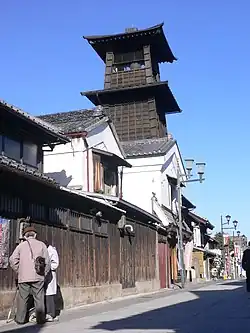
- Kawagoe (2 hours by train from Chichibu) — "Little Edo" Saitama, with a well-preserved Edo-period warehouse district.
Nearby in Saitama
More places to explore around Chichibu-Tama-Kai National Park.
Guide content as of July 2026. Portions adapted from Wikivoyage, CC BY-SA 4.0.

Contact Us
Get in touch with us.
Get in touch
Contact Us
Tell us where you'd like to go and how you like to travel. A real Tripcuro planner — not a bot — will craft an itinerary around you.
- Personalised, hassle-free planning end-to-end
- Transparent pricing, no hidden costs
- 24/7 support for complete peace of mind