
Kiso Valley
Nagano, Japan
About Kiso Valley
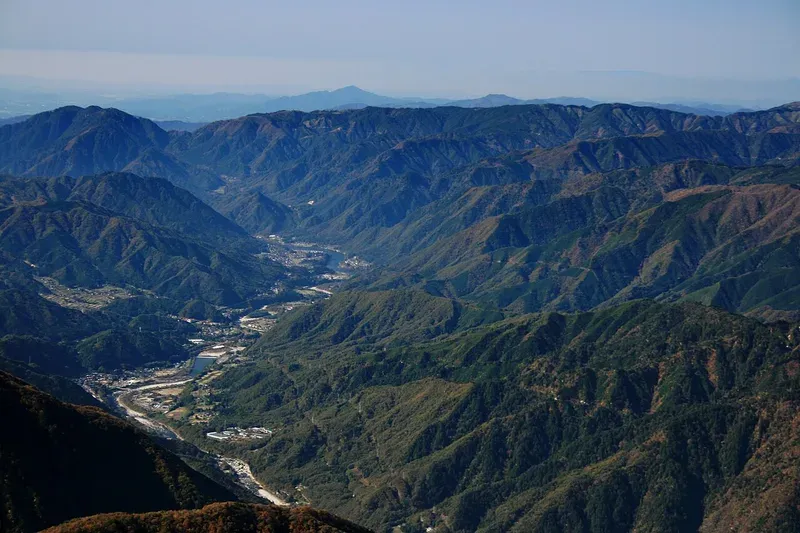
The Kiso Valley (木曽谷) is a narrow, forested gorge running along the western flank of the Central Japanese Alps in southern Nagano Prefecture, historically one of the most important travel corridors in Japan. Long before the Edo Period, the Kisoji trail threaded through this valley, and when the Tokugawa shogunate formalised the Nakasendō highway connecting Kyoto with Edo (modern-day Tokyo), the valley became a vital artery of overland travel. A string of post towns (juku) sprang up to serve the daimyō processions, pilgrims, and merchants who walked this route, and many of these settlements survive today in remarkably preserved condition — some with cars banned from their main streets and telegraph poles hidden from view.
The valley follows the Kiso River southward through a landscape of steep, cedar-covered mountains, dramatic gorges, and cascading streams. Historically, the Kiso district was renowned for its hinoki cypress forests, so prized that the wood was reserved exclusively for the Imperial household and for rebuilding Ise Grand Shrine every 20 years. Today the valley is one of the best places in Japan to experience rural life and Edo-period heritage on foot. The climate is mountainous — cool and pleasant in summer with lush greenery, spectacular in autumn when the forests turn gold and crimson, and cold with light snow in winter. Spring brings cherry blossoms to the lower valley in mid-April.
The valley stretches roughly 50 km from Nakatsugawa in the south (Gifu Prefecture) to Shiojiri in the north (Nagano Prefecture). The principal post towns are clustered in the southern and central sections: Magome (restored, cobblestoned, in Gifu), Tsumago (authentically preserved, in Nagiso), and Narai (the richest town, in Kiso). The central hub is Kiso-Fukushima, a small city with the valley's main railway junction.
Planning Kiso Valley? Tell us your dates and we’ll tailor the trip.
Ask on WhatsAppHow to reach
By Plane
The nearest major airports are Chubu Centrair (NGO) near Nagoya, approximately 2.5 hours south by train, and Tokyo Narita (NRT) or Haneda (HND), approximately 3.5–4 hours by train via Nagoya or Nagano. Nagoya is the most convenient gateway for the southern Kiso Valley (Magome, Tsumago).
By Train
Kiso-Fukushima station on the JR Chuo Main Line is the valley's central hub. From Tokyo, three main routes are available: (1) Tokaido Shinkansen Nozomi to Nagoya, then the Wide View Shinano limited express to Kiso-Fukushima (about 3 hours 20 minutes, ¥13,800); (2) Hokuriku Shinkansen Asama to Nagano, then the Wide View Shinano (about 3 hours 40 minutes, ¥11,300); (3) Azusa or Super Azusa from Shinjuku to Shiojiri, then transfer to the Wide View Shinano (about 3 hours 20 minutes with good connections, ¥9,080). Japan Rail Pass holders should route via Nagano or Shiojiri. From Kyoto and Osaka, take the Shinkansen to Nagoya and change to the Wide View Shinano. For Magome and Tsumago, the nearest stations are Nakatsugawa (for Magome, JR Chuo Line) and Nagiso (for Tsumago, JR Chuo Line).
By Car / Road
From Nagoya, drive north on the Chuo Expressway to the Nakatsugawa IC exit — approximately 90 minutes to Magome. From Tokyo, the Chuo Expressway via Kofu and Ina reaches Kiso-Fukushima in about 4 hours. From Nagano city, Route 19 runs south to Kiso-Fukushima in approximately 90 minutes. The valley's roads are well-maintained but narrow in places, especially between post towns. Highway buses from Tokyo (Shinjuku) run to Kiso-Fukushima via Shiojiri.
Local bus services connect the post towns, though they run infrequently (roughly every 1–2 hours on most routes). The Magome–Tsumago trail is the most walkable section at 8 km. The JR Chuo Main Line connects all major valley towns — Nakatsugawa, Nagiso, Kiso-Fukushima, Kiso-Fukashima, and Shiojiri — with trains roughly every 30–60 minutes. Luggage forwarding services are available between Magome and Tsumago for hikers who don't want to carry packs on the trail (ask your ryokan or the tourist information office). Rental cars offer the most flexibility for reaching remote villages and trailheads, and can be arranged in Nakatsugawa or Kiso-Fukushima.
Things to do
Tsumago — One of Japan's best-preserved Edo-period post towns. Cars are banned from the main street, utility poles are concealed, and the wooden buildings are maintained exactly as they appeared centuries ago. Visit the Honjin (main inn) and Wakihonjin (secondary inn), both restored and open to the public.
Narai — The wealthiest of the Nakasendo's post towns, with over a kilometre of traditional wooden buildings lining the main street, the longest preserved stretch on the entire highway. Designated an Important Preservation District.
Magome — A steep, cobblestoned post town at the southern end of the valley (in Gifu Prefecture), lovingly restored with waterwheels, wooden shops, and mountain views. The starting point of the popular Magome–Tsumago hike.
Kiso-Fukushima — The valley's main town, home to a reconstructed castle gate, the historic Fukushima Honjin (a high-ranking inn for daimyō), and the Kiso-no-Ohashi bridge. Good base for exploring the central valley.
Kiso-Hirasawa — A small town near Shiojiri famous for centuries of lacquerware production. Visit workshops and showrooms to see artisans at work and purchase handcrafted pieces.
Walk the Nakasendo trail — The 8 km section from Magome to Tsumago is the most popular and scenic, following a cobblestone path through cedar forests, past waterfalls and mountain streams. The hike takes about 2–3 hours and is well-marked in English. Luggage forwarding is available at both ends.
Hike the full Kiso Valley — Ambitious walkers can follow the Nakasendo from Nakatsugawa to Shiojiri (roughly 70–80 km over several days), passing through all the major post towns and staying at ryokan along the way.
Explore the Nakasendo north of Narai — Less-visited sections between Narai and Kiso-Fukushima, and between Kiso-Fukushima and Shiojiri, offer quieter walking with fewer tourists and beautiful mountain scenery.
Visit lacquerware workshops in Kiso-Hirasawa — Watch master craftspeople create Kiso shikki (lacquerware), one of the valley's signature artisanal traditions, and try your hand at painting your own piece.
Soak in mountain onsen — Several small hot-spring inns dot the valley, offering a quiet end to a day of hiking. The Kurokawa and Tsukechi areas have particularly scenic outdoor baths.
Planning Kiso Valley? Want these on a customised itinerary?
Ask on WhatsAppFood & Dining
The valley's cuisine revolves around mountain fare and buckwheat. Kiso soba is made with water from the Kiso River and traditionally served with locally produced sunki (fermented red turnip) pickles or vegetable broths. Goheimochi — pounded rice cakes grilled over charcoal and coated in sweet miso or walnut sauce — are the valley's signature snack, available at stalls and small restaurants throughout. Chestnut-based sweets appear on dessert menus from September through November. Most restaurants are clustered in Tsumago, Magome, and Narai, though many smaller post-town eateries close in the evening. If staying in a rural ryokan, opt for the dinner plan — evening dining options outside the main towns are very limited.
Cafes & Nightlife
Local sake from Kiso-area breweries is the natural accompaniment to a mountain meal, with several small producers offering distinctive highland rice wines. Craft beer has arrived in the valley — small breweries and cafés in Tsumago and Magome serve locally made ales alongside the usual Japanese lagers. Cafés in the post towns offer good coffee and matcha. Tap water throughout the valley is clean mountain spring water and safe to drink. Nightlife is essentially non-existent in the post towns — evenings are best spent soaking in a ryokan bath with a bottle of local sake.
Planning Kiso Valley? We’ll book the stays and dining for you.
Ask on WhatsAppPlaces to Stay
- Budget: Maruya Inn in Narai, a traditional guesthouse with tatami rooms and shared baths, from around ¥4,000–5,000 per night including simple breakfast. Several similar minshuku operate in Tsumago and Magome in the ¥3,500–5,500 range.
- Mid-range: Fujioto Ryokan in Tsumago, a well-regarded inn with private rooms, kaiseki dinner, and breakfast included, from approximately ¥12,000–16,000 per person. Daikichi in Narai offers similar quality in a beautifully restored wooden building.
- Upscale / heritage: Kiso-no-Ie in Kiso-Fukushima, a refined ryokan with hinoki wood baths and multi-course kaiseki featuring local mountain vegetables and river fish, from around ¥20,000–30,000 per person. Heritage guesthouses in Tsumago's Honjin district offer an immersive Edo-period experience.
What to buy
The Kiso Valley's signature craft is hinoki cypress woodwork — lightweight, beautifully grained, and naturally aromatic. Narai is the best place to buy hinoki goods including bento boxes, chopsticks, and bath accessories. Kiso shikki (lacquerware) from Kiso-Hirasawa is another prized souvenir, with items ranging from affordable everyday bowls to museum-quality pieces. Goheimochi — grilled rice cakes on sticks coated in sweet miso or walnut sauce — are sold as street snacks in every post town. Local wagashi (confectionery) shops specialise in chestnut sweets, particularly in autumn. Wooden walking sticks carved with the Nakasendo crest make popular practical souvenirs for hikers.
Go next
- Nagoya — 90 minutes south by train; Japan's fourth-largest city with Nagoya Castle, Atsuta Shrine, and the world-class SCMAGLEV railway museum.
- Takayama — 2 hours west by car or bus through the mountains; a beautifully preserved Edo-era merchant town famous for its morning markets, sake breweries, and festival floats.
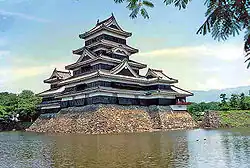
- Matsumoto — 90 minutes north by train; home to one of Japan's finest original castles and a vibrant arts and craft scene.
- Nagano — 2 hours north by train; the prefectural capital with Zenkō-ji temple and the 1998 Olympic sites.
- Nagiso & Tsumago — 30 minutes south of Kiso-Fukushima by train; the best-preserved post town on the Nakasendo with car-free streets and authentic Edo-period atmosphere.
Nearby in Nagano
More places to explore around Kiso Valley.
Portions adapted from Wikivoyage, CC BY-SA 4.0.

Contact Us
Get in touch with us.
Get in touch
Contact Us
Tell us where you'd like to go and how you like to travel. A real Tripcuro planner — not a bot — will craft an itinerary around you.
- Personalised, hassle-free planning end-to-end
- Transparent pricing, no hidden costs
- 24/7 support for complete peace of mind