
Mie
Japan · Prefecture · 20 destinations with guides
Photography coming soonOverview
Mie Prefecture (三重県, Mie-ken; ISO 3166-2: JP-24) sits on the eastern edge of the Kansai region, stretching down the Kii Peninsula along the Pacific coast of Honshu. Bordered by Aichi to the north, Nara and Wakayama to the west, and the deeply indented waters of Ise Bay and the Kumano-nada Sea to the east and south, Mie is a long, thin prefecture defined by contrasts: industrial port cities in the north, the sacred plains around Ise in the middle, and the rugged, forested mountains of Kumano in the far south.
Mie's identity as a travel destination is anchored by Ise Jingu, the holiest shrine complex in Shinto and a pilgrimage site for over a millennium. But the prefecture rewards travellers who go further: the ninja heartland of Iga, the pearl-cultivation islands of Toba and Shima, the Tokaido post towns of the north, and the UNESCO-listed Kumano Kodo pilgrimage trails in the south. Add Matsusaka beef and the Suzuka Circuit (home of the Japanese Grand Prix) and Mie covers far more ground than its modest tourist profile suggests.
Despite belonging administratively to Kansai, much of daily life in Mie orbits Nagoya, just across the prefectural border in Aichi — a quirk that shapes its rail network, its dialect, and the easy access northern Mie has to the Chubu region.
When to Visit
Spring (late March–May) and autumn (October–November) are the most comfortable windows. Cherry blossoms reach Mie in late March to early April, with the approach to Ise Jingu and the riverbanks of Iga Ueno Castle being standout spots. Autumn foliage in the Akame 48 Waterfalls and the Kumano mountains peaks in mid-to-late November.
Summer (June–August) is hot, humid, and — particularly along the Kii Peninsula — extremely wet. Southern Mie around Owase and Kumano regularly records some of the highest annual rainfall totals in Japan (over 4,000 mm), and typhoons strike from August into September. That said, the coast around Shima cools nicely with sea breezes, and summer is when the ama (free-diving women) are most active around Toba.
Winter (December–February) is mild on the coast and crisp inland, with occasional snow in the mountains around Iga and Nabari. The Shikinen Sengu rebuilding cycle of Ise Jingu does not happen often (next: 2033), but the shrine itself is most atmospheric in early January when millions arrive for hatsumode, the year's first shrine visit — book accommodation months ahead if you plan to be there for New Year.
Tell us your dates and we'll shape a Mie route around them.
WhatsAppGetting Around
Mie's spine is rail. Two parallel networks dominate:
- Kintetsu Railway runs the most useful line for tourists — the Nagoya Line and Yamada/Toba/Shima Lines — connecting Nagoya to Yokkaichi, Tsu, Matsusaka, Ise-shi, Toba, and Kashikojima. The premium Shimakaze sightseeing limited express (around ¥3,500 in fees on top of the base fare from Nagoya) is a destination in itself.
- JR Central / JR West runs the Kansai Line and Kisei Line down the coast through Owase to Kumano and on into Wakayama. The Wide View Nanki limited express links Nagoya with Kumano in roughly 3.5 hours.
Approximate rail times from Nagoya: Yokkaichi 30 min, Tsu 50–70 min, Matsusaka 80 min, Ise-shi 80–95 min (Kintetsu limited express), Toba ~110 min, Iga-Ueno ~90 min (via JR Kansai Line transfer at Iga-Kambe).
For the Iga and Nabari areas, you'll usually transfer onto the Iga Railway or Kintetsu Osaka Line. Southern Mie (Owase, Kumano-shi) is best reached by JR; once there, buses run sparsely and a rental car is strongly recommended for the Kumano Kodo trailheads, Maruyama Senmaida rice terraces, and the Doro-kyo gorge. Local taxis in rural Mie can be flagged down at stations but are expensive — budget ¥730+ flagfall and around ¥3,000–4,000 for a 10 km ride.
The Kintetsu Rail Pass (5-day, around ¥3,700) and the wider Kintetsu Rail Pass Plus are excellent value if you're combining Mie with Nara, Osaka, or Kyoto.
Top Destinations
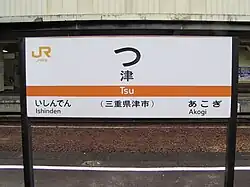
- Tsu — the prefectural capital and a quiet administrative hub on Ise Bay; useful as a transit base.
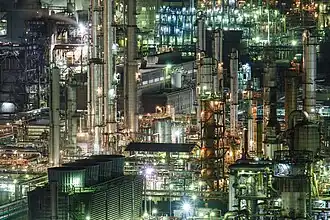
- Yokkaichi — Mie's largest and most industrial city; famous (or infamous) for its petrochemical kombinato night views.
- Iga — historic stronghold of the Iga ninja clan, with a hilltop castle and a working ninja museum.
- Ise — home of Ise Jingu, Japan's holiest Shinto shrine and the spiritual heart of the country.
- Kumano — a UNESCO-listed pilgrimage town in the rugged south, gateway to the Kumano Kodo trails.
- Matsusaka — castle town between Tsu and Ise, world-renowned for its beer-fed wagyu beef.
- Shima — pearl-farming peninsula of jagged ria coastlines and the resort island of Kashikojima.
- Suzuka — motorsport capital, home of the Suzuka Circuit and the Japanese F1 Grand Prix.
- Toba — seaside resort facing Ise Bay; Mikimoto Pearl Island and ama free-diver demonstrations.
- Owase — small port city with some of Mie's wildest coastal and mountain scenery.
- Kuwana — northern gateway near Nagoya, with easy access to Nagashima Spa Land and Nabana no Sato.
- Kameyama — a remarkably preserved former Tokaido post town.
Want the scenic legs and stays booked for you? Just ask.
WhatsAppCuisine
Mie eats well. Matsusaka beef (松阪牛) is the headline act — a tightly graded wagyu raised on a diet that traditionally included beer and massage, and considered by many Japanese to outclass even Kobe. The classic preparation is sukiyaki at long-running houses such as Wadakin in Matsusaka itself, where a multi-course meal can run ¥15,000–30,000 per person; cheaper but still excellent grilled sets are available at Gyuginzai Matsusaka. Even a simple Matsusaka-gyu don at the station-area cafes runs ¥3,000+.
Ise-Shima specialities lean to the sea: spiny Ise lobster (伊勢海老) sashimi or grilled in season (October–April); abalone; oysters from Toba; and the briny ama-goya hut experience near Toba and Shima, where free-diver grandmothers grill the morning's catch in front of you (around ¥4,000–8,000 per person, reservation required).
Other Mie specialities worth seeking out:
- Ise udon — fat, soft noodles in a dark, sweet tamari-based broth; a pilgrim's comfort food. Try it at Okudoya on Ise's Oharaimachi street.
- Tekone-zushi — Ise's fisherman's sushi, with katsuo (bonito) marinated in soy and tossed by hand over rice.
- Akafuku mochi — the iconic red-bean-topped mochi of Ise, sold for over 300 years at the Akafuku Honten across from the Isuzu River; ¥260 for two pieces with tea, around ¥800 for a take-home box.
- Iga beef and Iga-yaki pottery sets — Iga also brews fine sake.
- Tenmusu — bite-sized onigiri wrapped around a shrimp tempura tail; a Nagoya–Mie border dish.
For drink, Hokosugi (鉾杉) sake from Kawachi-ya in the Ise area is widely available and well-priced; in Iga, look for the Hanzo (半蔵) label from Ohte Sake Brewing.
Vegetarians and vegans will find Mie tougher than Kyoto or Tokyo: bonito-based dashi underpins almost everything. The shrine town of Ise has a small number of shojin ryori (Buddhist vegetarian) options, and modern cafes around Oharaimachi increasingly offer plant-based bowls — but always confirm in advance.
Culture & Festivals
Mie's cultural calendar is shaped by Ise Jingu and by older folk traditions of the coast and mountains.
- Hatsumode at Ise Jingu (1–3 January) — Japan's most-visited New Year shrine pilgrimage, drawing several million visitors over three days.
- Ise Jingu Kagura-sai (early April and late September) — sacred dance and music performances at the Naiku.
- Iga Ueno NINJA Festa (late April to early May, Golden Week) — the entire city of Iga turns ninja, with dress-up, throwing-star competitions, and a parade through the castle grounds.
- Ishidori Matsuri (first weekend of August, Kuwana) — said to be Japan's loudest festival; teams haul ornate carts through the streets while beating drums and gongs at deafening volume.
- Kumano Hanabi (17 August, Kumano-shi) — one of Japan's most spectacular fireworks displays, with shells launched from boats over Shichirimihama beach.
- Suzuka Japanese Grand Prix (late September or early October) — one of the most loved circuits on the F1 calendar; tickets and hotels in Suzuka and Yokkaichi sell out months ahead.
- Toba Sea Festival (Toba Minato Matsuri) (late July) — fireworks and harbour parades celebrating the town's seafaring heritage.
Mie's traditional crafts include Iga-yaki pottery (rough, fire-marked stoneware prized by tea masters), Ise katagami (paper stencils used in dyeing kimono — a UNESCO Intangible Cultural Heritage element), and Suzuka-zumi ink sticks. The Iga region is also a centre of kumihimo braided cord, brought to wider attention by the film Your Name.
Travelling during a festival? We'll plan around the crowds.
WhatsAppNotable Experiences
- Pilgrimage to Ise Jingu — Walk the gravel approach across the Uji Bridge into the cypress forest of the Naiku, then stroll the Edo-style Oharaimachi and Okage Yokocho streets for Akafuku mochi and Ise udon. Allow a full day to do both the Geku (outer) and Naiku (inner) shrines properly; the traditional order is Geku first.
- Ride the Kintetsu Shimakaze — Mie's signature train journey: a sleek, panoramic limited express from Osaka or Nagoya down to Kashikojima in Shima, with reservable salon compartments, a cafe car, and sweeping views of Ise Bay and the ria coastline.
- Hike a stage of the Kumano Kodo — The Iseji route through southern Mie is the least-walked of the Kumano pilgrimage trails and one of the most atmospheric, threading through cedar forests, stone-paved mountain passes (the Magose Toge above Owase is a classic half-day), and ancient shrines, ending at Hayatama Taisha across the border in Wakayama.
- Meet the ama divers of Toba and Shima — Lunch at an ama-goya hut (try Hachiman Kamado near Toba) where divers in their 60s and 70s grill the morning's abalone, scallops, and Ise lobster over charcoal and explain a tradition that UNESCO has flagged as endangered.
- Ninja immersion in Iga — At the Iga-ryu Ninja Museum, watch shuriken demonstrations and tour a former ninja residence riddled with trap doors and revolving walls; pair it with Iga Ueno Castle (one of Japan's tallest stone walls) and an evening sake tasting in the old town.
- Akame 48 Waterfalls (Nabari) — A 4 km riverside trail past dozens of waterfalls in a forested gorge that was a historic ninja training ground; allow 2–3 hours and budget the ¥500 entry fee.
Top Destinations
Every destination in Mie with a guide — tap a place for the full guide.

Iga-Ueno
Iga-Ueno (伊賀上野) is the historic centre of the city of Iga (伊賀) in Mie…
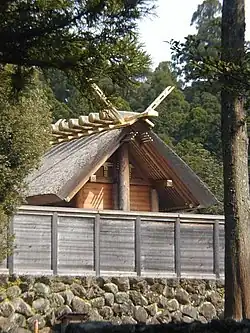
Ise
Ise (伊勢市, Ise-shi) is a city in Mie Prefecture best known for one thi…
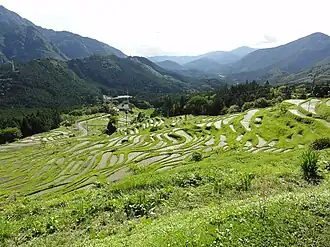
Kumano
Kumano (熊野) is a city in the far south of Mie Prefecture, on the rugg…
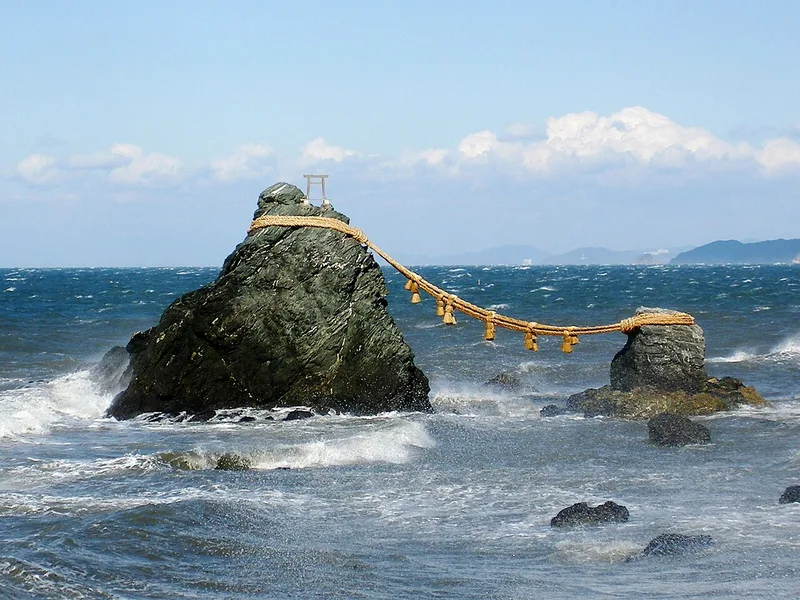
Meoto Iwa
Meoto Iwa (夫婦岩) — the "Wedded Rocks" or "Husband-and-Wife Rocks" — is…
Toba
Toba (鳥羽) is a small coastal city in Mie Prefecture, on the island of…
Tsu
Tsu (津) is the capital of Mie Prefecture, a city of around 290,000 pe…
Yokkaichi
Yokkaichi (四日市) is the largest city in Mie Prefecture, an industrial…
Iga
Iga is a city in western Mie Prefecture, historically the heart of Ig…
Ise-Shima
Ise-Shima (伊勢志摩) is not a single town but a region — the eastern tip…
Ise-Shima National Park
Ise-Shima National Park is a coastal national park in eastern Mie Pre…
Kameyama
Kameyama is a city in northern Mie Prefecture, historically an import…
Kashikojima
Kashikojima (賢島) is a small island in Ago Bay, at the southern end of…
Kuwana
Kuwana is a city in northern Mie Prefecture, situated on the coast of…
Matsusaka
Matsusaka is a city in central Mie Prefecture, best known as the home…
Nabana no Sato
Nabana no Sato (なばなの里) is a large flower park and seasonal-illuminati…
Nabari
Nabari is a city in the western corner of Mie Prefecture, nestled in…
Owase
Owase is a coastal city on the Kumano Sea, at the southern edge of Mi…
Shima
Shima is a city on the Shima Peninsula in eastern Mie Prefecture, kno…
Suzuka
Suzuka is a city in northern Mie Prefecture, best known international…
Yoshino-Kumano National Park
Yoshino-Kumano National Park is a vast national park spanning Nara, M…
Pair the highlights of Mie into one easy trip — we'll plan the route.
WhatsApp
Contact Us
Get in touch with us.
Get in touch
Contact Us
Tell us where you'd like to go and how you like to travel. A real Tripcuro planner — not a bot — will craft an itinerary around you.
- Personalised, hassle-free planning end-to-end
- Transparent pricing, no hidden costs
- 24/7 support for complete peace of mind