
Cape Muroto
Kochi, Japan
About Cape Muroto
Cape Muroto (室戸岬, Muroto-misaki) is a wild, geologically extraordinary headland at the southeastern tip of Kochi Prefecture, where the mountains of eastern Shikoku plunge into the Pacific Ocean. While Cape Ashizuri marks the island's southwest corner, Muroto is its southeastern counterpart — a rugged, wind-scoured cape of black rock, twisted strata and pounding surf.
What sets Muroto apart is its geology. The cape sits on land that is being steadily uplifted by the meeting of tectonic plates, and its dramatic rock formations, raised marine terraces and coastal landscapes have earned it recognition as part of a UNESCO Global Geopark. The shoreline is a jumble of pillow lava, contorted sedimentary rock and turbulent sea, threaded by walking paths that double as a kind of open-air geology lesson.
Muroto also has deep spiritual significance. The young monk Kobo Daishi (Kukai), founder of Shingon Buddhism, is said to have attained enlightenment in a sea cave here, and the cape's temple, Hotsumisaki-ji, is a major stop on the Shikoku 88 Temple Pilgrimage.
Cape Muroto is a remote, end-of-the-road destination, best given a full day. Kochi's climate here is warm and sunny, among the mildest in Japan, but the exposed cape is windy and lies squarely in a typhoon belt; spring and autumn are the most comfortable times to visit.
Planning Cape Muroto? Tell us your dates and we’ll tailor the trip.
Ask on WhatsAppHow to reach
By Plane
The nearest airport is Kochi Ryoma Airport (IATA: KCZ), to the west near Kochi city, with domestic flights from Tokyo, Osaka, Nagoya and Fukuoka. From the airport the cape is a long onward journey by bus.
By Train
There is no railway to Cape Muroto. The nearest railhead is on the Tosa Kuroshio Railway's Asa Line on the eastern side of the prefecture, from which buses continue to Muroto.
By Car / Road
The cape is reached by the coastal highway running down the eastern shore of Kochi Prefecture from Kochi city, a scenic but lengthy drive. Buses serve the route from Kochi and from the eastern rail line, though services are infrequent. A car is the most practical way to reach and explore the area.
The cape's main sights — the geological coastline, the lighthouse, the temple and Kobo Daishi's cave — are concentrated near the headland and are largely covered on foot, with a coastal nature trail linking the rock formations. The lighthouse and temple sit on higher ground above the shore. There is no public transport within the site, and bus services along the coast are sparse, so a car (or bicycle) is genuinely useful. Japan has no autorickshaws or tuk-tuks, and tourist scams are essentially non-existent.
Things to do
Muroto Cape coastal rocks — The cape's signature attraction: a shoreline of pillow lava, folded strata and uplifted marine terraces, the core of the UNESCO Global Geopark.
Muroto-misaki lighthouse — A historic lighthouse on the headland above the cape, with one of the most powerful beams in Japan and wide ocean views.
Hotsumisaki-ji (最御崎寺) — Temple number 24 of the Shikoku 88 Temple Pilgrimage, set on the heights of the cape amid subtropical forest.
Mikurodo Cave — The sea cave where the young Kobo Daishi is said to have meditated and attained enlightenment; a key site of his legend.
Statue of the young Kobo Daishi — A statue near the cape commemorating his enlightenment.
Walk the coastal geo-trail — Follow the nature trail along the rock formations, the essential way to experience Muroto's geology.
Visit the Muroto Geopark Center — The geopark's interpretation centre explains the cape's tectonic story and the science behind its landscapes.
Climb to the lighthouse and temple — Ascend the headland to Hotsumisaki-ji and the lighthouse for the views.
Walk the pilgrimage route — As a numbered temple on the 88 Temple Pilgrimage, Muroto draws walking pilgrims, and the cape is a natural place to join the trail.
Whale-watching — Boat trips to spot whales and dolphins operate seasonally from the Muroto area. > TODO: Confirm whale-watching operators and the current season.
Planning Cape Muroto? Want these on a customised itinerary?
Ask on WhatsAppFood & Dining
Dining around the cape is limited to small restaurants, cafes and roadside stations near the headland, serving casual fare and seafood. The Muroto area is a fishing region, and katsuo (bonito) and other Pacific fish feature in local cooking.
Vegetarians will find rice and vegetable dishes, though local cuisine centres on seafood; halal and gluten-free options are effectively unavailable in this remote area and should be planned for in advance.
Cafes & Nightlife
Shops and roadside stations sell soft drinks, including Kochi's yuzu juice and locally bottled deep sea water, a regional speciality. Local Tosa sake can be found in the towns. Tap water throughout Japan is safe to drink.
Planning Cape Muroto? We’ll book the stays and dining for you.
Ask on WhatsAppPlaces to Stay
- Budget: Minshuku and guesthouses in the Muroto area offer simple rooms at modest rates. > TODO: Confirm names and current rates of specific budget properties near Cape Muroto.
- Mid-range: Small hotels and inns operate around Muroto. > TODO: Confirm names and current rates of specific mid-range properties.
- Upscale / heritage: Higher-end accommodation is limited; some resort or spa-style lodging in the area makes use of the local deep sea water. > TODO: Confirm names and current rates of specific upscale properties.
What to buy
Cape Muroto has no shopping district; souvenir stalls, the geopark centre and roadside stations sell local snacks, sweets and Kochi's signature yuzu citrus products. Muroto is also known for deep sea water products — drinks, salt and cosmetics made from water drawn from the ocean depths offshore. For a wider selection, shop in Kochi city. Prices are fixed throughout Japan and bargaining is not customary.
Go next
- Muroto city — The town behind the cape, with the geopark centre and local services.
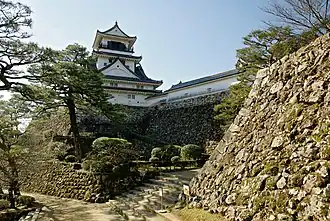
- Kochi — The prefectural capital to the west, with its original castle and lively food markets.
- Katsurahama — A scenic Pacific beach near Kochi city with the Sakamoto Ryoma statue.
- Tokushima — The neighbouring prefecture's capital, reachable up the eastern coast.
- Niyodo River — A river west of Kochi famed for its striking "Niyodo blue" water.
- Cape Ashizuri — Shikoku's southwestern cape, the dramatic counterpart to Muroto.
Nearby in Kochi
More places to explore around Cape Muroto.
Portions adapted from Wikivoyage, CC BY-SA 4.0.

Contact Us
Get in touch with us.
Get in touch
Contact Us
Tell us where you'd like to go and how you like to travel. A real Tripcuro planner — not a bot — will craft an itinerary around you.
- Personalised, hassle-free planning end-to-end
- Transparent pricing, no hidden costs
- 24/7 support for complete peace of mind