
Tanegashima
Kagoshima, Japan
Why visit Tanegashima?
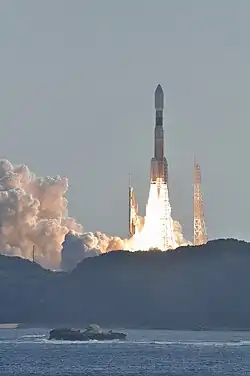
Tanegashima (種子島) is a long, narrow island in Kagoshima Prefecture, lying about 40 km south of Kyushu across the Ōsumi Strait. The island has two claims to fame that bookend Japan's engagement with the wider world. In 1543, Portuguese explorer Mendes Pinto and his crew were shipwrecked here, introducing firearms to Japan — for centuries afterward, matchlock muskets were simply called tanegashima. In the modern era, Tanegashima is home to JAXA's Tanegashima Space Center, Japan's primary spaceport, from which satellites and interplanetary probes are launched.
The island stretches roughly 57 km north to south but only 5–10 km across, with a population of around 30,000. It is divided into two municipalities: Nishi-no-omote in the north and Minamitane in the south. The landscape is gentle — rolling hills, rice paddies, pine forests, and long white-sand beaches. The pace of life is unhurried and the atmosphere distinctly rural.
Tanegashima has a subtropical climate. Winters are mild (rarely below 5°C); summers are warm and humid. The rainy season runs June–July, and typhoons can affect the island August–October. Spring (March–May) and autumn (October–November) are the most comfortable seasons for visiting. Surf conditions are best in autumn and winter.
Planning Tanegashima? Tell us your dates and we’ll tailor the trip.
Ask on WhatsAppHow do you get there?
By Plane
New Tanegashima Airport (TNE) is located in the central-eastern part of the island. Japan Air Commuter (JAC, a JAL subsidiary) operates five daily flights from Kagoshima (30 minutes) and one daily flight from Osaka-Itami (1 hour 20 minutes).
A taxi from the airport to Nishi-no-omote costs approximately ¥6,000 (30–40 minutes). Car rental is strongly recommended; agencies can deliver vehicles to the airport by arrangement.
By Car / Road
The Toppy and Rocket jetfoil ferries connect Kagoshima port to Nishi-no-omote (1 hour 35 minutes, from ¥7,100 one-way; 50% discount for children). Some services stop in Yakushima en route. The Princess Wakasa car ferry runs once daily (3.5 hours, ¥3,700 standard class; 50% discount for children under 12). Reservations should be made at least the day before, as boats can fill up. All services are cancelled in heavy seas (waves exceeding 3 metres).
Ferry timetables are published online (Japanese). Check the status page before departure — look for 通常 (normal service) or 条件付 (conditional, may cancel).
Tanegashima has limited public transport. A rental car is by far the best way to explore the island (¥4,000–7,000/day from local agencies in Nishi-no-omote). Taxis are available but few.
- Sun Marine Bus (さんまりんバス) — A community bus serving key points along the island's main road. Useful as a backup but infrequent.
- Nakatane community bus — Local service in the southern half of the island.
- Bicycle rental — Feasible for exploring around Nishi-no-omote or Minamitane, but the island is too long (57 km) to cycle end-to-end comfortably.
The main road (Route 58) runs the full length of the island and is well-paved. Driving from Nishi-no-omote to the Space Center area in Minamitane takes about 45 minutes.
What are the things to do?
Tanegashima Space Center (種子島宇宙センター) — JAXA's largest launch facility, located in Minamitane. The on-site Space Museum features free exhibits on Japan's space programme, rocket components, and interactive displays. Guided tours run three times daily (reservations required). Open 09:30–17:00 (until 17:30 in Jul–Aug); closed Mon–Tue after long weekends and Dec 29–Jan 1. Entry is free. The centre is closed to the public during launch days, but four designated observation points around the perimeter offer spectacular views.
Takezaki Beach and Observation Stand (竹崎海岸) — A long white-sand beach near the Space Center with a prominent viewing platform overlooking the launch complex. Excellent for launch-day viewing and snorkelling on the east side. Restrooms and changing area available. Free.
Chikura Caverns (千座の岩屋) — Dramatic sea caves carved into the coastal rock, accessible at low tide. The white sand beach here has picnic tables and food stands. Free.
Cape Kadokura (門倉岬) — The headland near the site where the first firearms arrived in Japan in 1543. A lookout shaped like an old ship and a small shrine stand near the cliff edge. Beautiful ocean views. Free parking and restrooms.
Ebinoe-tenbo Park (恵美之江展望公園) — A clifftop park in Minamitane with a near-perfect view of the Space Center's Launch Complex. Also excellent for stargazing and sunrise viewing. Open 24 hours. Free.
Surfing — Tanegashima is one of Japan's best surf destinations, with consistent swells and uncrowded breaks. The west coast (especially around Nishi-no-omote and Aoura) picks up the best waves. Autumn and winter offer the cleanest surf. Board rental and surf schools are available seasonally.
Rocket launch viewing — JAXA launches several rockets per year from Tanegashima. Check the JAXA launch schedule online and plan accordingly. Takezaki Beach, Ebinoe-tenbo Park, and Kadokura are popular viewing spots. Arrive early; roads fill up on launch days.
Beach swimming and snorkelling — The island's white-sand beaches (Takezaki, Aoura, Kukinaga) are uncrowded and clean. Best from May through October.
Tanegashima teppō (firearms) experience — Cultural workshops and museum exhibits in Nishi-no-omote exploring the island's connection to the introduction of firearms. Check with the tourist office for current offerings.
Cycling and scenic drives — The island's flat-to-gentle terrain and quiet roads make for pleasant cycling. The drive along Route 58 from north to south passes through rice paddies, pine forests, and coastal viewpoints.
Planning Tanegashima? Want these on a customised itinerary?
Ask on WhatsAppWhere to eat?
Tanegashima's food scene is modest but genuine, rooted in fresh seafood and island agriculture.
- Sashimi and seafood — Fresh-caught bonito, yellowtail, and reef fish are served at restaurants and izakaya in Nishi-no-omote and Minamitane. Sashimi platters from ¥800.
- Somen nagashi (流水素麺) — Running noodles in cold water, a fun island tradition available at some restaurants in summer. Around ¥600–800.
- Kurobuta pork — Kagoshima's famous Berkshire pork, available at local restaurants as tonkatsu or grilled. Set meals from ¥1,000.
- Island vegetables and tofu — Simple but flavourful home-style cooking at family-run eateries. Mains ¥600–1,200.
- Convenience stores — Lawson and FamilyMart in Nishi-no-omote provide basic supplies. Restaurant options are sparse outside the two main towns.
- Vegetarian options are very limited; rice, tofu, and vegetable sides are the fallback.
Where to drink?
- Sweet potato shōchū (imo-jōchū) — The Kagoshima standard, served at every izakaya. Try it oyu-wari (hot water) or mizu-wari (cold water).
- Island cafés — A handful of small cafés in Nishi-no-omote serve coffee and local fruit juices.
- Tap water is safe on the island. Carry water when exploring remote beaches or the southern cape area.
Planning Tanegashima? We’ll book the stays and dining for you.
Ask on WhatsAppWhere to stay?
- Budget: Guesthouses and minshuku in Nishi-no-omote from ~¥3,500–5,000/night. Camping is possible at designated beach sites.
- Mid-range: Hotel Nishi-no-omote (basic but clean hotel, from ~¥6,000/night). Minshuku with meals from ~¥8,000.
- Upscale / heritage: Tanegashima is not known for luxury resorts. The closest to upscale are well-appointed minshuku and small hotels with sea views, from ~¥10,000–15,000 with meals. For a premium stay, consider combining with Yakushima.
What should you buy?
- Tanegashima kamenoko (亀の子たわし) — Traditional palm-fibre scrubbing brushes, a Tanegashima craft tradition. Available at shops in Nishi-no-omote (¥500–1,500).
- Local sweet potato shōchū — Kagoshima's signature spirit, distilled on the island from sweet potato. Bottles from ¥1,200.
- Space-related souvenirs — Rocket models, JAXA merchandise, and space-themed snacks at the Space Museum gift shop and local shops.
- Local produce — Rice, sweet potatoes, tropical fruit, and island vegetables at farmers' markets and road-side stands.
Where to go next?
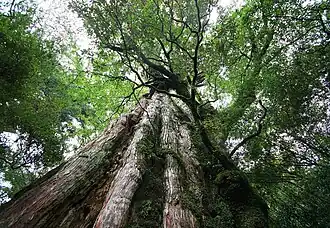
- Yakushima (jetfoil ferry 1–1.5 hours) — UNESCO-listed ancient cedar forests, dramatic mountain hiking, and a mystical atmosphere. The natural companion destination.
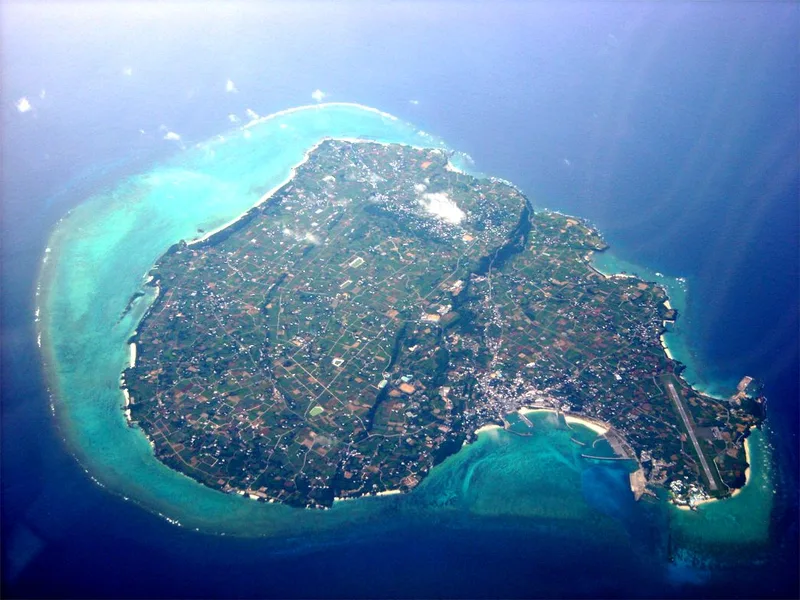
- Amami Oshima (ferry from Kagoshima, ~11 hours; or fly from Kagoshima) — Largest of the Amami Islands, with mangroves, snorkelling, and UNESCO-listed forests.
- Kagoshima City (jetfoil ferry 1.5 hours) — Sakurajima volcano, Sengan-en garden, and the cultural heart of southern Kyushu.
- Ibusuki (from Kagoshima, 1 hour by train/bus) — Famous for its natural sand-steam baths on the coast.
Nearby in Kagoshima
More places to explore around Tanegashima.

Guide content as of June 2026. Portions adapted from Wikivoyage, CC BY-SA 4.0.

Contact Us
Get in touch with us.
Get in touch
Contact Us
Tell us where you'd like to go and how you like to travel. A real Tripcuro planner — not a bot — will craft an itinerary around you.
- Personalised, hassle-free planning end-to-end
- Transparent pricing, no hidden costs
- 24/7 support for complete peace of mind