
Kagoshima
Japan · Prefecture · 16 destinations with guides
Photography coming soonOverview
Kagoshima Prefecture occupies the southwestern tip of Kyushu, Japan's southernmost main island, stretching over 600 km from the Satsuma Peninsula to the subtropical Amami Islands and the volcanic Osumi archipelago. The prefecture is dominated by the presence of Sakurajima, one of Japan's most active volcanoes, which rises dramatically across Kagoshima Bay and regularly dusts the prefectural capital with fine ash — a reminder that this is a landscape shaped by fire and ocean. Kagoshima's geography is extraordinarily diverse: lush volcanic highlands, subtropical coastlines, ancient cedar forests on Yakushima, and coral-fringed beaches on Amami Oshima.
Historically, Kagoshima was the seat of the powerful Shimazu clan, who ruled the Satsuma domain for over seven centuries and played a pivotal role in Japan's modernization during the Meiji Restoration. The prefecture's most beloved historical figure is Saigo Takamori, the "last samurai," whose legacy permeates local culture and monuments. This deep sense of independence and martial pride — combined with influences from Ryukyuan culture, trade with Southeast Asia, and the subtropical climate — gives Kagoshima a character distinctly different from the rest of Japan.
The prefecture is vast, and travel between its regions requires planning. The main island of Kyushu is connected by the Kyushu Shinkansen and an extensive local rail network, while the southern islands are reached by ferry and domestic flights. Kagoshima rewards those who venture beyond the capital — from the mist-shrouded cedar forests of Yakushima to the coral reefs of Amami, the sand baths of Ibusuki to the samurai heritage of Chiran, there is a remarkable depth of experiences packed into Japan's southern frontier.
When to Visit
Spring (March to May) is one of the best seasons, with warm temperatures, cherry blossoms in late March, and the spectacular display of 8,000 azaleas at Iso Gardens. Summer (June–August) is hot and humid, with a rainy season (tsuyu) that typically ends in mid-July. The subtropical Amami Islands are at their warmest, and beaches are at their best, but typhoon risk increases from August through October.
Autumn (October–November) brings cooler, comfortable weather and is ideal for hiking Yakushima's mountain trails or exploring the countryside. Winter (December–February) is the mildest season in mainland Kagoshima, with temperatures rarely dropping below freezing — the subtropical Amami Islands remain warm year-round. The volcanic hot springs are especially appealing in cooler months. The Kagoshima Ohara Festival (November 2–3) and various autumn harvest festivals add cultural richness to a fall visit.
Tell us your dates and we'll shape a Kagoshima route around them.
WhatsAppGetting Around
The Kyushu Shinkansen connects Kagoshima-Chuo Station northward to Kumamoto (approximately 40 minutes) and Hakata/Fukuoka Station (approximately 80 minutes, ¥11,420). Sakura and Mizuho services extend eastward to Hiroshima (2 hours 40 minutes), Okayama (3 hours 20 minutes), and Osaka (4 hours 10 minutes). Kagoshima-Chuo is the southernmost bullet train terminus in Japan. Note that Kagoshima has two central stations: the older Kagoshima Station and the much larger Kagoshima-Chuo Station — most travelers will use the latter.
Within Kagoshima city, streetcars are the most convenient local transport. Two lines serve the city center at a flat fare of ¥170 per ride, payable in cash or with the local RapiCa IC card (Welcome Suica and JR SUGOCA cards do not work here). The Sakurajima ferry operates frequently and around the clock (15 minutes, ¥250 one-way). For longer distances within the prefecture, the JR Ibusuki-Makurazaki Line runs south along the Satsuma Peninsula, while the Nippo Main Line connects northward toward Miyazaki Prefecture.
For the southern islands, ferries depart Kagoshima Port for Yakushima (4 hours by ferry or 2–3 hours by Toppy/Rocket hydrofoil, approximately ¥9,000), Tanegashima (less than 2 hours by hydrofoil, approximately ¥7,700), Amami Oshima (overnight ferry, approximately 11 hours), and the Tokara Islands (approximately 7 hours, ¥6,000, two weekly sailings). Kagoshima Airport (KOJ IATA), located in Kirishima about 1 hour by bus from Kagoshima city center (¥1,500), serves domestic routes to Tokyo, Osaka, Okinawa, and the southern islands, with limited international flights.
Top Destinations
- Kagoshima — The prefectural capital, a vibrant city watched over by the smoking cone of Sakurajima, rich in Meiji-era history and Satsuma heritage
- Ibusuki — A coastal resort town famous for its unique sand baths (sunamushi) where visitors are buried in naturally heated volcanic sand
- Kirishima — A mountainous highland area with volcanic peaks, hot spring resorts, and the mythologically significant Kirishima Shrine complex
- Yakushima — A UNESCO World Heritage island with ancient cedar forests dating back thousands of years, the inspiration for Studio Ghibli's Princess Mononoke
- Amami — A subtropical island group with pristine beaches, mangrove forests, and a unique ecosystem recognized as a UNESCO Natural Heritage Site
- Tanegashima — Japan's largest rocket launch site and the island where firearms were first introduced to Japan by Portuguese traders in 1543
- Minamikyushu — A southern Kyushu city encompassing the historic Chiran area
- Chiran — A beautifully preserved samurai district with Edo-period gardens and the sobering Chiran Peace Museum dedicated to kamikaze pilots
- Makurazaki — Japan's top producer of katsuobushi (dried bonito), a fishing town with deep connections to the bonito industry
- Kanoya — A military city known for the Kanoya Air Base Museum and its role in Japanese naval aviation history
- Satsumasendai — A former castle town with access to the volcanic Satsuma Peninsula and traditional ceramics workshops
- Yoronjima — A small island at the gateway to Okinawa with stunning beaches and the optical illusion "Underwater Torii"
- Yakushima National Park — Encompassing the mountainous interior of Yakushima with peaks exceeding 1,900 meters and Japan's highest rainfall
- Amami Gunto National Park — A subtropical paradise spanning Amami Oshima and surrounding islands with coral reefs, mangroves, and endemic wildlife
- Kirishima-Kinkowan National Park — Volcanic highlands and Kagoshima Bay, with hiking trails through active geothermal landscapes
- Amami Oshima — The largest of the Amami Islands, known for its pristine forests, rare wildlife (including the Amami rabbit), and traditional Oshima-tsumugi silk weaving
Want the scenic legs and stays booked for you? Just ask.
WhatsAppCuisine
Kagoshima's cuisine reflects its subtropical location and rich agricultural heritage. Kurobuta (black pork), from Berkshire pigs raised locally since the Edo period, is the prefecture's most celebrated ingredient — succulent and deeply flavorful, it appears in tonkatsu (breaded cutlet), shabu-shabu, and grilled dishes throughout the prefecture. Satsuma-age (fried fish cake) is a ubiquitous local snack, lighter and more flavorful than its counterparts elsewhere in Japan.
Kibinago (silver-stripe round herring) is a Kagoshima specialty served as sashimi arranged in beautiful rosette patterns. Torisashi (raw chicken sashimi) is a daring local custom — thinly sliced fresh chicken breast served rare — that requires the highest standards of freshness and hygiene. For seafood lovers, Makurazaki's katsuobushi (dried bonito) is considered Japan's finest, and the shaved flakes are a foundational ingredient in local cooking.
Sweet potatoes (satsuma-imo) are a staple crop and appear everywhere — in shochu (the distilled spirit that Kagoshima produces more than any other prefecture), in sweets, and in traditional snacks. Okinawan-influenced dishes appear on the Amami Islands, while Yakushima is known for flying fish (tobiuo) preparations and tankan citrus.
Culture & Festivals
The Kagoshima Ohara Festival (November 2–3) is the prefecture's signature celebration — tens of thousands of dancers in colorful costumes parade through the streets performing the Ohara dance, a joyful, rhythmic celebration with roots in the Meiji era. The festival has become one of Kyushu's largest and most exuberant events.
The Shimazu clan's legacy pervades Kagoshima culture. Chiran's preserved samurai district, with its walled gardens and stone-paved lanes, offers one of the best glimpses into feudal-era Japan. The Satsuma domain was known for its distinctive pottery (Satsuma-yaki), and ceramic workshops still operate across the prefecture. Oshima-tsumugi, the luxurious hand-woven silk produced on Amami Oshima, is one of Japan's most prized textile traditions with a history stretching back 1,300 years.
Shochu is more than a drink in Kagoshima — it is a cultural institution. The prefecture produces the majority of Japan's barley, sweet potato, and rice shochu, with hundreds of distilleries open for tours and tastings. The local tradition of drinking shochu with hot water (oyuwari) is considered the most authentic way to appreciate its complex flavors.
Travelling during a festival? We'll plan around the crowds.
WhatsAppNotable Experiences
- Sakurajima volcano encounter — Take the 15-minute ferry from Kagoshima Port to the active volcanic island, visit the Visitor Center and Sabo Center, and hike or bus to the Yunohira Observatory for close-up views of the smoking crater and panoramic bay views
- Yakushima's ancient cedar forests — Multi-day trekking through the primeval forests of Jomon Sugi (a cedar estimated to be 2,000–7,000 years old) on trails that inspired the landscapes of Hayao Miyazaki's Princess Mononoke
- Ibusuki sand bath experience — Lie buried in naturally heated volcanic sand on the beach at Ibusuki, a therapeutic tradition unique to this part of Kagoshima, then rinse off in the ocean or a traditional onsen
- Chiran samurai district and peace museum — Walk the preserved Edo-period samurai gardens of Chiran, then visit the Chiran Peace Museum for Kamikaze Pilots, a deeply moving memorial set amid the former airfield from which young pilots departed on their final missions
- Shochu distillery pilgrimage — Tour Kagoshima's hundreds of shochu distilleries, sampling sweet potato (imo), barley (mugi), and rice (kome) varieties, with many offering free tastings and insight into traditional production methods
Top Destinations
Every destination in Kagoshima with a guide — tap a place for the full guide.

Amami Oshima
Amami Oshima (奄美大島), literally "Big Amami Island", is the largest of…
Chiran
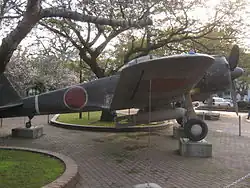
Chiran (知覧) is a small town in southern Kagoshima Prefecture, now adm…
Kagoshima
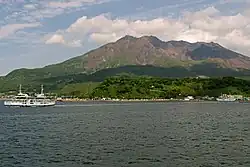
Kagoshima (鹿児島) is the capital of Kagoshima Prefecture, at the southe…
Kirishima
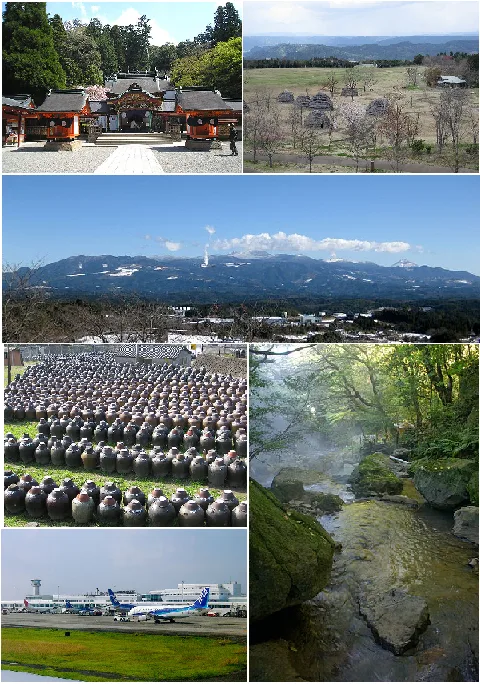
Kirishima (霧島) is a city in northern Kagoshima Prefecture, nestled at…
Tanegashima
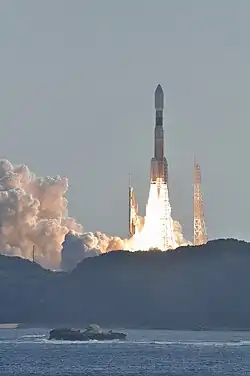
Tanegashima (種子島) is a long, narrow island in Kagoshima Prefecture, l…
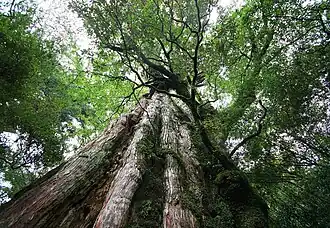
Yakushima
Yakushima (屋久島) is a near-round granite island off the southeast coas…
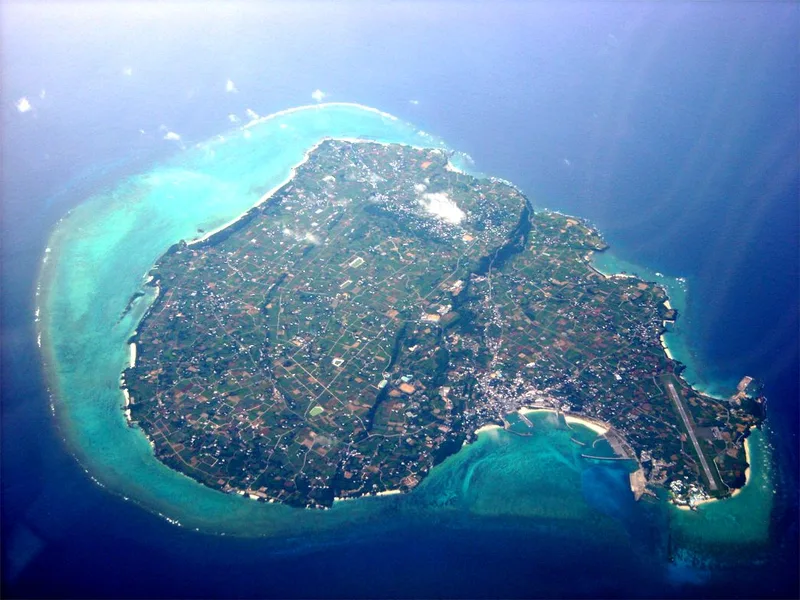
Yoronjima
Yoronjima is a small, picturesque island located at the southern tip…
Amami
Amami (奄美) is a city on Amami Oshima Island, the largest island in th…
Amami Gunto National Park
Amami Gunto National Park (奄美群島国立公園) was established in 2017 to prote…
Ibusuki
Ibusuki (指宿) is a city on the Satsuma Peninsula in southern Kagoshima…
Kanoya
Kanoya (鹿屋) is a city in eastern Kagoshima Prefecture, located on the…
Kirishima-Kinkowan National Park
Kirishima-Kinkowan National Park (霧島錦江湾国立公園) spans Kagoshima and Miya…
Makurazaki
Makurazaki (枕崎) is a fishing port city at the southern tip of the Sat…
Minamikyushu
Minamikyushu (南九州市) is a city in southern Kagoshima Prefecture, forme…
Satsumasendai
Satsumasendai (薩摩川内) is a city in northwestern Kagoshima Prefecture,…
Yakushima National Park
Yakushima National Park (屋久島国立公園) encompasses Yakushima Island, a UNE…
Pair the highlights of Kagoshima into one easy trip — we'll plan the route.
WhatsApp
Contact Us
Get in touch with us.
Get in touch
Contact Us
Tell us where you'd like to go and how you like to travel. A real Tripcuro planner — not a bot — will craft an itinerary around you.
- Personalised, hassle-free planning end-to-end
- Transparent pricing, no hidden costs
- 24/7 support for complete peace of mind