Indonesia
South-eastern Asia · 270 destinations across 7 regions
Photography coming soonWhy visit?
Indonesia is the world's largest archipelago — more than 17,000 islands strung across the Equator between the Indian and Pacific oceans, nicknamed the "Emerald of the Equator" for its rainforests, terraced rice fields and reef-fringed coasts. With over 275 million people, 900-plus tribes and languages, and an extraordinary spread of cultures from Hindu Bali to Muslim Aceh to animist Papua, it offers more diversity than most travellers can absorb in a lifetime.
Most visitors arrive with Bali in mind, and its blend of temple culture, beaches and highland villages deserves the fame. But the country rewards those who venture further: the temples of Java, the Komodo dragons of Nusa Tenggara, world-class diving at Bunaken and Raja Ampat, the volcanic drama of Bromo, and the cliff-top funeral rites of Tana Toraja. It suits beach lovers, divers, trekkers, surfers, culture seekers and budget backpackers alike.
It is not, however, a country to rush. Distances are vast (Aceh to Papua spans 5,000 km), infrastructure outside Java and Bali is patchy, and a meaningful trip means committing to one or two regions rather than trying to see everything. Travellers who slow down, fly between island clusters and accept a flexible pace are the ones who fall in love with the place.
What is the landscape and climate like?
Indonesia straddles the western rim of the Pacific "Ring of Fire" and has more than 400 volcanoes, around 130 of them active. The land divides into several broad regions: Sumatra (rugged, jungle-clad, home to Lake Toba); Java (the densely populated heartland, holding nearly half the national population); Bali and Nusa Tenggara (the Lesser Sunda chain east to Komodo and Flores); Kalimantan (the Indonesian two-thirds of Borneo, rivers and orangutans); Sulawesi (the orchid-shaped island of Toraja culture and Bunaken reefs); Maluku (the historic Spice Islands); and Papua (the wild western half of New Guinea).
The climate is tropical and hot year-round, generally 26–32°C at sea level, cooler in the highlands of Java, Bali and Papua. There are two seasons rather than four. The dry season runs roughly April–October and the wet (monsoon) season November–March, when afternoon downpours are common. Timing varies by region — parts of Maluku and Sulawesi reverse the pattern, with their driest months falling around the time Java is wettest. Humidity stays high throughout.
Tell us your dates and we'll tailor your Indonesia trip around them.
WhatsAppWhen is the best time to visit?
The dry season (May–September) is the best all-round window for Java, Bali, Lombok and Nusa Tenggara — reliable weather for trekking volcanoes, diving and beach time, though July–August are peak (and pricier). April–June and September–October are excellent shoulder months with thinner crowds and lower prices.
For diving, Raja Ampat (Papua) is best October–April, while Bunaken in North Sulawesi is good most of the year. Komodo National Park is most comfortable April–November. The wet season (December–March) still works for cultural travel in Java, just expect afternoon rain.
Festivals worth planning around include Nyepi (Bali's Day of Silence, March, when the whole island shuts down — airports included), Idul Fitri / Lebaran (end of Ramadan, when domestic travel and transport are chaotic and expensive), Galungan in Bali, and the Toraja funeral season (peak July–September) in highland Sulawesi.
Do you need a visa?
Citizens of fellow ASEAN nations generally enter visa-free for short stays. Most other tourists — including those from the EU, UK, US, Australia, Canada and many others — can obtain a Visa on Arrival (VOA) valid for 30 days, extendable once for a further 30, currently around IDR 500,000 (about USD 33). The VOA is also available as an e-VOA purchased online before departure, which speeds up airport processing.
Entry requires a passport valid at least six months beyond arrival, proof of onward or return travel, and the VOA is payable in rupiah or by card at major airports. A separate tourism levy (around IDR 150,000) applies specifically to foreign arrivals in Bali, payable online or on arrival. Visa rules change frequently — verify the current requirements with an Indonesian embassy or the official immigration portal before you travel.
Want us to time your trip around a festival? We'll handle it.
WhatsAppHow much does it cost?
The currency is the Indonesian rupiah (IDR). Notes run to 100,000, and prices carry many zeros, so amounts in the millions are routine. As a rough guide, budget travellers can manage on IDR 400,000–700,000 per day (USD 25–45) with guesthouse rooms, warung meals and public transport; mid-range travel runs IDR 900,000–2,000,000 (USD 60–130) with comfortable hotels, drivers and tours; luxury in Bali villas and resorts starts around IDR 3,000,000+ (USD 200+) per day.
A simple warung meal costs IDR 20,000–40,000 (USD 1.50–2.50); a mid-range restaurant dish IDR 60,000–120,000; a large Bintang beer IDR 30,000–50,000. ATMs are widespread in cities and tourist areas but scarce on remote islands — carry cash when leaving the beaten track. Cards are accepted at hotels and upscale restaurants; QRIS mobile payment is increasingly common. Tipping is not obligatory but appreciated: rounding up taxi fares, IDR 10,000–20,000 for porters or guides, and 5–10% in restaurants without a service charge.
How do you get there?
The two main international gateways handle most foreign arrivals. Soekarno-Hatta International Airport (CGK) serves Jakarta and is the country's largest hub, with the widest range of long-haul connections. Ngurah Rai International Airport (DPS) in Bali is the leading tourist gateway, with extensive flights from Australia, East Asia and the Middle East. Other useful international airports include Juanda (SUB) in Surabaya, Kualanamu (KNO) near Medan, and Yogyakarta (YIA).
A significant number of visitors also arrive by sea ferry from Singapore and Malaysia to Batam and Bintan in the Riau Islands, a fast and inexpensive crossing. Land borders exist with Malaysia (Kalimantan/Sarawak crossings such as Entikong), Papua New Guinea (the Jayapura–Vanimo crossing), and Timor-Leste (the Mota'ain crossing in West Timor) — useful for overland travellers, though confirm which posts issue visas.
We handle the bookings and budgeting — you just travel.
WhatsAppHow do you get around?
Given the distances, domestic flights are the practical way to cover ground. Garuda Indonesia is the full-service flag carrier; Lion Air, Batik Air, Citilink and Super Air Jet provide a dense low-cost network linking every major city — fares between island clusters are often very cheap if booked ahead.
Trains are excellent only on Java, where a modern network connects Jakarta, Bandung, Yogyakarta, Solo and Surabaya in comfort (executive class is well worth it); a separate line runs in southern Sumatra. Intercity buses reach almost everywhere but vary wildly in quality and comfort. Within cities, ride-hailing apps Gojek and Grab are ubiquitous, cheap and the easiest way to avoid fare disputes — they offer cars and motorbike taxis (ojek). For inter-island hops, ferries (including the state operator Pelni and fast boats from Bali to the Gilis and Lombok) fill the gaps.
Common scams: unmetered "airport taxis" quoting inflated fares (use the app or a Bluebird-branded metered taxi), money-changers in Bali shorting counts (use reputable offices), and rental-scooter operators inventing damage charges (photograph the bike before renting). An International Driving Permit is legally required to ride a scooter.
What are the local customs?
Indonesians are warm and easy-going, and a little courtesy goes a long way. A common greeting is a soft handshake followed by touching the hand to the chest; "Selamat pagi" (good morning) and "terima kasih" (thank you) are always welcome. The country is the world's most populous Muslim nation, though Bali is Hindu and other regions are Christian or animist — respect varies by place but modesty is the safe default.
When visiting mosques, temples and other religious sites, cover shoulders and knees; many Balinese temples require a sarong and sash, usually provided or rented at the entrance, and menstruating women are traditionally asked not to enter. Use the right hand for giving, receiving and eating; avoid pointing with the index finger or touching anyone's head. Public displays of affection and losing your temper are both frowned upon. Photography is generally fine, but ask before photographing people, ceremonies or funerals — especially in Toraja and Papua. Remove shoes before entering homes and many guesthouses, and dress modestly away from beach resorts.
Prefer to talk it through? We're a WhatsApp message away.
WhatsAppIs it safe?
Indonesia is generally safe for travellers, with violent crime against tourists uncommon. The everyday risks are petty theft (bag-snatching, pickpocketing in crowded areas), scooter accidents — by far the most common cause of injury — and scams around taxis, money-changing and rentals. Drug offences carry extremely severe penalties, including the death penalty; do not take any risks.
Natural hazards are the real concern: Indonesia sits on the Ring of Fire, so earthquakes, volcanic eruptions and tsunamis are genuine risks — heed evacuation signs in coastal areas and check volcano-alert status before climbing. Strong rip currents make some beaches dangerous; observe flags and local advice. A few regions, notably parts of Papua, have ongoing political tension and travel restrictions — check current advisories. For health, consult a travel clinic about routine vaccinations plus hepatitis A and typhoid; malaria and dengue occur outside Bali and Java, so use repellent and mosquito nets. Do not drink tap water — stick to bottled or properly treated water and be cautious with ice and raw food outside reputable establishments.
Which regions stand out?
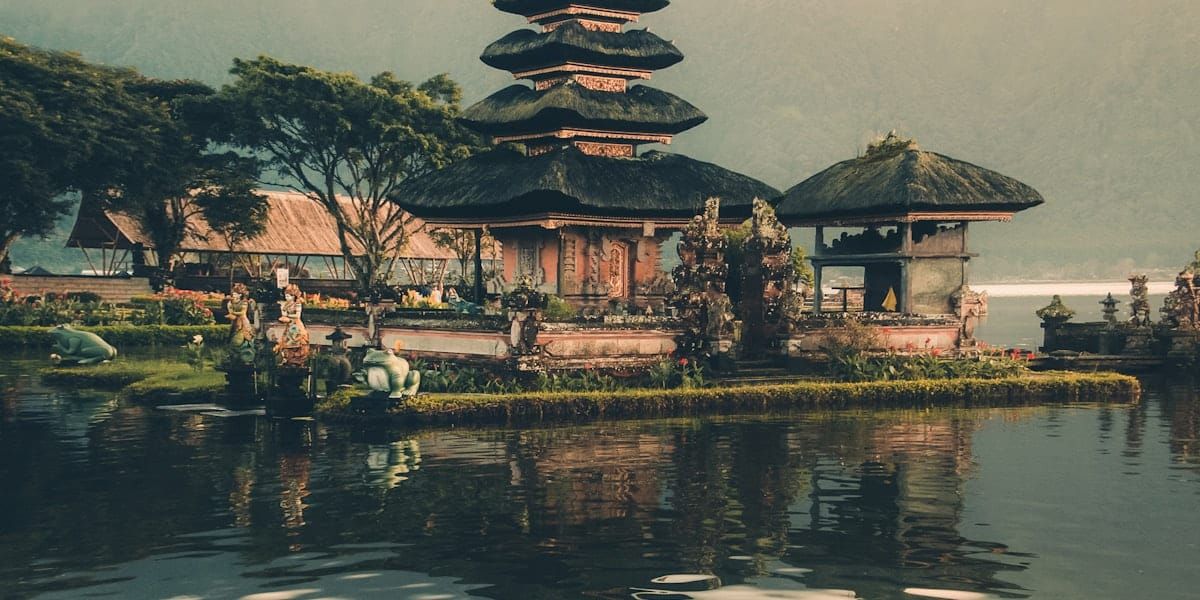
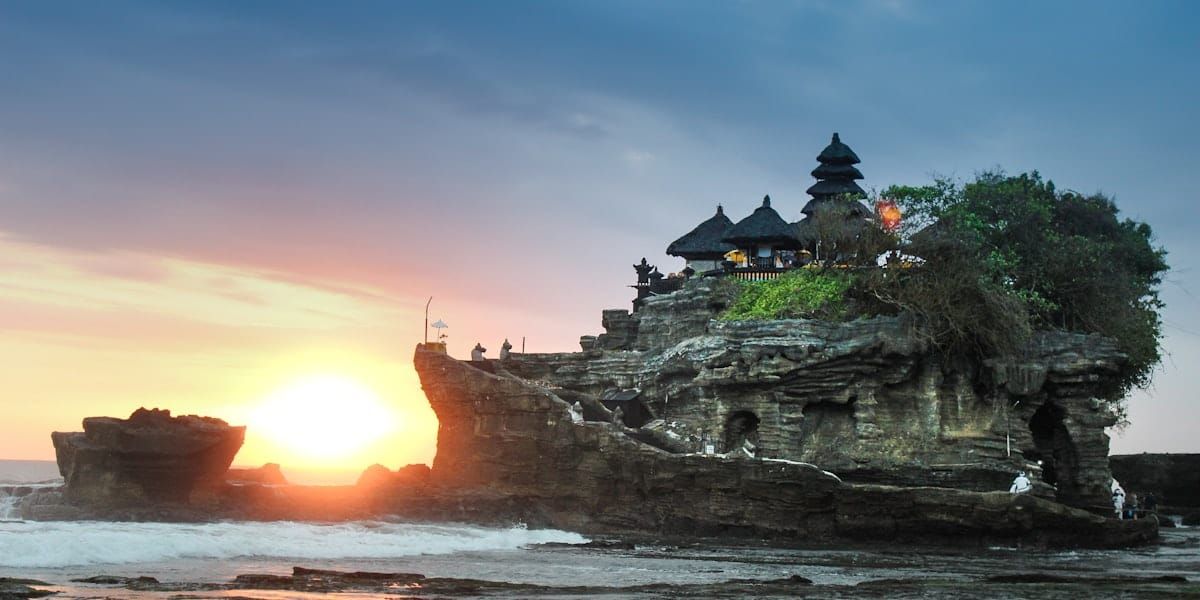
- Bali — Indonesia's tourism heartland, blending Hindu temple culture, surf beaches, rice-terrace highlands and a deep ecosystem of resorts, restaurants and wellness retreats.
- Java — the populous heartland, home to Jakarta, Yogyakarta's court culture, the temples of Borobudur and Prambanan, and the volcanic drama of Bromo and Ijen.
- Sumatra — wild and rugged, with jungle trekking to see orangutans at Bukit Lawang, the vast caldera Lake Toba, and surf-rich offshore islands.
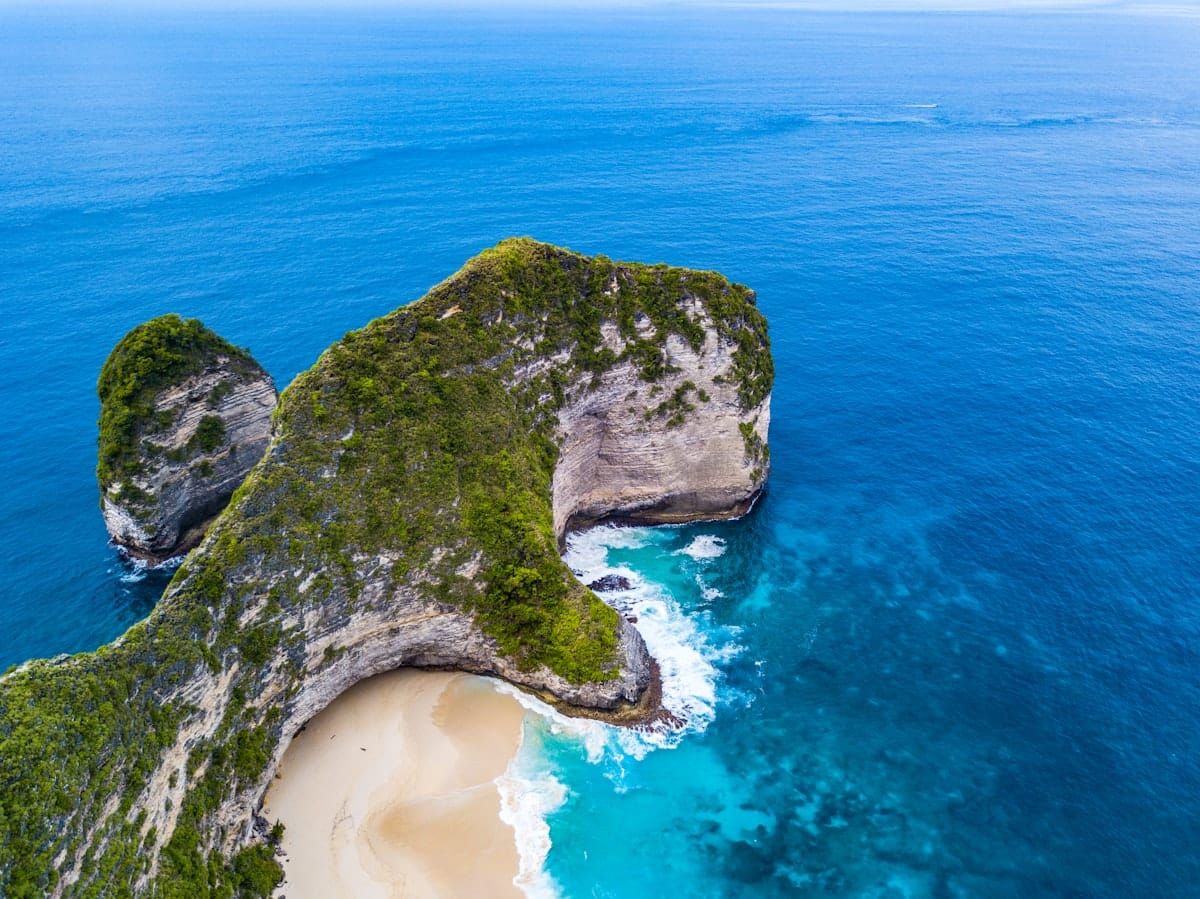
- Nusa Tenggara — the Lesser Sunda chain east of Bali, holding Lombok, the Gili Islands, Komodo National Park and the multi-coloured crater lakes of Flores.
- Sulawesi — the orchid-shaped island famed for the funeral culture of Tana Toraja and the superb diving of Bunaken in the north.
- Kalimantan — Indonesian Borneo, an explorer's region of mighty rivers, Dayak culture and orangutan reserves such as Tanjung Puting.
- Maluku — the historic Spice Islands, seldom visited but rewarding for marine tourism around Ambon and the Banda Islands.
- Papua — remote and pristine, offering the trekking of the Baliem Valley and the world-renowned reefs of Raja Ampat.
Tell us your dates and we'll tailor your Indonesia trip around them.
WhatsAppWhere should you go?
- Bali — temples, beaches, rice terraces and Ubud's arts scene make this the country's most complete and popular destination.
- Jakarta — the sprawling, congested capital, with the old Dutch town of Kota Tua, world-class museums and the country's best dining and nightlife.
- Yogyakarta — central Java's cultural soul, with a living sultanate, batik workshops and access to Borobudur and Prambanan.
- Borobudur — the world's largest Buddhist temple, a 9th-century stone mandala best seen at sunrise.
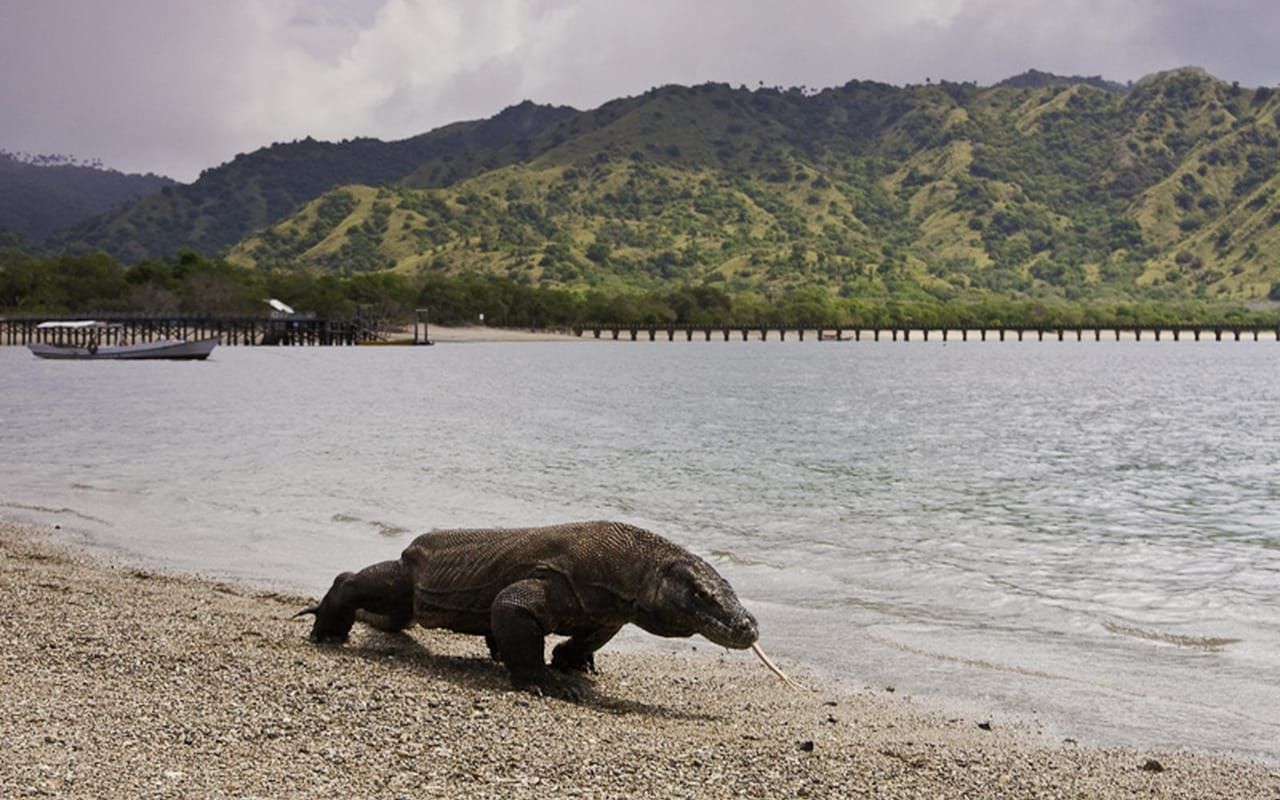
- Komodo National Park — home of the Komodo dragon and a spectacular marine ecosystem of reefs and manta rays.
- Bromo-Tengger-Semeru National Park — otherworldly volcanic scenery and one of the planet's great sunrise viewpoints.
- Lake Toba — the largest volcanic lake in the world, set in the highland homeland of the Batak people.
- Lombok & the Gili Islands — Bali's quieter neighbour, with the mighty Mount Rinjani and three laid-back car-free islets.
- Raja Ampat — a remote Papuan archipelago regarded as one of the richest reef systems on Earth.
- Tana Toraja — highland Sulawesi famed for its dramatic cliff-side graves and elaborate funeral ceremonies.
- Bandung — a cooler highland city in Java known for factory outlets, café culture and surrounding tea plantations and volcanoes.
- Bukittinggi — the scenic hill town at the heart of Minangkabau culture in West Sumatra.
Regions & States
Indonesia has 7 regions with guides — pick one to drill into its destinations.
Not sure where to start in Indonesia? Tell us how you like to travel and we'll shape the route.
WhatsAppTop Destinations
The places first-time and returning travellers ask for most.
Agats
Agats is a town / city in South Papua, part of eastern Indonesia's…
Ambon
Ambon is a city / urban centre in Ambon, part of eastern Indonesia's…
Amed
Amed is a beach / coastal destination in Bali, part of eastern…
Ampana
Ampana is the capital of Tojo Una-Una Regency in Central Sulawesi…
Amuntai
Amuntai is the capital of the North Hulu Sungai Regency in South…
Anyer
Anyer is a beach town on the west coast of Java in Banten province…
Apo Kayan
The Apo Kayan is a remote highland plateau in northeastern East…
Aru Islands
Aru Islands is a island in Aru, part of eastern Indonesia's rich…
Asmat
Asmat is a region in South Papua, part of eastern Indonesia's rich…
Atambua
Atambua is a town / city in West Timor, part of eastern Indonesia's…
Bagansiapiapi
Bagansiapiapi is a coastal town in Riau province, on the east coast…
Bajawa
Bajawa is a town / city in Flores, part of eastern Indonesia's rich…

Contact Us
Get in touch with us.
Get in touch
Contact Us
Tell us where you'd like to go and how you like to travel. A real Tripcuro planner — not a bot — will craft an itinerary around you.
- Personalised, hassle-free planning end-to-end
- Transparent pricing, no hidden costs
- 24/7 support for complete peace of mind