
Mapusa
Goa, India
Why visit Mapusa?
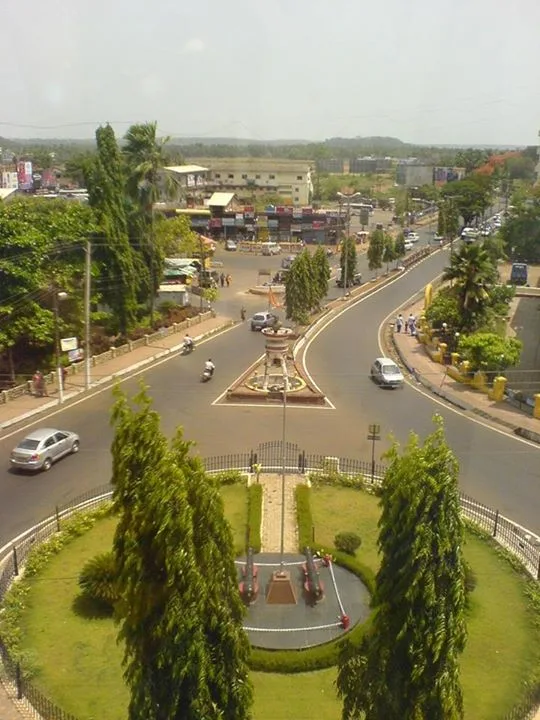
Mapusa is a busy market town in the Bardez taluka of North Goa, and the main commercial centre of the northern half of the state outside Panaji. It is, first and foremost, a town for locals — a place where Goans come to shop, do their banking and run errands rather than a polished tourist set-piece. That working-town character is exactly its appeal: Mapusa shows you a Goa that exists independently of the beaches.
The town's signature event is the colourful weekly Friday Market, which runs from early morning to late evening and draws traders and shoppers from across North Goa. On Fridays the streets around the municipal market overflow with produce, spices, sweets, bread, plants, jewellery and household goods, and the usually unremarkable centre becomes one of the most rewarding markets in Goa. Mapusa is also known for its educational institutions and for a small number of low-key churches and temples that rarely make tourist itineraries.
Mapusa is compact, built around a hillock at its northern edge, with the market and bus stand at its core. Climate is the standard Goan pattern: November to February is dry, warm and the best time to visit; March to May is hot and humid; the June–September monsoon brings heavy rain and a greener, quieter town. The market runs year-round, but a sunny dry-season Friday shows it at its liveliest.
Planning Mapusa? Tell us your dates and we’ll tailor the trip.
Ask on WhatsAppHow do you get there?
By Plane
The nearest airport is Manohar Parrikar International Airport (GOX IATA, the Mopa airport in North Goa), which is the more convenient of the two for Mapusa; the older Dabolim Airport (GOI IATA) lies further south. Prepaid taxis and app-based cabs serve both; allow time for traffic. Fix taxi fares at the prepaid counter to avoid haggling.
By Train
Mapusa has no railway station of its own. The nearest convenient stations are Thivim (station code THVM) on the Konkan Railway, a short drive north, and Karmali, near Old Goa. The main railhead for Goa remains Madgaon Junction (Margao) in the south, where almost all trains halt; from any of these, taxis and buses connect to Mapusa.
By Car / Road
Mapusa sits on NH-66, the main coastal highway, which makes it well connected by road; Panaji is roughly 13 km south, about a 30-minute drive. The town is a major bus hub: state-run Kadamba and private buses link it frequently with Panaji and the North Goa beach belt (Calangute, Baga, Anjuna, Vagator and beyond). Be aware that buses, while cheap, can be very crowded and — from smaller villages — infrequent. Each evening the bus stand fills with travellers, many of them foreign tourists, catching long-distance buses out of Goa to Mumbai and Pune.
Mapusa is small and easily covered on foot — the market, bus stand and main shops are all within a short walk, and on a Friday walking is far faster than driving. Motorcycle taxis (locally called "pilots") are the handiest way to reach outlying addresses, and riders will often help you find the exact spot you're after; agree the fare before setting off. Ordinary taxis and app-based cabs are available for longer trips to the beaches or Panaji. Self-drive scooters can be rented; carry a licence and helmet. Traffic and parking around the market get tight on Friday mornings.
What are the things to do?
Friday Market — the reason most visitors come: a sprawling weekly market around the municipal market building, busiest in the morning, selling produce, spices, sweets, traditional Goan bread, plants, textiles and trinkets. Free to wander.
Our Lady of Miracles Church — Mapusa's notable church, locally famous for its feast (held shortly after Easter), traditionally drawing both Catholic and Hindu devotees in a long-standing example of communal harmony.
Maruti Temple — a Hindu temple set on the hillock at the northern edge of town, with views over Mapusa.
Other India Bookstore — a well-known alternative bookshop stocking off-the-beaten-track titles on India, environment and society; a destination in its own right for many visitors.
Mapusa fish market — a vivid section of the market where locals buy the day's catch; busy, pungent and a genuine slice of Goan life.
Visit the Friday Market — the essential Mapusa experience; go early, browse the spice, sweet, bread and plant sections, and buy a sapling to "keep Goa green".
Explore the fish market — squeeze in among local shoppers to see how Goans pick their fish.
Browse the Other India Bookstore — for unusual books you won't find in mainstream shops.
Visit the Athaide Municipal Library — a century-old town library.
Time a visit for a feast or the circus — the Our Lady of Miracles feast turns the town festive, and a travelling circus often pitches near Mapusa around Christmas.
Hunt the "sales" — Mapusa is full of shops running sales of inexpensive everyday goods; good for cheap finds and people-watching.
Planning Mapusa? Want these on a customised itinerary?
Ask on WhatsAppWhere to eat?
Mapusa is one of the best places in Goa to eat traditional Goan food cooked in both Catholic and Hindu styles, away from the tourist-shack menus of the coast. Look for fish curry rice, xacuti, cafreal, sorpotel and freshly baked Goan bread.
- Cafe Xavier, inside the market — a long-standing spot keeping traditional Goan cooking alive; inexpensive and authentic.
- Babaji's — a cold-drinks and snacks outlet that is a prominent draw for the younger crowd; cheap and casual.
- Goan-style fast food is sold around the Alankar Cinema area, best in the late evening, and at stalls within the market.
- Vegetarian and Hindu-style Goan thalis are easy to find around the market for those wanting meat-free meals.
Where to drink?
Like the rest of Goa, Mapusa has plenty of restaurants, bars and cold-drink houses. The roadside stalls near the Mapusa taxi stand are the local treat — traditional Goan cold drinks in bright green and red syrups, kokum coolers (refreshing and good for digestion), milkshakes and more. The Pub, on the first floor of a building across the street from the market (it has a large, hard-to-miss sign), is a relaxed, European-friendly spot overlooking the market. Feni, Goa's cashew or coconut spirit, and cold beer are widely available. Drink bottled or filtered water and be cautious with ice.
Planning Mapusa? We’ll book the stays and dining for you.
Ask on WhatsAppWhere to stay?
Most visitors treat Mapusa as a day trip and base themselves on the North Goa coast or in Panaji, but the town does have accommodation and is well placed for both the beaches and the capital.
- Budget: The Government Youth Hostel in Mapusa is very cheap and suited to student groups and backpackers on a tight budget. Small lodges around the bus stand and market offer basic rooms at modest rates.
- Mid-range: Several mid-range hotels operate in and around the town centre with comfortable air-conditioned rooms; expect roughly ₹2,500–4,500 depending on season.
- Upscale / heritage: Mapusa itself has limited upscale stock; for higher-end and heritage stays, the nearby beach belt around Anjuna, Vagator and Calangute (all within a short drive) offers far more choice.
What should you buy?
Mapusa is fundamentally a shopping town, and the Friday Market is the place to do it. Look for traditional Goan spices, typical Goan sweets from the many sweet shops dotting the market, traditional Goan bread sold in its own dedicated section, and seasonal produce. A line of gold and silver jewellery shops sits at the market entrance. The Other India Bookstore is the go-to for alternative and regional books. Bargaining is expected at market stalls — start lower and settle around the middle — while jewellery and established shops are largely fixed-price.
Where to go next?
- Anjuna (about 9 km west) — famous for its Wednesday flea market and cliffside cafes.
- Calangute and Baga (about 11 km southwest) — Goa's busiest beach belt for shacks, watersports and nightlife.
- Vagator and Chapora (about 11 km northwest) — dramatic clifftop beaches beneath the old Chapora Fort.
- Panaji (about 13 km south) — the state capital, with its Latin Quarter and riverfront.
- Old Goa (about 20 km south) — UNESCO-listed colonial churches and convents.
- Arambol (about 30 km north) — a laid-back northern beach popular with long-stay travellers.
Nearby in Goa
More places to explore around Mapusa.
Guide content as of May 2026. Portions adapted from Wikivoyage, CC BY-SA 4.0.

Contact Us
Get in touch with us.
Get in touch
Contact Us
Tell us where you'd like to go and how you like to travel. A real Tripcuro planner — not a bot — will craft an itinerary around you.
- Personalised, hassle-free planning end-to-end
- Transparent pricing, no hidden costs
- 24/7 support for complete peace of mind