
Shaoxing
Zhejiang Sheng, China
About Shaoxing
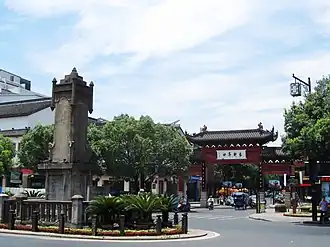
Shaoxing (ç»?å…´) is a quintessential Jiangnan water town in northern Zhejiang, sitting between Hangzhou and Ningbo on the southern shore of Hangzhou Bay. With more than 2,500 years of history dating to the State of Yue, it is one of the oldest continuously inhabited cities in China and one of the densest concentrations of literary, artistic, and culinary heritage in the country. This is the hometown of Lu Xun, the father of modern Chinese literature; the city where Wang Xizhi composed the Lantingji Xu, the most revered work in Chinese calligraphy; the birthplace of Yue Opera; and the source of huangjiu (yellow rice wine), the amber-coloured fermented rice wine drunk across China and used in nearly every regional kitchen.
Visually, Shaoxing is defined by black-tiled white-walled houses leaning over narrow canals, stone arch bridges, and wupeng (black-awning) boats poled by men in straw hats — the Jiangnan postcard, but lived-in and uncommercial compared with Wuzhen or Zhouzhuang. The historic core sits in Yuecheng District around Cangqiao Street, Lu Xun's Former Residence, and Shen Garden. Outer districts each have their own draw: Keqiao for the Lanting calligraphy pavilion and the world's largest textile market; Shangyu for ancient temples along the Cao'e River; Zhuji for freshwater pearls and Wuxie Waterfall; and Shengzhou for the cradle of Yue Opera.
Climate is humid subtropical. The sweet spot is October–November — the "Golden Autumn," mild, clear, and aligned with the Shaoxing Yellow Wine Festival. March–May is also excellent, with blossoms and manageable rain. Avoid July–August if you can: temperatures push 34–35 °C with high humidity and the year's heaviest rainfall (June–July). Winters are cold and damp (lows around 2–4 °C) but rarely snowy. Book well ahead for the Wine Festival in October and around Chinese New Year.
Planning Shaoxing? Tell us your dates and we’ll tailor the trip.
Ask on WhatsAppHow to reach
By Plane
Shaoxing has no commercial airport of its own. The standard gateway is Hangzhou Xiaoshan International Airport (HGH), about 30 km west; airport shuttle buses run to Shaoxing several times daily (¥50–70, roughly 1 hour), and taxis or DiDi rides cost around ¥200–250. Ningbo Lishe International Airport (NGB), 120 km southeast, and Yiwu Airport (YIW), ~100 km southwest, are alternatives if connections suit you better — both are linked by intercity bus.
By Train
Shaoxing is on the busy Shanghai–Hangzhou–Ningbo high-speed corridor and reaching it by rail is faster and easier than flying.
- Shaoxing North Railway Station (�兴北站) — the main high-speed hub, ~10 km north of the old town. G-series trains from Shanghai Hongqiao take around 1 h 30 min; from Hangzhou East about 20 min; from Ningbo about 40 min.
- Shaoxing Railway Station (�兴站) — central (~5 km southeast of the historic core), handles a mix of high-speed and conventional services and is the most convenient for sightseeing.
- Shaoxing East (�兴东站) — high-speed stop about 15 km east of the centre.
- Shangyu, Shangyu South, and Zhuji stations serve their respective outer districts.
Book on the 12306 app or via Trip.com; foreign passports must be presented at the gate and ticket windows. English signage is adequate; English-speaking staff are rare.
By Car / Road
Shaoxing sits on the G92 Hangzhou Bay Ring Expressway and the G15W Changtai Expressway. Approximate drive times: Hangzhou ~1 hour (70 km), Ningbo ~1 h 30 min (110 km), Shanghai ~2 h 30 min – 3 h (220 km), Suzhou ~3 h. Roads are modern and well-signed, though Yangtze Delta traffic backs up badly on Friday evenings and Sunday afternoons. Long-distance buses arrive at Shaoxing Bus Station (ç»?兴客è¿?ä¸å¿ƒ) with frequent links to Hangzhou, Ningbo, Yiwu, and Shanghai South.
The historic centre is genuinely walkable — most of Yuecheng's headline sights are within a 2 km radius and the canalside lanes are made for wandering.
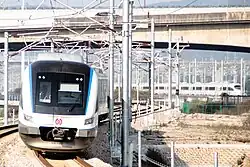
- Metro: Shaoxing Metro Line 1 connects Shaoxing North Railway Station with the city centre and continues toward Keqiao, where it interchanges with Hangzhou Metro Line 5 — making a Hangzhou day trip painless. Flat fares start at ¥2.
- Buses: extensive city network, ¥1–2 per ride; pay by Alipay/WeChat QR or the local transit card.
- Taxis & DiDi: flagfall around ¥10; cross-town rides ¥20–40. DiDi (滴滴) works through Alipay even without a Chinese phone number and is the easiest option for non-Mandarin speakers.
- Wupeng boats (乌篷船): the traditional black-awning canal boats are part transport, part experience. Short rides around Lu Xun's neighbourhood or East Lake run roughly ¥80–150 per boat depending on route.
- Bikes: Hellobike and Meituan shared bikes are everywhere; unlock via Alipay for around ¥1.50 per 30 minutes.
Scams are rare. The usual cautions apply: avoid unmetered taxis touting at stations, and confirm boat prices before stepping aboard.
Things to do
Historic Sites & Residences
- Lu Xun's Former Residence & Native Place (�迅故里) — the city's flagship attraction, a restored complex of the writer's childhood home, ancestral house, the Sanwei Study where he was schooled, and the Lu Xun Memorial Hall. Free entry with passport ID; open daily roughly 08:30–17:00. Lu Xun Middle Road, Yuecheng District.
- Shen Garden (沈å›) — small Song-dynasty garden bound up with the tragic love poems of Lu You and Tang Wan. Atmospheric in late afternoon; evening Yue Opera performances are staged in season. Around Â¥40 daytime, Â¥80 evening including show.
- Mausoleum of Yu the Great (大禹陵) — tomb-temple complex honouring the legendary flood-tamer Yu, set against Kuaiji Mountain. Combines ancient ritual halls with a steep climb to the tomb itself. Around ¥50.
- Cangqiao Historic Street (仓桥直街) — a UNESCO-recognised preserved canal street, the best place in the city for unhurried wandering. Free. Best in early morning or after dusk.
- Bazi Bridge (å…«å—æ¡¥) — a Song-era stone bridge, one of China's oldest still-functioning bridges, in a working residential quarter.
Gardens, Lakes & Landscapes
- East Lake (东湖) — a dramatic former quarry turned lake, with sheer cliffs and caves explored by wupeng boat. About 6 km east of the centre; entry ~¥50, boat ride extra.
- Lanting (Orchid Pavilion, å…°äº) — pilgrimage site for calligraphers, where Wang Xizhi wrote the Lantingji Xu in AD 353. Pavilions, a goose pond, and a stele garden. Around Â¥80; Keqiao District, ~12 km southwest of the centre.
- Jianhu Lake (鉴湖) — the historic "Mirror Lake" west of the city, source of the water used in Shaoxing yellow wine.
Outer Districts
Wuxie Waterfall (五泄), Zhuji — a chain of five cascades in a forested gorge, a half-day outing.
Yue Opera Town (越剧�镇), Shengzhou — the operatic heritage village with daily performances; ~70 km south.
China Textile City (ä¸å›½è½»çººåŸŽ), Keqiao — the world's largest textile market; more spectacle than sight, but staggering in scale.
Take a wupeng boat through the canals — the iconic Shaoxing experience. The best routes loop between Lu Xun's Former Residence, Bazi Bridge, and Cangqiao Street, or out to East Lake.
Visit a yellow wine cellar — the Shaoxing Huangjiu Museum (黄酒�物馆) on Xiamai Road covers brewing history with tastings; entry around ¥50. The October Shaoxing Yellow Wine Festival is the time to come if dates allow.
Catch a Yue Opera performance — the all-female regional opera form was born in nearby Shengzhou. Look for evening shows at Shen Garden, the Yue Opera Theatre, or in Shengzhou itself.
Calligraphy at Lanting — many visitors try a brush-and-rice-paper session at the pavilion; the 3 March Qushui Liushang festival re-enacts Wang Xizhi's wine-cup-floating gathering.
Day-trip to Hangzhou — West Lake is 25 minutes by high-speed train, an easy bolt-on.
Tea or pearl shopping in Zhuji — Zhuji is China's freshwater pearl capital; the Shanxiahu Pearl Market is the source for everyone else's retail.
Cycle the canal lanes at dawn — before the tour groups arrive, the old town is yours.
Planning Shaoxing? Want these on a customised itinerary?
Ask on WhatsAppFood & Dining
Shaoxing cuisine is a distinct branch of Zhejiang cooking, defined by fermentation, drying, and yellow wine. Flavours are saltier and more pungent than neighbouring Hangzhou — expect stinky tofu, drunken chicken, dried-vegetable braises, and river fish. Signature dishes:
- Drunken chicken / drunken shrimp (醉鸡 / 醉虾) — steeped in aged huangjiu.
- Stinky tofu (è‡è±†è…?) — fermented in amaranth brine, deep-fried, served with chilli sauce; the street smell precedes it.
- Meigan cai kourou (霉干�扣肉) — pork belly braised with preserved mustard greens, a Shaoxing classic.
- Huidiao chicken (花雕鸡) — chicken stewed in Hua Diao yellow wine.
- Anchang sausage (å®‰æ˜Œè…Šè‚ ) — wind-dried sweet sausage from Anchang ancient town, especially good in winter.
Recommendations across price tiers:
- Budget — Xianheng Hotel Restaurant (咸亨酒店), Lu Xun Middle Road: the literary-famous tavern from Lu Xun's Kong Yiji, doing fennel beans, drunken shrimp and warm yellow wine in pewter pots. Mains ¥30–60.
- Budget — Cangqiao Street food lanes: stinky tofu, sweet rice cakes, meigan cai pancakes, and noodle stalls; ¥10–30 a plate.
- Mid-range — Lao Shaoxing (��兴�馆): solid traditional Shaoxing menu with the full repertoire of huangjiu-cooked dishes; mains ¥40–90.
- Mid-range — Xianhenglou (咸亨楼): a more polished sit-down version of the Xianheng experience with private rooms; around ¥150 per head.
- Upscale — Restaurants at the Wansheng Jiuzhuang (万盛酒庄) and the dining rooms of heritage-style hotels around Shen Garden serve refined Shaoxing banquet cuisine paired with aged huangjiu flights; ¥300–500 per head.
Vegetarians do well — meigan cai dishes, fermented tofu, bamboo, and seasonal greens are everywhere, though pure-veg ordering requires Mandarin or a translation app. Halal options are limited; look for lanzhou lamian (兰州拉�) Hui Muslim noodle shops marked with green signage. Gluten-free is difficult given the centrality of soy sauce and wheat noodles.
Cafes & Nightlife
The drink of Shaoxing is huangjiu (黄酒) — amber rice wine, served warm in winter (often with a few slivers of ginger or sour plum) and at room temperature in summer. Quality grades climb from everyday Yuanhong (元红) through Jiafan (åŠ é¥) to Shanniang (å–„é…¿) and the prized Hua Diao (花雕), traditionally aged in earthenware jars buried at a daughter's birth and unsealed at her wedding ("Nü'er Hong," 女儿红).
- Xianheng Hotel for huangjiu with literary atmosphere.
- Huangjiu Town (黄酒�镇) in Dongpu — distillery visits, tastings, and canalside bars.
- Cangqiao Street teahouses — Longjing green tea (from Hangzhou next door) and local Pingshui Rizhu are served alongside huangjiu cocktails by younger operators.
- Café scene: the lanes around Shen Garden and Lu Xun Native Place have a growing crop of specialty coffee shops aimed at domestic tourists.
Tap water is not potable. Stick to bottled or boiled water; hotels provide kettles and sealed bottles as standard.
Planning Shaoxing? We’ll book the stays and dining for you.
Ask on WhatsAppPlaces to Stay
Budget
- Shaoxing Laotaimen Youth Hostel (�兴��门�年旅�) — dorms in a converted traditional courtyard house near Lu Xun Native Place. Dorm beds around ¥80–120; doubles ¥200–280.
- Hanting / Home Inn Plus, Lu Xun Middle Road branches — reliable budget chains within walking distance of Cangqiao Street, ¥220–320.
Mid-range
- Atour Hotel Shaoxing Lu Xun Native Place (亚朵酒店) — well-located design-led mid-market hotel near the main sights, ¥450–650.
- Ji Hotel Shaoxing Yuecheng (å…¨å£é…’店) — clean, modern Huazhu-group property a short walk from Shen Garden, Â¥350–500.
Upscale / Heritage
- Shaoxing Xianheng Hotel (咸亨大酒店) — long-running 5-star hotel themed around Lu Xun and Shaoxing wine culture, with classical gardens and serious in-house Shaoxing cuisine. Rooms from ¥700–1,100.
- Wyndham Grand Plaza Royale Shaoxing (�兴温德姆豪廷大酒店) — the most consistent international-standard option in the city, on the Huancheng canal. From ¥800–1,200.
- Lanting International Hotel (å…°äºå®‰éº“ / Ahn Luh Lanting) — a destination heritage resort near the Orchid Pavilion in Keqiao, set around restored Ming and Qing halls. From Â¥2,500.
What to buy
Shaoxing's signature buys are yellow rice wine (huangjiu) — look for Guyuelongshan (�越龙山) and Kuaijishan (会稽山) brands, with aged "Hua Diao" (花雕) variants the prized export — and blue calico cloth (��花布), a traditional resist-dyed textile sold by the metre in old-town shops. Stinky tofu vacuum-packed, fermented bean curd (furu), and dried meigan cai (preserved mustard greens) all travel well.
Cangqiao Street and Lu Xun Native Place are the best concentrated shopping strips for crafts, calligraphy supplies, fans, and food souvenirs. Lu Xun Middle Road night market is good for cheap clothing and street snacks. For pearls, head to Shanxiahu (山下湖) in Zhuji; for textiles by the bolt, the China Textile City in Keqiao is unrivalled.
Bargaining is expected at markets and crafts stalls — start around 50–60% of the asking price — but fixed-price at supermarkets, branded shops, and museum stores. Alipay and WeChat Pay are accepted virtually everywhere; cash is rarely useful.
Go next
- Hangzhou — 25 min by high-speed train (~70 km west). West Lake, Lingyin Temple, and the Longjing tea villages; the obvious pairing for any Shaoxing trip.
- Ningbo — 40 min by high-speed train (~110 km east). Port city with the Tianyi Pavilion library and easy onward links to Putuoshan Buddhist island.
- Suzhou — 1 h 30 min by high-speed train (~220 km north). The other great Jiangnan garden city; a natural Shaoxing complement.
- Shanghai — 1 h 30 min by high-speed train (~220 km northeast). For a metropolitan contrast after the canals.
- Putuoshan (Mt. Putuo) — ~3.5 hours via Ningbo and ferry. One of China's four sacred Buddhist mountains, an island of monasteries and beaches.
- Wuzhen — ~1 h 30 min by car (~100 km north). The most famous Jiangnan water town; touristy but beautifully restored, especially after dark.
Nearby in Zhejiang Sheng
More places to explore around Shaoxing.
Portions adapted from Wikivoyage, CC BY-SA 4.0.

Contact Us
Get in touch with us.
Get in touch
Contact Us
Tell us where you'd like to go and how you like to travel. A real Tripcuro planner — not a bot — will craft an itinerary around you.
- Personalised, hassle-free planning end-to-end
- Transparent pricing, no hidden costs
- 24/7 support for complete peace of mind