
Mangshi
Yunnan Sheng, China
Why visit Mangshi?
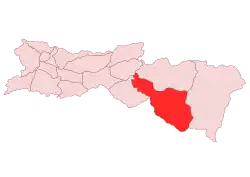
Mangshi (芒市; Mángshì), formerly known as Luxi (潞西), is the capital of the Dehong Dai and Jingpo Autonomous Prefecture in western Yunnan Province, near the border with Myanmar. The city has a distinctly Southeast Asian atmosphere, with Buddhist temples, golden pagodas, palm trees, and a warm, tropical climate. Mangshi is the cultural heartland of the Dai people (related to the Shan of Myanmar and the Thai of Thailand) and the Jingpo (Kachin) people. The city is famous for its glorious Golden and Silver Pagodas on the hilltop, its relaxed vibe, and fruit-laden streets. The cuisine is a delicious blend of Yunnanese, Burmese, and Thai influences. The climate is tropical — the dry season (November–April) is the best time to visit.
Planning Mangshi? Tell us your dates and we’ll tailor the trip.
Ask on WhatsAppHow do you get there?
By Plane
Mangshi Airport (LUM) (also known as Dehong Mangshi Airport) has direct flights from Kunming (1 hr), Chengdu (1.5 hr), Guangzhou (2 hr), and Beijing (3.5 hr). The airport is 7 km from the city centre. A taxi costs about ¥20–30.
By Train
Mangshi Railway Station is on the Dali–Ruili Railway. High-speed trains from Kunming take about 4–5 hours (¥150–200) via Dali and Baoshan.
By Car / Road
Mangshi is 650 km west of Kunming via Baoshan (7–8 hr drive on the G56 and onwards). Buses from Kunming's West Bus Station run daily (¥200–250, 9–10 hr).
Mangshi is small and easy to navigate. Taxis are cheap (¥8 flagfall). Motorcycle taxis (the local way to get around) are also available. The pagodas are on a hill within walking distance of the town centre.
What are the things to do?
Meng Huan Golden Pagoda (勐焕大金塔) — The iconic landmark of Mangshi: a massive, glittering 76-m-tall golden pagoda on a hilltop overlooking the city. 8AM–10PM, ¥50.
Meng Huan Silver Pagoda (勐焕大银塔) — A beautiful silver-coloured pagoda adjacent to the Golden Pagoda, equally impressive. 8AM–10PM, ¥40.
Dehong Dai and Jingpo Museum — Excellent museum covering the history and culture of the Dai and Jingpo minorities. Tue–Sun 9AM–5PM, free.
Shuyuan Pagoda Park (树包塔) — A unique pagoda that has been enveloped by a banyan tree over centuries. Free.
Dai Villages — Traditional Dai bamboo stilt houses in the countryside around Mangshi, with Buddhist temples and tropical gardens.
Jingpo Hill — A cultural park celebrating the Jingpo (Kachin) people, with traditional longhouse architecture.
Visit the Golden and Silver Pagodas — The city's must-see attractions, especially beautiful at sunset.
Dai cultural show — Evening performances of Dai music and dance. ¥80–120.
Explore the night market — Mangshi's night market is lively and serves excellent local food.
Bicycle ride through Dai villages — Rent a bicycle and explore the tropical countryside.
Fruit tasting — Mangshi is famous for its tropical fruits — try the locally grown avocados, passion fruit, and pineapples.
Planning Mangshi? Want these on a customised itinerary?
Ask on WhatsAppWhere to eat?
- Dai-style sour fish — Fish cooked with lemongrass, chilli, and lime. ¥30–60.
- Crossing-the-bridge noodles — Yunnan classic. ¥25–50.
- Mangshi grilled skewers — Barbecued meat and tofu on sticks, served with spicy dipping sauce. ¥10–20.
- Burmese tea leaf salad (lahpet) — A Burmese classic, available in local Shan/Burmese eateries. ¥20–35.
- Sticky rice with mango — A dessert of sweet sticky rice with fresh mango. ¥15–25.
Where to drink?
- Fresh fruit juice — Passion fruit, sugar cane, and pineapple juice from street stalls. ¥8–15.
- Yunnan coffee — Local arabica coffee.
- Bottled water — tap water is not recommended.
Planning Mangshi? We’ll book the stays and dining for you.
Ask on WhatsAppWhere to stay?
- Budget: Guesthouses in the city centre (¥80–150).
- Mid-range: Business hotels (¥150–300).
- Upscale: Mangshi Grand Hotel (¥400–700).
What should you buy?
- Dai brocade (傣锦) — Handwoven silk and cotton fabrics with distinctive patterns.
- Jingpo knives — Traditional Jingpo hunting knives.
- Jade — Mangshi is on the jade trading route from Myanmar — many shops in town.
- Local fruits — Fresh tropical fruit, dried fruit, and fruit preserves.
- Burmese products — Imported cosmetics, snacks, and crafts from Myanmar.
Where to go next?
- Ruili (1.5 hr west) — Myanmar border town, famous for jade and fireworks.
- Tengchong (3 hr north-east) — Volcanic hot springs and Heshun Ancient Town.
- Baoshan (3 hr east) — Gateway to Dali and Lijiang.
- Myanmar border crossings — Multiple border points near Mangshi (Ruili, Wanding) for visa holders.
- Yingjiang (2 hr north-west) — Remote prefecture with the Bamboo Forest and Yi minority culture.
Nearby in Yunnan Sheng
More places to explore around Mangshi.
Guide content as of July 2026. Portions adapted from Wikivoyage, CC BY-SA 4.0.

Contact Us
Get in touch with us.
Get in touch
Contact Us
Tell us where you'd like to go and how you like to travel. A real Tripcuro planner — not a bot — will craft an itinerary around you.
- Personalised, hassle-free planning end-to-end
- Transparent pricing, no hidden costs
- 24/7 support for complete peace of mind