
Wangqing
Jilin Sheng, China
Why visit Wangqing?
Wangqing (汪清) is a county in the Yanbian Korean Autonomous Prefecture, in the far east of Jilin province, northeastern China. It sits in mountainous, heavily forested country close to the Russian border, covering roughly 8,994 square kilometres yet home to only about 260,000 people, which makes it one of the more thinly settled corners of Yanbian. The county seat, Wangqing Town, is the administrative and transport hub; the wider county is organised into eight towns (Wangqing, Daxinggou, Tianqiaoling, Luozigou, Chunyang, Fuxing, Baicaogou and Dongguang) and Jiguan Township. The name is usually traced to a Manchu word meaning fortress, a reminder that this is old borderland territory long before it became a modern forestry district.
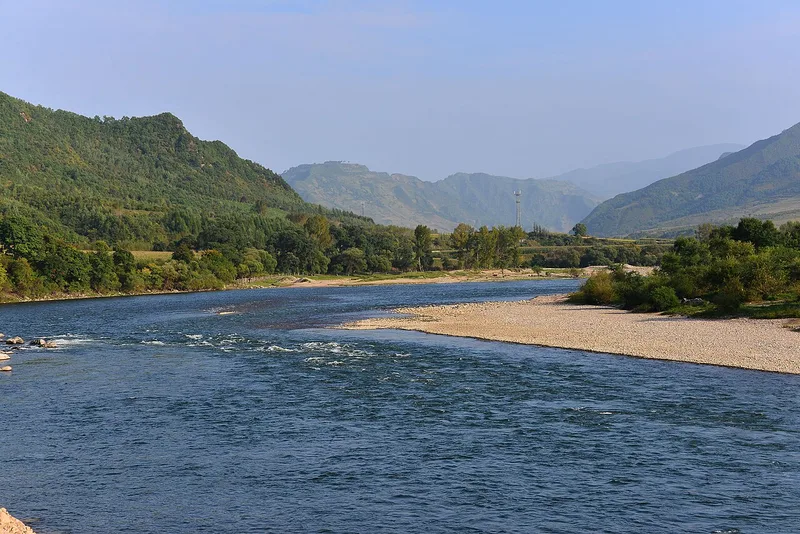
As part of Yanbian, Wangqing has a strong ethnic Korean presence alongside Han and Manchu communities, and Korean-Chinese food and signage are part of everyday life here as across the prefecture. The county's real distinction is its wilderness: its forests form part of the habitat corridor for the Amur (Siberian) tiger and the Amur leopard, and the Wangqing area is one of the places in China where breeding tigers have been confirmed by camera-trap monitoring. For a traveller, Wangqing is less a sightseeing town than a quiet, low-key base in genuinely wild northeast China, better suited to those interested in forests, mountains and small-town life than to those after urban attractions.
The climate is a cold continental one with large seasonal swings. Winters are long and severe, with recorded lows around minus 36 degrees Celsius and roughly 38 snowy days a year on average, while summers are short, warm and comparatively rainy, with recorded highs near 38 degrees Celsius. Annual precipitation is modest, on the order of 560 millimetres, falling mostly in the warmer months.
Planning Wangqing? Tell us your dates and we’ll tailor the trip.
Ask on WhatsAppHow do you get there?
By Plane
The nearest airport is Yanji Chaoyangchuan International Airport (YNJ), located at Yanji, the prefecture seat, which handles domestic flights across China and some regional international services. Yanji lies roughly a two-hour road trip from Wangqing, so most visitors fly into YNJ and continue overland by bus or car.
By Train
Wangqing Town has its own railway station (汪清站) serving conventional rail passengers, with connections through the Yanbian rail network via nearby junctions such as Tumen and the prefecture capital Yanji. From those hubs there are onward links deeper into Jilin and the wider northeast. Booking is easiest through China's national rail ticketing (station counters, machines or the official app); reserve ahead for travel around major public holidays.
By Car / Road
Road is the usual way in. Buses connect Yanji with Wangqing in roughly two hours, and driving from Yanji or from other Yanbian towns follows the provincial road network through forested, hilly terrain. In winter, snow and ice can slow mountain roads, so allow extra time and check conditions.
Wangqing Town is small and largely walkable, and most day-to-day needs in the seat are within a short distance on foot. Local taxis operate for trips around town and to nearby villages, and there is basic public bus service; there is no metro or light rail. For reaching the surrounding countryside, forests and reserve areas, a private car or hired vehicle is the practical option, as public transport into the rural county is limited.
What are the things to do?
Wangqing's main draw is nature rather than monuments.
- Wangqing National Nature Reserve (汪清): a mountainous, densely forested protected area near the Russian border, and one of China's key strongholds for the endangered Amur tiger and Amur leopard, with wild breeding of tigers documented here by long-term camera-trap monitoring. The reserve forms part of the wider Amur tiger and leopard protected landscape linking Wangqing with the neighbouring Hunchun area. As a working conservation zone, access is managed and much of it is not a casual tourist destination, so arrange any visit through official channels and respect closures.
For most travellers, Wangqing is about the outdoors and the quiet rhythm of a small northeastern county: forest scenery, hill country and the surrounding Yanbian landscape, with autumn colour and winter snow as the seasonal highlights. Wildlife here is genuinely wild and protected, so any nature experience should be arranged responsibly and with local guidance rather than expecting free-roaming access.
Planning Wangqing? Want these on a customised itinerary?
Ask on WhatsAppWhere to eat?
As part of Yanbian, Wangqing shares the prefecture's strong Korean-Chinese food culture, so alongside standard northeastern Chinese fare you can expect Korean-influenced dishes such as cold noodles, rice dishes, grilled meats and pickled sides to be widely available in local eateries. Prices in a small county town are generally modest and paid in renminbi (¥). Vegetarians and other travellers with dietary needs should ask directly, as menus are meat-heavy.
Where to drink?
Everyday drinks follow the northeastern Chinese pattern: tea, hot water, local beer and Chinese spirits (baijiu) with meals, plus the usual soft drinks and coffee shops in the county town. As elsewhere in China, avoid drinking untreated tap water; stick to boiled, bottled or otherwise treated water.
Planning Wangqing? We’ll book the stays and dining for you.
Ask on WhatsAppWhere to stay?
Accommodation in Wangqing is limited to basic guesthouses and small hotels in the county town, aimed at domestic travellers and business visitors and priced modestly in renminbi rather than at tourists. There are no upscale or heritage properties. Travellers wanting more choice or higher standards usually base themselves in Yanji (about two hours away by road) and visit Wangqing as a day trip or short overnight.
What should you buy?
Wangqing Town has small general stores and a local market covering everyday provisions and regional produce; do not expect department stores or specialist shopping here. For a wider range, including Korean-Chinese specialty foods and goods, Yanji (about two hours away by road) is the nearest city with proper shopping.
Where to go next?
- Yanji, the prefecture capital, about two hours away by road, with Korean-Chinese food, markets and the region's main airport and rail links.
- Tumen, a border town on the Tumen River facing North Korea, reachable within a couple of hours and offering border-viewing points.
- Hunchun, in the far southeast tri-border area near Russia and North Korea, whose forests adjoin the same tiger and leopard habitat as Wangqing.
- Dunhua, a larger town to the west on the main rail and road corridor through Yanbian, a useful transfer point deeper into Jilin.
Nearby in Jilin Sheng
More places to explore around Wangqing.

Guide content as of July 2026.

Contact Us
Get in touch with us.
Get in touch
Contact Us
Tell us where you'd like to go and how you like to travel. A real Tripcuro planner — not a bot — will craft an itinerary around you.
- Personalised, hassle-free planning end-to-end
- Transparent pricing, no hidden costs
- 24/7 support for complete peace of mind