

Baicheng
Jilin Sheng, China
Why visit Baicheng?
The land around Baicheng was frontier grazing and hunting ground for centuries before large-scale farming was permitted in the early 20th century. The city was formally established in the early 1900s and grew as a regional railway and market town for the northwestern Jilin plain. Today agriculture and agro-industry dominate the local economy, alongside textiles and light manufacturing. The urban population is a few hundred thousand, with the wider prefecture considerably larger.
For travellers, the draw is twofold: the wetlands and grasslands surrounding the city — chiefly Momoge and Xianghai — and the slow, distinctly Northeastern (Dongbei) pace of the city itself. Baicheng's continental climate runs to extremes: long, brutally cold winters (regularly below −20°C in January) and short, warm summers in the low-to-mid 20s°C. The two windows that matter most for visitors are late April through May and September through early October, when migratory cranes and other waterfowl pass through the reserves in large numbers. Avoid mid-winter unless you are specifically after snow-and-ice scenery, and expect mosquitoes in the wetlands in summer.
The city itself is compact and laid out on a loose grid, with the main commercial axis running through the central district. Most hotels and restaurants are within a few kilometres of one another.
Planning Baicheng? Tell us your dates and we’ll tailor the trip.
Ask on WhatsAppHow do you get there?
By Plane
Baicheng has no commercial airport of its own useful for most itineraries. The standard approach is to fly into Changchun Longjia International Airport (CGQ), roughly 300–350 km southeast, and continue by train or long-distance bus.
By Train
Baicheng is a long-established railway junction and trains are the most practical way in, with services to Changchun, Harbin, Shenyang and Beijing. A short branch service connects Baicheng to Taonan, the standard jumping-off point for Momoge National Nature Reserve.
By Car / Road
Long-distance buses and expressway driving connect Baicheng with Changchun in a few hours. Winter driving requires caution — snow, ice, and occasional closures are common. Foreign visitors cannot drive in mainland China on an overseas licence without a temporary Chinese permit, so the train is the practical choice for most travellers.
Baicheng is small enough that most of the urban core is reachable on foot or by short taxi ride.
- City buses are cheap and cover the main routes; signage is Chinese-only.
- Taxis are plentiful; insist the driver uses the meter (打表) rather than negotiating a flat fare.
- Didi (ride-hailing) works in Baicheng and is the easiest option if you don't speak Mandarin.
- Walking and cycling are pleasant in the warmer months; the grid is forgiving and traffic outside peak hours is light.
What are the things to do?
Wetlands and grasslands (the headline attractions)
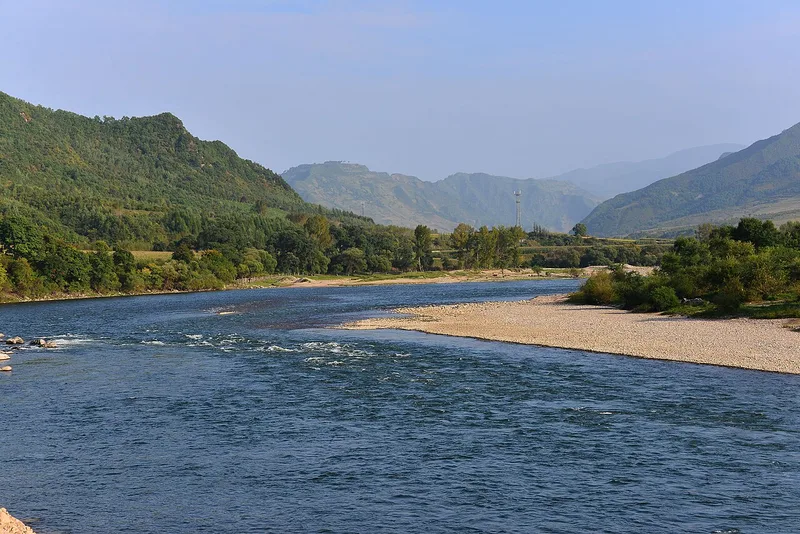
- Momoge National Nature Reserve — a large wetland complex of marshes, river channels and grassland on the Nenjiang floodplain, home to numerous bird species including several endangered crane species. Spring and autumn migrations are the spectacle. Reached via a short train or bus hop from Baicheng to Taonan and then a local taxi.
- Xianghai National Nature Reserve — another significant wetland of swamps, lakes and reed beds west of Baicheng, also known for cranes.
- Grassland areas around the city, good for a half-day trip in the warmer months.
City parks
Baicheng has several modest city parks with lakes and pavilions, popular with locals for morning exercise and evening strolls.
Spring and autumn birding in Momoge or Xianghai is the single best reason to come to Baicheng. Bring a long lens, warm layers, and consider hiring a local guide via your hotel for access and species identification.
A half-day trip to Taonan by short train hop, combined with a Momoge visit.
Ice and snow activities in winter — locals skate on frozen waterways and informal sledding spots appear around the city from December through February.
Planning Baicheng? Want these on a customised itinerary?
Ask on WhatsAppWhere to eat?
Baicheng's food is firmly Dongbei (Northeast Chinese) — generous portions, hearty stews, wheat-based pancakes and dumplings, and pork as the default protein. Mongolian and Korean influences show up in the use of dairy, lamb, and fermented vegetables. Dedicated vegetarian options outside temple canteens are limited; halal (清真, qīngzhēn) restaurants are not hard to find given the Hui Muslim presence across Northeast China — look for green signage.
Signature dishes to look for: suancai bairou (pickled cabbage stewed with pork belly, the quintessential Dongbei winter dish) and niandoubao (sticky steamed buns of glutinous rice or millet flour wrapped around sweet red-bean paste, a Northeastern winter staple).
Where to drink?
Baicheng's drinking culture is baijiu first, beer second — both usually served at the table with food rather than in standalone bars. Local sorghum-based baijiu is a regional specialty, and it is customary for the bottle to be presented at the table before opening.
For non-drinkers, soybean milk at breakfast, sour plum drink in summer, and the usual national milk-tea chains round out the menu. Coffee culture is thin.
Tap water is not potable. Drink bottled or boiled water; hotels supply electric kettles and bottled water as standard.
Planning Baicheng? We’ll book the stays and dining for you.
Ask on WhatsAppWhere to stay?
Baicheng has a handful of budget guesthouses and national mid-budget chain hotels (look for familiar chains such as Hanting, 7 Days Inn, or Jinjiang Inn) concentrated around the railway station and city centre, plus a small number of higher-tier business hotels. Book through Trip.com or Ctrip and confirm the property accepts foreign passports before travelling, since some budget guesthouses in smaller Chinese cities do not.
For visits centred on Momoge, consider basing yourself in Taonan for a night instead of commuting daily from Baicheng.
What should you buy?
Baicheng is not a shopping destination, but it has the essentials and a few local specialities worth taking home — dried river fish, wild rice, sorghum-based baijiu, and dairy snacks reflecting the region's Mongolian-influenced pockets.
Bargaining is not done in malls or supermarkets but is fair game at outdoor markets and standalone stalls.
Where to go next?
- Taonan — a short train hop away. Closest base for Momoge National Nature Reserve and a quieter county-town feel.
- Changchun — a few hours by train south. Provincial capital and the launching pad onward to the rest of China.
- Harbin — several hours by train northeast. Russian-influenced architecture, the Songhua River, and (in winter) the Ice and Snow festival scene.
- Qiqihar — a few hours by train northwest, in Heilongjiang. Another crane-watching base, with the Zhalong Nature Reserve.
Nearby in Jilin Sheng
More places to explore around Baicheng.
Guide content as of July 2026. Portions adapted from Wikivoyage, CC BY-SA 4.0.

Contact Us
Get in touch with us.
Get in touch
Contact Us
Tell us where you'd like to go and how you like to travel. A real Tripcuro planner — not a bot — will craft an itinerary around you.
- Personalised, hassle-free planning end-to-end
- Transparent pricing, no hidden costs
- 24/7 support for complete peace of mind