
Antu
Jilin Sheng, China
Why visit Antu?
Antu (安图) is a large, thinly populated county in the Yanbian Korean Autonomous Prefecture of Jilin province, in the northeast of China. Its county seat is the town of Mingyue (明月), and the county as a whole spreads across roughly 7,444 square kilometres of forested mountains, river valleys and volcanic terrain on the northern flank of the Changbai Mountain range. The 2020 population was about 195,000, of whom roughly 17.9% were ethnic Korean, alongside Han Chinese and a Manchu minority. That mix gives everyday life here a distinctly Yanbian character: bilingual Chinese and Korean signage, Korean minority restaurants and a border-region feel. The county reaches south to a frontier with North Korea, with a crossing point at Shuangmufeng (双目峰).
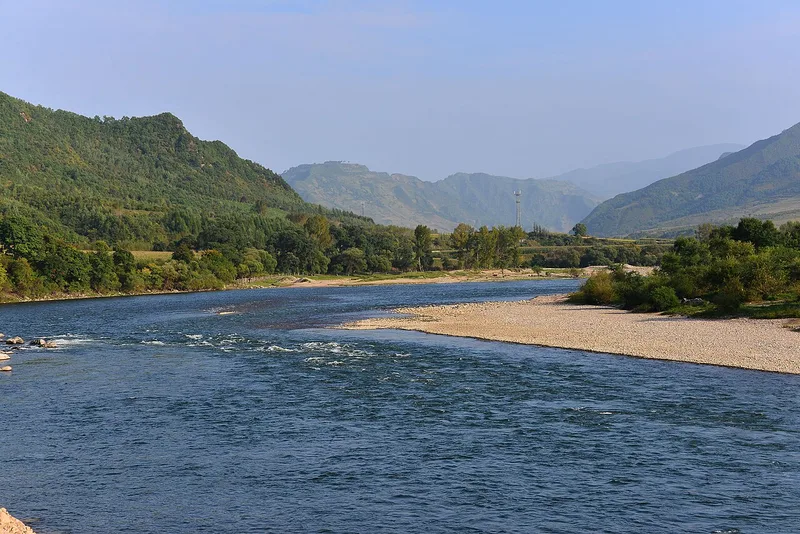
For travellers, Antu matters mostly as a gateway. It sits at the headwaters of the Songhua River (松花江), and the Erdao Bai River (二道白河) cuts down through the county from the high volcanic plateau. The town of Erdaobaihe (二道白河), one of Antu's seven towns, is the main staging post for onward trips into the mountains and is where the region's high-speed rail station stands. Antu is also known within China as a source area for high-quality Changbai Mountain mineral water and for volcanic basalt, and its slopes yield ginseng, wild mountain vegetables, pine mushrooms and blueberries. The scenery of forest, lakes and rivers is the draw rather than any single monument.
The climate is temperate continental with strong seasons and real cold. Winters are long and severe, with recorded lows below -37°C and dozens of snowy days each year, while summers are short, green and comparatively mild, with a recorded high near 36.8°C. Annual precipitation is moderate, roughly 650 to 710 mm, much of it falling in the warmer months. Come in summer for hiking, rivers and lakes, or in deep winter for snow, but be ready for genuinely frigid conditions and occasional weather closures on mountain roads.
Planning Antu? Tell us your dates and we’ll tailor the trip.
Ask on WhatsAppHow do you get there?
By Plane
The nearest airport serving the mountain side of the county is Baishan Changbaishan Airport (IATA: NBS), which lies in the Changbai Mountain area to the south, roughly 80 km from Antu, and is the usual air gateway for Changbai Mountain trips. The prefecture's larger airport is Yanji Chaoyangchuan International Airport (IATA: YNJ), east of Antu near Yanji, which has more domestic connections. From either airport, onward travel to Mingyue or Erdaobaihe is by long-distance bus, tourist shuttle or taxi.
By Train
Antu has two useful stations. Antu railway station, in the county seat of Mingyue, is a stop on the conventional Changchun to Tumen line (part of the Jilin to Hunchun corridor), giving connections toward Dunhua, Yanji, Tumen and Changchun. For the mountains, Changbaishan railway station, in Erdaobaihe town, opened on 24 December 2021 on the Dunhua to Baihe high-speed railway; it links to Changchun in a little over two hours and continues toward Shenyang. Buy tickets in advance through China Railway's official 12306 platform or an authorised agent, particularly in summer and around national holidays.
By Car / Road
Antu is reached by road from across eastern Jilin. Long-distance and tourist buses connect Mingyue and Erdaobaihe with Yanji, Dunhua and Changchun, and self-drive is popular for reaching the mountain fringe. Roads through the valleys are generally paved and serviceable, but expect mountain grades, and in winter expect ice, snow and possible temporary closures on higher sections. Allow extra time in bad weather.
Distances within the county are large, so plan point to point rather than expecting to wander. In Mingyue and Erdaobaihe you can walk the central areas easily. Erdaobaihe runs cheap local bus routes, reported at a flat fare of about 1 yuan, linking the high-speed rail station, the main hotel clusters and the road toward the mountains. Taxis and ride-hailing through apps such as Didi operate in the towns, though supply thins out in the evening and in outlying areas. For trips deeper into the forests and toward the scenic zones, most visitors use tourist shuttles, chartered cars or their own vehicle. Agree taxi fares or insist on the meter before setting off, and carry cash as a backup.
What are the things to do?
Antu's sights are about landscape and local life rather than grand architecture. Group them roughly as follows.
Lakes and water
- Mingyue Lake (明月湖), a reservoir near the county seat, is a low-key local spot for walks and water views close to Mingyue town.
- The Erdao Bai River (二道白河) corridor, running through Erdaobaihe town, offers riverside paths and clear mountain water flowing down from the volcanic uplands.
Towns and forest scenery
- Erdaobaihe town itself, laid out among birch woods, is worth a stroll as a tidy forest town and the base for onward mountain trips.
- The wider county is heavily forested with birch, larch and pine, and the drive between valleys is scenic in its own right.
Antu is an outdoors county. In the warmer months, walk the forest and riverside trails, follow the Erdao Bai River, and use the towns as bases for hiking and nature outings toward the higher country. Foraging culture is strong: locals gather wild mountain vegetables, mushrooms and berries in season, and summer markets reflect it. Winter turns the county toward snow, with snow scenery and skiing on the nearby Changbai Mountain fringe drawing visitors. The county's mineral-water springs and volcanic geology are part of its identity and feature in regional touring. Because Antu is a border county, note that the frontier zone with North Korea is sensitive and not a casual sightseeing area.
Planning Antu? Want these on a customised itinerary?
Ask on WhatsAppWhere to eat?
Food in Antu carries a strong Yanbian Korean minority influence alongside standard northeastern Chinese fare. Look for Korean minority dishes such as cold noodles (冷面), kimchi and grilled and stewed meat dishes, served in the Korean-Chinese style common across the prefecture. Northeastern Chinese cooking brings hearty stews, dumplings and pickled-vegetable dishes suited to the cold climate. Seasonal local ingredients stand out: wild mountain vegetables (山野菜), pine mushrooms, freshwater fish and, in summer, blueberries. Vegetarians can usually assemble a meal from vegetable, tofu and mountain-vegetable dishes, though many local specialties are meat-based, so ask when ordering.
Where to drink?
The obvious local drink is water itself: Antu sits in a celebrated Changbai Mountain mineral-water zone, and bottled local mineral water is widely sold and safe. Do not drink untreated tap water; stick to bottled or boiled water. Hot tea is standard with meals, and the Korean minority influence means you will also find Korean-style drinks in local eateries. Beer and Chinese spirits (baijiu) are available in restaurants and shops, and simple bars and cafes cluster in the town centres of Mingyue and Erdaobaihe.
Planning Antu? We’ll book the stays and dining for you.
Ask on WhatsAppWhere to stay?
Lodging concentrates in two places: the county seat of Mingyue, useful for rail connections on the conventional line and for county business, and Erdaobaihe town, which has the densest cluster of hotels and guesthouses because it is the staging point for mountain trips and the high-speed rail station. Options range from simple guesthouses and budget inns up to mid-range and tourist-oriented hotels, with the highest demand and prices in the summer peak and around holidays. Book ahead in July and August.
What should you buy?
Shop for Changbai Mountain regional specialties. Ginseng (人参) is the signature product of this part of Jilin, sold dried and in preparations, along with pine nuts, dried wild mushrooms, mountain vegetables and blueberries (蓝莓) and blueberry products in season. Locally bottled Changbai Mountain mineral water is a recognised regional product. The Yanbian Korean character of the area also shows up in Korean minority foodstuffs and small crafts. Buy from established shops and markets in Mingyue and Erdaobaihe; for high-value items like ginseng, buy from reputable sellers and expect graded pricing rather than open haggling.
Where to go next?
- Changbai Mountain (Changbaishan) scenic area, the volcanic highland and crater lake south of the county, is the major onward destination; Erdaobaihe town is the standard northern base for reaching it.
- Erdaobaihe (二道白河), within Antu itself, is worth basing in for a night as the forest town at the foot of the mountains, about an hour and more by road from the county seat.
- Yanji (延吉), the prefecture capital to the east, roughly 80 km away, offers a fuller Yanbian Korean city experience, more restaurants and the region's main airport.
- Dunhua (敦化), to the west along the rail and road corridor, is a historic town and a useful transfer point toward Changchun.
- Changchun (长春), the provincial capital, is a little over two hours away by high-speed train from Erdaobaihe and is the main gateway city for the wider province.
Nearby in Jilin Sheng
More places to explore around Antu.

Guide content as of July 2026.

Contact Us
Get in touch with us.
Get in touch
Contact Us
Tell us where you'd like to go and how you like to travel. A real Tripcuro planner — not a bot — will craft an itinerary around you.
- Personalised, hassle-free planning end-to-end
- Transparent pricing, no hidden costs
- 24/7 support for complete peace of mind