
Zhangjiakou
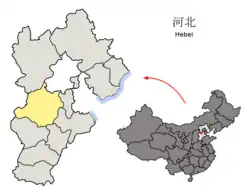
Hebei Sheng, China
About Zhangjiakou
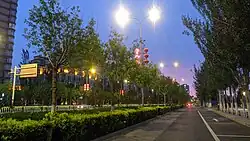
Zhangjiakou (å¼ å®¶å?£) is a major city in northwestern Hebei, about 180 km northwest of Beijing, perched at the edge of the Mongolian Plateau where the North China Plain gives way to grasslands and mountains. For centuries it was the "Northern Gate of the Capital" — a fortified pass on the Great Wall controlling the tea-and-horse trade between Han China and Mongolia, and a key garrison town of the Ming and Qing dynasties. That strategic geography is still what shapes the city today: dramatic terrain, a strong military and frontier history, and a culture that feels noticeably more northern, hearty, and Mongolian-influenced than the rest of Hebei.
The city's modern reinvention came with the 2022 Beijing Winter Olympics, which staged most snow events in Zhangjiakou's Chongli District. Chongli now hosts a cluster of world-class resorts — Genting Secret Garden, Wanlong, Thaiwoo, Cuiyunshan — connected to Beijing by a 47-minute high-speed rail line. Beyond skiing, Zhangjiakou is a four-season destination: cool, dry summers (highs around 25–30°C in July) draw road-trippers up the Grassland Sky Road (�原天路) for rolling steppe vistas and wind-farm panoramas, while autumn brings golden larch on the Chongli ridges.
Layout is dispersed. The historic urban core sits in Qiaodong and Qiaoxi districts (split by the Qingshui River), where you'll find Dajingmen, the Zhangjiakou Museum, and most older hotels. Xuanhua District, 25 km southeast, is the old walled garrison town with its own museum and Ming-era walls. Chongli District, 50 km north, is the ski/Olympic zone — effectively a separate resort area. Winters are bitter and dry (January lows around –12°C); avoid late March to early April when the wind picks up and dust storms roll in off the steppe.
Planning Zhangjiakou? Tell us your dates and we’ll tailor the trip.
Ask on WhatsAppHow to reach
By Plane
Zhangjiakou Ningyuan Airport (ZQZ) sits about 9 km east of the city centre. It's a small regional airport with limited domestic service — typically Shijiazhuang, Guangzhou, Shanghai, and Xiamen. A taxi to the centre runs roughly ¥30–50 and takes 20 minutes. Most international visitors fly into Beijing Capital (PEK) or Beijing Daxing (PKX) instead and connect by high-speed rail, which is faster and cheaper than transferring through ZQZ.
By Train
The high-speed Beijing–Zhangjiakou line, opened in late 2019, is the standard way in. Trains from Beijing North Station (北京北) reach Zhangjiakou Station in about 47 minutes; second-class fares are around ¥80–90. Trains continue west to Hohhot and Baotou in Inner Mongolia.
- Zhangjiakou Railway Station (å¼ å®¶å?£ç«™), 11 Zhanqian West Street, Qiaodong District. The main central station, served by both high-speed and conventional trains. Bus nos. 1, 10, 11, 33, 39, 106, 108, 109, 902, K1, K3.
- Taizicheng Station (太å?城站), Taizicheng Village, Chongli District. The closest station to the ski resorts and former Olympic Village; free shuttle buses run to Genting, Wanlong, Thaiwoo, and Yunding. Take Chongli Bus 10 from Chongli town. If you're coming for skiing, buy through to Taizicheng — don't get off at Zhangjiakou.
Slow conventional trains still run from Beijing Main Station along the historic Beijing–Baotou line; they take 4+ hours and are mostly only relevant for budget travellers or train enthusiasts. Book via the China Railway 12306 app — foreign passports are accepted but require manual verification at the station the first time.
By Car / Road
Zhangjiakou is well-connected by expressway:
- From Beijing: ~190 km via the G6 Jingzang Expressway, 2.5–3 hours in light traffic. Avoid Friday evenings outbound and Sunday afternoons inbound during ski season — the G6 backs up badly.
- From Shijiazhuang (provincial capital): ~370 km, ~4.5 hours via the G5 and G6.
- From Hohhot (Inner Mongolia): ~290 km, ~3.5 hours via the G6.
- National Highway 207 runs north into Inner Mongolia and is the slower, more scenic alternative.
Long-distance buses run from Beijing's Liuliqiao and Muxiyuan stations to Zhangjiakou Bus Station (~¥80, 3.5 hours), but the high-speed train has eaten most of this market. In winter, mountain roads to Chongli ice over quickly — leave extra time and check chain requirements.
The urban area is sprawling and not especially walkable; getting between Qiaodong, Qiaoxi, Xuanhua, and Chongli essentially requires motorised transport.
- Taxi: flagfall ¥5 for the first 2 km, then roughly ¥1.6/km. Cabs are easy to flag in the city centre but thin on the ground in Chongli — book ahead.
- Didi (滴滴出行): works throughout the city and is the most reliable option for non-Chinese speakers (the app handles addresses for you). You'll need a Chinese-linked payment method (Alipay or WeChat Pay).
- City buses: ¥1–2 flat fare, paid in cash or by Alipay/WeChat QR. Routes are extensive but signage is Chinese-only.
- Long-distance & ski shuttles: from Zhangjiakou Station and Zhangjiakou South Station to Chongli — the resort-operated shuttles (Yunding, Taiwu/Thaiwoo, Wanlong) are free for guests with a same-day booking. Otherwise take the Chongli intercity bus (~¥30, 1 hour).
- Self-drive: ideal for the Grassland Sky Road in summer. In winter, only attempt mountain roads with snow tyres or chains.
Scams are uncommon but watch for unmetered "black taxis" outside Zhangjiakou Station — insist on the meter or use Didi.
Things to do
Historic & Cultural
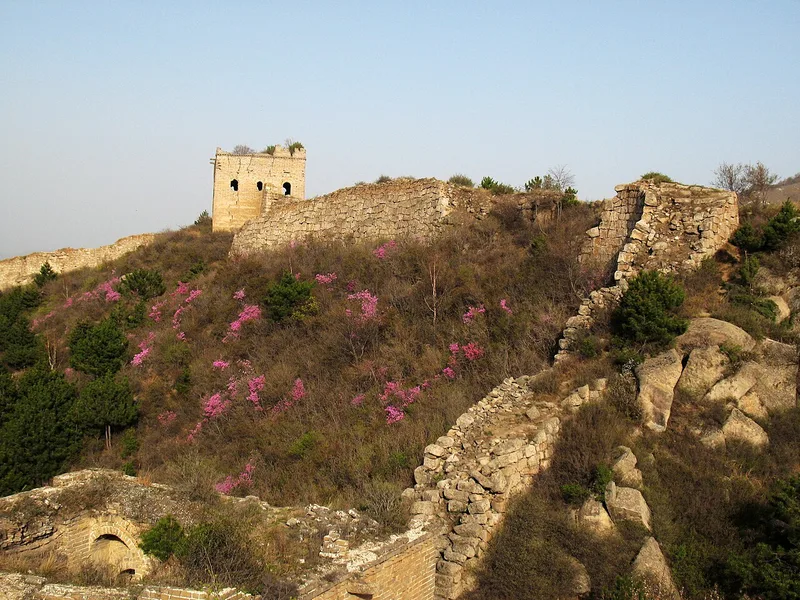
- Dajingmen (大境门), Intersection of Mingde North Road and Zhenggou Street, Qiaoxi District. The signature sight: a Ming-era gate in the Great Wall, one of only four officially named "men" (gates) on the entire Wall, marking the historic frontier between Han China and the Mongolian steppe. Climb the wall for views over the old town and the gorge. Buses 16, 32. Hours 08:00–18:00. ¥10.
- Zhangjiakou Museum (å¼ å®¶å?£å¸‚å?šç‰©é¦†), 14 Dongxing Street, Qiaodong District. Solid overview of the city's frontier and trade history, plus a courtyard monument to Chinese and allied WWII soldiers. Buses 5, 9, 12. Tue–Sun 09:00–11:00 and 14:30–16:30, closed Mondays. Free. ☎ +86 313 2017059.
- Xuanhua Museum (宣化�物馆), 64 Xuanfu Street, Xuanhua District. State-owned museum focused on Xuanhua's role as a Ming garrison and the Liao-dynasty tombs discovered nearby (notable for their well-preserved astronomical murals). 09:00–16:30. Free.
- Xuanhua Ancient City Walls (宣化�城), Xuanhua District. The most intact Ming-era city walls in northern China outside Xi'an, with restored gates including Qingyuan Tower (清远楼) and Zhenshuo Tower (镇朔楼).
Landscape & Outdoor
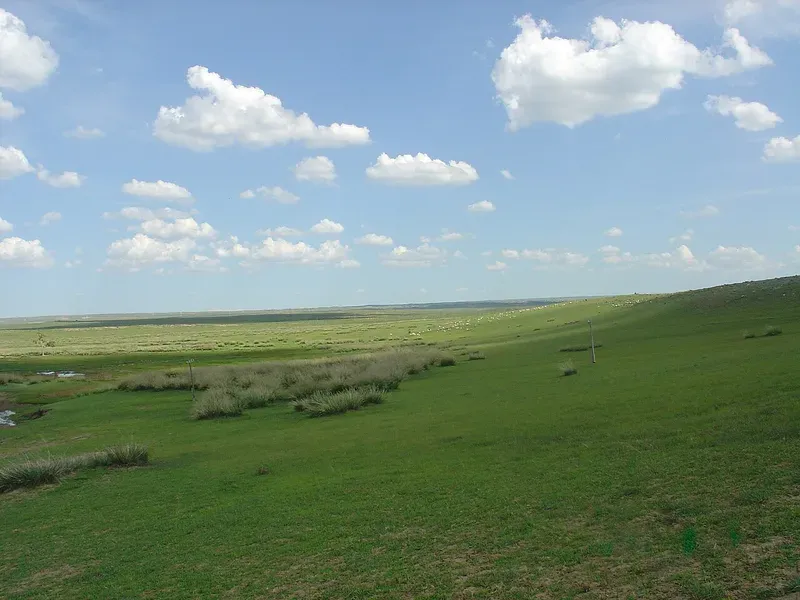
Grassland Sky Road (�原天路), Zhangbei County. A 130+ km ridge-line driving route across rolling Mongolian steppe, with windmills, wildflowers in summer, and panoramic pullouts. Best June–September; entirely closed by snow in winter. Most road-trippers do it as a day loop from Zhangjiakou or as part of a Beijing–Inner Mongolia drive.
Chongli District (崇礼区), ~50 km north. Worth visiting in summer too for hiking and mountain biking on the resort lift networks.
Ski Chongli. The Chongli District is China's premier ski destination, with a season running roughly mid-November to late March/early April.
- Genting Resort Secret Garden / Genting Snow Park (密苑云顶ä¹?å›), Wutong Avenue, Taizicheng. 2022 Olympic freestyle and snowboard venue. 4 mountains, 41 trails. 08:45–16:30. ☎ +86 400 1681234.
- Wanlong Paradise Resort (万龙度å?‡å¤©å ‚), Chongli District (adjacent to Genting). Long considered China's best advanced/expert ski terrain. Open ~Nov 8–Apr 30, Sun–Fri 08:00–16:30, Sat 08:00–17:00. ☎ +86 400 6822999.
- Thaiwoo Ski Resort (太舞滑雪�镇), Sitaizui, Chongli. Largest ski village in China, family-friendly with strong ski-in/ski-out lodging.
- Cuiyunshan International Resort (ç¿ äº‘å±±å›½é™…æ—…æ¸¸åº¦å?‡åŒº), Chema Road, Xiwanzi Town, Chongli. Smaller and quieter; open Nov 7–Mar 14, 08:30–16:30. ☎ +86 400 0687788.
- Lift tickets typically run ¥400–700/day depending on resort and date; equipment rental ¥150–250/day.
Drive the Grassland Sky Road in summer — bring a windbreaker, the steppe is exposed and 10°C cooler than the city.
Walk the Great Wall at Dajingmen at dusk for the best light on the gate's stone inscription "大好河山" ("Great Mountains and Rivers").
Mountain biking and hiking in Chongli during the green season; Genting and Thaiwoo run lifts in summer and have marked trail networks.
Olympic Village tours at Taizicheng — the athlete village and medal plaza are partially open to visitors.
Planning Zhangjiakou? Want these on a customised itinerary?
Ask on WhatsAppFood & Dining
Zhangjiakou's food is unmistakably northern Chinese frontier cuisine: lamb-heavy, oat-and-millet based, warming, and clearly influenced by Mongolian and Shanxi cooking. The mountain climate produces excellent oats, potatoes, and pasture-raised mutton, and you'll see all three on most menus.
Signature dishes
- Youmian Wowo (莜���) — oat-flour dough hand-rolled into small honeycomb cones and steamed; eaten with a savoury dipping sauce of minced lamb, vinegar, or pickled vegetables. The defining local dish.
- Roast Whole Lamb (烤全羊) — Mongolian-style spit-roasted lamb, rubbed with cumin and chili; usually a banquet dish, ordered ahead.
- Yang Za Tang (羊�汤) — pot-stewed lamb offal soup with ginger and white pepper; the classic winter breakfast.
- Kouma stewed chicken (�蘑炖鸡) — local wild mushrooms slow-cooked with chicken.
Where to eat
Budget: street stalls along Wuyi Pedestrian Street and around Zhangjiakou Station for youmian, lamb skewers (羊肉串, ~¥3–5 each), and lamb-soup breakfasts (~¥15–25 a bowl).
Mid-range: hotpot is everywhere — try a lamb-heavy Mongolian hotpot with copper-pot brass burners; expect ¥80–150 per person. In Chongli, the Thaiwoo and Wanlong resort villages have multiple sit-down restaurants serving regional cuisine alongside Western options.
Upscale: most upscale dining is inside the international resort hotels in Chongli (InterContinental, Club Med, Genting Grand) — typically ¥300–600 per person for set menus featuring local lamb and oats reinterpreted.
Vegetarian options exist (oat-flour dishes, mushroom hotpots, cold vegetable plates) but are limited; halal (清真) restaurants are common given the region's Hui Muslim population — look for the green crescent signage. Gluten-free is genuinely difficult given how oat- and wheat-centred the cuisine is.
Cafes & Nightlife
- Tea — Zhangjiakou sat on the historic "Tea Road" (茶马å?¤é?“) carrying Hubei and Fujian teas north to Mongolia and Russia, and brick tea (ç –èŒ¶) and milky Mongolian-style butter tea (奶茶) remain part of local culture.
- Baijiu — Hebei produces several baijius; Laobaigan (�白干) from neighbouring Hengshui is the most common at restaurants.
- Local beer — Yanjing and Snow dominate; ski resorts also stock craft and import beer at predictable resort markups.
- Coffee & cafés — Chongli's resort villages (Thaiwoo Town in particular) have a surprisingly good café scene catering to skiers; the city centre has the usual Luckin and Starbucks outlets.
- Nightlife in the city itself is modest — KTV bars and a handful of pubs around Wuyi Pedestrian Street. In ski season, après-ski in Thaiwoo and Genting villages is more lively.
Water safety: do not drink the tap water. Bottled water (¥2–3 / 500 ml) is universally available; hotel rooms provide kettles for boiled water, which is safe.
Planning Zhangjiakou? We’ll book the stays and dining for you.
Ask on WhatsAppPlaces to Stay
Budget
- 7 Days Inn Zhangjiakou Railway Station Branch (7天连�酒店), near Zhangjiakou Station, Qiaodong District. Reliable budget chain, clean rooms, English-friendly booking. ~¥180–250/night.
- Hanting Hotel Zhangjiakou (汉åºé…’店), multiple branches in Qiaodong/Qiaoxi. Mid-budget chain, ~Â¥220–300/night.
Mid-range
- Holiday Inn Express Zhangjiakou Park View, Qiaodong District. Standard IHG-grade comfort, English-speaking staff, ~¥450–600/night.
- Thaiwoo Mountain Resort Hotel (太舞酒店), Thaiwoo Ski Town, Chongli. Practical ski-in/ski-out option in the heart of Thaiwoo village. ~¥800–1,400/night in ski season, half that in summer.
Upscale / resort
- InterContinental Resort Zhangjiakou, Taizicheng, Chongli District. The flagship Olympic-era luxury hotel, ski-in/ski-out at Thaiwoo, full spa. ~¥1,800–3,500/night in peak ski season.
- Club Med Thaiwoo, Thaiwoo Ski Town, Chongli District. All-inclusive packages including lift passes, ski school, meals, and entertainment — popular with families. From ~¥3,000/person/night all-in during ski season.
- Genting Grand Secret Garden, Genting Resort, Chongli District. Ski-in/ski-out at the Olympic freestyle venue; ~¥1,500–2,800/night in ski season.
Rates outside ski season (April to early November) typically drop 40–60% across all Chongli properties.
What to buy
Zhangjiakou is not a major shopping destination, but it has a few worthwhile specialties:
- Hebei oat products (莜�) — bagged oat flour and pre-shaped youmian are sold at supermarkets and the Wuyi Market area; they travel well.
- Mongolian-style dairy products — milk skin (奶皮), milk tea bricks, and cheese curds, reflecting the region's grassland trade history.
- Kouma (�蘑) mushrooms — wild mushrooms historically traded through Zhangjiakou's gates, dried and excellent for soups.
- Ski gear — Chongli's resort villages (especially Thaiwoo and Wanlong) have well-stocked shops with reasonable prices on mid-range gear.
- Wuyi Pedestrian Street (五一大街) in the city centre is the main shopping strip for clothing and everyday goods.
Bargaining is expected at open-air markets and tourist stalls (start at 40–50% of the asking price); fixed prices apply at supermarkets, malls, and resort shops.
Go next
- Beijing — 47 minutes by high-speed rail or ~3 hours by car. The capital, and almost everyone's onward stop.
- Datong (Shanxi) — ~200 km / 2.5 hours by car or ~1.5 hours by high-speed rail. Yungang Grottoes and the Hanging Monastery.
- Hohhot (Inner Mongolia) — ~290 km / 2 hours by high-speed rail. Gateway to the Inner Mongolian grasslands and Mongolian-Buddhist culture.
- Chengde — ~350 km / ~4 hours by car (no direct rail). The Qing emperors' summer mountain resort and Tibetan-style temple complex; UNESCO-listed.
- Bashang Grasslands (å??上è?‰åŽŸ) — ~150 km / ~2.5 hours by car north of Zhangjiakou. The classic Hebei steppe horse-riding and yurt-stay destination, best June–September.
- Xuanhua — 25 km / 30 minutes. Easy half-day for the Ming garrison walls and Liao tombs if you don't tack it onto your Zhangjiakou itinerary.
Nearby in Hebei Sheng
More places to explore around Zhangjiakou.
Portions adapted from Wikivoyage, CC BY-SA 4.0.

Contact Us
Get in touch with us.
Get in touch
Contact Us
Tell us where you'd like to go and how you like to travel. A real Tripcuro planner — not a bot — will craft an itinerary around you.
- Personalised, hassle-free planning end-to-end
- Transparent pricing, no hidden costs
- 24/7 support for complete peace of mind