
Thừa Thiên-Huế
Viet Nam · Province · 10 destinations with guides
Photography coming soonWhy visit?
Thừa Thiên-Huế is Vietnam's most historically layered province, stretching along the central coast between the Hải Vân Pass to the south and the Phong Điền wetlands to the north. The provincial capital, Huế, served as the seat of the Nguyễn Dynasty and the imperial capital of a unified Vietnam from 1802 until Emperor Bảo Đại's abdication in 1945 — a legacy that saturates every street corner with royal architecture, ceremonial gardens, and dynastic tombs. Inland, the Trường Sơn mountain range rises sharply, feeding the Sông Hương (Perfume River) that flows through the city and giving the province a topographic drama rare in the coastal lowlands.
Beyond the capital, the province spans lush forested highlands, white-sand beaches at Lăng Cô, a brackish coastal lagoon system (Tam Giang–Cầu Hai) that is among the largest in Southeast Asia, and Bạch Mã National Park — a former French hill station thick with biodiversity. This concentration of UNESCO-recognised monuments, imperial heritage, extraordinary local cuisine, and accessible wilderness makes Thừa Thiên-Huế one of the most rewarding provinces in Vietnam for travellers willing to slow down.
The province has a distinct identity even within Vietnam: more contemplative than Hanoi, less resort-driven than the coast further south, and fiercely proud of its culinary and cultural traditions. Locals still debate the correct preparation of bún bò Huế and maintain court-music performances (nhã nhạc) that date to the fifteenth century.
When is the best time to visit?
February to April is the sweet spot. Temperatures in Huế sit between 20–28 °C, humidity is manageable, and rainfall is low. This window also captures Tết (late January or early February, date varies by lunar calendar) and the biennial Hội An Festival of Huế (held in even-numbered years, typically late April–early May), which fills the Citadel grounds with court music, lantern processions, and traditional theatre.
May to August brings intense heat — Huế is one of the hottest cities in Vietnam in summer, regularly exceeding 38 °C — and afternoon thunderstorms. Coastal spots like Lăng Cô and the beaches north of Thuận An are popular with Vietnamese domestic travellers during this period.
September to December is the province's wet season, and it is serious. Central Vietnam funnels typhoon-driven rain with extraordinary intensity; October and November in particular can see flooding in the low-lying city centre. Some years the Citadel's moat overflows. Avoid this window unless you have flexible plans and a high tolerance for disruption. If you do visit in early December, crowds are minimal and the landscape is dramatically green.
Tell us your dates and we'll shape a Thừa Thiên-Huế route around them.
WhatsAppHow do you get around?
Within Huế city: The city centre is compact and walkable. Cyclos (three-wheeled bicycle taxis) remain a practical and atmospheric option for short hops. Grab (the regional ride-hailing app) operates here for both motorbikes and cars and is the most reliable way to get a metered fare. Renting a motorbike or bicycle independently is straightforward from guesthouses and gives access to the royal tombs, which are spread across the hills south of the city along the Perfume River.
Dragon boats operate on the Sông Hương and are the traditional way to reach Thiên Mụ Pagoda from the city — combine with a stop at one of the upstream royal tombs for a half-day circuit.
Beyond Huế:
- Lăng Cô (60 km south): best by private car, motorbike, or the train — the Reunification Express line runs through a short tunnel at the base of the Hải Vân Pass and stops at Lăng Cô station.
- Bạch Mã National Park (40 km southeast of Huế): no public transit to the gate; hire a car or motorbike, or join an organised day tour from Huế.
- Hải Vân Pass: the pass road (QL1A alternative) is a classic motorbike route, but the main highway traffic uses the Hải Vân Tunnel. Drive or hire a car to cross the pass itself.
- Huế to Đà Nẵng (100 km south): bus, train, and private transfer all operate frequently. The train journey through the pass and along the coast is one of the most scenic rail segments in Southeast Asia.
Where should you go?
- Huế City — the imperial capital; UNESCO-listed Citadel, royal tombs, and the finest Nguyễn-era architecture in Vietnam
- Thiên Mụ Pagoda — the province's most iconic pagoda, perched above the Perfume River on the western edge of the city
- Royal Tombs (Lăng Minh Mạng, Lăng Tự Đức, Lăng Khải Định) — sprawling dynastic complexes in the forested hills south of Huế, each with a distinct architectural character
- Lăng Cô — a quietly beautiful beach town on a lagoon-backed peninsula at the foot of the Hải Vân Pass
- Bạch Mã National Park — cool-air highland park with waterfalls, birdwatching, and remnant French-colonial villas
- Tam Giang Lagoon — Southeast Asia's largest brackish lagoon system; best explored by boat at dawn from Thuận An or Phú Vang
Want the scenic legs and stays booked for you? Just ask.
WhatsAppWhat should you eat?
Huế cuisine is arguably the most refined regional cooking tradition in Vietnam, rooted in the demands of royal court banquets and distinguished by small, intricate dishes, assertive spice, and meticulous presentation.
Signature dishes:
- Bún bò Huế — the city's most famous export: a rich, lemongrass-and-shrimp-paste-scented beef noodle soup, far spicier and more complex than phở
- Bánh bèo — small steamed rice-flour cups topped with dried shrimp, pork crackling, and scallion oil; eaten by the dozen
- Bánh nậm — flat, silky rice dumplings steamed in banana leaf with a pork-and-shrimp filling
- Bánh khoái — crispy turmeric-battered rice pancakes filled with shrimp, pork, and bean sprouts, dipped in a peanut-sesame sauce
- Cơm hến — cold rice topped with tiny Perfume River clams, pickled vegetables, peanuts, chilli, and fermented shrimp paste; a breakfast dish that divides opinion
- Chè Huế — a family of sweet dessert soups (đậu xanh, hạt sen, bột lọc) served in small portions, traditionally associated with royal snacking
Where to eat: The streets around Chợ Đông Ba market are the most concentrated area for street food. Phố ẩm thực (food streets) near the market sell bánh bèo and bánh nậm from early morning. For bún bò, locals seek out small family-run shops in the residential streets west of the Citadel — ask your guesthouse for a current recommendation as the best spots change frequently.
Vegetarians are well catered for: Huế has a strong Buddhist tradition, and many restaurants serve a full chay (vegetarian) menu on the 1st and 15th of each lunar month, with dedicated vegetarian restaurants open daily near the pagodas.
What is the culture like?
Nhã nhạc — Vietnamese court music — was developed and codified in Huế during the Nguyễn Dynasty and is now a UNESCO Intangible Cultural Heritage. Performances are held regularly at the Duyệt Thị Đường Royal Theatre inside the Citadel and at Thiên Mụ Pagoda. These are not tourist reconstructions in the dismissive sense: the tradition has been continuously maintained and the musicians train rigorously.
Festival of Huế (Hội An Festival of Huế): Held biennially in even-numbered years (next: 2026), typically late April to early May. The Citadel becomes an outdoor performance venue for court music, tuồng (classical opera), áo dài fashion shows, lotus lantern processions on the Perfume River, and international folk art troupes. Book accommodation months in advance for this period.
Tết Nguyên Đán: As everywhere in Vietnam, the Lunar New Year (January–February) is the most significant holiday. In Huế, Tết has additional ceremonial weight given the city's imperial past; expect elaborate family rituals, public flower displays on Lê Lợi Boulevard, and fireworks over the Perfume River on New Year's Eve.
Phật Đản (Buddha's Birthday): The 15th day of the 4th lunar month (typically May) is observed with particular intensity in Huế, a city with deep Theravāda and Mahāyāna Buddhist communities. Thiên Mụ and Từ Đàm pagodas hold large processions and lantern ceremonies.
Local crafts worth seeking out: Huế-style conical hats (nón bài thơ) with poems visible when held to the light, embroidered silk, and the distinctive Huế-style lacquerware sold in workshops near the south gate of the Citadel.
Travelling during a festival? We'll plan around the crowds.
WhatsAppWhat are the standout experiences?
1. The Reunification Express through Hải Vân Pass The train segment between Huế and Đà Nẵng is one of the most celebrated rail journeys in Southeast Asia. The line climbs to Hải Vân Pass at 496 m, hugging sea cliffs above the South China Sea before descending past Lăng Cô lagoon. Take a daytime train — SE3 or SE5 southbound in the morning — and sit on the right-hand (west) side for the best coastal views. The journey takes roughly 2.5 hours.
2. Royal Tomb Circuit by Motorbike The Nguyễn Dynasty built seven royal tombs in the hills south of Huế, each reflecting the personality and aesthetic vision of the emperor buried there. Lăng Minh Mạng is the most architecturally harmonious — formal, symmetrical, set amid pine forest and lakes. Lăng Tự Đức is melancholic and literary, built by an emperor-poet who used it as a retreat during his own lifetime. Lăng Khải Định is the most bizarre: a fusion of Vietnamese, Chinese, and European baroque styles encrusted with mosaic from broken porcelain. A half-day motorbike loop connects all three along the Perfume River's forested banks.
3. Dawn on Tam Giang Lagoon Hiring a small boat at first light from a fishing village on the Tam Giang lagoon — before the mist lifts and the fish traps are hauled — is one of the quieter, more affecting experiences in central Vietnam. The lagoon supports thousands of fishing families in floating communities; the journey south toward Phú Vang takes you through a working landscape almost entirely off the tourist circuit.
4. A Meal Cooked as Royal Court Food Several establishments in Huế offer "royal cuisine" set menus — elaborately presented multi-course meals based on the dishes once served to Nguyễn emperors, where no single dish was repeated across a meal. Quality and authenticity vary; the experience at Tịnh Gia Viên and similar heritage-house restaurants is as much about the setting (traditional wooden house, áo dài-clad staff, lacquerware service) as the food itself. Book ahead.
5. Bạch Mã National Park at Altitude At 1,450 m, the summit of Bạch Mã is cool even in summer and cloaked in cloud forest rich with endemic bird species — the park is on the itinerary of serious birders chasing species like the Edwards's pheasant and bar-bellied pitta. The restored French villas at the summit add an eerie colonial-era layer. The hike from the park gate to the Five Lakes Cascade (Thác Ngũ Hồ) is the most accessible trail and can be done as a day trip from Huế.
Top Destinations
Every destination in Thừa Thiên-Huế with a guide — tap a place for the full guide.
A Luoi
A Luoi is a mountainous district in western Thua Thien-Hue province…
Bach Ma National Park
Bach Ma National Park is a 22,000-hectare protected area in the…
Hue
Hue is the former imperial capital of Vietnam and the seat of the…
Huong Thuy
Huong Thuy (Thuy Huong) is a district-level town in the south-central…
Huong Tra
Huong Tra is a district in Thua Thien-Hue province, situated…
Nam Dong
Nam Dong is a mountainous district in south-west Thua Thien-Hue…
Phong Dien
Phong Dien is the northernmost district of Thua Thien-Hue province…
Phu Loc
Phu Loc is a coastal district in the south of Thua Thien-Hue…
Phu Vang
Phu Vang is a coastal district in Thua Thien-Hue province, situated…
Quang Dien
Quang Dien is a low-lying coastal district in the north-east of Thua…
Sample itinerary
See how a trip to Thừa Thiên-Huế comes together — a real Tripcuro plan, day by day.
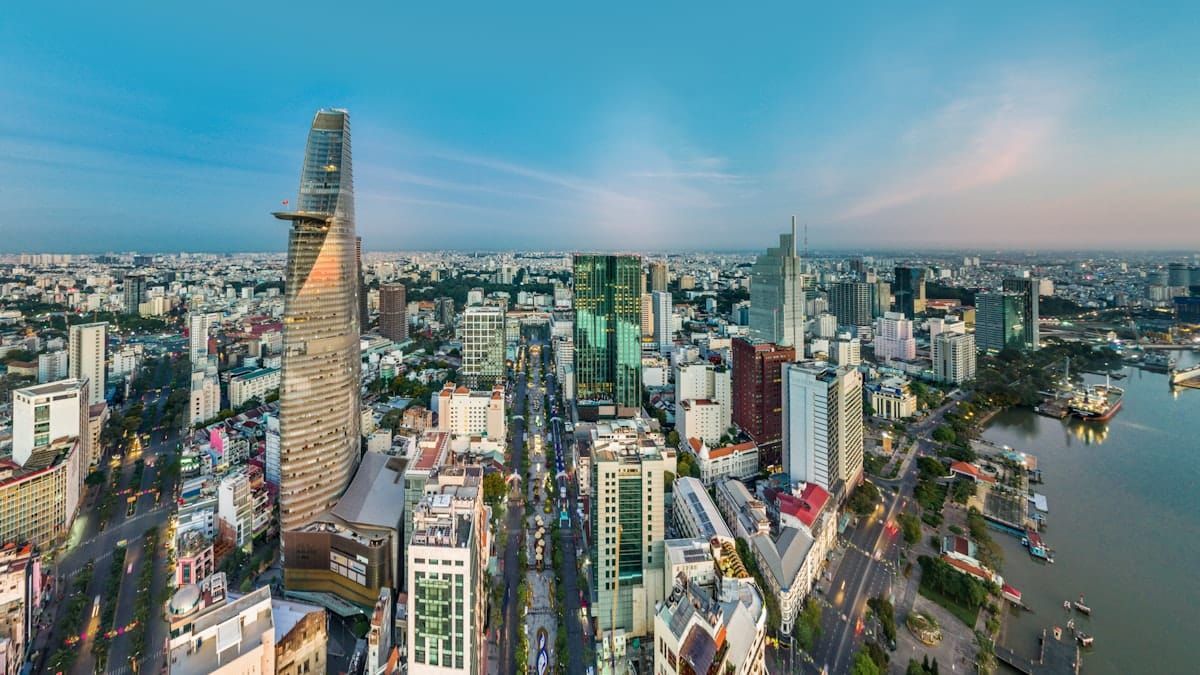
Saigon New Year to Central Coast: A Luxury Vietnam Escape
9 Nights · Vietnam · Couple
Nine nights across southern and central Vietnam: New Year's Eve in Saigon, the coast and caves of Da Nang, lantern-lit Hoi An, and a two-night finale in a private pool villa at Banyan Tree Lang Co.
Highlights: New Year's Eve on Nguyen Hue Walking Street in Saigon · Cu Chi Tunnels and War Remnants Museum · Ba Na Hills and the Golden Bridge day trip · Lantern-lit Hoi An Old Town evenings · Two nights in a private pool villa at Banyan Tree Lang Co · Son Tra Peninsula, Lady Buddha and My Khe Beach
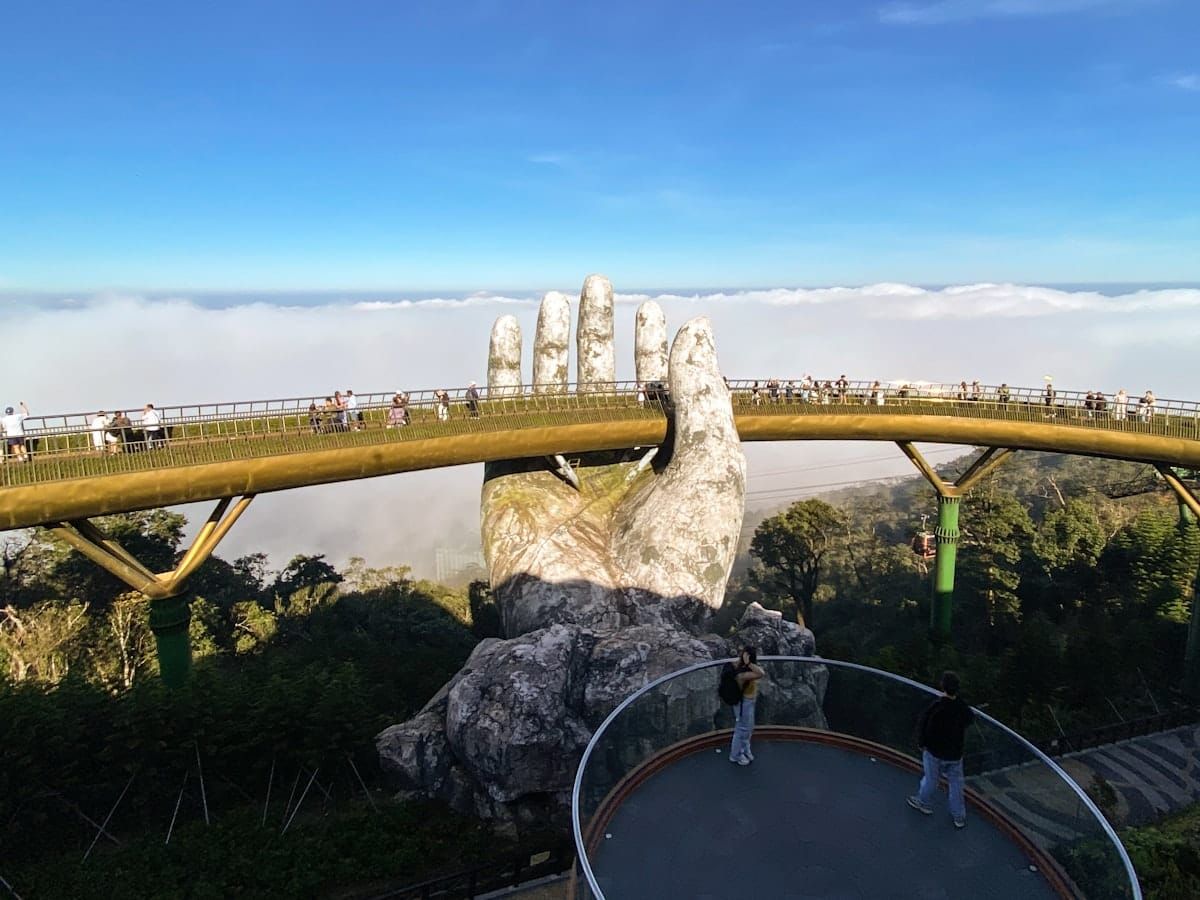
Vietnam Grand Tour: Hanoi to Saigon
18 Nights · Vietnam · Couple
One country, coast to highlands: imperial Hue, an overnight Ha Long cruise, the mountain trails of Sapa, lantern-lit Hoi An and the buzz of Saigon, linked by short flights and scenic drives.
Highlights: Overnight cruise through the karst islands of Ha Long and Lan Ha Bay · Cable car to the summit of Fansipan, Vietnam's highest peak, from Sapa · Ride the Hai Van Pass between Lang Co and Hoi An by scooter · Golden Hand Bridge and sunrise at Ba Na Hills · Imperial Citadel and a Perfume River dragon-boat ride in Hue · Cu Chi Tunnels and Japan Town evenings in Ho Chi Minh City
Pair the highlights of Thừa Thiên-Huế into one easy trip — we'll plan the route.
WhatsApp
Contact Us
Get in touch with us.
Get in touch
Contact Us
Tell us where you'd like to go and how you like to travel. A real Tripcuro planner — not a bot — will craft an itinerary around you.
- Personalised, hassle-free planning end-to-end
- Transparent pricing, no hidden costs
- 24/7 support for complete peace of mind