
Palau
Micronesia · 82 destinations across 16 regions
Photography coming soonOverview
Palau is a remote archipelago of more than 300 islands scattered across the western Pacific, roughly 800 km southeast of the Philippines. With a population of barely 22,000 and a tourism model deliberately repositioned toward "fewer visitors, higher value," it offers something most tropical destinations can no longer credibly promise: uncrowded reefs, intact ecosystems, and a sense of genuine remoteness. The country is best known among divers — the Blue Corner, German Channel, and Ulong Channel are perennial fixtures on global "best dive site" lists — but it also rewards travelers drawn to World War II history, indigenous Micronesian culture, and the visual drama of the Rock Islands, a UNESCO-listed cluster of mushroom-shaped limestone outcrops rising from turquoise water.
Palau suits the traveler who treats a trip as an investment rather than a bargain. It is genuinely expensive by Pacific standards, getting there requires at least one long-haul connection, and the on-island infrastructure is modest outside Koror. In return, you get the world's first shark sanctuary, one of the planet's most stringent reef-safe sunscreen laws, and a culture where visitors literally sign a pledge — the Palau Pledge, stamped into every passport on arrival — promising to protect the environment. It is not a beach-lounging country; it is an active, water-focused, conservation-minded one.
Geography & Climate
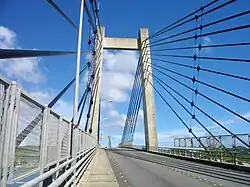
The archipelago stretches roughly 700 km from north to south, but most travel concentrates on a compact central cluster: Babeldaob (the largest island, home to the airport and the capital district of Ngerulmud/Melekeok), Koror (the commercial and tourism hub, connected to Babeldaob by the Japan–Palau Friendship Bridge), the Rock Islands between Koror and Peleliu, and the historic southern islands of Peleliu and Angaur. The far southwestern Sonsorol Islands and Hatohobei lie hundreds of kilometers away and are reached only by infrequent supply vessel or private yacht.
Terrain ranges from Babeldaob's forested volcanic interior (with waterfalls, ancient stone monoliths, and the largest mangrove system in Micronesia) to the karst limestone of the Rock Islands and the low coral platforms of Peleliu and Angaur. The climate is uniformly tropical: an annual mean temperature of about 28 °C (82 °F), humidity averaging 82%, and roughly 3,800 mm (150 inches) of rain a year. Rainfall is heaviest from July through October, but showers are short and sun reappears quickly. Crucially, Palau sits outside the main typhoon belt — direct hits are rare, which is part of why the reefs are in such good shape.
Tell us your dates and we'll tailor your Palau trip around them.
WhatsAppWhen to Visit
November to April is the drier, calmer season and the peak window for diving — visibility at Blue Corner and German Channel is typically at its best, and surface conditions for the long boat rides are gentlest. December through February brings the most international visitors; book dive operators and resorts well in advance.
May, June, and early November are pleasant shoulder periods with lower prices and still-excellent diving, punctuated by heavier afternoon showers.
July to October is the wet season. Diving continues year-round and underwater conditions remain good, but expect rain most days and choppier seas on outer-reef trips. This is the cheapest time to come.
Festivals worth planning around:
- Independence Day (1 October) — the country's largest celebration, with parades, traditional dance, and canoe races, particularly lively in Koror and Melekeok.
- Constitution Day (9 July) — civic events and cultural performances.
- Olechotel Belau Fair (typically April) — a state-by-state showcase of traditional dance, food, and handicrafts.
Visa & Entry
Palau is unusually generous on entry. US citizens receive up to one year visa-free under the Compact of Free Association. Citizens of the Federated States of Micronesia and the Marshall Islands also receive one year. Schengen-area citizens, Taiwan, and Israel receive 90 days visa-free. Nearly all other nationalities can obtain a 30-day visa on arrival at Roman Tmetuchl International Airport — the notable exceptions are citizens of Bangladesh and Myanmar, who must obtain a visa in advance.
Every visitor signs the Palau Pledge, a commitment stamped into your passport that you will act in an ecologically responsible way during your stay. It is legally enforceable. Single-use plastics and non-reef-safe sunscreens (those containing oxybenzone, octinoxate, and several other reef-toxic chemicals) are prohibited — sunscreens are screened at the airport and may be confiscated. Bring mineral-based, reef-safe alternatives or buy them on arrival.
A separate Rock Islands & Jellyfish Lake permit (around US$100, valid 10 days) is required for any boat trip into the Rock Islands and is collected by your tour operator.
This is general guidance only; verify with the nearest Palauan diplomatic mission or your airline before traveling.
Want us to time your trip around a festival? We'll handle it.
WhatsAppMoney & Costs
Palau uses the US dollar (USD). There is no local currency.
Typical daily budgets per person:
- Budget: US$100–150/day. Guest house (US$50–80), simple Bento or local plate lunch (US$8–15), no diving.
- Mid-range: US$300–450/day. Mid-tier hotel in Koror (US$120–180), restaurant meals, one two-tank boat dive (US$150).
- Luxury: US$700+/day. Five-star resort or liveaboard, private dive charters, fine dining.
A two-tank boat dive is around US$150; a Jellyfish Lake snorkel tour around US$100; airport-to-hotel transfer about US$30 (arrange in advance — taxis do not typically wait at arrivals).
ATMs exist in Koror (BankPacific, Bank of Guam) but are limited elsewhere — bring USD cash for trips to Peleliu, Angaur, or Babeldaob. Cards (Visa and Mastercard) are accepted at most hotels, dive shops, and larger restaurants in Koror but rarely outside it. Tipping is not traditionally Palauan, but it has become customary in the tourism sector: 10–15% at restaurants if service is not included, US$5–10 per tank for dive guides, and US$2–5 per bag for hotel porters.
Getting In
The only practical way in is by air. Roman Tmetuchl International Airport (ROR), locally called Airai, is on Babeldaob about 25 minutes' drive from Koror. It is served by direct scheduled flights from Manila (Philippine Airlines), Taipei (China Airlines), Guam (United), Tokyo–Narita (seasonal), and Brisbane (charter/seasonal), plus charter service from Hong Kong. Most travelers connect via Manila, Taipei, or Guam.
There are no scheduled passenger ferries to Palau. Cruise ships occasionally call at Koror, and the islands are a known stop for long-distance private yachts; experienced mariners can clear customs in Koror. There are no land borders.
We handle the bookings and budgeting — you just travel.
WhatsAppGetting Around
Within Koror: local taxis are plentiful and cheap (US$3–8 for most rides within town); they are unmetered, so confirm the fare before getting in. A handful of ride-hailing-style services operate via phone or WhatsApp rather than apps.
Between Koror and Babeldaob: the Japan–Palau Friendship Bridge connects the two islands; rental car is the most practical option for exploring Babeldaob's waterfalls, monoliths, and the capital area around Melekeok and Ngerulmud. Roads are paved on the main loop but rough on side roads. Note that Palau has a confusing mix of left- and right-hand drive vehicles (driving is on the right). Motorcycle and scooter rentals are inexpensive and well-suited to the island's modest distances.
To the Rock Islands, Peleliu, and Angaur: by boat, almost always as part of an organized dive or snorkel trip. A typical two-tank dive day involves an hour-plus boat ride each way. Peleliu can also be reached on a small domestic flight or a state-run ferry from Koror (schedule limited).
To the southwestern Sonsorol/Hatohobei islands: only by the supply vessel Atoll Way or a private yacht — trips are infrequent, basic, and require coordination with the relevant state government office in Koror.
Scams are uncommon. The main pitfalls are overpriced ad-hoc taxi rides (always agree the fare first) and unlicensed dive operators — stick to established names like Sam's Tours, Fish 'n Fins, or Neco Marine.
Culture & Etiquette
Palauan society is matrilineal — land, titles, and lineage pass through the mother's side, and senior women hold significant authority in family and clan decisions. Visitors won't navigate this directly, but it explains a certain quiet confidence in how Palauan women carry themselves in public life.
Greetings are warm but understated. Alii (pronounced "ah-LEE") means hello and is appreciated. English is widely spoken; Palauan is the everyday language; Japanese is still understood by older residents and is the official language of Angaur state (the only place in the world where Japanese has official status).
Dress is casual and tropical. There are no strict modesty codes, but cover up away from beaches and resorts, and remove shoes when entering homes or traditional bai (meeting houses).
Photography: ask before photographing people, especially elders. Inside the bai and at cultural sites, follow your guide's lead — some carvings and storyboards have spiritual significance.
Environmental etiquette is the big one. Do not touch coral, do not stand on reefs, do not chase or touch marine life (including the famous stingless jellyfish — gentle fin movement only), do not collect shells or stones from the Rock Islands, and use only reef-safe sunscreen. These rules are enforced and fines are real.
Tipping norms are covered in Money & Costs. Public drinking is illegal — keep alcohol consumption to licensed venues.
Prefer to talk it through? We're a WhatsApp message away.
WhatsAppSafety
Palau is one of the safer destinations in the Pacific. Violent crime against visitors is rare; petty theft from unattended bags on dive boats or beaches is the most common issue — use the hotel safe and don't leave electronics on the boat during dives.
On the water is where the real risks lie. The currents at Blue Corner and German Channel are strong and unforgiving; reef hooks are mandatory and these are advanced dives — do not let an operator place you on them without confirmed experience. Always dive within your certification, do safety stops, and respect surface intervals before flying out (most flights depart in the small hours, so plan your last dive accordingly).
Health considerations:
- No mandatory vaccinations for most travelers, but routine vaccines (Hepatitis A, typhoid, tetanus) should be current. Hepatitis B and Japanese encephalitis are worth discussing with a travel clinic for longer stays.
- Dengue is present; use repellent, especially around dusk and in rural Babeldaob and the outer islands. Mosquito repellent is essential if you visit Meriil ("Dancing Island").
- Tap water in Koror is generally safe to drink but most visitors stick to bottled or filtered water; outside Koror, treat or boil.
- The only hospital is Belau National Hospital in Koror; serious cases are evacuated to Guam or Manila — comprehensive travel and dive insurance with evacuation cover is essential.
Natural hazards are limited. Typhoons are rare. Earthquakes occur but are usually minor. Strong sun and dehydration are the everyday risks.
Emergencies: dial 911.
Top Regions
- Koror — the largest island and the country's commercial, dining, and dive-operator hub; almost every visitor stays here.
- Babeldaob — the big, lush volcanic island north of Koror, home to the airport, the capital district at Ngerulmud, ancient stone monoliths, and waterfalls.
- Rock Islands (Chelbacheb) — UNESCO-listed cluster of nearly 300 mushroom-shaped limestone islets, containing Jellyfish Lake and the world's most famous dive sites.
- Peleliu — quiet southern island where one of the Pacific War's bloodiest battles was fought; rusting tanks and overgrown bunkers sit alongside excellent reefs.
- Angaur — remote, sparsely populated southern outpost known for WWII history, a small surfing scene, and its unique status as the only place in the world with Japanese as an official language.
- Sonsorol Islands — far-flung southwestern states (Sonsorol and Hatohobei) reached only by supply ship or yacht; for serious off-grid travelers.
- Kayangel — northernmost atoll, a tranquil traditional outer-island community reached by small boat from northern Babeldaob.
Tell us your dates and we'll tailor your Palau trip around them.
WhatsAppTop Destinations
- Koror — the country's only real town; base for almost all dive operators, restaurants, and hotels.
- Ngerulmud / Melekeok — the modern capital complex on Babeldaob; quiet, with a striking domed Capitol building set above the coast.
- Jellyfish Lake (Ongeim'l Tketau) — marine lake on Eil Malk island where you can snorkel among (mostly) stingless golden jellyfish; numbers fluctuate seasonally with climate.
- Blue Corner — Palau's signature dive site, famous for sharks, schooling fish, and strong currents at the edge of the reef wall.
- German Channel — manta ray cleaning station and one of the most reliable big-animal dives in the country.
- Ulong Channel — drift dive past a wall of grey reef sharks and through soft-coral-covered terrain.
- Blue Holes — series of vertical limestone shafts opening into a cavern and out onto the reef wall.
- Peleliu Battlefield — preserved WWII sites including Bloody Nose Ridge, the Japanese command bunker, and abandoned tanks and aircraft.
- Ngardmau Waterfall — Babeldaob's largest waterfall, reached via jungle boardwalk; the country's best inland excursion.
- Badrulchau Stone Monoliths — mysterious basalt monoliths on northern Babeldaob, possibly the remains of an ancient bai.
- Ngatpang / Ngardok Lake — Micronesia's largest freshwater lake, a quiet contrast to the saltwater focus of most itineraries.
- Long Beach (Ngermeaus Island) — a tidal sandbar in the Rock Islands that emerges at low tide; a standard, much-photographed stop on Rock Island tours.
Regions & States
Palau has 16 regions with guides — pick one to drill into its destinations.
Aimeliik
6 destinations
Airai
8 destinations
Angaur
3 destinations
Hatohobei
3 destinations
Kayangel
2 destinations
Koror
7 destinations

Melekeok
7 destinations
Ngaraard
6 destinations
Ngarchelong
5 destinations
Ngardmau
4 destinations
Ngatpang
5 destinations
Ngchesar
5 destinations
Ngeremlengui
4 destinations
Ngiwal
5 destinations
Peleliu
7 destinations
Sonsorol
5 destinations
Not sure where to start in Palau? Tell us how you like to travel and we'll shape the route.
WhatsAppTop Destinations
The places first-time and returning travellers ask for most.
Koror
Koror is the largest town in Palau and its undisputed economic heart,…
Melekeok
Melekeok is a state on the east coast of Babeldaob, Palau's largest i…
Airai
Airai is the most important settlement in Airai State, Palau's transp…
Angaur
Angaur is the southernmost inhabited island of Palau, a small, low-ly…
Angaur
Angaur is the main village on Angaur Island, a small, standalone isla…
Choll
Choll is the northernmost settlement in Ngaraard State, located near…
Dongosaro
Dongosaro is the main village of Sonsorol State, located on Sonsorol…
Echang
Echang is a small peninsula and neighbourhood on the western edge of…
Elab
Elab is a coastal village in Ngaraard State, located on the eastern s…
Elechui
Elechui is a traditional inland village in Aimeliik State, notable fo…
Fanna
Fanna is a small, uninhabited or seasonally inhabited island approxim…
Hatohobei
Hatohobei is the principal village of Hatohobei State, one of Palau's…

Contact Us
Get in touch with us.
Get in touch
Contact Us
Tell us where you'd like to go and how you like to travel. A real Tripcuro planner — not a bot — will craft an itinerary around you.
- Personalised, hassle-free planning end-to-end
- Transparent pricing, no hidden costs
- 24/7 support for complete peace of mind