
New Zealand
Australia and New Zealand · 249 destinations across 17 regions
Photography coming soonWhy visit?
New Zealand—known in Māori as Aotearoa ("land of the long white cloud")—is an island nation in the South Pacific, located 1,600 km (1,000 miles) southeast of Australia. Its total population stands at approximately 5.3 million people. The country comprises two main landmasses: the North Island (Te Ika-a-Māui) and the South Island (Te Waipounamu), alongside smaller offshore territory including Stewart Island and the Chatham Islands. The North Island contains the national capital, Wellington, and the largest urban area, Auckland. It features active volcanic fields, geothermal valleys, and rolling farmland. The South Island is dominated by the Southern Alps mountain range, deep glacial lakes, and steep fiords.
Travelers come to New Zealand for outdoor recreation, road trips, and Māori cultural experiences. Bounded by the Tasman Sea and the Pacific Ocean, no point in the country sits more than 130 km (80 miles) from the sea. Commercial bungy jumping and jet-boating originated here, and the Department of Conservation maintains thousands of kilometers of hiking trails, including multi-day routes designated as Great Walks. Indigenous Māori customs form an active part of daily public life, visible in language, ceremonies, wood carving, and traditional meeting grounds (marae).
The climate is primarily temperate maritime, transitioning to subtropical in Northland and semi-arid continental in inland Central Otago. The Southern Alps create a heavy rain shadow: the South Island's West Coast receives 2,000–7,000 mm of annual rainfall, whereas eastern Canterbury and Otago receive 500–800 mm. Weather conditions across all regions can change quickly within a single day.
When is the best time to visit?
- Summer (December–February): Peak travel season. Daily high temperatures range from 20°C to 26°C (68°F–79°F). Long daylight hours make this the primary window for coastal activities and alpine hiking. High demand requires booking accommodation, campervans, and Great Walks huts months in advance.
- Autumn (March–May): High temperatures average 14°C to 21°C (57°F–70°F). Settled weather, lower visitor numbers, and autumn foliage in Central Otago make this season ideal for driving tours and trail hiking.
- Winter (June–August): High temperatures range from 7°C to 15°C (45°F–59°F), with overnight inland temperatures dropping below -3°C (27°F). Ski fields operate in Queenstown, Wanaka, and Mount Ruapehu. Mountain passes frequently require snow chains.
- Spring (September–November): High temperatures average 12°C to 19°C (54°F–66°F). Spring rain feeds alpine waterfalls, and wild lupins bloom along the Mackenzie Basin in November. Weather remains variable.
Rainfall is distributed across the year without a distinct wet or dry season. The West Coast stays damp year-round, while eastern regions receive less precipitation.
Tell us your dates and we'll tailor your New Zealand trip around them.
WhatsAppDo you need a visa?
Citizens of roughly 60 visa-waiver nations—including Australia, the United States, Canada, the United Kingdom, European Union countries, Japan, Singapore, and South Korea—can visit without a visa for up to 90 days (UK citizens up to 180 days; Australian citizens hold automatic residence rights).
Most visa-exempt travelers must secure a New Zealand Electronic Travel Authority (NZeTA) prior to departure. The NZeTA costs NZD $17 via the official mobile app or NZD $23 via the government website and remains valid for two years. All NZeTA applicants must pay the International Visitor Conservation and Tourism Levy (IVL) of NZD $100.
Travelers from non-visa-waiver countries (including India and China) must apply online for a standard Visitor Visa before travel (application fee approximately NZD $341). Visa on arrival is not offered.
How much does it cost?
Currency: New Zealand Dollar (NZD). Symbol: $. Exchange rate: approximately 1 NZD = 0.61 USD (1 USD ≈ 1.64 NZD).
Daily Budgets:
- Budget: NZD $90–$140 (USD $55–$85) per day. Covers hostel dorm beds, self-catering meals from supermarkets, and intercity buses.
- Mid-range: NZD $220–$380 (USD $135–$230) per day. Covers private motel or 3-star hotel rooms, cafe meals, and rental car expenses.
- Luxury: NZD $600+ (USD $365+) per day. Covers 4- or 5-star hotels, luxury lodges, fine dining, and guided activity tours.
EFTPOS debit cards and credit cards (Visa and Mastercard) are accepted nationwide for almost all transactions. Tipping is not customary or expected in restaurants or taxis, and no service charges are added to dining bills.
Want us to time your trip around a festival? We'll handle it.
WhatsAppTransport
By Air
New Zealand is served by four primary international airports:
- Auckland Airport (AKL): Primary international gateway, located 21 km (13 miles) south of Auckland city center (25–40 minute drive). Handles direct long-haul flights from Asia, North America, the Middle East, and the Pacific.
- Christchurch Airport (CHC): Main South Island entry point, located 10 km (6 miles) northwest of Christchurch city center (20 minute drive). Direct connections to Australia and Asian hubs.
- Wellington Airport (WLG): Located 8 km (5 miles) southeast of the capital (15 minute drive). Handles domestic routes and trans-Tasman flights to Australia.
- Queenstown Airport (ZQN): Located 8 km (5 miles) east of town (15 minute drive). Operates domestic routes and seasonal trans-Tasman flights from Australia.
Key airlines include Air New Zealand, Jetstar, Qantas, Virgin Australia, Singapore Airlines, and Emirates. Non-stop flight duration to Auckland: Sydney (3 hours), Los Angeles (12–13 hours), Singapore (10.5 hours).
By Bus
Long-distance bus travel is operated primarily by InterCity NZ (intercity.co.nz), connecting major towns across both islands.
- Auckland to Rotorua: 4–5 daily departures, journey time 4 hours, single fare NZD $25–$65 (USD $15–$40).
- Christchurch to Queenstown: 1–2 daily departures, journey time 8 hours 10 minutes, single fare NZD $45–$95 (USD $28–$58).
- Wellington to Palmerston North: 3 daily departures, journey time 2 hours 15 minutes, single fare NZD $18–$35 (USD $11–$21).
Travel passes such as FlexiPass allow pre-purchased travel hours across the network.
By Train
Long-distance passenger trains are run by KiwiRail under the Great Journeys New Zealand brand. Services focus on scenic routes:
- TranzAlpine: Runs daily between Christchurch and Greymouth (223 km / 138 miles), crossing the Southern Alps via Arthur's Pass. Journey time: 4.5 hours one-way. Fares start from NZD $249 (USD $152) in Scenic Class, or NZD $499 (USD $304) in Scenic Plus class (includes hosted dining).
- Northern Explorer: Operates 3 times weekly between Auckland and Wellington (680 km / 422 miles) through the central North Island volcanic plateau. Journey time: 11 hours one-way. Fares start from NZD $249 (USD $152).
- Coastal Pacific: Operates seasonally (Spring to Autumn) between Christchurch and Picton (348 km / 216 miles) along the South Island coastline. Journey time: 5.5 hours one-way. Fares start from NZD $259 (USD $158).
By Car
Driving is the most common method for touring New Zealand. Traffic runs on the left side of the road.
- Key Routes:
- State Highway 1 (SH1): Extends full length from Cape Reinga (North Island) to Bluff (South Island), connected by Cook Strait vehicle ferries.
- State Highway 6 (SH6): Runs down the South Island West Coast, connecting Nelson, Franz Josef Glacier, Wanaka, and Queenstown.
- Distances and Drive Times:
- Auckland to Wellington (SH1): 640 km (398 miles), 8–9 hours.
- Christchurch to Queenstown (SH8 via Lake Tekapo): 480 km (298 miles), 6 hours.
- Nelson to Greymouth (SH6): 285 km (177 miles), 3.5–4 hours.
- Drivers must carry a valid domestic driver's licence. If the licence is not in English, an official translation or International Driving Permit (IDP) is required.
By Ferry
Inter-island passenger and vehicle ferries cross Cook Strait between Wellington (North Island) and Picton (South Island). Operators Interislander and Bluebridge run multiple daily sailings. Journey time: 3.5 hours. Fares start at NZD $55–$85 (USD $34–$52) per foot passenger and NZD $180–$300 (USD $110–$183) for a vehicle with driver.
Getting Around
- Urban Transport: Main cities operate bus networks—AT Metro in Auckland, Metlink in Wellington, and Metro in Christchurch. Auckland and Wellington run suburban commuter rail lines. Auckland operates public passenger ferries across Waitemata Harbour and to Waiheke Island (40 minutes, NZD $30–$55 return).
- Fares & Cards: Electronic transit cards provide discounted fares: AT HOP Card (Auckland), Snapper Card (Wellington), and Metrocard (Christchurch). Single urban bus fares range from NZD $2.00 to $6.00 (USD $1.20 to $3.70).
- Rideshare & Taxis: Uber and Ola operate in Auckland, Wellington, Christchurch, Queenstown, and Hamilton. Taxi fares start at a base rate of approximately NZD $3.50 plus NZD $1.80 per kilometer.
What is there to see?
- Te Papa Tongarewa (National Museum of New Zealand, Wellington): National museum located on Wellington's waterfront featuring bicultural history exhibits, earthquake simulators, and giant squid specimens. Entry fee: NZD $35 (USD $21) for international adults 16+; free for New Zealand residents and children under 16.
- Hobbiton Movie Set (Matamata): Preserved 12-acre film set used in The Lord of the Rings and The Hobbit trilogies, featuring 44 hobbit holes and the Green Dragon Inn. Entry fee: NZD $130 (USD $80) for adult guided tour.
- Wai-O-Tapu Thermal Wonderland (Rotorua): Geothermal area displaying colorful mineral pools, including the Champagne Pool and Lady Knox Geyser. Entry fee: NZD $40 (USD $24) for adults; NZD $15 for children.
- Milford Sound / Piopiotahi (Fiordland National Park): Glacier-carved fiord bordered by Mitre Peak (1,692 m) and waterfalls. National park entry is free; scenic boat cruises range from NZD $89 to $150 (USD $54–$92).
- Waitomo Glowworm Caves (Waitomo): Underground limestone cave system viewed via a silent boat ride under thousands of bioluminescent Arachnocampa luminosa glowworms. Entry fee: NZD $81 (USD $50) for adults; NZD $37 for children.
- Aoraki / Mount Cook National Park (Mackenzie Region): Alpine reserve enclosing New Zealand's highest peak (3,724 m). Free park entry; features the 10 km return Hooker Valley Track.
- Waitangi Treaty Grounds (Bay of Islands): Historic site where New Zealand's founding document was signed in 1840. Entry fee: NZD $74 (USD $45) for international adults; includes entry to two museums, a guided tour, and a Māori cultural performance.
- Sky Tower (Auckland): 328-meter observation tower providing 360-degree views across the Auckland region. Entry fee: NZD $47 (USD $29) for adults; NZD $25–$32 for children.
We handle the bookings and budgeting — you just travel.
WhatsAppWhat are the things to do?
- Bungy Jumping in Queenstown: Jump from the historic Kawarau Bridge (43 meters), the site of the world's first commercial bungy operation managed by AJ Hackett. Cost: NZD $265 (USD $162) per person.
- Trek the Tongariro Alpine Crossing: A 19.4 km day hike across active volcanic terrain in Tongariro National Park, passing crater lakes and Mt Ngāuruhoe. Trail shuttle transport costs NZD $45–$60 (USD $28–$37).
- Glacier Heli-Hiking at Franz Josef or Fox Glacier: Take a helicopter flight onto the glacier ice for a guided walk using crampons through ice caves and pinnacles. Cost: NZD $550–$750 (USD $336–$458).
- Sea Kayaking in Abel Tasman National Park: Paddle along granite headlands and beaches, observing fur seals near Tonga Island Marine Reserve. Rental or guided day trips cost NZD $120–$180 (USD $73–$110).
- Wine Tasting in Marlborough and Central Otago: Visit cellar doors in Marlborough for Sauvignon Blanc or Central Otago for Pinot Noir. Tasting fees range from NZD $10 to $25 (USD $6–$15), often waived with bottle purchases.
What should you eat?
- Fergburger (Queenstown): Busy central eatery on Shotover Street serving large gourmet burgers made with grass-fed New Zealand beef, venison, and pork belly. Cuisine: Gourmet Burgers. Price tier: Budget/Mid-range (NZD $15–$24 / USD $9–$15 per burger).
- Ortega Fish Hut (Wellington): Bistro focused on fresh local seafood, serving wild-caught fish, Bluff oysters, and regional wines. Cuisine: Seafood / New Zealand. Price tier: Mid-range/Upscale (NZD $36–$54 / USD $22–$33 for main courses).
- Depot Eatery & Oyster Bar (Auckland): Casual dining venue founded by chef Al Brown, serving raw seafood, freshly shucked oysters, and wood-fired small plates. Cuisine: Seafood / Grill. Price tier: Mid-range (NZD $24–$42 / USD $15–$26 per plate).
- Inati (Christchurch): Chef's-table restaurant serving sharing plates centered on Canterbury produce and seasonal meats. Cuisine: Modern New Zealand. Price tier: Upscale (NZD $25–$45 / USD $15–$27 per plate; tasting menu NZD $140+ / USD $85+).
- Amisfield Restaurant (Lake Hayes, Queenstown): Winery restaurant serving a multi-course seasonal degustation paired with Central Otago wines. Cuisine: Fine Dining / Contemporary New Zealand. Price tier: Luxury (NZD $490 / USD $300 per person tasting menu).
Prefer to talk it through? We're a WhatsApp message away.
WhatsAppWhere to stay?
- Budget: Shared dorm beds in backpacker hostels (such as LyLo Auckland, Haka House Queenstown, or YHA networks) or powered campsites at holiday parks. Rates: NZD $35–$65 (USD $21–$40) for dorm beds; NZD $90–$140 (USD $55–$85) for private basic rooms or campsite cabins.
- Mid-range: Self-contained motel units, 3- to 4-star hotels, or serviced apartments (such as Quest Apartments, Novotel, or Scenic Hotel Group). Rates: NZD $180–$350 (USD $110–$214) per night for a double room.
- Upscale / Luxury: High-end boutique lodges, 5-star hotels, or luxury retreats (such as Huka Lodge in Taupo, Eichardt's Private Hotel in Queenstown, or Matakauri Lodge). Rates: NZD $750–$2,500+ (USD $458–$1,530+) per night.
What are the local customs?
- Māori Customs: Show respect at marae (meeting grounds) and tapu (sacred) locations. Remove footwear prior to entering a wharenui (meeting house). The traditional hongi greeting (pressing foreheads and noses) occurs during formal welcome ceremonies (pōwhiri).
- Social Norms: New Zealanders are direct and informal. Remove shoes when entering private homes. Queueing is expected in public lines. Tipping is not customary in restaurants or bars.
- Environmental Care: Adhere to the Tiaki Promise: leave no litter, remain on marked trails in national parks, clean footwear at wash stations to stop the spread of kauri dieback disease, and keep safe distances from native wildlife.
Tell us your dates and we'll tailor your New Zealand trip around them.
WhatsAppIs it safe?
- Emergency Contact: Dial 111 for police, fire, or ambulance services across New Zealand.
- Backcountry & Alpine Hazards: Mountain weather changes rapidly. Check Department of Conservation (DOC) weather alerts, register trip details, and carry a satellite emergency transmitter (PLB) when trekking in remote areas.
- Water Safety: Swim between red and yellow flags on patrolled ocean beaches to avoid rip currents. Boil or treat all surface backcountry water to avoid Giardia infection.
- Solar Exposure: Ultraviolet (UV) radiation levels are high due to thin ozone layer coverage. Apply SPF 50+ sunscreen and wear sunglasses, even on overcast days.
Where to go next?
- Fiji (Nadi - NAN): 2,100 km (1,300 miles) north of Auckland (3 hours flight time). Tropical Pacific island archipelago known for coral reef diving, island resorts, and beaches.
- Sydney, Australia (SYD): 2,150 km (1,335 miles) west of Auckland (3 hours 15 minutes flight time). Australia's largest city, featuring the Sydney Harbour Bridge, Sydney Opera House, and coastal beaches.
- Rarotonga, Cook Islands (RAR): 3,000 km (1,860 miles) northeast of Auckland (4 hours flight time). Self-governing South Pacific island nation using the New Zealand Dollar, offering lagoon swimming and Polynesian culture.
- Melbourne, Australia (MEL): 2,640 km (1,640 miles) west of Auckland (3.5 hours flight time). Cultural center known for laneway cafes, arts, and proximity to the Great Ocean Road.
Regions & States
New Zealand has 17 regions with guides — pick one to drill into its destinations.

Auckland
18 destinations
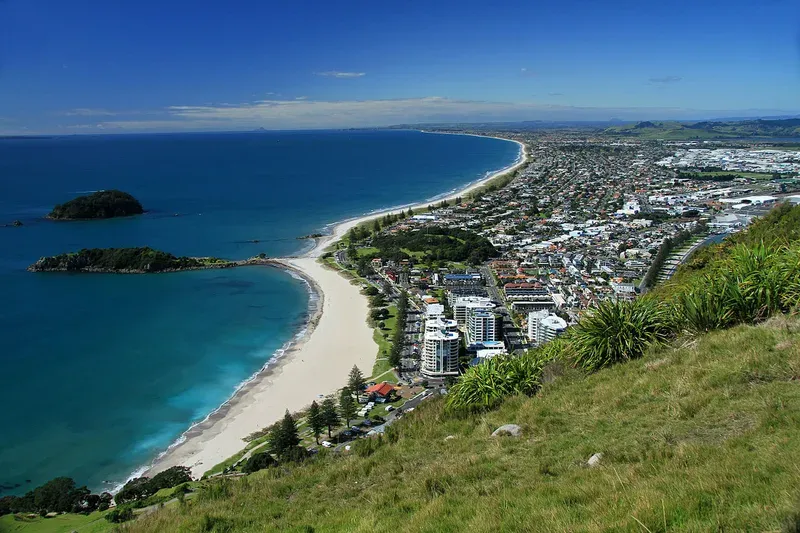
Bay of Plenty
14 destinations

Canterbury
21 destinations

Chatham Islands Territory
7 destinations

Gisborne
9 destinations

Greater Wellington
15 destinations

Hawke's Bay
11 destinations

Manawatū-Whanganui
16 destinations
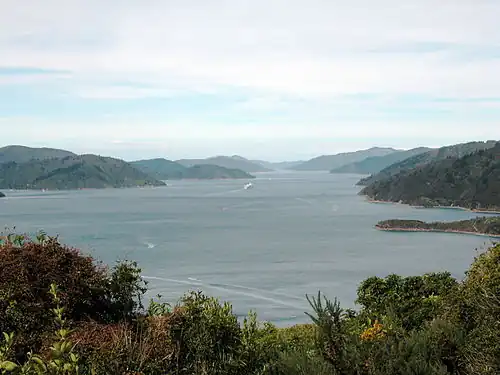
Marlborough
9 destinations
Nelson
5 destinations

Northland
17 destinations

Otago
21 destinations

Southland
19 destinations
Taranaki
11 destinations
Tasman
15 destinations

Waikato
26 destinations

West Coast
15 destinations
Not sure where to start in New Zealand? Tell us how you like to travel and we'll shape the route.
WhatsAppTop Destinations
The places first-time and returning travellers ask for most.
Abel Tasman National Park
Abel Tasman National Park sits on the northern tip of the South…
Akaroa
Akaroa is a charming harbourside village tucked into a wide bay on…

Aoraki / Mount Cook
Aoraki / Mount Cook is New Zealand's highest peak at 3,724 metres and…
Arrowtown
Arrowtown is a picturesque former gold-mining village set on the…

Arthur's Pass
Arthur's Pass takes its name from surveyor Arthur Dudley Dobson, who…
Auckland
Auckland is a city shaped by water, volcanoes, and the world.
Bay of Islands
The Bay of Islands is an inlet on the northeastern coast of New…
Bluff
Bluff is a small port town at the southern tip of the South Island…
Cambridge
Cambridge is a small, leafy town in the Waikato region of New…

Cape Reinga
Cape Reinga, known in Māori as Te Rerenga Wairua ("the leaping-off…

Christchurch
Christchurch (Māori: Ōtautahi) is the largest city in New Zealand's…

Coromandel Town
Coromandel Town is a small, leafy settlement of around 1,500 people…

Contact Us
Get in touch with us.
Get in touch
Contact Us
Tell us where you'd like to go and how you like to travel. A real Tripcuro planner — not a bot — will craft an itinerary around you.
- Personalised, hassle-free planning end-to-end
- Transparent pricing, no hidden costs
- 24/7 support for complete peace of mind