
Kiribati
Micronesia · 33 destinations across 3 regions
Photography coming soonOverview
Kiribati (pronounced Kiri-bahss) is one of the planet's most remote and least-visited nations — 33 coral atolls and reef islands scattered across 3.5 million km² of the central Pacific, straddling the equator and the International Date Line. Its Line Islands are the first place on Earth to greet each new day. For travellers willing to trade comfort for genuine remoteness, Kiribati offers aquamarine lagoons, untouched reefs, World War II relics from the Battle of Tarawa, and one of the warmest welcomes in the Pacific.
This is not a polished resort destination. Infrastructure is thin, flights are infrequent, accommodation is basic outside the capital, and the country is consistently ranked among Oceania's poorest. What you get in return is rare: communal village life largely untouched by mass tourism, the world's largest marine protected area in the Phoenix Islands, and atoll landscapes most outsiders will never see. Kiribati suits independent travellers, divers, World War II history buffs, and anyone drawn to places that ask something of the visitor.
A note on urgency: Kiribati is among the most climate-vulnerable nations on Earth, with rising sea levels already threatening its low-lying atolls. The government has purchased land in Fiji as a contingency for eventual relocation. Visiting now means seeing a culture and geography that may not exist in its current form within a generation.
Geography & Climate
Kiribati's territory is split across four widely separated groups. The Gilbert Islands in the west are the demographic heartland — 16 atolls including the capital Tarawa, holding the vast majority of the population. The Line Islands lie roughly 3,300 km to the east and include Kiritimati (Christmas Island), the world's largest coral atoll by land area. The Phoenix Islands sit between them, almost entirely uninhabited apart from a handful of families on Kanton. Banaba (Ocean Island), a raised limestone island west of the Gilberts, stands apart geologically and has a population of around 300.
Terrain is uniformly flat — most land sits less than 2 metres above sea level, with the highest natural point on Banaba reaching just 81 m. Expect thin strips of coral and sand fringing turquoise lagoons, coconut palms, breadfruit, pandanus, and very little else.
The climate is equatorial: hot, humid, and sauna-like year-round. Daytime highs sit around 30–32°C with little seasonal variation in temperature; humidity is the defining feature. The wet season generally runs November to April with heavier rains and occasional severe storms, while May to October is drier and slightly more comfortable. Severe drought also strikes periodically, particularly during La Niña years. The Line Islands are drier than the Gilberts.
Tell us your dates and we'll tailor your Kiribati trip around them.
WhatsAppWhen to Visit
The most pleasant window is May to October, the drier season, when humidity is marginally lower and rainfall less disruptive to inter-island flights and boat travel. June to August is peak for visitors, particularly divers and game fishers headed to Kiritimati.
Shoulder season months of April and November can offer good conditions with fewer visitors, though weather is less predictable. November to March is the wet season — expect heavy downpours, higher humidity, and a greater chance of flight cancellations.
Festivals worth timing a trip around:
- Independence Day (12 July) — the country's biggest celebration, with several days of dancing, sporting events, and traditional botaki feasts, especially vibrant on Tarawa.
- New Year's Eve — Kiritimati and the Line Islands are the first inhabited places on Earth to enter the new year (UTC+14), a small but unique draw.
- Te Maeva cultural performances and village dance competitions are held intermittently through the year — ask locally on arrival.
Visa & Entry
Kiribati offers visa-free entry for stays of up to 30 days to citizens of a wide range of countries, including Australia, New Zealand, the United Kingdom, the United States, Canada, Japan, South Korea, Singapore, Malaysia, most EU member states (Germany, France, Italy, Spain, Netherlands, Belgium, Austria, Sweden, Denmark, Finland, Ireland, Portugal, Poland, Hungary, Czech Republic, Slovakia, Slovenia, Estonia, Latvia, Lithuania, Luxembourg, Bulgaria, Romania, Cyprus, Malta, Greece), Switzerland, and most Pacific and Commonwealth Caribbean nations.
Travellers from countries not on the visa-waiver list must apply in advance through a Kiribati honorary consulate (locations include Sydney, Honolulu, Suva, Hamburg, Tokyo, Seoul, Auckland, and London) or, with sufficient lead time, by writing directly to the Principal Immigration Officer, Ministry of Foreign Affairs, P.O. Box 68, Bairiki, Tarawa.
A passport valid for at least six months beyond your date of entry, proof of onward travel, and evidence of sufficient funds are typically required. There is no e-visa system.
Note: Visa rules change frequently. Confirm requirements with the nearest Kiribati consulate or your country's foreign affairs office before booking.
Want us to time your trip around a festival? We'll handle it.
WhatsAppMoney & Costs
The official currency is the Australian Dollar (AUD), denoted by $. Kiribati issues its own coinage (5¢, 10¢, 20¢, 50¢, $1, $2) pegged 1:1 to the Australian dollar; Australian banknotes circulate freely.
Typical daily budgets:
- Budget: AUD 80–130 (USD 55–85) — guesthouse or homestay on South Tarawa, local rice-and-fish meals, shared minibus transport.
- Mid-range: AUD 180–300 (USD 120–200) — a room at one of the few hotels in Tarawa or Kiritimati, restaurant meals, taxi hire.
- Luxury: AUD 400+ (USD 270+) — top-end accommodation on Kiritimati (limited stock), guided fishing or diving charters, chartered inter-island flights.
Charters and dive packages on Kiritimati for sport fishing can run to AUD 600–1,200 per day.
ATMs and cards: ATM coverage is extremely limited and unreliable — found mainly in South Tarawa (ANZ Bank). Card acceptance is rare outside the largest hotels. Bring sufficient Australian dollars in cash for the duration of your stay, especially if heading to outer islands or Kiritimati, where there are essentially no banking facilities for visitors.
Tipping: Not customary and not expected. A small token of appreciation for exceptional service is fine but never required.
Getting In
By air is the only practical option for visitors.
- Bonriki International Airport (TRW) on South Tarawa is the main gateway. Fiji Airways operates twice-weekly non-stop flights from Nadi (NAN), about 3 hours, with onward connections to Australia, New Zealand, Japan, North America, and Europe via Oneworld codeshares. Nauru Airlines connects Tarawa with Nauru (INU), Honiara (HIR), and Nadi.
- Cassidy International Airport (CXI) on Kiritimati is served by a weekly Fiji Airways flight on the Nadi–Honolulu (HNL) routing, making Kiritimati a convenient stop for travellers based in Hawaii or Fiji.
- Air Marshall Islands runs a fortnightly Majuro (MAJ) – Tarawa service (around USD 330 if ticketed in the Marshall Islands); proof of onward travel is required for one-way bookings.
There are no scheduled passenger ferries from outside Kiribati. A handful of cruise ships call at Tarawa or the Phoenix/Line Islands each year, and visiting yachts can clear customs at Betio (South Tarawa) or English Harbour (Kiritimati).
We handle the bookings and budgeting — you just travel.
WhatsAppGetting Around
By air is essential for moving between island groups — the Gilberts, Phoenix, and Line Islands are not connected by any regular surface service.
- Air Kiribati runs two turboprops on scheduled flights to most inhabited Outer Islands in the Gilbert group. Fares are relatively affordable but schedules shift; always reconfirm return flights immediately on arrival at any outer island.
- Coral Sun Airways offers an alternative to Air Kiribati for some Gilbert routes and operates charters.
- There is no scheduled air link between the Gilbert and Line Islands within Kiribati — to reach Kiritimati from Tarawa, most travellers route via Fiji.
By ship: Inter-island cargo/passenger boats serve the Gilbert group from Betio harbour on South Tarawa. Schedules are informal and conditions are very basic — ask at the harbour. Crossings can take days and are not recommended for travellers on tight itineraries.
On the islands themselves: South Tarawa has a single road running the length of the atoll, served by shared minibuses (a few dollars per ride) and taxis. On most outer islands and Kiritimati, transport is by bicycle, motorbike, hired 4WD, or on foot. There is no Uber, Grab, or equivalent rideshare anywhere in Kiribati.
Driving: Left-hand side. International Driving Permit recommended.
Common issues: The most frequent traveller complaint is flight disruption — cancellations and reschedules are common. Build buffer days into any itinerary and never plan to fly out of Tarawa or Kiritimati on the same day as an international connection.
Culture & Etiquette
I-Kiribati culture is communal, deeply tied to the extended family (utu) and the village maneaba (meeting house), and famously welcoming to outsiders. Visitors are routinely invited to dances, feasts, and church services.
Greetings: A handshake is standard. Mauri ("hello") is universally appreciated. Take time for small talk — abruptness reads as rude.
Dress: Modesty is the norm. Women should keep shoulders and knees covered away from the beach, and swimwear is for the water only — wear a sarong or shorts and a T-shirt over swimwear when walking through villages. Men should wear a shirt off the beach. For church visits (Christianity is overwhelmingly dominant), dress neatly: long trousers or skirts, covered shoulders.
The maneaba: If invited into one, remove your shoes, sit cross-legged on the floor, and don't point your feet at anyone. Don't stand or walk with your head higher than seated elders if you can avoid it. Accept food and drink when offered.
Photography: Always ask before photographing people, especially in villages and at ceremonies. WWII sites and beaches are fine. Avoid photographing government buildings without permission.
Sundays: Largely observed as a day of rest. Many shops close, and loud activity near villages is frowned upon.
Tipping: Not customary — see Money & Costs above.
Prefer to talk it through? We're a WhatsApp message away.
WhatsAppSafety
Kiribati has a low rate of violent crime against tourists and is generally a very safe destination by global standards. Petty theft (opportunistic, particularly on South Tarawa) is the main concern — keep valuables out of sight and don't leave belongings unattended on beaches.
Health:
- Drinking water: Tap water is not safe to drink anywhere in Kiribati, including Tarawa. Stick to bottled or properly treated water. Sanitation infrastructure on South Tarawa is poor and waterborne illness is the most common cause of traveller sickness.
- Vaccinations: Routine vaccinations should be up to date; hepatitis A and typhoid are commonly recommended; hepatitis B and tetanus boosters worth checking. Yellow fever certificate required if arriving from a country with risk of transmission.
- Mosquito-borne disease: Dengue is present — use repellent and cover up at dusk. Malaria is not present.
- Medical care: Very limited. The main hospital is Tungaru Central Hospital on South Tarawa; serious cases require evacuation to Fiji or further. Comprehensive travel insurance with medical evacuation cover is essential — non-negotiable for any trip here.
- Sun and heat: Equatorial sun is brutal. High-SPF sunscreen, a hat, and constant hydration are critical.
Natural hazards: Kiribati lies outside the main cyclone belt but is increasingly exposed to king tides, coastal flooding, and storm surges driven by climate change. Tsunamis are a low but real risk across the Pacific.
Emergencies: 999 (general), 192 (police), 193 (fire), 194 / +686 195 (medical).
Top Regions
- South Tarawa — the densely populated capital strip and main entry point; home to government, the international airport, and the WWII battlefields of Betio.
- North Tarawa — quieter, more traditional villages connected by causeways and boats north of the capital, with better beaches and a glimpse of pre-modern atoll life.
- Outer Gilbert Islands — the cultural heartland; islands like Abemama, Butaritari, Marakei, and Maiana offer traditional villages, near-empty beaches, and WWII relics.
- Banaba (Ocean Island) — geologically distinct raised coral island with phosphate-mining ruins and dramatic cliffs; very rarely visited.
- Line Islands (Northern) — Kiritimati, Tabuaeran, and Teraina; remote, dry, and known internationally for world-class fly fishing and diving.
- Phoenix Islands — the world's largest marine protected area; almost completely uninhabited and largely closed to casual visitors, but a holy grail for marine scientists and serious adventurers.
Tell us your dates and we'll tailor your Kiribati trip around them.
WhatsAppTop Destinations
- Tarawa (South Tarawa) — the tiny, ribbon-thin capital; hub of government, commerce, and inter-island transport.
- Betio — the western tip of South Tarawa, site of the bloody 1943 Battle of Tarawa, with bunkers, coastal guns, tanks, and ship wrecks visible at low tide.
- Bairiki — administrative centre of South Tarawa, home to government offices and the Kiribati Tourism office.
- Bikenibeu — eastern South Tarawa, with the airport at nearby Bonriki and several of the country's better hotels and restaurants.
- North Tarawa — strung-out traditional villages reached by causeway and boat, offering homestays and a far quieter atoll experience.
- Kiritimati (Christmas Island) — the world's largest coral atoll, world-famous for bonefish and giant trevally fly fishing, plus excellent birdwatching.
- Abemama — a quiet atoll once home to Robert Louis Stevenson, with WWII remnants, traditional villages, and a striking lagoon.
- Butaritari — northern Gilberts atoll with lush vegetation (unusually green for Kiribati), WWII sites, and the wreck-strewn waters of the Battle of Makin.
- Banaba (Ocean Island) — remote raised island with phosphate-era ruins and clifftop scenery; reaching it requires patience and a boat.
- Tabuaeran (Fanning Island) — Line Islands atoll with one of the most picturesque lagoons in the Pacific, occasionally visited by cruise ships.
- Teraina (Washington Island) — small, rarely visited Line Islands atoll with a freshwater lake (a rarity in Kiribati) and dense coconut groves.
- Phoenix Islands Protected Area (PIPA) — a UNESCO World Heritage marine reserve covering 408,250 km²; access is heavily restricted but the reefs and seabird colonies are world-class.
Regions & States
Kiribati has 3 regions with guides — pick one to drill into its destinations.
Not sure where to start in Kiribati? Tell us how you like to travel and we'll shape the route.
WhatsAppTop Destinations
The places first-time and returning travellers ask for most.

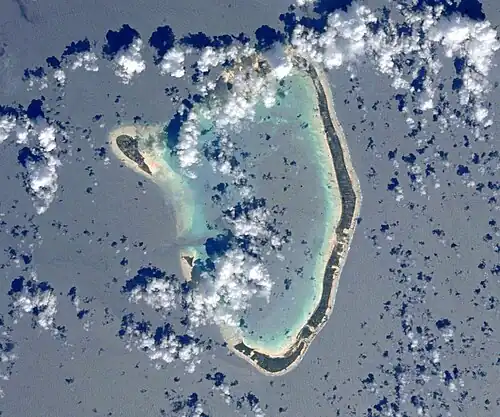
Abaiang
Abaiang is a quiet coral atoll in the Gilbert Islands chain of Kiriba…
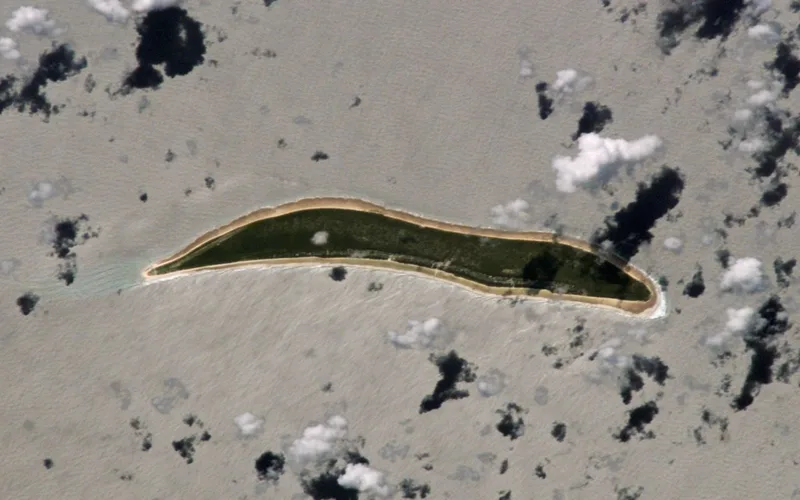
Abemama
Abemama is a 16-square-kilometre atoll with a population of roughly 3…
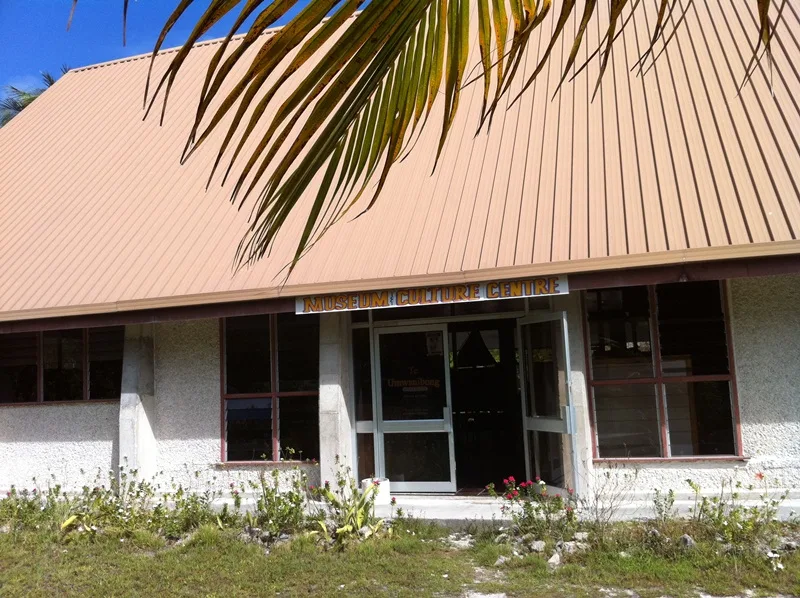
Arorae
Arorae is the southernmost inhabited island of the Gilbert Islands ch…
Bikenibeu
Bikenibeu is one of the easternmost villages strung along South Taraw…
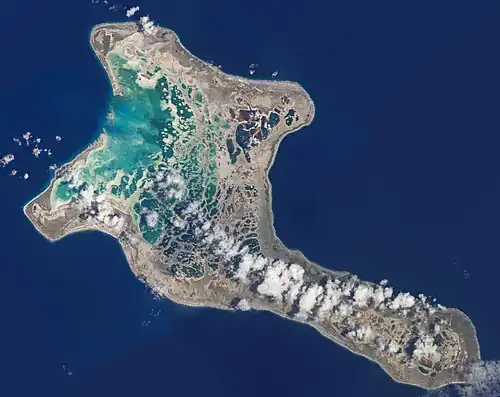
Kiritimati
Kiritimati — pronounced "kee-rees-mass" and better known to English…
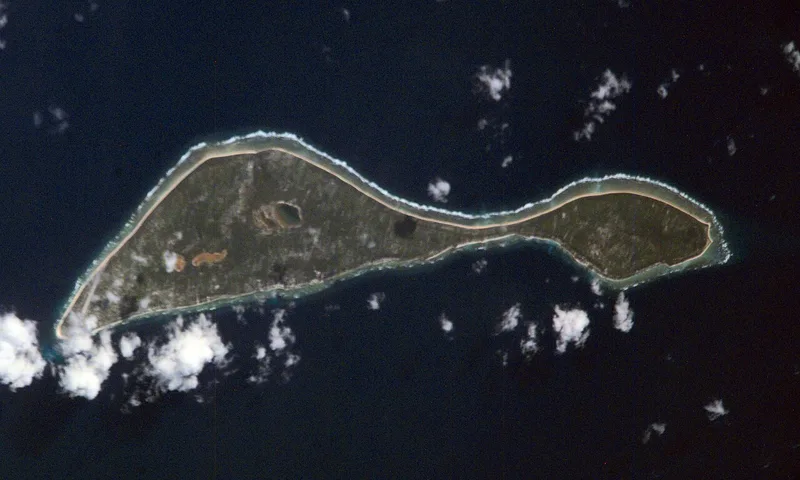
Nikunau
Nikunau is a small reef island in the southern Gilbert Islands of Kir…
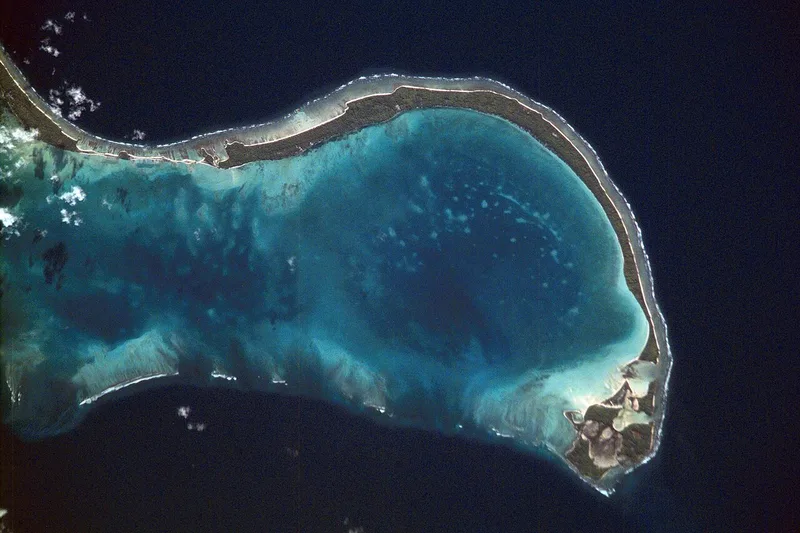
Onotoa
Onotoa is a small, low-lying coral atoll in the southern Gilbert Isla…
South Tarawa
South Tarawa is the densely populated southern arm of Tarawa Atoll an…
Tabuaeran
Tabuaeran — known to most outsiders as Fanning Island or Fanning At…
Tamana
Tamana is one of the smallest and most remote inhabited islands of Ki…
Tarawa
Tarawa is a coral atoll in the central Pacific and the political and…
Aranuka
Aranuka is a small triangular atoll in the central Gilbert Islands of…

Contact Us
Get in touch with us.
Get in touch
Contact Us
Tell us where you'd like to go and how you like to travel. A real Tripcuro planner — not a bot — will craft an itinerary around you.
- Personalised, hassle-free planning end-to-end
- Transparent pricing, no hidden costs
- 24/7 support for complete peace of mind