
Venice
Veneto, Italy
Why visit Venice?
Venice (Italian: Venezia) is a sanctuary on a lagoon that is virtually the same as it was 600 years ago, adding to its fascinating character. Built across 118 small islands in the Venetian Lagoon, connected by some 400 bridges over 150 canals, the city is unlike any other on Earth — a place where roads are waterways and buses are boats. Venice and its lagoon are a UNESCO World Heritage Site, and the city remains one of Italy's most important cultural centres, with roughly 250,000 inhabitants (and nearly a million in the wider metropolitan area).
Venice was the capital of the Most Serene Republic, which dates back to 827 and endured for 970 years, prospering on trade — especially from the Silk Road — under a Roman-style Senate headed by the Doge. The Republic grew into a powerful city-state and a cradle of the Italian Renaissance. In the late 15th century, Ottoman expansion and the shift of commerce to the Atlantic diminished Venice's political power. Napoleon conquered the city in 1797, and it later passed to Austria-Hungary before joining unified Italy. Today Venice is a monument to its glory days, though it suffers from overtourism and the ongoing challenge of acqua alta (flooding).
The city is divided into six sestieri (districts): San Marco (the main sights — St Mark's Basilica, Doge's Palace), San Polo (Rialto Bridge, markets), Dorsoduro (Guggenheim, Accademia galleries, student quarter), Castello (Arsenale, quieter residential areas), Cannaregio (Jewish Ghetto, more local character), and Santa Croce (transit hub for buses and trams from the mainland). The climate is humid subtropical: hot and humid in summer (July–August, 28–30°C), cool and damp in winter (December–February, 3–8°C). Mid-to-late spring (April–June) and early autumn (September–October) are the best times — pleasant temperatures and manageable crowds. November through January can feel like you have Venice to yourself, though it's chilly and foggy. Acqua alta is most common in the colder months; sirens sound when flooding begins, and raised walkways are deployed in the alleys.
Planning Venice? Tell us your dates and we’ll tailor the trip.
Ask on WhatsAppHow do you get there?
By Plane
Venice Marco Polo Airport (VCE) is the main airport, located on the mainland near Mestre, about 13 km north of the historic centre. It has extensive international connections across Europe, North America, and the Middle East. Transport options to the city include:
- ATVO express bus 35 to Piazzale Roma: runs 06:00–01:10 from the airport (04:20–00:40 return), ~20 min, €10 one-way / €18 return, luggage included.
- ACTV city bus (Line 5) to Piazzale Roma: same fare as ATVO, slightly longer journey.
- Alilaguna water bus to San Marco, Rialto, and other stops: ~1 h 15 min to San Marco, around €15 one-way.
- Water taxi: directly to your hotel's dock, very convenient but expensive (€100–130+ to the centre).
- Private shuttle services (GoOpti, etc.) bookable online.
Free WiFi available at the airport for 30 min without registration, longer with registration.
Treviso Airport (TSF), about 40 km north, is served by Ryanair and other low-cost carriers. ATVO and other bus services connect it to Venice (Piazzale Roma) in about 1 h 10 min.
By Train
Venezia Santa Lucia is the main railway station, located at the western end of the Grand Canal on the island of Venice itself. High-speed trains connect Venice to Milan (2 h 30 min), Rome (3 h 45 min), Florence (2 h), and Bologna (1 h 30 min) via Frecciarossa and Italo services. Regional trains run to Padua (30 min), Verona (1 h 15 min), Trieste (2 h), and Innsbruck (via the Brenner line). Venezia Mestre is the mainland station where all trains stop before crossing the lagoon bridge; if staying in Mestre, you can alight there. Book high-speed tickets via Trenitalia or Italo for the best fares.
By Car / Road
Venice is connected to the mainland via the Ponte della Libertà (Bridge of Liberty). From Milan (270 km, ~2 h 45 min): take the A4 east. From Verona (120 km, ~1 h 20 min): take the A4 east. From Padua (35 km, ~30 min): take the A4 east. From Bologna (155 km, ~1 h 40 min): take the A13 then A4. There is no driving in the historic city — you must park at Piazzale Roma (the last point accessible by car, expensive at €21–29/day in the municipal garage) or Tronchetto island (slightly cheaper). Alternatively, park in Mestre (much cheaper, €5–10/day) and take a train or bus across the lagoon. ACTV and ATVO buses serve Piazzale Roma from the mainland and airports.
Venice has no cars, no buses, and no bicycles within the historic centre — all transport is by water or on foot. Walking is the primary way to explore; the city is compact but labyrinthine, and getting lost in the narrow calli (alleyways) is part of the experience. The Grand Canal splits the city in two and is served by the vaporetto (water bus) network, run by ACTV. Key lines include Line 1 (stopping at every stop along the Grand Canal, ~45 min end to end) and Line 2 (express service, fewer stops). A single vaporetto ticket costs €9.50 and is valid for 75 minutes — expensive, so a travel pass (24 h: €25; 48 h: €35; 72 h: €45; 7-day: €65) is worthwhile if you plan to ride more than twice. The No. 2 line also serves Giudecca, and lines run to Murano, Burano, and Torcello islands. Water taxis are available but very expensive (starting fare around €15, with per-minute charges on top). Traghetti are large gondola ferries that cross the Grand Canal at several points for €2 per crossing. Gondola rides are a tourist experience, not transport — standard rates are around €80 for 30 min (daytime) or €100 (evening), for up to 6 passengers.
What are the things to do?
San Marco
- Basilica di San Marco — Piazza San Marco. A masterpiece of Byzantine architecture, begun in the 9th century and expanded over centuries. The interior is covered in gold mosaics spanning 8,000 m². Free entry to the basilica; the Pala d'Oro altarpiece (€5), Treasury (€3), and museum/Loggia dei Cavalli (€7) have separate fees. Arrive early or book online to avoid massive queues.
- Palazzo Ducale (Doge's Palace) — Piazza San Marco. The seat of Venetian power for centuries, a Gothic masterpiece with lavish state rooms, Tintoretto's Paradise in the Sala del Maggior Consiglio, and the Bridge of Sighs connecting to the prisons. Open daily 9:00–18:00 (varies seasonally). €25 or included in the Museum Pass.
- Campanile di San Marco — Piazza San Marco. The 99-metre bell tower, rebuilt in 1912 after collapsing in 1902. Elevator to the top for panoramic views. €10.
- Ponte dei Sospiri (Bridge of Sighs) — Connecting the Doge's Palace to the prisons. Best viewed from the Ponte della Paglia outside (free) or from inside on the palace tour.
San Polo & Rialto
- Ponte di Rialto (Rialto Bridge) — The iconic marble bridge spanning the Grand Canal, completed in 1591. Lined with shops and always crowded.
- Rialto Market — The historic fish and produce market on the Grand Canal, operating mornings (Mon–Sat). Arrive early for the best atmosphere.
- Santa Maria Gloriosa dei Frari — A vast Gothic church housing Titian's Assumption and Pesaro Madonna, plus Donatello's wooden St John the Baptist. €5.
Dorsoduro
- Gallerie dell'Accademia — The finest collection of Venetian art, from Bellini and Titian to Tintoretto and Veronese. €12.
- Peggy Guggenheim Collection — Palazzo Venier dei Leoni, Grand Canal. A world-class modern art museum (Picasso, Pollock, Dalí, Kandinsky) in Guggenheim's former home. €16.
- Basilica di Santa Maria della Salute — A magnificent 17th-century baroque church at the entrance to the Grand Canal. Free entry.
Castello
- Arsenale — The historic shipyard that was the industrial heart of the Venetian Republic. Partially accessible during the Venice Biennale.
- Basilica di San Giovanni e Paolo — Venice's pantheon, with tombs of 25 doges and equestrian monuments.
- Riva degli Schiavoni — The broad waterfront promenade stretching from the Doge's Palace eastward, with views across to San Giorgio Maggiore island.
Cannaregio
- Jewish Ghetto (Ghetto Nuovo) — The world's first ghetto (the word "ghetto" comes from Venice). A historic square surrounded by tall buildings, with several synagogues and a small museum.
- Ca' d'Oro — A 15th-century Gothic palazzo on the Grand Canal, now an art gallery. €8.
Islands
Murano — A 15-min vaporetto ride from Fondamente Nove. Famous for glass-making since 1291; visit the Museo del Vetro (Glass Museum, €10) and watch glass-blowing demonstrations.
Burano — A 40-min vaporetto ride. Known for its brightly painted fishermen's houses and lace-making tradition.
Torcello — The oldest continuously inhabited island in the lagoon, now sparsely populated. The Cathedral of Santa Maria Assunta (7th century) has stunning Byzantine mosaics.
Gondola ride — The quintessential Venice experience. Standard rate: ~€80 for 30 min (daytime), ~€100 (evening), for up to 6 passengers. Agree on the route and price before boarding.
Venice Biennale — The world's most prestigious contemporary art exhibition, held in odd-numbered years (with the Architecture Biennale in even years) at the Arsenale and Giardini. Runs roughly May–November.
Venice Film Festival — Held annually on the Lido island in late August/September, the world's oldest film festival (founded 1932).
Vaporetto tour of the Grand Canal — Ride Line 1 from Piazzale Roma to San Marco for a slow, scenic cruise past palaces. A €9.50 single ticket covers this 45-min journey.
Cicchetti crawl — Venice's version of tapas hopping. Visit bacari (wine bars) sampling small bites (cicchetti) and ombra (small glasses of wine). The Rialto and San Polo areas are prime territory.
Day trips to the islands — Spend a half-day exploring Murano, Burano, and Torcello by vaporetto.
Planning Venice? Want these on a customised itinerary?
Ask on WhatsAppWhere to eat?
Venetian cuisine revolves around seafood and lagoon ingredients. Signature dishes include sarde in saor (sardines in sweet-and-sour onion sauce), risotto al nero di seppia (cuttlefish ink risotto), baccalà mantecato (whipped salt cod on crostini), fegato alla veneziana (liver with onions), and risi e bisi (rice and peas, traditionally served on St Mark's Day). Cicchetti at bacari are the best budget option.
- Osteria alle Testiere — Calle del Mondo Novo, Castello. Tiny, acclaimed seafood restaurant; book well ahead. Upscale.
- Trattoria alla Madonna — Near Rialto. A Venetian institution since 1954, serving classic seafood dishes. Mid-range.
- Antiche Carampane — San Polo. Hidden away from tourist routes, excellent traditional Venetian cooking. Mid-range–upscale.
- All'Arco — San Polo, near Rialto. A legendary cicchetti bar with creative small bites and standing-room-only atmosphere. Budget.
- Al Merca — Near Rialto Market. Another excellent bacaro for cicchetti and wine. Budget.
- Ristorante Linea d'Ombra — Dorsoduro, with terrace views of the Giudecca Canal. Upscale seafood dining. Upscale.
Vegetarian options exist but are limited in traditional Venetian restaurants; pasta al pomodoro, grilled vegetables, and polenta are usually available. Gluten-free choices are increasingly offered in tourist-area restaurants. Prices are notably higher than elsewhere in Italy.
Where to drink?
Spritz — made with Aperol, Select, or Cynar — is the standard Venetian aperitivo, served in every bar (€3–5 at bacari, €7–10 in tourist-facing bars near San Marco). Prosecco is produced in the Veneto region and is ubiquitous. Ombra — a small glass of wine — is the traditional bacaro drink. Veneto wines include Valpolicella, Soave, and Bardolino. Caffè Florian on Piazza San Marco (opened 1720) is one of the world's most famous cafés — worth a visit for the atmosphere, though prices are extreme (€6–8 for a coffee at a table, with a live music surcharge). Harry's Bar near San Marco, birthplace of the Bellini cocktail (prosecco and white peach purée), is another legendary spot. Tap water in Venice is safe and excellent, drawn from the mainland.
Planning Venice? We’ll book the stays and dining for you.
Ask on WhatsAppWhere to stay?
- Budget: Generator Venice — On Giudecca island, a stylish hostel in a converted palazzo; dorm beds from €25–45/night. We Crociferi — A hostel in a restored medieval building in Cannaregio; dorms from €20–40/night.
- Mid-range: Hotel Al Ponte Antico — Near the Rialto Bridge, a charming three-star with Grand Canal views; rooms from €120–200/night. Hotel Casa Verardo — Castello, a well-run three-star near St Mark's; €100–180/night.
- Upscale / heritage: The Gritti Palace — A Luxury Collection Hotel on the Grand Canal, facing Santa Maria della Salute; one of the world's great hotels, rooms from €500–1,200/night. Hotel Danieli — A legendary five-star steps from the Doge's Palace, with rooftop restaurant; rooms from €400–900/night. Book months ahead, especially during Carnival and the Biennale.
What should you buy?
Murano glass is the iconic Venetian souvenir — buy from workshops on Murano island for authenticity (look for the Vetro Artistico Murano trademark). Burano lace is another traditional craft, though genuine hand-made lace is rare and expensive. Venetian masks (maschere) are sold throughout the city, ranging from cheap tourist versions to hand-painted artisan pieces; Ca' Macana (Dorsoduro) and Tragicomica (San Polo) are reputable mask shops. Leather goods are sold around Rialto and San Marco. The Rialto Market is the best place for food shopping. Avoid buying from street vendors selling counterfeit goods — it's illegal and you can be fined. Bargaining is not expected in shops.
Where to go next?
- Murano, Burano & Torcello — 15–40 min by vaporetto. The lagoon islands make an easy half-day or full-day trip (see "See" above).
- Padua — ~35 km west, 30 min by train. A vibrant university city with Giotto's Scrovegni Chapel and the world's oldest botanical garden.
- Verona — ~120 km west, 1 h 15 min by train. Shakespeare's city, with a superb Roman Arena hosting summer opera.
- Vicenza — ~75 km west, 40 min by train. A UNESCO World Heritage city of Palladian architecture.
- Treviso — ~40 km north, 30 min by train. A charming walled city with canals, prosecco wine bars, and far fewer tourists.
- Chioggia — ~25 km south, 1 h by bus or boat. A smaller, less touristy version of Venice — a working fishing town on the southern lagoon.
Sample itinerary
Venice features in a real Tripcuro trip — see the full day-by-day plan.
Switzerland & Italy Scenic Rail
10 Nights · Switzerland · Italy · Couple
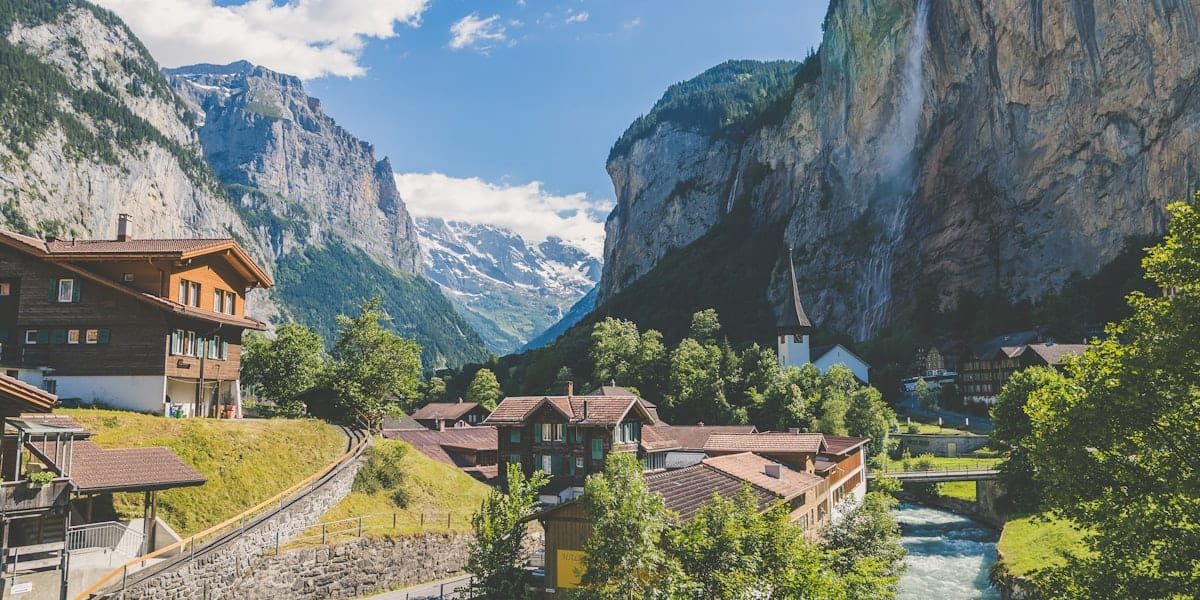
An all-rail loop from the Swiss Alps to the heart of Italy: Jungfraujoch, the Glacier and Bernina Express, then Venice's canals, Florence's galleries and Rome's Vatican and Colosseum.
Highlights: Jungfraujoch — Top of Europe · Glacier Express Zermatt to Chur · Bernina Express to Italy · Venice island gondola · Uffizi & David in Florence · Vatican & Colosseum in Rome
Italy Honeymoon Rail Loop
9 Nights · Italy · Honeymoon couple
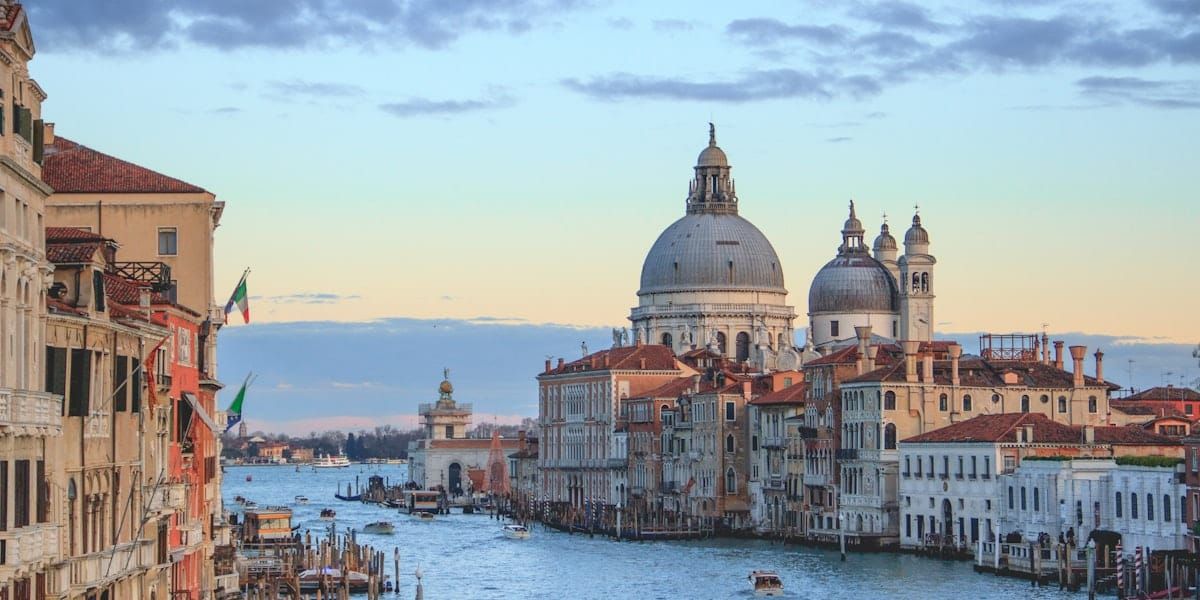
A classic first-time Italy honeymoon as a rail loop from Milan: three nights in Rome, two in Florence, two in Venice, with an anniversary evening on a private gondola. No internal flights, no long drives.
Highlights: Colosseum, Forum & Palatine · Vatican Museums & Sistine Chapel · Uffizi Gallery · Private gondola in Venice · Murano & Burano islands · Milan Duomo rooftop
Rome, Venice, Paris & Amsterdam Grand Tour
11 Nights · Italy · France · Netherlands · Couple
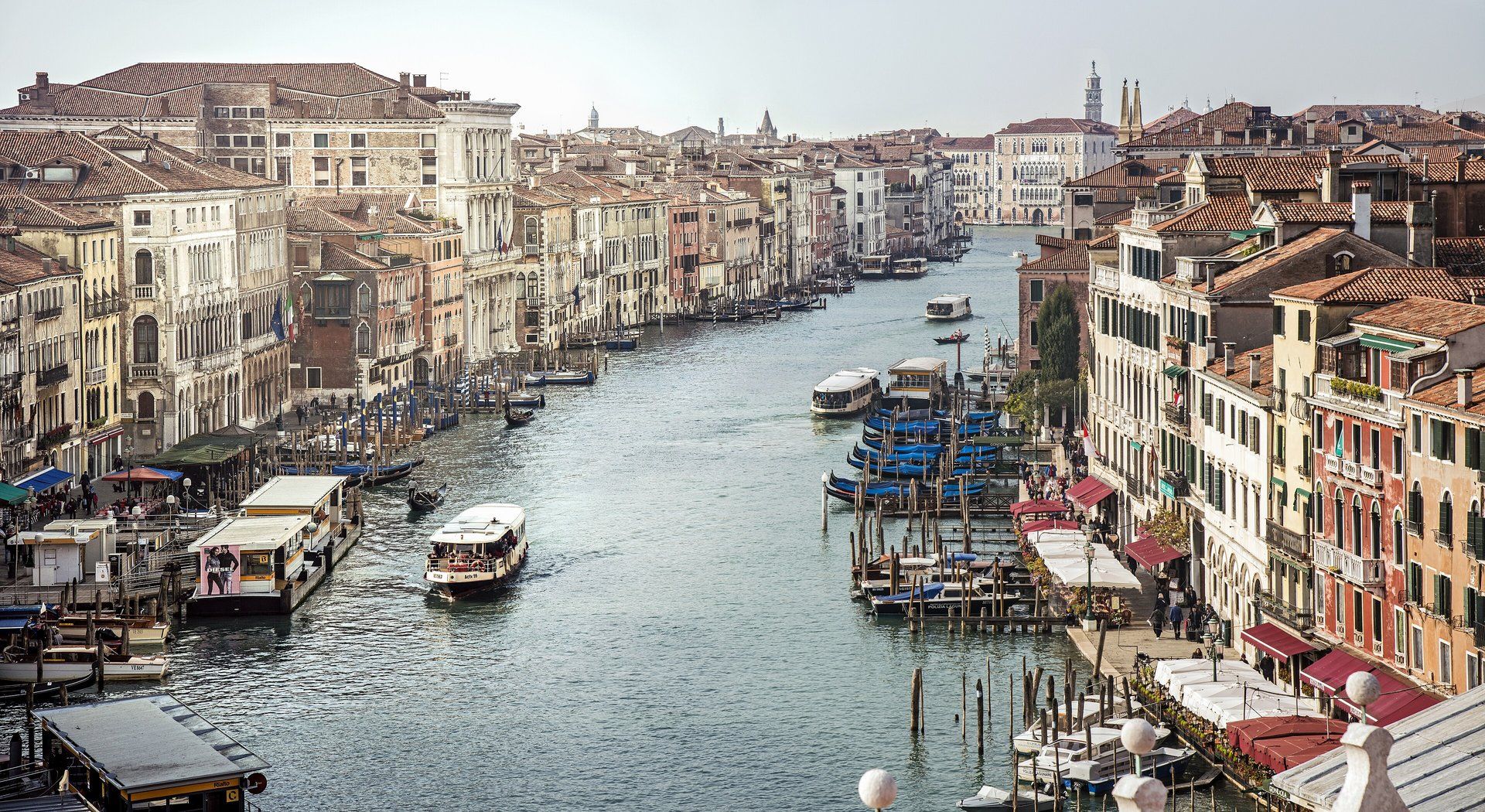
An open-jaw grand tour from ancient Rome to Amsterdam's canals, taking in island Venice, Murano and Burano, and Paris's icons. A single short Venice-Paris hop saves a wasted travel day; everything else rides Frecciarossa and Eurostar high-speed rail.
Highlights: Vatican Museums, the Sistine Chapel and St Peter's Basilica · Colosseum Full Experience with the Forum and Palatine · Frecciarossa to Venice island, Doge's Palace and a gondola · Murano and Burano by vaporetto · Eiffel Tower, the Louvre and Versailles in Paris · Eurostar to Amsterdam and the Anne Frank House
Swiss Alps to Venice, Florence & Rome
10 Nights · Switzerland · Italy · Couple
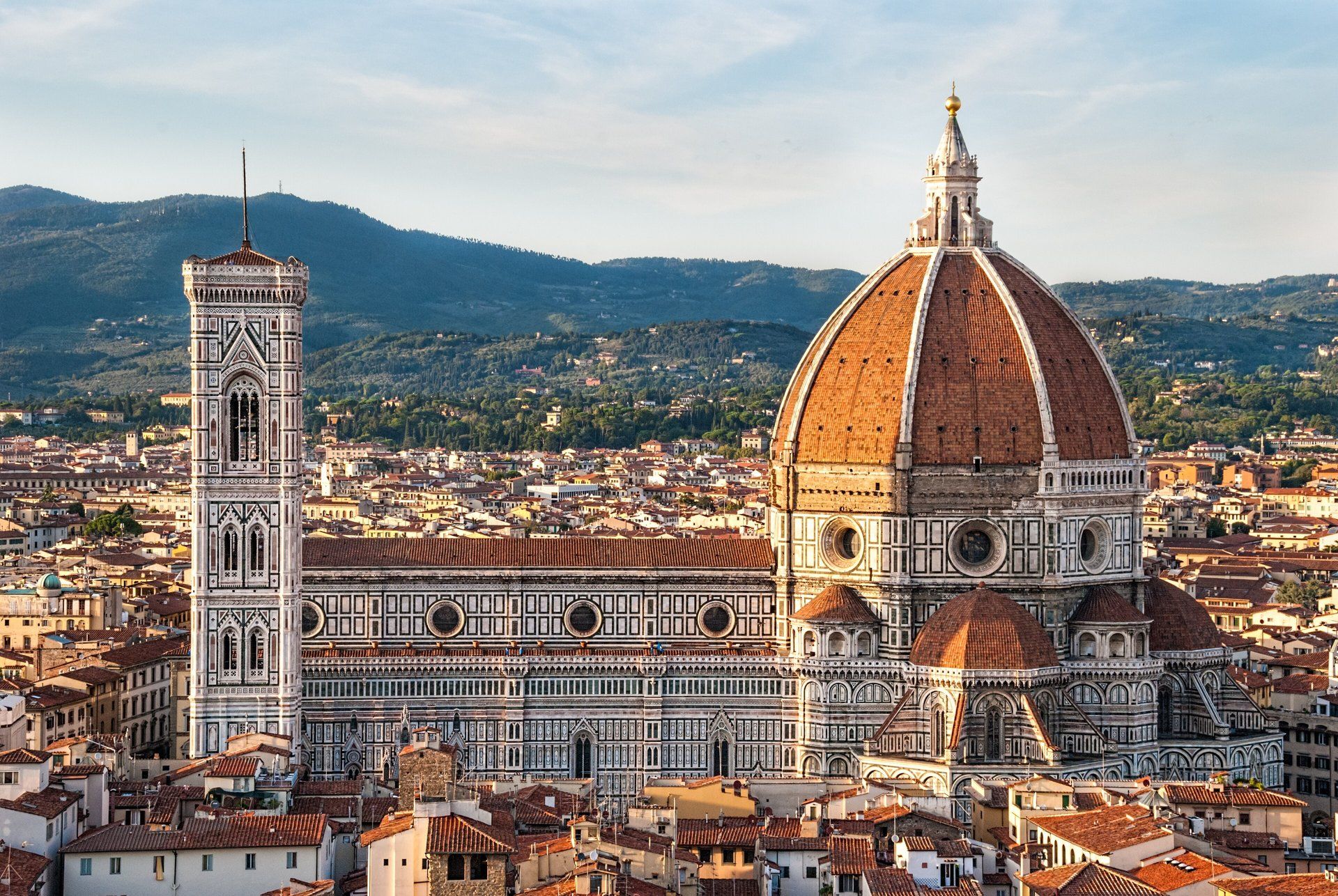
The showpiece Swiss rail journeys — Glacier Express, Bernina Express and Jungfraujoch — flow straight into Venice, Florence and Rome. An all-rail arc pairing Alpine scenery and Matterhorn views with Italy's greatest art cities and ancient monuments.
Highlights: Jungfraujoch, the Top of Europe, from Interlaken · Glacier Express from Zermatt to Chur · Bernina Express from Chur to Tirano · Mt Pilatus and Gornergrat for Matterhorn views · Doge's Palace on Venice island and the Uffizi in Florence · Vatican Museums and the Colosseum in Rome
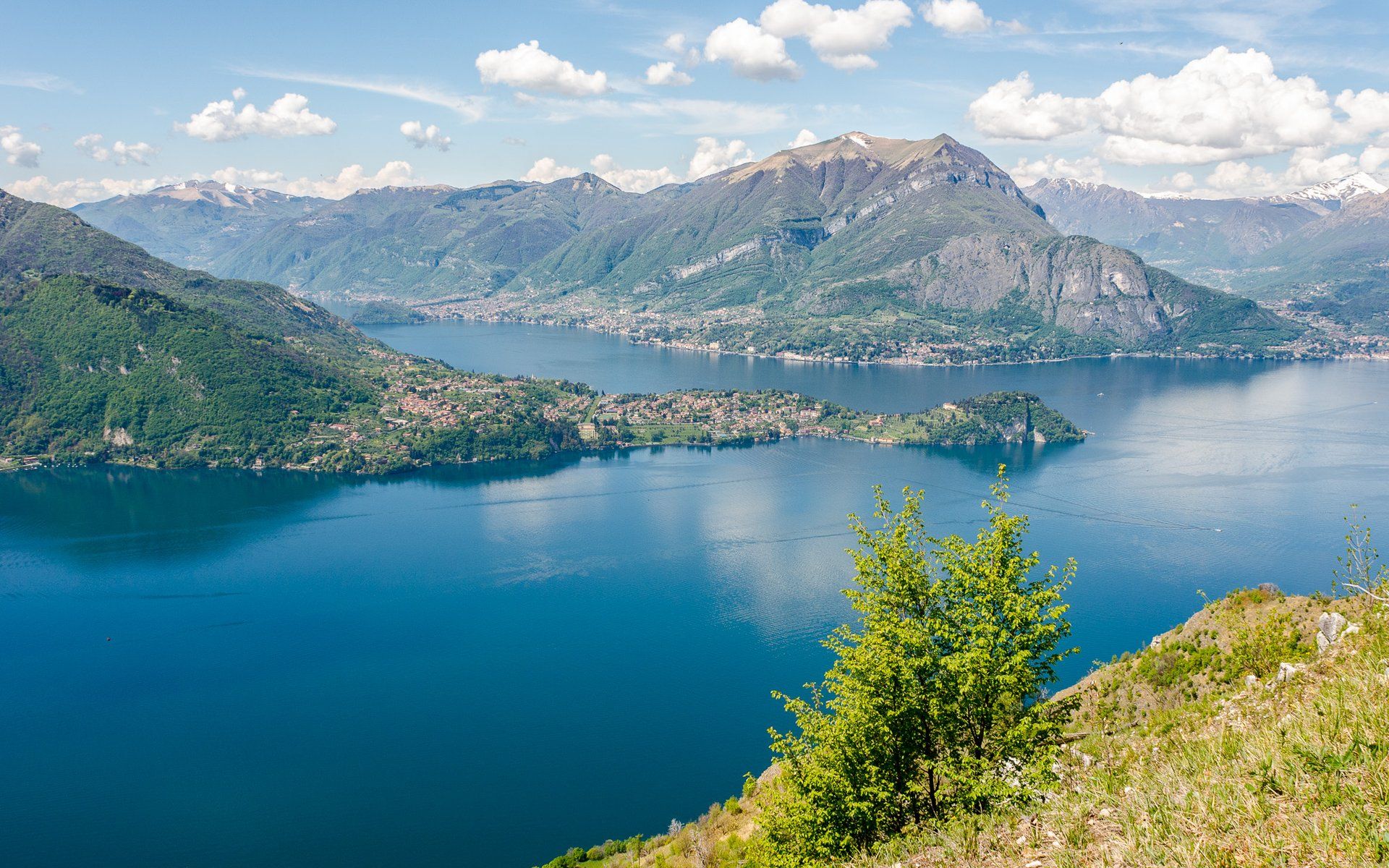
Italy Honeymoon: Rome, Florence, Venice & a Lake Como Finale
11 Nights · Italy · Couple · honeymoon
A classic first-time Italy honeymoon on the Frecciarossa rail spine - ancient Rome, Renaissance Florence, the canals of Venice, and a romantic three-night Lake Como finale. The anniversary falls on a full, unhurried day in Venice, capped by a private gondola ride at dusk.
Highlights: The Colosseum, Roman Forum and the Vatican's Sistine Chapel · Florence's Uffizi, Michelangelo's David and a Piazzale Michelangelo sunset · St Mark's Basilica and the Doge's Palace in Venice · A private dusk gondola ride for the anniversary · Bellagio and Villa del Balbianello on Lake Como · The whole route on Italy's high-speed Frecciarossa trains
Nearby in Veneto
More places to explore around Venice.
Guide content as of June 2026. Portions adapted from Wikivoyage, CC BY-SA 4.0.

Contact Us
Get in touch with us.
Get in touch
Contact Us
Tell us where you'd like to go and how you like to travel. A real Tripcuro planner — not a bot — will craft an itinerary around you.
- Personalised, hassle-free planning end-to-end
- Transparent pricing, no hidden costs
- 24/7 support for complete peace of mind