
Bakı
Azerbaijan · Municipality · 12 destinations with guides
Photography coming soonWhy visit?
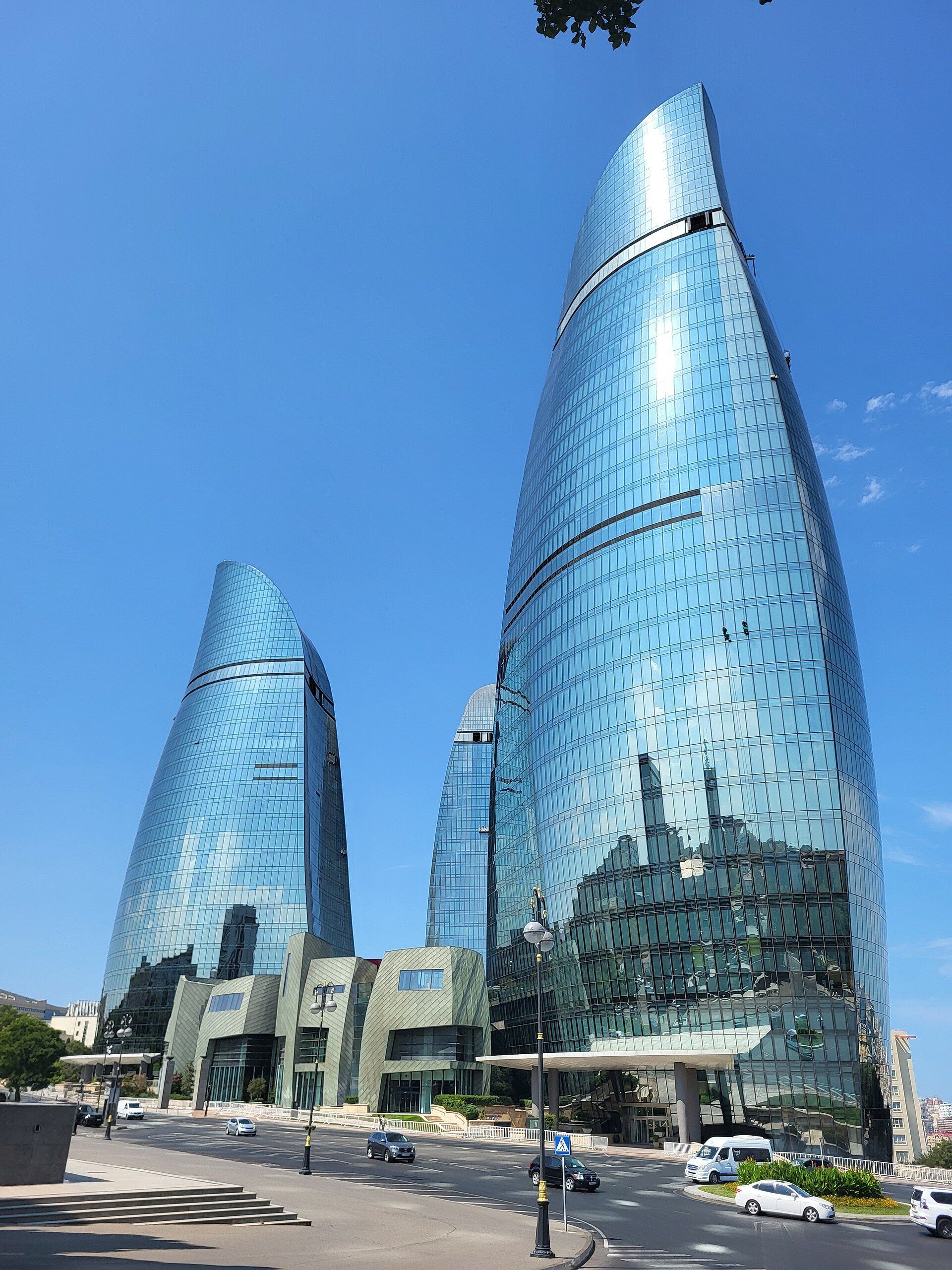
Bakı (Baku), the capital and largest city of Azerbaijan, is a sprawling metropolis of over two million people perched on the western shore of the Caspian Sea. Often called the "Land of Fire" for its ancient Zoroastrian heritage and natural gas flares, the city is a striking fusion of medieval old-town alleyways, Soviet-era boulevards, and futuristic architecture that has redefined the skyline since the oil boom of the 2000s. The UNESCO-listed Icheri Sheher (Old City) forms the historic heart, while the Flame Towers, Heydar Aliyev Center, and the glass-walled Crystal Hall signal a city racing confidently into the twenty-first century.
As a municipality-level unit, Bakı encompasses far more than the urban core. Its eastern coastline stretches into beachside settlements such as Mardakan, Buzovna, Bilgah, and Shuvalan, where Baku residents decamp on summer weekends. The southern suburbs host the Ateshgah fire temple at Surakhani and the atmospheric village of Bibiheybat, while the oil-rich districts of Sabunchu and Amirjan carry the industrial legacy that first put Azerbaijan on the world map. Qala, on the southeastern edge, preserves a medieval fortress and open-air museum that contrast sharply with the city's glass-and-steel center.
Whether visitors come for the UNESCO heritage, the avant-garde architecture, the Caspian waterfront, or simply the legendary Azerbaijani hospitality, Bakı rewards exploration across its many layers. The city's public transit network, compact old quarter, and growing selection of boutique hotels make it one of the most accessible and exciting capitals in the South Caucasus.
When is the best time to visit?
Spring (April–May) and autumn (September–October) offer the most comfortable weather, with daytime temperatures between 18 °C and 25 °C and manageable winds. These shoulder seasons are ideal for wandering the Old City and exploring the coastal settlements without the summer heat or winter chill.
Summer (June–August) is peak season along the Caspian beaches of Buzovna, Bilgah, and Shuvalan, though temperatures regularly exceed 35 °C and the city can feel muggy. The annual Baku Jazz Festival typically falls in late June or July, and the Formula 1 Azerbaijan Grand Prix (held on a street circuit around the Old City) takes place in late April or early May, drawing international crowds.
Winter (December–February) is mild by regional standards but windy, with temperatures hovering between 3 °C and 8 °C. The Novruz holiday in late March brings festive markets, bonfires, and street performances that spill out across the city. Ramadan is observed by many residents, though the secular atmosphere means restaurants remain open throughout.
Tell us your dates and we'll shape a Bakı route around them.
WhatsAppHow do you get around?
The Bakı Metro, with three lines and more than 25 stations, is the fastest way to cross the city center. Trains run from approximately 6:00 AM to midnight, and fares are paid with a BakiKart rechargeable card. The metro connects key sights including the Old City (Icheri Sheher station), the Twenty January Square, and the waterfront promenade.
Buses and minibuses (marshrutkas) fill the gaps, covering suburbs and beach settlements such as Mardakan, Buzovna, and Surakhani along the eastern coastal road. Taxis are inexpensive and widely available through the Bolt and Yango ride-hailing apps; a trip from the city center to the beach resorts typically costs 10–20 AZN. For the coastal villages, regular suburban buses depart from the Avtovagzal (central bus station) every 20–30 minutes during peak hours.
The Baku–Quba highway heads north out of the municipality, and the Baku–Ələt motorway provides a fast link south toward the Absheron Peninsula and beyond. For day trips, renting a car is straightforward but parking in the city center is tight; most visitors rely on taxis and public transit within Bakı itself.
Where should you go?
- Mardakan — a seaside resort on the Absheron Peninsula known for its 14th-century stone tower, palm-lined promenades, and family-friendly beaches.
- Buzovna — a popular beach village east of Bakı with fine sand, seaside cafés, and a relaxed summer atmosphere away from the urban core.
- Surakhani — home to the Ateshgah Fire Temple, a UNESCO-recognized site where natural gas vents once fed perpetual flames revered by Zoroastrians and Hindus.
- Bibiheybat — a coastal quarter housing one of Azerbaijan's most sacred mosques, set above crumbling oil fields and Caspian cliffs.
- Qala — a southeastern village preserving a medieval fortress, a traditional lifestyle museum, and open-air exhibits of Absheron folk culture.
- Shuvalan — an upscale beach settlement with resort hotels, eucalyptus groves, and calm waters popular with Baku families.
- Bilgah — a coastal village with a historic mosque, sandy beach, and several resort complexes serving as weekend escapes from the capital.
- Mashtaga — an inland village on the Absheron Peninsula known for its ancient stone carvings and proximity to Baku's northern suburbs.
- Sabunchu — the site of the world's first industrial oil field (1846), now a working-class district with museums tracing Azerbaijan's petroleum history.
- Amirjan — an industrial suburb with panoramic hilltop views over the Caspian and remnants of early oil infrastructure.
- Zira — a quiet coastal village on the southern tip of the Absheron Peninsula, known for its medieval ruins and uncrowded shoreline.
- Pirshagi — a tranquil seaside hamlet east of Baku, favored by anglers and those seeking a slower pace along the Caspian.
Want the scenic legs and stays booked for you? Just ask.
WhatsAppWhat should you eat?
Bakı is Azerbaijan's culinary capital, where the traditions of a dozen regions converge. The signature dishes include plov (saffron-tinted rice pilaf with lamb, chestnuts, and dried fruits), dolma (stuffed grape leaves and cabbage rolls), and kebabs of lamb, beef, and chicken grilled over charcoal. Piti, a slow-cooked lamb and chickpea stew served in individual clay pots, is a Bakı staple, especially in the Old City's traditional restaurants. For breakfast, try qutab (thin stuffed flatbreads with herbs, pumpkin, or minced meat) and a cup of strong black tea brewed in an armudu (pear-shaped) glass.
The Fish Market (Bazar Square) near the Old City offers the freshest Caspian sturgeon and caviar, though prices have risen sharply due to conservation regulations. Street food vendors sell saj bread, kebabs, and balık ekmek (fish sandwiches) along the Seaside Boulevard. Dietary considerations: pork is avoided in observant Muslim households, and most restaurants clearly mark halal options; vegetarian and vegan choices are increasingly available in central Baku.
What is the culture like?
Baku's cultural calendar is anchored by several major events. The Baku Jazz Festival (June–July) fills concert halls and open-air stages across the city. The Novruz celebrations in late March bring street performances, bonfires, and sweet stalls selling shekerbura and pakhlavas. The Mugham Festival (typically September) celebrates Azerbaijan's classical vocal tradition, recognized by UNESCO as intangible cultural heritage.
The city's museums span the Heydar Aliyev Center (avant-garde architecture and rotating exhibitions), the Azerbaijan Carpet Museum (shaped like a rolled carpet on the boulevard), and the National Museum of History in the former Taghiyev mansion. The Old City hosts regular craft markets, and the Absheron region's folk traditions — including carpet weaving, copper work, and ashig (troubadour) ballads — are preserved in village museums at Qala and Surakhani.
Travelling during a festival? We'll plan around the crowds.
WhatsAppWhat are the standout experiences?
- Walk the Seaside Boulevard (Dənizkənarı Milli Park) at sunset, stretching 6 km along the Caspian with views of the Flame Towers and the Ferris wheel.
- Explore the Icheri Sheher (Old City) on foot, including the Maiden Tower, the Shirvanshah Palace, and the maze of craft shops and tea houses.
- Visit the Ateshgah Fire Temple at Surakhani, an atmospheric complex where gas vents fed sacred flames for centuries.
- Drive the Absheron coastal road from Shuvalan through Buzovna and Bilgah to Zira, stopping at each beach settlement and the Qala fortress.
- Attend a mugham performance at the International Mugham Center, a striking building on the boulevard designed to evoke the curves of traditional music.
Top Destinations
Every destination in Bakı with a guide — tap a place for the full guide.
Amirjan
Amirjan is a residential settlement on the Absheron Peninsula, about…
Bibiheybat
Bibiheybat is a historic settlement on the southern outskirts of…
Bilgah
Bilgah is a coastal resort settlement on the northeastern tip of the…
Buzovna
Buzovna is a quiet coastal village on the northeastern shore of the…
Mardakan
Mardakan is a seaside resort settlement on the eastern tip of the…
Mashtaga
Mashtaga (Maştağa) is a large suburban settlement in the Sabunchu…
Pirshagi
Pirshagi is a suburban village on the eastern Absheron Peninsula…
Qala
Qala is a historic fortress village on the eastern Absheron…
Sabunchu
Sabunchu is an industrial and residential district on the eastern…
Shuvalan
Shuvalan is a quiet residential settlement on the northeastern…
Surakhani
Surakhani is a historic settlement on the Absheron Peninsula, about…
Zira
Zira is a coastal settlement on the eastern Absheron Peninsula…
Sample itinerary
See how a trip to Bakı comes together — a real Tripcuro plan, day by day.
Pair the highlights of Bakı into one easy trip — we'll plan the route.
WhatsApp
Contact Us
Get in touch with us.
Get in touch
Contact Us
Tell us where you'd like to go and how you like to travel. A real Tripcuro planner — not a bot — will craft an itinerary around you.
- Personalised, hassle-free planning end-to-end
- Transparent pricing, no hidden costs
- 24/7 support for complete peace of mind