
Melbourne
Victoria, Australia
About Melbourne
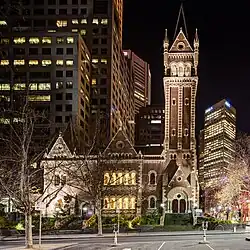
Melbourne (Naarm in the Woiworrung language of the Traditional Owners) is Australia's second-largest city and its self-styled cultural capital — a sprawling, low-rise metropolis of about 5.2 million people at the head of Port Phillip Bay. Founded in 1835 by settlers from Tasmania who "purchased" land from the local Kulin nation, the city exploded in size and confidence after gold was discovered in Victoria in 1851. The proceeds of the gold rush funded the ornate Victorian-era streetscapes — Parliament House, the Royal Exhibition Building, the cast-iron verandahs of Collins Street — that still give the inner city its distinctive grandeur. Melbourne briefly served as Australia's federal capital from 1901 until Canberra was ready in 1927, and successive waves of post-war migration from Greece, Italy, Vietnam, China, and more recently the subcontinent have made it one of the world's genuinely cosmopolitan places.
What sets Melbourne apart from Sydney isn't a single icon but a texture: bluestone laneways stencilled with street art, tiny third-wave coffee bars wedged between Victorian shopfronts, trams clanking down Swanston Street, and a sporting calendar — AFL, the Australian Open, the Melbourne Cup, the F1 Grand Prix, the Boxing Day Test — that bends the city's rhythm around it. Locals (Melburnians, pronounced "MEL-b'n-ee-uhns") dress in more black than is strictly necessary and take their coffee, their footy team, and their brunch venue very seriously.
The climate is famously fickle — "four seasons in one day" is not a marketing slogan but a daily forecast. Summers (December–February) average a pleasant 26 °C / 15 °C but can spike past 40 °C in heatwaves; autumn (March–May) is the most reliably beautiful season; winters (June–August) are cool and damp, 15 °C and grey, though rarely freezing; spring (September–November) is volatile but lively, peaking with Melbourne Cup week in early November. The grid-pattern CBD sits on the north bank of the Yarra; Southbank and Docklands flank it; bohemian Fitzroy, Collingwood, and university-flavoured Carlton are immediately to the north; bayside St Kilda and the old port suburbs of Port Melbourne and Albert Park are to the south; and the well-heeled Stonnington suburbs (South Yarra, Toorak, Prahran) sit south-east of the river.
Planning Melbourne? Tell us your dates and we’ll tailor the trip.
Ask on WhatsAppHow to reach
By Plane
Melbourne Airport (MEL), also called Tullamarine, is the main international and domestic gateway, about 23 km north-west of the CBD. There is no train link (a long-promised Airport Rail is in planning). Options to the city:
- SkyBus (skybus.com.au) — dedicated express coach to Southern Cross Station in the CBD, every 10–30 minutes 24/7. Around A$23 one-way / A$38 return for adults; journey 30–45 minutes depending on traffic.
- Taxi / rideshare (Uber, DiDi, Ola) — A$55–80 to the CBD, 25–40 minutes off-peak, longer in peak. Uber and DiDi pick up from a dedicated rideshare zone on the ground floor of the short-term car park.
- Public bus 901 SmartBus to Broadmeadows station, then suburban train — cheap (Myki fare ~A$5.30) but slow (~75 minutes total); only worth it if you're heading to the northern suburbs.
Avalon Airport (AVV), 55 km south-west, handles a small number of Jetstar and Bonza domestic flights. SkyBus connects it to Southern Cross (A$24, ~60 minutes).
By Train
Southern Cross Station on Spencer Street is Melbourne's main intercity terminal.
- V/Line regional services run within Victoria — Geelong (~1 hour), Ballarat (~1¼ hours), Bendigo (~2 hours), Warrnambool (~3½ hours), Traralgon in Gippsland (~2¼ hours). Book at vline.com.au; fares are zone-capped under the Myki Money system for shorter trips.
- NSW TrainLink XPT runs daily to Sydney (~11 hours, from A$70 economy if booked early). Bookings at transportnsw.info.
- The Overland (greatsouthernrail.com.au, operated by Journey Beyond) runs twice weekly to Adelaide (~10½ hours), a scenic but slow alternative to flying.
Suburban metro trains all run via the underground City Loop (Flinders Street, Melbourne Central, Parliament, Southern Cross, Flagstaff).
By Car / Road
Melbourne is the southern hub of Australia's east-coast road network.
- Sydney — 880 km via the Hume Freeway (M31), ~9 hours non-stop. Good quality dual-carriageway most of the way.
- Adelaide — 730 km via the Western Freeway and Western (Dukes) Highway (A8), ~8 hours. Long, mostly flat, take fuel and water.
- Canberra — 660 km via the Hume and then the Barton Highway, ~7 hours.
- Great Ocean Road westwards begins at Torquay (~1½ hours from the CBD via the Princes Freeway and Surf Coast Highway).
Beware of Melbourne's tollways (CityLink and EastLink) — there are no toll booths; if you're in a hire car, the rental company will bill you, otherwise you need a temporary pass from linkt.com.au within 3 days of travel.
Long-distance coaches (Firefly Express, Greyhound for cross-state, V/Line coaches within Victoria) terminate at the Southern Cross coach terminal.
Melbourne has Australia's largest urban tram network — 250 km of routes — plus suburban trains and buses, all paid for with a single contactless smartcard called Myki. Buy one at any 7-Eleven, station vending machine, or the PTV Hub at Southern Cross for A$6, then top up. A daily fare cap of about A$11 (full fare, Zone 1+2) applies; weekends are capped at around A$7.20. As of 2024 you can also tap on directly with a Visa/Mastercard or phone wallet on trams, trains and buses ("Myki on Mobile" and contactless rollout).
The entire CBD is a Free Tram Zone — hop on any tram within the rectangle bounded roughly by Spring Street, Flinders Street, Spencer Street and La Trobe Street (plus the loop around Docklands and Queen Victoria Market) and pay nothing. Don't tap on; if you tap on you'll be charged.
- Trams — best for moving across the inner city. Route 96 (East Brunswick–St Kilda Beach) and the heritage City Circle Tram (route 35, free, runs anti-clockwise around the CBD) are particularly useful.
- Trains — best for longer distances to the suburbs and to the airport bus interchange. All lines meet at Flinders Street.
- Buses — fill the gaps; SmartBus orbital routes (900-series) loop around the suburbs.
- Rideshare — Uber, DiDi, Ola and Bolt all operate. A typical CBD-to-Fitzroy ride is A$12–18; CBD-to-St Kilda A$20–28.
- Taxis — flagfall A$4.20 plus A$1.80/km; rank at Flinders Street and major hotels. 13CABS (13 22 27) for phone bookings.
- Bikes & e-scooters — Lime and Neuron e-scooters operate in inner Melbourne (download the app, A$1 to unlock + ~A$0.45/min). Helmets are legally required and clipped to the scooter.
- Walking — the CBD grid is compact (about 1 km × 0.5 km) and pleasant on foot; the laneways reward wandering.
Scams are rare. The main pitfalls are accidentally tapping on inside the Free Tram Zone (you'll be charged) and forgetting to tap off the train at the end of your journey (you'll be charged the maximum daily fare). Ticket inspectors do check, and the fine for travelling without a valid Myki is A$295.
Things to do
Iconic landmarks and viewpoints
- Federation Square, cnr Swanston & Flinders Sts, CBD. Free public plaza of jagged sandstone-and-zinc geometry, love-it-or-hate-it architecture, and home to the Ian Potter Centre (see below). Open 24 hours; events year-round.
- Flinders Street Station, cnr Swanston & Flinders Sts. Edwardian baroque in mustard yellow, with its famous row of clocks under the dome; "I'll meet you under the clocks" is the city's standing rendezvous. Free to admire from outside.
- Eureka Skydeck, 7 Riverside Quay, Southbank. 88-floor observation deck with "The Edge" glass cube projecting out from the building. Open 12:00–22:00 daily (last entry 21:30). Adults A$28, family A$78; The Edge add-on A$14.
- Melbourne Star Observation Wheel — closed permanently in 2021. Don't go looking for it.
- Shrine of Remembrance, Birdwood Ave, Kings Domain. Monumental WWI war memorial inspired by the Mausoleum of Halicarnassus; ascend to the balcony for a clean axial view straight up Swanston Street. Daily 10:00–17:00, free.
Museums and galleries
- National Gallery of Victoria (NGV International), 180 St Kilda Rd, Southbank. Australia's oldest and most-visited art museum, with a stained-glass ceiling by Leonard French in the Great Hall worth lying down on the floor for. Daily 10:00–17:00, free for the permanent collection (paid ticketed exhibitions).
- Ian Potter Centre: NGV Australia, Federation Square. The Australian half of the NGV — Indigenous and colonial-to-contemporary Australian art. Daily 10:00–17:00, free.
- Melbourne Museum, 11 Nicholson St, Carlton (in Carlton Gardens). Natural history, an excellent Bunjilaka Aboriginal Cultural Centre, dinosaurs, Phar Lap's taxidermied hide. Daily 09:00–17:00; adults A$15, children free.
- ACMI (Australian Centre for the Moving Image), Federation Square. Free permanent exhibition on film, TV and video games — surprisingly hands-on and good. Daily 10:00–17:00.
- Immigration Museum, 400 Flinders St, in the old Customs House. The story of Australia's migration history, told well. Daily 10:00–17:00, adults A$15.
- Old Melbourne Gaol, 377 Russell St. 19th-century bluestone prison where bushranger Ned Kelly was hanged in 1880; his death mask is on display. Daily 10:00–17:00, adults A$32 (includes the adjoining Police Watch House tour).
Heritage buildings
- Royal Exhibition Building, Carlton Gardens. Australia's first UNESCO World Heritage building (listed 2004), built for the 1880 Melbourne International Exhibition. Interior tours daily at 14:00 from the Melbourne Museum next door, A$20.
- State Library of Victoria, 328 Swanston St. Visit the La Trobe Reading Room — a magnificent domed octagonal hall that's free to enter; upper galleries hold rotating exhibitions. Daily 10:00–18:00 (Thu until 21:00), free.
- Parliament House of Victoria, Spring St. Free public tours on non-sitting days, usually 09:30, 10:30, 11:30, 13:30, 14:30, 15:30.
- Block Arcade (282 Collins St) and Royal Arcade (335 Bourke St). Twin 1890s shopping arcades with mosaic floors, glass roofs, and chocolate shops; the Royal Arcade's Gog and Magog figures still strike the hour.
Parks and gardens
- Royal Botanic Gardens Victoria, Birdwood Ave. 38 hectares on the south bank of the Yarra; one of the world's finest botanical gardens. Sunrise to sunset, free. Don't miss the Aboriginal Heritage Walk (book ahead, A$45).
- Carlton Gardens — Victorian-era parterre flanking the Royal Exhibition Building. Free.
- Fitzroy Gardens, East Melbourne. Contains Captain Cook's Cottage (relocated from Yorkshire in 1934; adults A$8) and a model Tudor village.
- Albert Park Lake — 5 km path around the lake used as the Australian Grand Prix circuit each March.
Sporting shrines
Melbourne Cricket Ground (MCG / "The G"), Yarra Park, Richmond. 100,000-seat colossus; home of Australian rules football and the Boxing Day Test. National Sports Museum inside; tours run on non-event days, hourly 10:00–15:00, A$32 including museum entry.
Rod Laver Arena and Melbourne Park, the home of the Australian Open each January.
AFL match at the MCG — if you're in town during the football season (March–September), buy a Level 4 ticket from afl.com.au or Ticketek for A$30–60 and join 80,000 locals barracking for one of nine Melbourne clubs. The Grand Final (last Saturday in September or first Saturday in October) is essentially impossible to get into; settle for any home-and-away game.
Laneway and street art walk — wander Hosier Lane, AC/DC Lane, Croft Alley and Union Lane to see Melbourne's celebrated, always-changing street art. Self-guided is free; Blender Studios (blenderstudios.com) run guided artist-led tours for A$79.
Coffee crawl — Melbourne invented the flat white (it's contested with Sydney, but Melburnians are sure) and the city's third-wave coffee scene is genuinely world class. Try Patricia Coffee Brewers (Little Bourke St), Market Lane Coffee (Queen Victoria Market and Therry St), Seven Seeds (Berkeley St, Carlton), and Proud Mary (Oxford St, Collingwood).
Queen Victoria Market night market — Wednesday evenings November through March, the daytime produce market transforms into a street-food and live-music night market. Free entry.
Penguin Parade at Phillip Island — book a sunset bus tour from the CBD (operators include Go West, Autopia, Gray Line; ~A$160 including park entry) and watch hundreds of little penguins waddle ashore at dusk. Long day (~12 hours return); worth it.
Yarra Valley wine day trip — pinot noir and chardonnay country an hour east. Tour operators (Australian Wine Tour Co, Wine Compass) run A$165–230 day trips including 3–4 cellar doors and lunch.
Hot-air balloon over the city — Melbourne is one of the few capitals where you can drift over downtown at dawn. Global Ballooning Australia, around A$485 per adult including post-flight champagne breakfast.
Australian Open (late January), Australian Grand Prix (March, Albert Park), Melbourne Cup (first Tuesday in November, Flemington Racecourse) — book months ahead.
Brighton Beach Bathing Boxes — 82 candy-coloured Victorian-era beach huts on the sand at Dendy Street Beach; one of Melbourne's most-Instagrammed sights. Train to Middle Brighton (Sandringham line), ~25 minutes. Free to view; you can't go inside (privately owned).
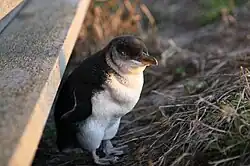
St Kilda Pier and Penguin Colony — a small colony of little penguins lives in the breakwater at the end of the pier and emerges at dusk. Free, low-key, and surprisingly underpublicised. Earthcare St Kilda volunteers are usually on hand at dusk with red-light torches.
Planning Melbourne? Want these on a customised itinerary?
Ask on WhatsAppFood & Dining
Melbourne's food scene is the city's not-so-secret pride. The early waves of Greek, Italian, Lebanese, Vietnamese and Chinese migration laid down the foundations, and a generation of ambitious local chefs has built a dining culture that's now genuinely world-class — Attica routinely makes the World's 50 Best, and the city has more restaurants per capita than anywhere else in Australia.
Signature dishes / things to try:
- A flat white from a proper espresso bar — non-negotiable.
- Smashed avocado on sourdough (we're sorry, but it does taste better here than in your home city).
- Souvlaki on Lonsdale Street (Greek Precinct).
- A bowl of pho on Victoria Street, Richmond (Little Saigon).
- Yum cha on Sundays in Chinatown (Little Bourke Street).
- A pie and sauce at the footy.
- A Lune cruffin if you can stomach the queue.
Recommendations across price tiers:
- Lune Croissanterie, 119 Rose St, Fitzroy. Reputedly the world's best croissants, per the New York Times. Pastries A$7–13; expect to queue 20–60 minutes on weekends. Wed–Sun 07:30 until sold out (usually by lunchtime).
- Hakata Gensuke Tonkotsu Ramen, 168 Russell St, CBD. Excellent tonkotsu ramen, A$18–22; no bookings, queue at the door. Daily 11:30–22:00.
- Tipo 00, 361 Little Bourke St, CBD. Modern Italian pasta bar, hand-rolled in front of you; A$28–36 mains. Bookings essential. Mon–Sat lunch and dinner.
- Chin Chin, 125 Flinders Lane, CBD. Modern South-East Asian, loud, no bookings for under 6, expect to wait at GoGo Bar downstairs with a drink. Mains A$26–42; the "Feed Me" banquet A$87.50/person is the easy choice. Daily 11:00–23:00.
- Cumulus Inc., 45 Flinders Lane, CBD. Andrew McConnell's flagship all-day European bistro; the slow-roasted lamb shoulder for two (A$130) is a Melbourne classic. Mon–Fri from 07:00, weekends from 08:00.
- Attica, 74 Glen Eira Rd, Ripponlea. Ben Shewry's destination restaurant pulling on native Australian ingredients and First Nations techniques. Tasting menu around A$310 per person, drinks pairing A$220 more. Tue–Sat dinner, book 2–3 months ahead via the website.
Dietary needs: Melbourne is one of the easiest big cities anywhere for vegetarians and vegans — Smith & Daughters, Transformer, Lona Misa and Yong Green Food are vegan destinations in their own right. Halal options are plentiful in Brunswick, Coburg and Footscray; for kosher, Carlisle Street in Balaclava is the place. Gluten-free menus are standard at most cafés.
Cafes & Nightlife
Coffee is Melbourne's true civic religion, and the city is also one of the world's great cocktail bar capitals — a tip-off being the dense ecosystem of unmarked, upstairs, behind-the-bookshelf bars hidden up its laneways.
Coffee:
- Patricia Coffee Brewers, cnr Little Bourke & Little William Sts, CBD. Standing-room only, no seats, faultless flat whites. Mon–Fri 07:00–16:00.
- Market Lane Coffee, multiple locations including Queen Victoria Market and Therry St. Excellent single-origin filter and espresso.
- Proud Mary, 172 Oxford St, Collingwood. The big serious brunch destination; espresso-and-eggs at its peak.
Bars (laneway and rooftop):
- Eau de Vie, 1 Malthouse Lane, CBD. Speakeasy-style cocktail bar behind an unmarked door; theatrical, excellent drinks, around A$24/cocktail.
- Bar Americano, 20 Presgrave Pl, CBD. Tiny standing-only laneway bar; classic cocktails done seriously.
- Heartbreaker, 234A Russell St, CBD. Dive-bar feel with negronis on tap; open until 03:00.
- Naked for Satan / Naked in the Sky, 285 Brunswick St, Fitzroy. Pintxos bar downstairs, rooftop with city views upstairs.
- Black Pearl, 304 Brunswick St, Fitzroy. Repeatedly voted Australia's best bar; on weekends ask for "the Attic" upstairs.
Pubs:
- The Standard, 293 Fitzroy St, Fitzroy. Big sunny beer garden, classic Melbourne pub.
- The Esplanade Hotel ("The Espy"), 11 The Esplanade, St Kilda. Restored 1878 pub with live music; sunsets over the bay from the front bar.
- Young & Jackson, cnr Flinders & Swanston Sts. The most famous pub in the city, opposite Flinders Street Station; go upstairs to see "Chloé", a notorious 1875 nude that has been hanging there since 1909.
Wine: Victoria's wine regions are at the doorstep — try Yarra Valley pinot noir, Mornington Peninsula chardonnay, and Heathcote shiraz. Most restaurants have strong by-the-glass programs.
Tap water is safe and excellent everywhere in Melbourne — drink it freely. Carrying a bottle is normal; many cafés will refill it for free.
Planning Melbourne? We’ll book the stays and dining for you.
Ask on WhatsAppPlaces to Stay
Budget
- Space Hotel, 380 Russell St, CBD. Bright, sociable hostel/budget hotel hybrid with rooftop spa and cinema room. Dorm beds from A$45, private rooms from A$135.
- United Backpackers, 250 Flinders St, CBD. Directly opposite Flinders Street Station — a hard location to beat. Dorms from A$40, private rooms from A$120.
Mid-range
- QT Melbourne, 133 Russell St, CBD. Stylish, design-forward boutique hotel with the popular Pascale Bar & Grill and a slick rooftop. Rooms from A$320.
- Ovolo Laneways, 19 Little Bourke St, CBD. Quirky boutique on the edge of Chinatown; complimentary minibar and breakfast included. Rooms from A$285.
- The Adelphi, 187 Flinders Lane, CBD. The dessert-themed boutique with a cantilevered glass-bottomed swimming pool jutting over Flinders Lane. Rooms from A$340.
Upscale / heritage
- The Hotel Windsor, 111 Spring St. Grand 1883 Victorian-era hotel opposite Parliament House; the only surviving great 19th-century hotel in Australia. Famous high tea daily. Rooms from A$520.
- Park Hyatt Melbourne, 1 Parliament Square. Discreet luxury overlooking St Patrick's Cathedral; large rooms, Italian marble bathrooms. Rooms from A$650.
- W Melbourne, 408 Collins St. New (2021) flagship in the former ANZ Bank headquarters with a buzzing Curious bar and 1930s banking-hall lobby. Rooms from A$590.
What to buy
Melbourne is Australia's shopping capital, and far more interesting for browsing than Sydney.
- Queen Victoria Market, cnr Elizabeth & Victoria Sts, CBD. The southern hemisphere's largest open-air market, operating since 1878. Fresh produce, meat, deli, leather goods, souvenirs. Tuesday and Thursday 06:00–15:00, Friday 06:00–17:00, weekends 06:00–16:00. Closed Mondays and Wednesdays.
- Bourke Street Mall — the CBD's main shopping spine with Myer and David Jones (the two big Australian department stores) and the Royal Arcade.
- Emporium / Melbourne Central / QV — three interconnected vertical malls in the CBD with everything from Uniqlo to Aesop.
- Chapel Street, South Yarra/Prahran — fashion, both Australian designers (Sass & Bide, Scanlan Theodore, Gorman) and global brands.
- Brunswick Street, Fitzroy and Smith Street, Collingwood — independent boutiques, vintage, vinyl, and quirky local labels (Obus, Vixen, Alpha60).
- Chapel Street Bazaar, 217 Chapel St, Prahran. Cavernous antiques and vintage warren.
- Rose Street Artists' Market, Fitzroy (Sat–Sun, 11:00–17:00). Local makers; ceramics, prints, jewellery.
Local specialities worth taking home: Australian merino wool knitwear (Country Road, Oroton, or independent labels), Aboriginal art (buy only from accredited dealers like Koorie Heritage Trust in Federation Square or Aboriginal Signature Estrangin gallery to ensure ethical provenance), Penfolds and Yarra Valley wines, T2 tea (Australian brand, originated in Fitzroy), Aesop skincare (also a Melbourne original), Haigh's Chocolates.
Bargaining is not a thing in Australia. Shop prices are fixed except at flea markets like Camberwell Sunday Market, where polite haggling on bric-a-brac is fine.
Go next
- Great Ocean Road — 1½ hours to Torquay where it starts; allow 2–3 days to drive the whole thing to Port Campbell. The Twelve Apostles, koalas at Kennett River, and the Otway rainforest.
- Phillip Island — 1¾ hours south-east. Penguin Parade at sunset, Cape Woolamai cliff walk, the Moto GP circuit.
- Yarra Valley — 1 hour north-east. Pinot noir and chardonnay cellar doors, Healesville Sanctuary for native wildlife.
- Mornington Peninsula — 1 hour south. Hot springs at Peninsula Hot Springs, wineries, surf beaches at Sorrento and Point Leo, the historic Sorrento-Queenscliff ferry.
- Dandenong Ranges — 1 hour east. Forested hills, the historic Puffing Billy steam railway, English-style gardens at Mount Macedon, fairy-tale Sassafras and Olinda villages.
- Grampians National Park (Gariwerd) — 3 hours west. Sandstone ranges, Aboriginal rock art, the Pinnacle lookout, Halls Gap as the base town.
- Wilsons Promontory National Park — 3 hours south-east. Granite peaks, white-sand beaches at Squeaky Beach and Norman Bay, the southernmost tip of mainland Australia.
Nearby in Victoria
More places to explore around Melbourne.
Portions adapted from Wikivoyage, CC BY-SA 4.0.

Contact Us
Get in touch with us.
Get in touch
Contact Us
Tell us where you'd like to go and how you like to travel. A real Tripcuro planner — not a bot — will craft an itinerary around you.
- Personalised, hassle-free planning end-to-end
- Transparent pricing, no hidden costs
- 24/7 support for complete peace of mind