
Tasmania
Australia · State · 38 destinations with guides
Photography coming soonOverview
Tasmania (palawa kani: lutruwita) is Australia's island state, separated from the mainland by the Bass Strait and sitting roughly 240 km south of Victoria. It comprises the main island — the world's 26th largest — plus more than 1,000 smaller islands including King Island, Flinders Island, and the subantarctic Macquarie Island. At 68,400 km² it's Australia's smallest state, comparable in size to Ireland, with a population of just over 500,000 concentrated around Hobart in the south and Launceston in the north.
What sets Tasmania apart is the sheer concentration of wilderness. Over 45% of the landmass is protected by national parks and reserves, and the Tasmanian Wilderness World Heritage Area alone covers roughly a quarter of the state. The terrain pivots dramatically across short distances — Gondwanan rainforest in the takayna / Tarkine, glacier-carved highlands in Cradle Mountain, the only fjords in Australia along the southwest coast, and white-sand beaches like Wineglass Bay and the Bay of Fires on the east. Mount Ossa tops out at 1,617 m, modest by global standards, but the topography feels far larger than the numbers suggest.
The state's character draws from a layered history: 60,000 years of Aboriginal Tasmanian habitation, Dutch sighting by Abel Tasman in 1642, brutal British penal settlements at Port Arthur and Sarah Island, and a 20th-century reinvention as a fine-food, cool-climate-wine, and slow-travel destination. Locals are noticeably warmer and more unhurried than their mainland counterparts in Sydney or Melbourne — something most visitors comment on within a day.
When to Visit
Summer (December–February) is peak season: long daylight from roughly 5:30 AM to 9:30 PM, mild temperatures (typically 17–24 °C in Hobart), and the only dependable window for the Overland Track and southwest bushwalking. Book accommodation 2–3 months ahead, especially around the Taste of Summer (late December–early January) and the Sydney to Hobart Yacht Race finish (28–30 December).
Autumn (March–May) is the quiet sweet spot — stable weather, the "turning of the fagus" (Australia's only deciduous native tree) in late April at Cradle Mountain and Mount Field, and Dark Mofo lighting up Hobart in mid-June (technically early winter). Vineyards in the Tamar and Coal River valleys are at their best.
Winter (June–August) brings short days (9 hours of daylight), snow on Ben Lomond and the Central Highlands, and Hobart's famed Dark Mofo festival. It's the best time for whisky distilleries, fireside pubs, and aurora australis hunting from the southwest coast and Bruny Island.
Spring (September–November) is the most changeable season — frequent showers, snow at altitude into October, and wildflowers across the alpine plateaus. The "four seasons in a day" cliché is most literal here.
The west and southwest receive among the highest rainfall in Australia year-round; the Midlands and east coast are markedly drier. Sea temperatures stay cool (12–17 °C) — this is not a swim-anywhere destination.
Tell us your dates and we'll shape a Tasmania route around them.
WhatsAppGetting Around
Tasmania has no passenger rail network for travellers — the railways are freight-only. Self-driving is the default and strongly recommended; distances are short by Australian standards but roads are winding.
Key driving distances from Hobart:
- Port Arthur: 95 km / ~1h 30m
- Launceston: 200 km / ~2h 30m via the Midland Highway
- Cradle Mountain: 350 km / ~4h 30m
- Strahan (west coast): 300 km / ~4h 15m via Queenstown
- Devonport: 280 km / ~3h 30m
Car hire is available at Hobart and Launceston airports and at the Devonport ferry terminal. Expect AUD 70–120/day for a small car in shoulder season; 4WD is unnecessary for sealed highways but useful for the Tarkine Drive and some Bruny Island tracks.
Buses: Redline Coaches and Tassielink run scheduled services between Hobart, Launceston, Devonport, Burnie, Strahan, and Cradle Mountain. Frequencies are limited (often 1–2 services daily) and they don't reach most national parks directly.
Ferries: The Spirit of Tasmania sails Geelong (Victoria) to Devonport overnight (~11 hours), carrying passengers and vehicles — book months ahead in summer. The Bruny Island ferry from Kettering runs roughly hourly. SeaLink connects to Maria Island; small charters serve Flinders and King Islands (also reachable by Sharp Airlines from Launceston and Melbourne).
Air: Hobart and Launceston are the main gateways with Jetstar, Qantas, and Virgin connections to mainland capitals. Burnie/Wynyard and Devonport have limited regional services.
Top Destinations
- Hobart — the state capital and cultural anchor, home to MONA, Salamanca Market, and kunanyi / Mount Wellington.
- Launceston — Tasmania's second city and gateway to the Tamar Valley wine region and Cataract Gorge.
- Cradle Mountain–Lake St Clair National Park — the iconic alpine landscape and starting point of the 65 km Overland Track.
- Port Arthur — UNESCO-listed convict settlement, the most evocative colonial site in Australia.
- Freycinet National Park — pink-granite peninsula with Wineglass Bay and Coles Bay seafood.
- Strahan & the Gordon River — west coast wilderness gateway, departure point for Franklin–Gordon cruises.
- Bruny Island — best for wildlife, oysters, cheese, and cliff-walking, all within a day trip of Hobart.
- Bay of Fires — orange-lichened granite and empty white beaches on the northeast coast.
- Queenstown — historic copper-mining town with a stark, otherworldly bare-hills landscape.
- Bicheno — east coast beach town known for nightly little penguin tours.
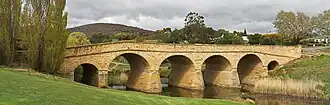
- Richmond — Georgian village with Australia's oldest bridge still in use (1825).
- Mount Field National Park — accessible from Hobart, famed for Russell Falls and the autumn fagus.
- takayna / Tarkine — vast Gondwanan rainforest in the northwest, best explored via the Tarkine Drive.
- Maria Island — car-free island sanctuary teeming with wombats, Cape Barren geese, and Tasmanian devils.
Want the scenic legs and stays booked for you? Just ask.
WhatsAppCuisine
Tasmania punches far above its weight on the plate, driven by cool-climate produce and a small-batch ethos. Signature things to seek out:
- Seafood — Bruny Island and Coles Bay rock oysters, Spring Bay mussels, scallops, and Atlantic salmon (the latter increasingly debated for sustainability; ask producers about provenance). Crayfish (southern rock lobster) is the splurge.
- Cheese & dairy — Bruny Island Cheese Co., Pyengana Dairy's clothbound cheddar, and King Island Dairy's washed-rinds and triple-cremes.
- Cool-climate wine — Pinot Noir, Chardonnay, sparkling, and Riesling from the Tamar Valley, Coal River Valley (Pooley, Frogmore Creek), and East Coast (Devil's Corner, Freycinet Vineyard). Cellar-door tastings typically AUD 10–20, often refunded with purchase.
- Whisky — Tasmania has more than 30 distilleries; Lark, Sullivans Cove, Overeem, and Hellyers Road are the marquee names. Sullivans Cove French Oak has won World's Best Single Malt.
- Cider & craft beer — Willie Smith's organic cider in the Huon Valley; Cascade and Boag's are the historic breweries.
- Berries & stone fruit — summer raspberries, cherries (especially around Cygnet and the Coal River Valley), and Huon Valley apples.
- Game — wallaby and venison appear on better menus; not gamey if cooked rare.
Where to eat: Salamanca Place and North Hobart for the Hobart restaurant scene (Templo, Fico, Aloft); Stillwater and Black Cow in Launceston; Freycinet Marine Farm for roadside oysters; Get Shucked on Bruny.
Dietary notes: Hobart and Launceston have strong vegetarian/vegan options; rural Tasmania is patchier, plan ahead. Halal and kosher specialty venues are limited outside Hobart.
Culture & Festivals
- Dark Mofo (mid-June, Hobart) — MONA's mid-winter festival of art, music, food, and the infamous nude solstice swim. Tasmania's biggest cultural draw and the reason many travellers brave winter.
- Mona Foma (mid-January, Launceston-led with Hobart events) — Dark Mofo's summer sibling; contemporary music and art.
- Taste of Summer (late December–early January, Hobart waterfront) — week-long food and wine celebration tied to the Sydney-Hobart finish.
- Sydney to Hobart Yacht Race finish (28–30 December) — the fleet rolls into Constitution Dock; festive atmosphere.
- Targa Tasmania (late April) — six-day tarmac rally on closed public roads across the state.
- Festival of Voices (early July, Hobart) — Australia's premier choral and vocal festival.
- AGFEST (early May, Carrick near Launceston) — three-day rural and agricultural fair, locally beloved.
- Junction Arts Festival (early September, Launceston) — street art, performance, and music.
- Cygnet Folk Festival (mid-January) — long-running folk and roots gathering in the Huon Valley.
Indigenous culture: Aboriginal Tasmanian (palawa) heritage is increasingly visible in dual place-names (kunanyi, lutruwita, takayna), at the Tasmanian Aboriginal Centre, and on guided experiences run by Aboriginal-owned operators on Bruny Island and at wukalina (Mount William). The history is heavy — including the Black War of the 1820s–30s — and worth engaging with on its own terms.
Public holidays specific to Tasmania: Eight Hours Day (second Monday of March), Royal Hobart Regatta (second Monday of February, southern Tasmania), Launceston Cup (last Wednesday of February, north), and Recreation Day (first Monday of November, areas not observing the Regatta).
Travelling during a festival? We'll plan around the crowds.
WhatsAppNotable Experiences
Walk the Overland Track — the 65 km, six-day traverse from Cradle Mountain to Lake St Clair through alpine plateaus, button-grass plains, and ancient pencil-pine forests. Permits are required from October to May (AUD ~250) and book out months in advance; off-season walking is free but exposed.
MONA — Museum of Old and New Art (Hobart) — David Walsh's subterranean private museum, reached by a fast catamaran from Brooke Street Pier. Provocative, world-class, and unlike any other museum in the country (entry AUD ~39 for non-Tasmanians, free for residents).
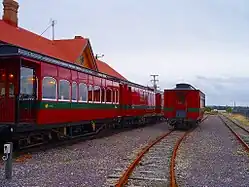
Cruise the Gordon River from Strahan — half-day catamaran into the Franklin-Gordon Wild Rivers National Park, including Sarah Island convict ruins and Heritage Landing's tannin-stained reflections. Pair with the West Coast Wilderness Railway for a steam journey through the rainforest.
Port Arthur after dark — the daytime Historic Site visit (AUD ~47, includes harbour cruise and Isle of the Dead) is essential, but the lantern-lit Ghost Tour adds the unsettling weight the place deserves.
Three Capes Track (Tasman Peninsula) — four-day, 48 km cliff-edge walk past Australia's tallest sea cliffs, with comfortable hut accommodation included in the AUD ~500 booking. The lower-effort, higher-comfort alternative to the Overland Track.
Drive the Tarkine Loop — a full-day circuit from Stanley through Australia's largest tract of cool-temperate rainforest, with stops at the Edge of the World at Arthur River and the Trowutta Arch.
Top Destinations
Every destination in Tasmania with a guide — tap a place for the full guide.

Ben Lomond National Park
Ben Lomond National Park, located in Eastern Tasmania about 50 km sou…

Bicheno
Bicheno is a small fishing town on Tasmania's east coast, sitting abo…
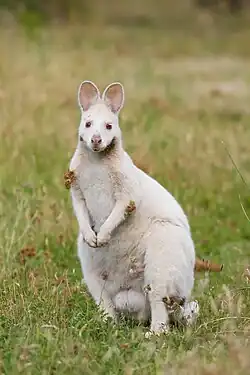
Bruny Island
Bruny Island is a long, narrow island off the south-east coast of Tas…
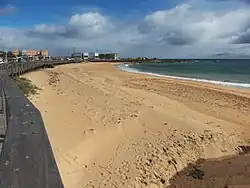
Burnie
Burnie is Tasmania's fourth-largest city, a coastal port of around 20…
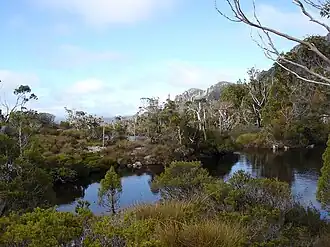
Cradle Mountain
Cradle Mountain-Lake St Clair National Park is the crown jewel of the…
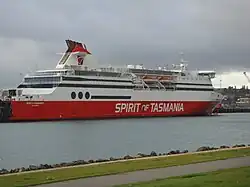
Devonport
Devonport is Tasmania's third-largest city and the daily landing poin…
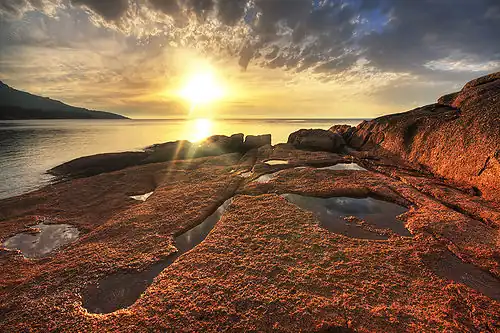
Freycinet National Park
Freycinet National Park sits on Tasmania's east coast, a peninsula of…
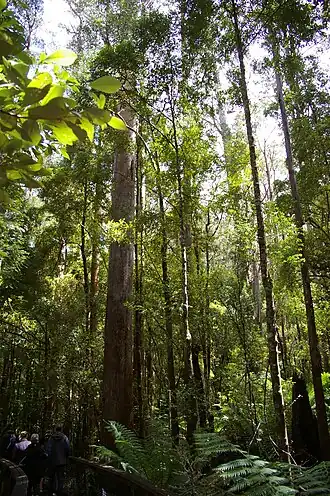
Hartz Mountains National Park
Hartz Mountains National Park is a compact slice of the Tasmanian Wil…
Hobart
Founded in 1804 by Colonel David Collins, Hobart began as a penal set…
Huonville
Huonville is the unhurried hub of Tasmania's Huon Valley, a town of a…
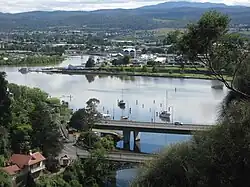
Launceston
Launceston is Tasmania's second-largest city and the unofficial capit…
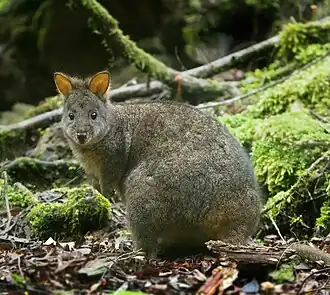
Mount Field National Park
Mount Field National Park sits in the Derwent Valley of southern Tasm…
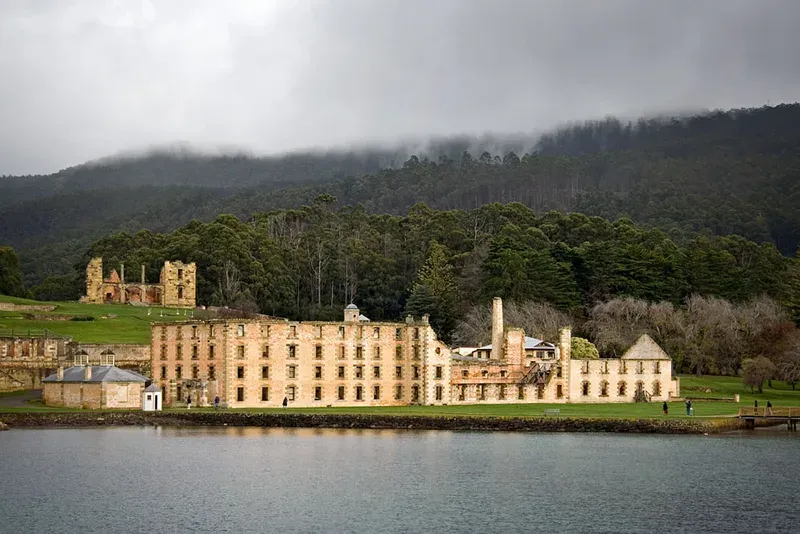
Port Arthur
Port Arthur sits at the southern end of the Tasman Peninsula, about 9…
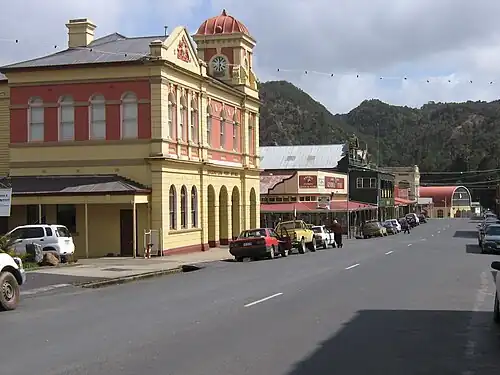
Queenstown
Queenstown is the unofficial capital of Tasmania's rugged West Coast…
Richmond
Richmond is a small Georgian-era village about 25 km northeast of Hob…
Southwest National Park
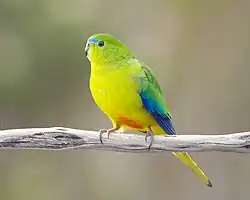
Southwest National Park is Tasmania's largest national park, covering…
Strahan
Strahan (pronounced "straw-n") sits on Long Bay at the northern end o…
Bothwell
Bothwell is a historic town in the Central Highlands of Tasmania, app…
Deloraine
Visitor information 🌍 Great Western Tiers Visitor Centre , 98-100 Em…
Flinders Island
Flinders Island is a destination in Tasmania, Australia (AU).
Franklin-Gordon
Franklin-Gordon Wild Rivers National Park sprawls across 4,463 km² o…
George Town
George Town is a historic town on the eastern shore of the Tamar Rive…
King Island
King Island is an island in Bass Strait, part of the state of Tasmani…
Kingston
Kingston is a coastal town of roughly 10,000 people situated 12 km so…
Maria Island
Maria Island was sighted by Abel Tasman in 1642.
New Norfolk
New Norfolk is a destination in Tasmania, Australia (AU).
Oatlands
Oatlands is a historic town in the Midlands region of Tasmania, appro…
Ross
Founded in 1812, it is one of the oldest towns in Tasmania and still…
Scottsdale
The small town is in a "chocolate box" setting, complete with rolling…
Sheffield
Sheffield is a small rural town of roughly 1,500 people in north-west…
Smithton
Smithton is a destination in Tasmania, Australia (AU).
Sorell
Sorell is named after William Sorell, Lieutenant-Governor of Tasmania.
St Helens
St Helens is a coastal town on the north-east coast of Tasmania, appr…
Stanley
Visitor information Stanley Visitor Centre , 23 Wharf Rd , ☏ 1300 138…
Swansea
Swansea—originally named Waterloo Point—was established in the 1820s.
Triabunna
Triabunna is a destination in Tasmania, Australia (AU).
Ulverstone
Ulverstone is located on the Leven River.
Wynyard
Wynyard is a destination in Tasmania, Australia (AU).
Pair the highlights of Tasmania into one easy trip — we'll plan the route.
WhatsApp
Contact Us
Get in touch with us.
Get in touch
Contact Us
Tell us where you'd like to go and how you like to travel. A real Tripcuro planner — not a bot — will craft an itinerary around you.
- Personalised, hassle-free planning end-to-end
- Transparent pricing, no hidden costs
- 24/7 support for complete peace of mind