
Hải Phòng
Viet Nam · Municipality · 12 destinations with guides
Photography coming soonWhy visit?
Hải Phòng is Vietnam's third-largest city and principal northern seaport, straddling the mouth of the Cấm River where it meets the Gulf of Tonkin. The municipality is deceptively large: beyond the industrial port and French colonial boulevards lies a sprawling archipelago that includes Cát Bà — the largest island in the Gulf of Tonkin and a UNESCO-recognised biosphere reserve. Unlike Hanoi's administrative weight or Ho Chi Minh City's commercial intensity, Hải Phòng carries a grittier, more self-sufficient maritime character shaped by centuries of trade, French colonial investment, and wartime resilience.
The city proper retains handsome colonial streetscapes shaded by flame trees (hoa phượng đỏ), earning it the nickname "City of Red Flamboyants." That same archipelago stretches the municipality into the karst-studded waters of Lan Ha Bay — the less-visited southern extension of Ha Long Bay that administratively sits within Hải Phòng rather than Quảng Ninh, and which often rewards travellers with comparable scenery and dramatically fewer crowds.
As a destination, Hải Phòng rewards those willing to look past its industrial silhouette. The old quarter pulses with genuine local life, the seafood is exceptional and inexpensive, and the island landscapes rank among the finest in Southeast Asia — yet the city remains refreshingly underrun by mass tourism.
When is the best time to visit?
The optimal window is October through April, when northeast monsoon winds bring drier, cooler air to the northern coast. November through February is most comfortable for island-hopping and sea kayaking on Cát Bà, with calm waters and daytime temperatures between 15–22°C. Be aware that January and February can produce the northern "drizzle season" (mưa phùn) — persistent cold fog that reduces karst visibility and makes outdoor activities less rewarding.
April and May are arguably the most photogenic months: the city's flame trees erupt in brilliant scarlet just as temperatures climb into the mid-20s. The Flamboyant Flower Festival (Lễ hội Hoa Phượng Đỏ) is typically staged in mid-May, drawing visitors from across the north for river boat races, outdoor concerts, and street performances.
The rainy season (June–September) brings heat (30–35°C), high humidity, and occasional typhoons that can shut ferry routes to Cát Bà without notice — always check marine forecasts before booking island accommodation during this period. Tết (Lunar New Year, January/February) sees most local restaurants and businesses close for several days; the harbour fireworks and festive atmosphere compensate somewhat for reduced services.
Tell us your dates and we'll shape a Hải Phòng route around them.
WhatsAppHow do you get around?
Within the city: Grab and Be ride-hailing apps are the most reliable option for navigating Hải Phòng's urban core, with most crosstown trips costing 30,000–60,000 VND. Xe ôm (motorbike taxis) are cheaper and easy to flag on main streets. There is no metro or tram system.
To Cát Bà Island: Multiple operators run high-speed ferries from Bến Bính pier and Đình Vũ pier to Cát Bà town; journey time is 45–75 minutes depending on route, with tickets around 100,000–200,000 VND. A road-and-ferry combination via the Đình Vũ–Cát Hải crossing is popular with cyclists and motorists and takes roughly 2–2.5 hours total.
To Hanoi: Trains depart Hải Phòng station several times daily, reaching Hanoi's Long Biên or Gia Lâm stations in approximately 2.5 hours (from ~30,000 VND). Luxury express buses (Hoàng Long, Hùng Cường) cover the Hà Nội–Hải Phòng expressway in similar time and are comfortable for daytime travel. Private taxis and booked cars run around 600,000–800,000 VND for the full journey.
To Đồ Sơn: Local bus route 12 connects the city centre to Đồ Sơn peninsula for approximately 10,000 VND; journey time is 40–50 minutes.
Where should you go?
- Cát Bà Island — the archipelago's crown jewel: jungle trekking through national park, sea kayaking in Lan Ha Bay, and a vibrant waterfront town with a full range of accommodation.
- Hải Phòng Old Quarter — French colonial boulevards, the covered Tam Bạc market, and the city's essential morning food crawl around Chợ Hàng.
- Đồ Sơn Peninsula — a 3 km stretch of grey-sand beach popular with domestic visitors; best mid-week to avoid Hanoi weekend crowds.
- Cát Hải Island — quieter sibling to Cát Bà, with working fishing villages and ferry-watching from the harbour channel.
- Đền Nghè (Temple of Lê Chân) — the city's most revered historic temple, honouring Hải Phòng's legendary female founder, set in the urban core near Tam Bạc Lake.
Want the scenic legs and stays booked for you? Just ask.
WhatsAppWhat should you eat?
Hải Phòng's kitchen is shaped by the sea and regarded by many Vietnamese as one of the north's most satisfying regional traditions.
Bánh đa cua (crab noodle soup) is the city's defining dish: thick, chewy red-brown rice noodles in a rich field-crab broth, topped with crab roe, braised pork belly, and water morning glory. A bowl at a local shop costs 30,000–50,000 VND. The best stalls cluster along Lê Lợi Street and the lanes behind Chợ Hàng, typically serving from 6 AM until sold out by mid-morning.
Bánh mì Hải Phòng differs noticeably from the southern version — the baguette is crispier and the filling heavier on char-grilled pork and house-made pâté. The city also claims nem cua bể (deep-fried sea crab spring rolls), best found near the Bến Bính ferry terminal, and bánh cuốn Hải Phòng, rolled rice sheets with a distinctively savoury filling.
For seafood, the Cát Bà waterfront and Hải Phòng's Lạch Tray restaurant strip offer live-tank dining at competitive prices: mantis shrimp (tôm tít), blood cockles (sò huyết), and spotted grouper (cá mú) are priced by kilogram and rarely disappoint. Budget 200,000–400,000 VND per person for a full seafood spread including beer.
Vegetarians will find refuge at cơm chay (vegetarian rice) canteens, particularly busy on the 1st and 15th days of the lunar month when many Vietnamese abstain from meat.
What is the culture like?
Lễ hội Hoa Phượng Đỏ (Flamboyant Flower Festival) — staged in mid-May, this city-wide celebration features dragon boat races on the Tam Bạc River, outdoor concerts, and street exhibitions timed to peak flame-tree bloom. It is the single most atmospheric moment to visit the urban core.
Lễ hội Đền Nghè — held in the second month of the lunar calendar (typically February or March), this festival honours the city's founder Lê Chân with processions, offering ceremonies, and traditional music at Đền Nghè temple. It is one of the most genuinely local festivals in northern Vietnam, drawing neighbourhood communities rather than tourist crowds.
Đồ Sơn Buffalo Fighting Festival (Lễ hội chọi trâu) — held on the 9th day of the 8th lunar month (typically September or October), this ancient and deeply contested tradition draws enormous domestic crowds to the Đồ Sơn peninsula. The event has cultural significance but also generates controversy; travellers should research current conditions before attending.
The Hải Phòng Opera House (Nhà hát Thành phố), a 1904 French colonial structure on Quang Trung Street, hosts occasional performances of chèo (northern traditional opera) and contemporary theatre — check local listings on arrival.
Travelling during a festival? We'll plan around the crowds.
WhatsAppWhat are the standout experiences?
Sea kayaking in Lan Ha Bay: Accessed via Cát Bà rather than the Ha Long Bay tourist piers, Lan Ha Bay allows independent paddling through limestone arches, into lit caves, and past floating fishing villages with minimal boat traffic. Full-day kayak hire from Cát Bà town runs approximately 150,000–200,000 VND; guided day trips including lunch start around 600,000 VND.
Sunrise at Ngự Lâm Peak, Cát Bà National Park: A 4 km forest trail departs before dawn from the park entrance (admission ~85,000 VND). On clear mornings the panorama extends across the entire archipelago — the reward for an early start is considerable. The trail is manageable for reasonably fit walkers in 1.5–2 hours each way.
Photographing the flame trees in bloom: In late April and May, the canopy along Điện Biên Phủ Street and around Hải Phòng station turns a vivid scarlet that locals celebrate with genuine civic pride. Arrive before 7 AM for soft light and quiet streets; the colour intensity typically peaks mid-May.
A local vehicle ferry crossing to Cát Hải: Rather than boarding a tourist speedboat, the Đình Vũ–Cát Hải vehicle ferry carries trucks, motorcycles, and fishing families past working cargo ships in the harbour channel — a slow, unglamorous, and oddly compelling slice of port life unavailable elsewhere in the region.
A morning bánh đa cua crawl: Several family operations in the lanes around Chợ Hàng have served the same crab noodle recipe for decades. Arriving at 6–7 AM puts you beside market workers, dock hands, and office commuters — the city at its most unperformed and immediate.
Top Destinations
Every destination in Hải Phòng with a guide — tap a place for the full guide.
An Lao
An Lao (An Lão) is a rural district of Hai Phong, located about 20 km…
Bach Long Vi
Bach Long Vi (Bạch Long Vĩ, meaning "Tail of the White Dragon") is a…
Cat Ba
Cat Ba is the largest island in the Cat Ba Archipelago, part of Ha…
Cat Ba National Park
Cat Ba National Park (Vườn Quốc Gia Cát Bà) is a protected area…
Cat Hai
Cat Hai (Cát Hải) is an archipelago in the Gulf of Tonkin, part of…
Do Son
Do Son (Đồ Sơn) is a coastal district of Hai Phong, located about 22…
Hai Phong
Hai Phong is Vietnam's third largest city and the principal port of…
Kien An
Kien An (Kiến An) is an urban district of Hai Phong, located about 5…
Kien Thuy
Kien Thuy (Kiến Thụy) is a rural district located in the southern…
Thuy Nguyen
Thuy Nguyen (Thủy Nguyên) is a suburban district of Hai Phong…
Tien Lang
Tien Lang (Tiên Lãng) is a rural district located in the southeastern…
Vinh Bao
Vinh Bao (Vĩnh Bảo) is a rural district located in the southern part…
Sample itinerary
See how a trip to Hải Phòng comes together — a real Tripcuro plan, day by day.
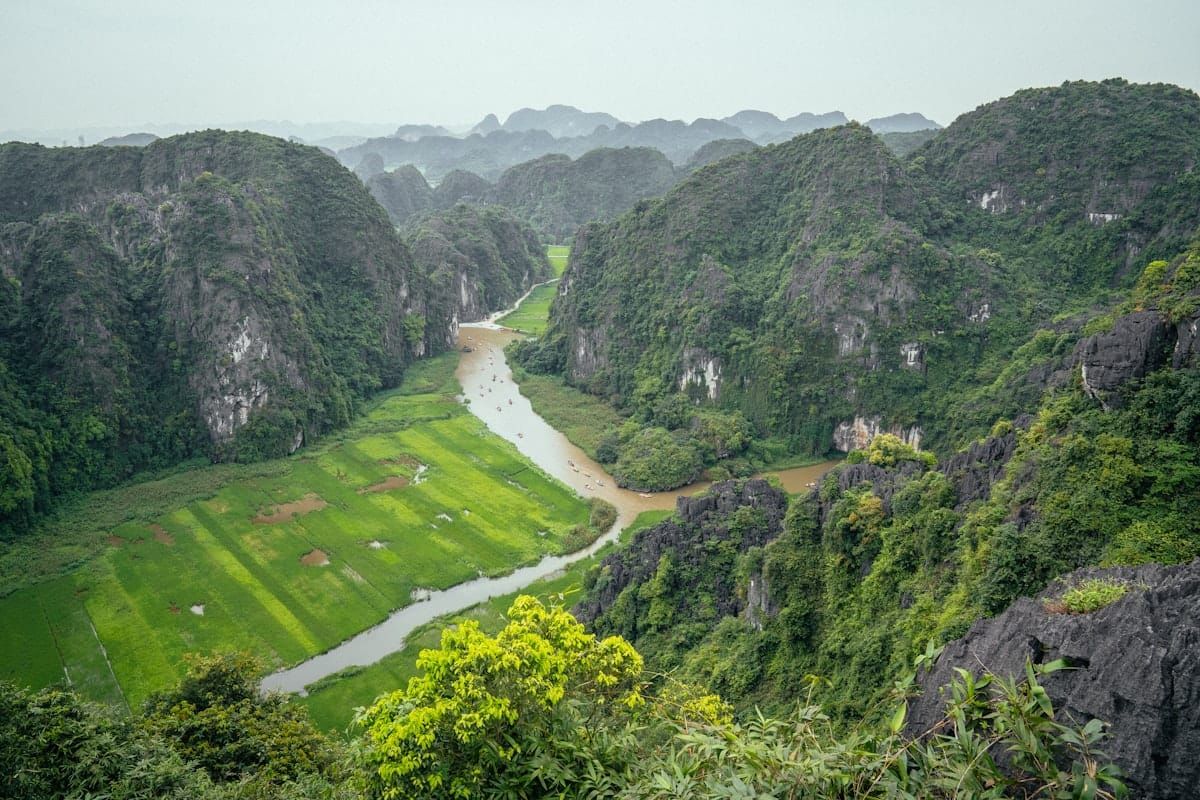
Northern Vietnam & Saigon: A Honeymoon Journey
8 Nights · Vietnam · Couple
A honeymoon that reads north to south: Hanoi's Old Quarter, an overnight cruise through Lan Ha and Ha Long bays, a resort on Cat Ba, Ninh Binh's river valleys, then a Saigon finale.
Highlights: Overnight cruise through the karst islands of Lan Ha and Ha Long Bay · Two resort nights on Cat Ba Island · Trang An boat ride, Mua Caves climb, and Hoa Lu ancient capital in Ninh Binh · Hanoi's Old Quarter, markets, and a water puppet show · Cu Chi Tunnels day trip from Ho Chi Minh City · Easy vegetarian dining, from Hanoi buffets to Saigon's District 1
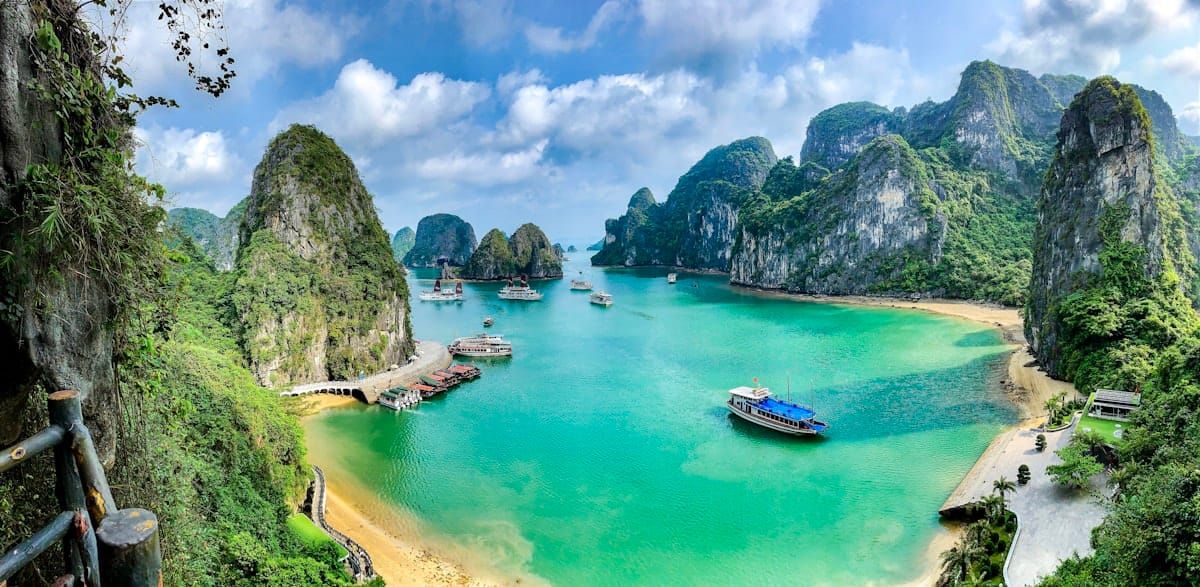
Vietnam North to Central: Hanoi, Ninh Binh Bay Cruise & Heritage Coast
8 Nights · Vietnam · Couple
Eight nights across Vietnam's north and centre: Hanoi's Old Quarter, the karst rivers of Ninh Binh, an overnight Lan Ha Bay cruise, then Da Nang, Ba Na Hills and lantern-lit Hoi An.
Highlights: Overnight luxury cruise through Lan Ha Bay with a private balcony suite · Trang An boat circuit and the panoramic Mua Caves climb in Ninh Binh · Hanoi Old Quarter: Hoan Kiem Lake, Train Street coffee and a water puppet show · Hai Van Pass scenic ride and the Golden Bridge at Ba Na Hills · Lantern-lit Hoi An Ancient Town with riverside dinners and a basket-boat ride
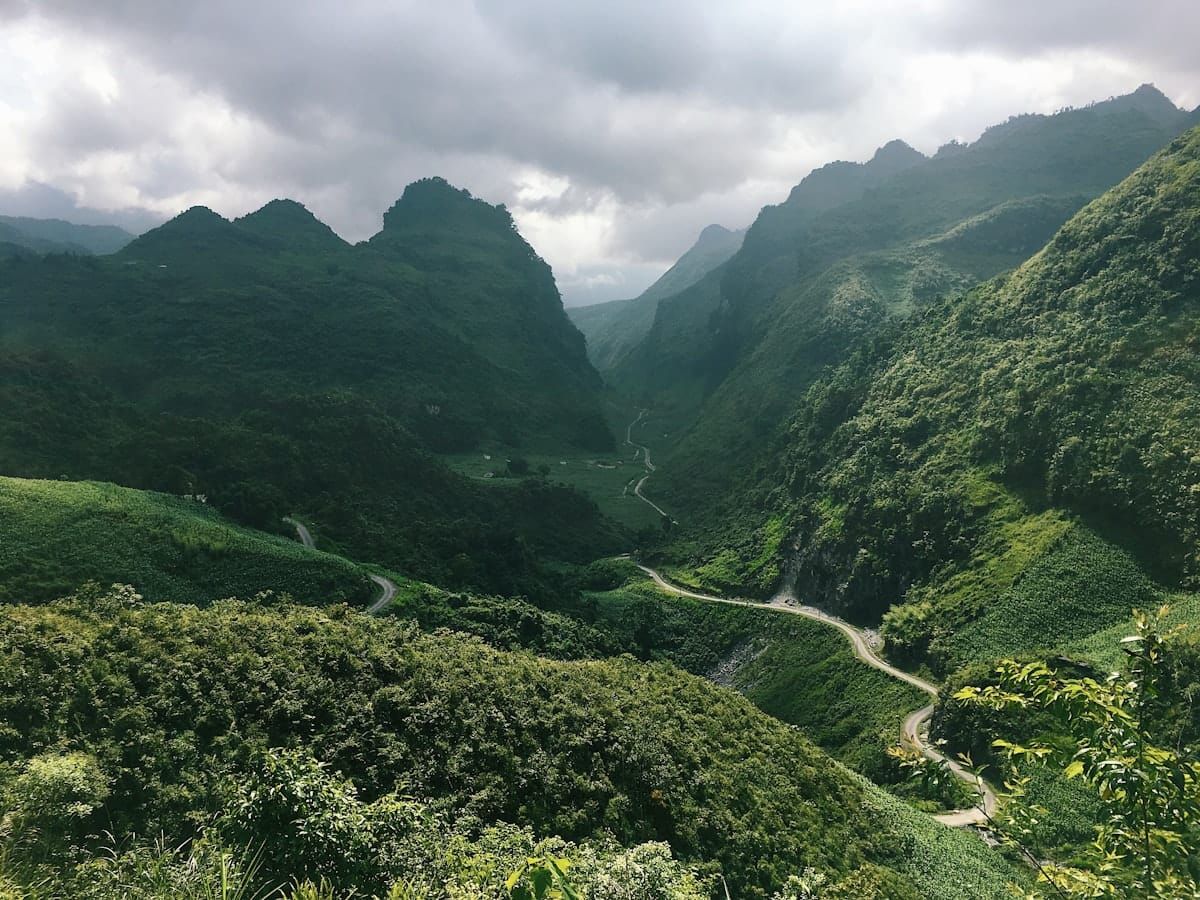
Northern Vietnam Expedition: Lan Ha Bay, Ha Giang Loop & Ninh Binh
8 Nights · Vietnam · Couple
A high-contrast 9-day circuit through Northern Vietnam: a private Lan Ha Bay overnight cruise, the raw adrenaline of the Ha Giang Loop by Easy Rider, and the limestone peaks of Ninh Binh.
Highlights: Private overnight cruise on tranquil Lan Ha Bay, Halong's quiet neighbour · Ride the Ha Giang Loop with a professional Easy Rider driver · Ma Pi Leng Pass and a boat ride through the Nho Que canyon · Trang An caves and the 500-step Mua Cave viewpoint in Ninh Binh · Lantern-lit Dong Van Old Quarter in a UNESCO Global Geopark · Boutique stay in Hanoi's Old Quarter with Train Street and egg coffee
Pair the highlights of Hải Phòng into one easy trip — we'll plan the route.
WhatsApp
Contact Us
Get in touch with us.
Get in touch
Contact Us
Tell us where you'd like to go and how you like to travel. A real Tripcuro planner — not a bot — will craft an itinerary around you.
- Personalised, hassle-free planning end-to-end
- Transparent pricing, no hidden costs
- 24/7 support for complete peace of mind