
Berne
Switzerland · Canton · 20 destinations with guides
Photography coming soonWhy visit?
The Canton of Berne is one of Switzerland's largest and most geographically diverse regions, stretching from the rolling Emmental foothills in the north to the soaring Bernese Oberland peaks in the south — including the iconic Eiger, Mönch, and Jungfrau. At its heart lies the city of Berne, the federal capital of Switzerland and a UNESCO World Heritage Site, where medieval arcaded streets, Renaissance fountains, and the seat of Swiss democracy create an atmosphere unlike any other European capital. The canton is bilingual, with German spoken in the north and east and French in the western Jura districts around Biel/Bienne and the Bernese Jura.
Berne's geography is extraordinary in its range: the fertile Swiss Plateau, the deep-blue lakes of Thun and Brienz, the dramatic glaciated valleys of the Oberland, and the limestone ridges of the Jura are all within a single canton. This diversity means that in a single day you can stroll through the arcades of Berne's old town, take a train up to the Jungfraujoch (the highest railway station in Europe at 3,454 m), and return for dinner beside the Aare River — a variety of experiences matched by few places on Earth.
The canton's character is shaped by its role as the seat of the Swiss Confederation, its proud farming traditions (the Emmental valley is the home of the world-famous Swiss cheese), and its long history as a centre of education and science. Berne has been home to Albert Einstein, Paul Klee, and Ferdinand Hodler, and its cultural institutions — from the Kunstmuseum to the Zentrum Paul Klee — reflect a depth of artistic and intellectual heritage that belies the canton's relatively modest population of around one million.
When is the best time to visit?
The best months to visit the Canton of Berne are June through September, when the Bernese Oberland is at its most accessible: mountain passes are open, hiking trails are clear of snow, and the lakes of Thun and Brienz sparkle under long summer days. July and August are peak season, with warm temperatures (20–28°C on the plateau) and the most frequent mountain transport services — but also the biggest crowds in the Oberland.
For those who prefer fewer visitors, late May/early June and September/early October are excellent: wildflowers bloom in the alpine meadows in June, and the autumn colours along the Aare and in the Emmental are stunning in September. The city of Berne hosts its annual Zibelemärit (Onion Market) on the fourth Monday of November — a centuries-old tradition where the old town fills with stalls selling braided onion garlands, ceramics, and Glühwein.
Winter (December–March) brings skiing to the Oberland resorts of Grindelwald, Wengen, Mürren, and Adelboden, with reliable snow at higher elevations. The Gurtenfestival (mid-July), an open-air music festival on Berne's local mountain, and the Buskers Bern street music festival (late August) are popular summer events. The Bernese Fasnacht (Carnival) takes place in February or March and is one of the most colourful in German-speaking Switzerland.
Tell us your dates and we'll shape a Berne route around them.
WhatsAppHow do you get around?
The Canton of Berne has an excellent integrated transport network. The Swiss Federal Railways (SBB) operate frequent InterCity trains from Bern's main station (Bern Hauptbahnhof) to all major Swiss cities — Zürich is 55 minutes, Geneva 1 hour 50 minutes, Basel 60 minutes, and Lucerne 1 hour. The BLS regional network connects Bern to Thun (30 minutes), Interlaken (50 minutes), Brig, and the Simmental valley. The MOB (Montreux-Oberland Bernois) railway runs the scenic GoldenPass line from Zweisimmen to Montreux.
Within the canton, PostAuto bus services reach every village, no matter how remote. The Oberland is well served by a web of railways, cableways, and funiculars: the Jungfrau Railway from Interlaken to the Jungfraujoch, the Schynige Platte Railway from Wilderswil, and the Harder Kulm funicular above Interlaken are all part of the integrated Swiss transport system. Visitors planning extensive travel should consider a Swiss Travel Pass or a Berner Oberland Regional Pass, which covers most trains, buses, boats, and mountain transport in the region.
Lake Thun and Lake Brienz are served by BLS Navigation boats, offering a scenic alternative to rail between Interlaken, Thun, and Brienz. Driving is straightforward on the motorway network (A1 from the west, A6 from Biel, A8 into the Oberland), though parking in Berne and the Oberland villages is limited and expensive. Cycling is popular along the Aare and in the Emmental, with well-marked routes and gentle gradients on the plateau.
Where should you go?
- Bern — the Swiss federal capital and a UNESCO World Heritage old town, with 6 km of arcaded walkways, the Zytglogge clock tower, and the Bundeshaus; a city where Einstein developed the theory of relativity.
- Thun — a picturesque medieval town on the shore of Lake Thun, crowned by a castle with panoramic views and a charming old town lined with wooden bridges and boutique shops.
- Biel/Bienne — the bilingual watchmaking capital at the foot of the Jura, gateway to the Seeland lake district and home to the Swatch Group headquarters and the Swiss Watch Museum.
- Interlaken — the adventure capital of Switzerland, set between Lakes Thun and Brienz, with stunning views of the Jungfrau massif and access to a vast network of mountain railways and outdoor activities.
- Spiez — a small lakeside town on Lake Thun with a Romanesque castle, a beautiful lakeside promenade, and vineyards stretching down to the water.
- Brienz — a village of woodcarving traditions on the turquoise Lake Brienz, with the open-air Ballenberg museum and the Brienz Rothorn Bahn steam railway.
- Meiringen — the birthplace of meringue and the setting of the Reichenbach Falls (of Sherlock Holmes fame), with excellent access to the Aareschlucht gorge and the Brünig Pass.
- Grindelwald — the most famous Oberland resort, beneath the dramatic north face of the Eiger, with year-round mountain activities and the new Eiger Express cable car.
- Lauterbrunnen — a valley of 72 waterfalls, immortalised by Tolkien as a model for Rivendell, with the Staubbach Fall plunging 297 m directly into the valley floor.
- Wengen — a car-free alpine village above Lauterbrunnen, perched on a sunny terrace with views of the Jungfrau and the Mönch; a classic Swiss mountain resort.
- Mürren — another car-free village, higher still than Wengen, looking directly across to the Eiger, Mönch, and Jungfrau; the starting point for the Schilthorn (Piz Gloria) cable car.
- Kandersteg — a quiet mountain village in the upper Kander valley, famous for the Oeschinensee, one of Switzerland's most beautiful alpine lakes, and the Gemmi Pass.
- Adelboden — a traditional Oberland resort in the Engstligen valley, known for its waterfalls, wildflower meadows, and excellent skiing; host of the FIS Ski World Cup.
- Lenk — a spa village at the head of the Simmental, with thermal baths, waterfall hikes, and access to the Wildstrubel glacier.
- Zweisimmen — the Simmental terminus of the GoldenPass railway, a gateway to the Oberland and the Rinderberg cable car.
- Gstaad — an internationally renowned luxury resort village known for its celebrity visitors, upscale chalets, and the Menuhin classical music festival.
- Saanen — a charming village adjacent to Gstaad, with a Baroque church, traditional wooden chalets, and a quieter, more authentic atmosphere.
- Burgdorf — a medieval hilltop town with a grand castle, a well-preserved old town, and a reputation as a centre of Swiss folk music and educational innovation.
- Langenthal — a market town in the upper Aare valley, a centre of Swiss ceramics and textile industries, with a compact historic centre and good rail connections.
- Langnau im Emmental — the main town of the Emmental valley, the heartland of Swiss cheese-making, with rolling green hills, traditional painted farmhouses, and the Emmentaler show dairy.
Want the scenic legs and stays booked for you? Just ask.
WhatsAppWhat should you eat?
The Canton of Berne's cuisine is rooted in hearty Alpine traditions. The most iconic dish is Berner Platte — a generous platter of boiled meats (pork belly, smoked bacon, sausages), sauerkraut, potatoes, and beans, traditionally served on a wooden board. It's a celebration of preservation and is best sampled in a traditional Bernese Beizli (informal tavern) in the old town. Rösti, the crispy shredded potato cake, is practically a Bernese invention — try it topped with a fried egg or as an accompaniment to Zürcher-style veal.
The Emmental valley produces the world-famous Emmentaler AOP cheese, with its characteristic large holes, and the Schaukäserei (show dairy) in Affoltern im Emmental offers tours and tastings. Meringue — the light, airy egg-white confection — was allegedly invented in Meiringen and remains a point of local pride; try it with Gschwellti (boiled chestnuts) and double cream. Läckerli, the spiced honey biscuit from nearby Basel, is widely available here too.
In the Bernese Oberland, mountain restaurants serve Kässchnitte (cheese toast), Älplermagronen (a macaroni, potato, cream, and cheese bake), and Bündnerfleisch (air-dried meat). In the bilingual western districts around Biel/Bienne, French influences appear — look for perch fillets from Lake Biel and local wines from the Seeland vineyards. Vegetarian options are increasingly common, though traditional Bernese cooking is decidedly meat-and-cheese heavy.
What is the culture like?
Berne has a rich cultural calendar. The Zibelemärit (Onion Market) on the fourth Monday of November is one of the canton's most beloved traditions: over 100 tonnes of ornately braided onion garlands fill the streets of the old town, alongside stalls selling ceramics, felt slippers, and warm Glühwein. The origins are debated but the celebration dates back centuries.
The Gurtenfestival (mid-July) is Switzerland's premier open-air music festival, held on the Gurten hill just outside Bern, with international and Swiss acts performing over four days. Buskers Bern (late August) transforms the old town into an open-air stage for street musicians from around the world. The Berner Fasnacht (Carnival) begins on Dirty Thursday (Schmutziger Donnerstag) and runs through the following Tuesday, with elaborate parades, masked groups (Grinde), and confetti-filled streets.
In the Oberland, folk traditions are strong: Alpabfahrt/Alpaufzug (the autumn cattle drive, when decorated cows descend from high pastures) takes place in September in virtually every valley and is a spectacular cultural event. The Menuhin Festival in Gstaad (July–September) brings world-class classical music to an intimate alpine setting. The city of Berne's Kunstmuseum, Zentrum Paul Klee, and Bern Historical Museum (with its Einstein exhibition) offer year-round cultural depth.
Travelling during a festival? We'll plan around the crowds.
WhatsAppWhat are the standout experiences?
- Riding the Jungfrau Railway to Europe's highest station — the cogwheel train climbs from Interlaken through Kleine Scheidegg and the Eiger's north face tunnel to the Jungfraujoch at 3,454 m, with panoramic views of the Aletsch Glacier; a once-in-a-lifetime Alpine experience.
- Swimming the Aare in Berne — in summer, locals float down the river Aare from the Schwellenmätteli to the Marzilibad, drifting beneath the Bundeshaus and the old town in turquoise water; an iconic Bernese experience.
- Exploring the Lauterbrunnen Valley and Schilthorn — take the cable car from Stechelberg through Mürren to the revolving restaurant at Piz Gloria (2,970 m), immortalised in a James Bond film, with 360-degree views of the Bernese Alps.
- Visiting the Emmental cheese farms — tour the Schaukäserei in Affoltern im Emmental, walk the rolling green hills between traditional painted farmhouses, and taste Emmentaler AOP at the source.
- Walking Berne's UNESCO old town — a two-hour stroll from the Zytglogge clock tower (watch the hourly mechanical show) through 6 km of arcaded streets, past the Bundeshaus, the Einsteinhaus on Kramgasse, and the Bear Park on the Aare's edge.
Top Destinations
Every destination in Berne with a guide — tap a place for the full guide.
Adelboden
Adelboden is a town in Berne, Switzerland.
Bern
Berne was founded in 1191 by Duke Berthold V von Zähringen and was…
Biel/Bienne
Biel/Bienne is a town in Berne, Switzerland.
Brienz
Brienz is a town in Berne, Switzerland.
Burgdorf
Burgdorf lies on the Emme River in the Canton of Berne, serving as…
Grindelwald
Grindelwald is a town in Berne, Switzerland.
Gstaad
Gstaad is a town in Berne, Switzerland.
Interlaken
Interlaken Tourism website
Kandersteg
Kandersteg is a town in Berne, Switzerland.
Langenthal
Langenthal lies on the Swiss Plateau in the Oberaargau region of…
Langnau im Emmental
Langnau im Emmental serves as the commercial and administrative…
Lauterbrunnen
Lauterbrunnen is a town in Berne, Switzerland.
Lenk
Lenk is a town in Berne, Switzerland.
M??rren
M??rren is a town in Berne, Switzerland.
Meiringen
Meiringen is in the upper valley of the River Aare, the Haslital , at…
Saanen
Saanen is a town in Berne, Switzerland.
Spiez
Spiez is a small, quaint little town (pop 12,500) on the south shore…
Thun
The area of what is now Thun was inhabited since the Neolithic age…
Wengen
The clouds rose from the opposite valley, curling up perpendicular…
Zweisimmen
Zweisimmen sits at an altitude of 948 meters in the Bernese Oberland…
Sample itinerary
See how a trip to Berne comes together — a real Tripcuro plan, day by day.
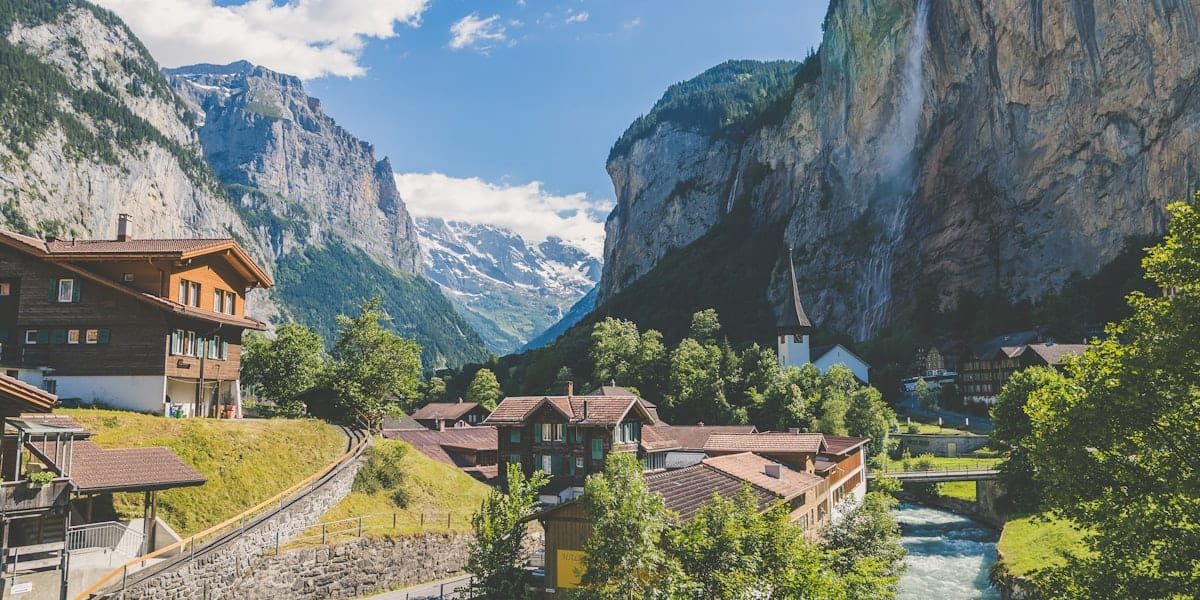
Switzerland & Italy Scenic Rail
10 Nights · Switzerland · Italy · Couple
An all-rail loop from the Swiss Alps to the heart of Italy: Jungfraujoch, the Glacier and Bernina Express, then Venice's canals, Florence's galleries and Rome's Vatican and Colosseum.
Highlights: Jungfraujoch — Top of Europe · Glacier Express Zermatt to Chur · Bernina Express to Italy · Venice island gondola · Uffizi & David in Florence · Vatican & Colosseum in Rome
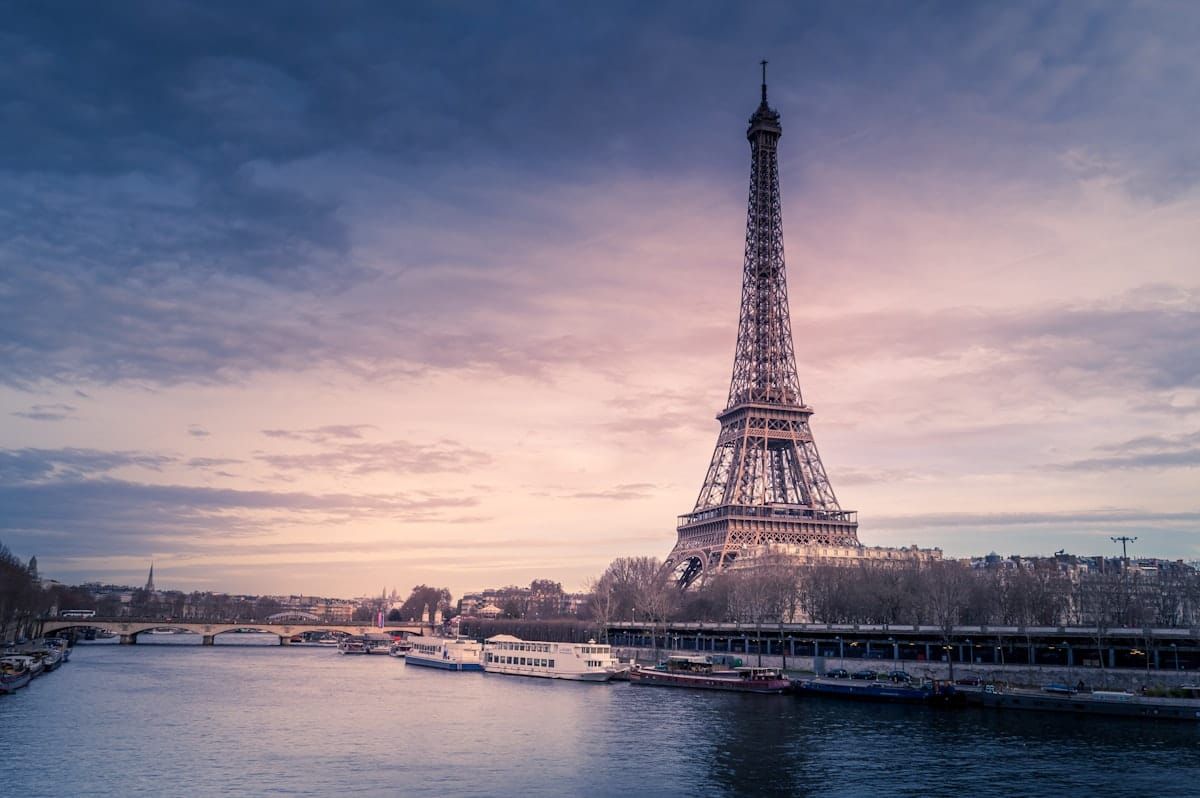
Swiss Alps & Paris: A Grand Family Adventure
8 Nights · Switzerland · France · Family - 6 adults + 4 children
Eight nights for a group of ten across the Swiss Alps and Paris: cliff walks and ziplines at Grindelwald First, the Top of Europe at Jungfraujoch, panoramic rail, Mount Pilatus, then a TGV to Disneyland Paris and the Eiffel Tower.
Highlights: Jungfraujoch, the Top of Europe, at 3,454m · First Cliff Walk, zipline and glider at Grindelwald First · Luzern-Interlaken Express past five alpine lakes · Mount Pilatus Golden Round Trip and Switzerland's longest toboggan run · TGV Lyria high-speed sprint to Paris · Full day at Disneyland Paris with the new World of Frozen
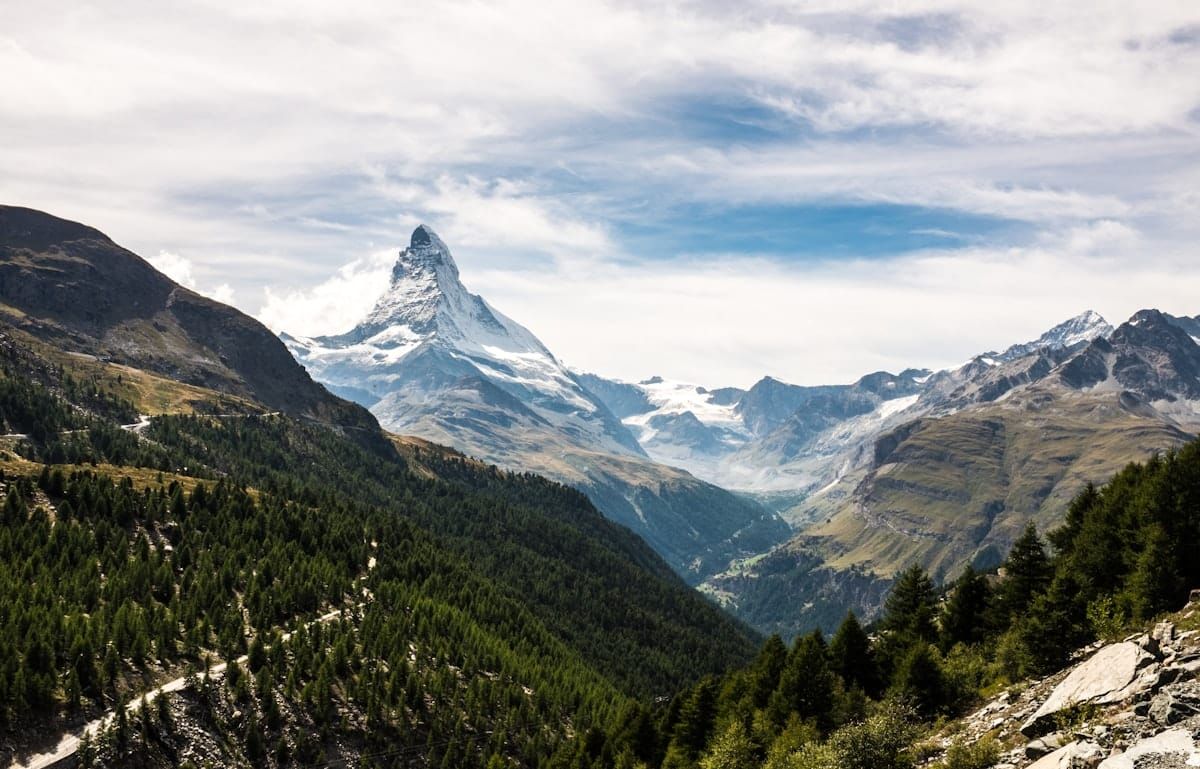
Matterhorn Alpine Crossing: Milan to Lucerne by Cable Car & Rail
9 Nights · Italy · Switzerland · Family - 6 travellers
Nine nights from Milan into the Italian Alps at Breuil-Cervinia, then over the Matterhorn by cross-border cable car into car-free Zermatt, on through Interlaken's peaks to lakeside Lucerne.
Highlights: Matterhorn Alpine Crossing: the world's highest cross-border cable car, Italy to Switzerland · Car-free Zermatt beneath the Matterhorn's pyramid peak · Jungfraujoch, the Top of Europe, at 3,454m by cogwheel railway · Schilthorn's revolving Piz Gloria and the James Bond 007 sets · Mount Pilatus Golden Round Trip: paddle steamer, steepest cog railway, gondola · Scenic finale over the Gotthard Panorama Express back to Milan
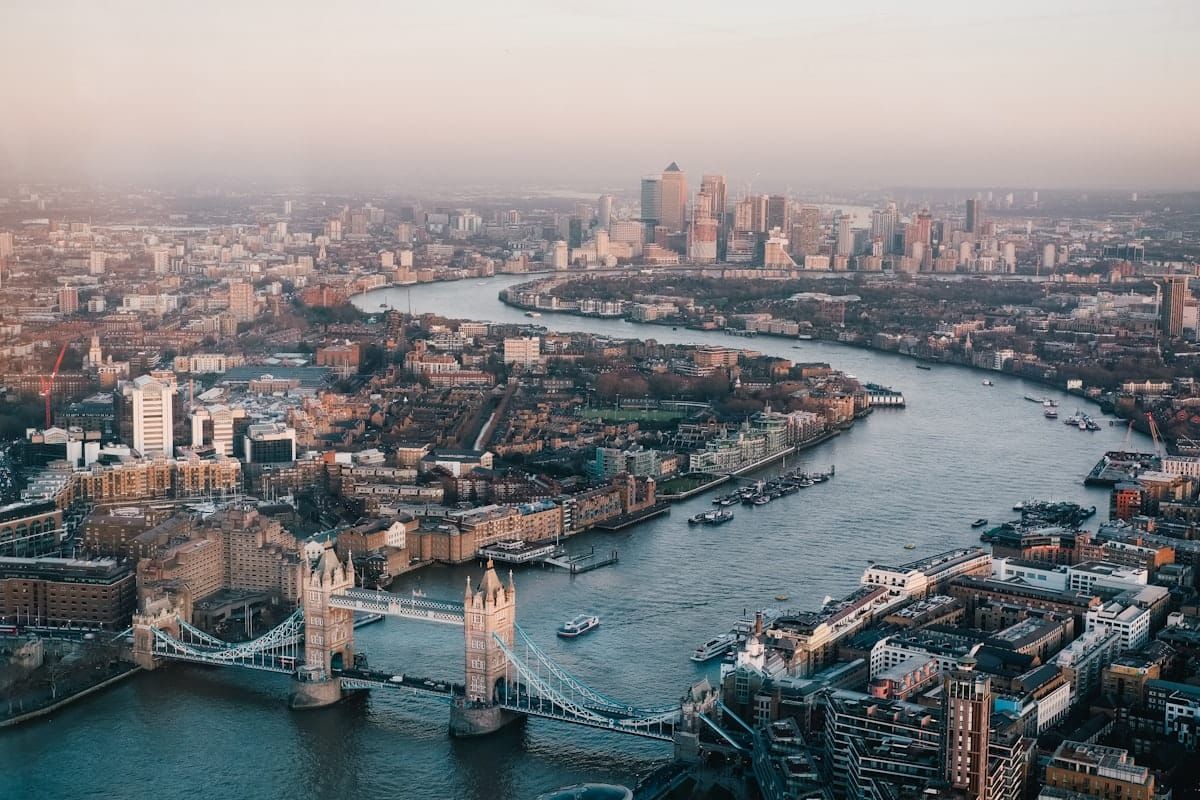
London to Rome: The Grand European Rail Tour
16 Nights · United Kingdom · France · Switzerland · Germany · Italy · Couple
A classic 16-night European grand tour by train: royal London, romantic Paris, the snow-capped Swiss Alps, Rhineland Cologne, Bavarian Munich and ancient Rome — linked seamlessly by Eurostar and rail passes.
Highlights: Eurostar under the Channel from London to Paris · Jungfraujoch — Europe's highest railway station at 3,454 m · Golden Round Trip up Mount Pilatus above Lake Lucerne · Neuschwanstein Castle day trip from Munich · Skip-the-line Colosseum, Roman Forum and Vatican · Seine cruise and Eiffel Tower summit by night
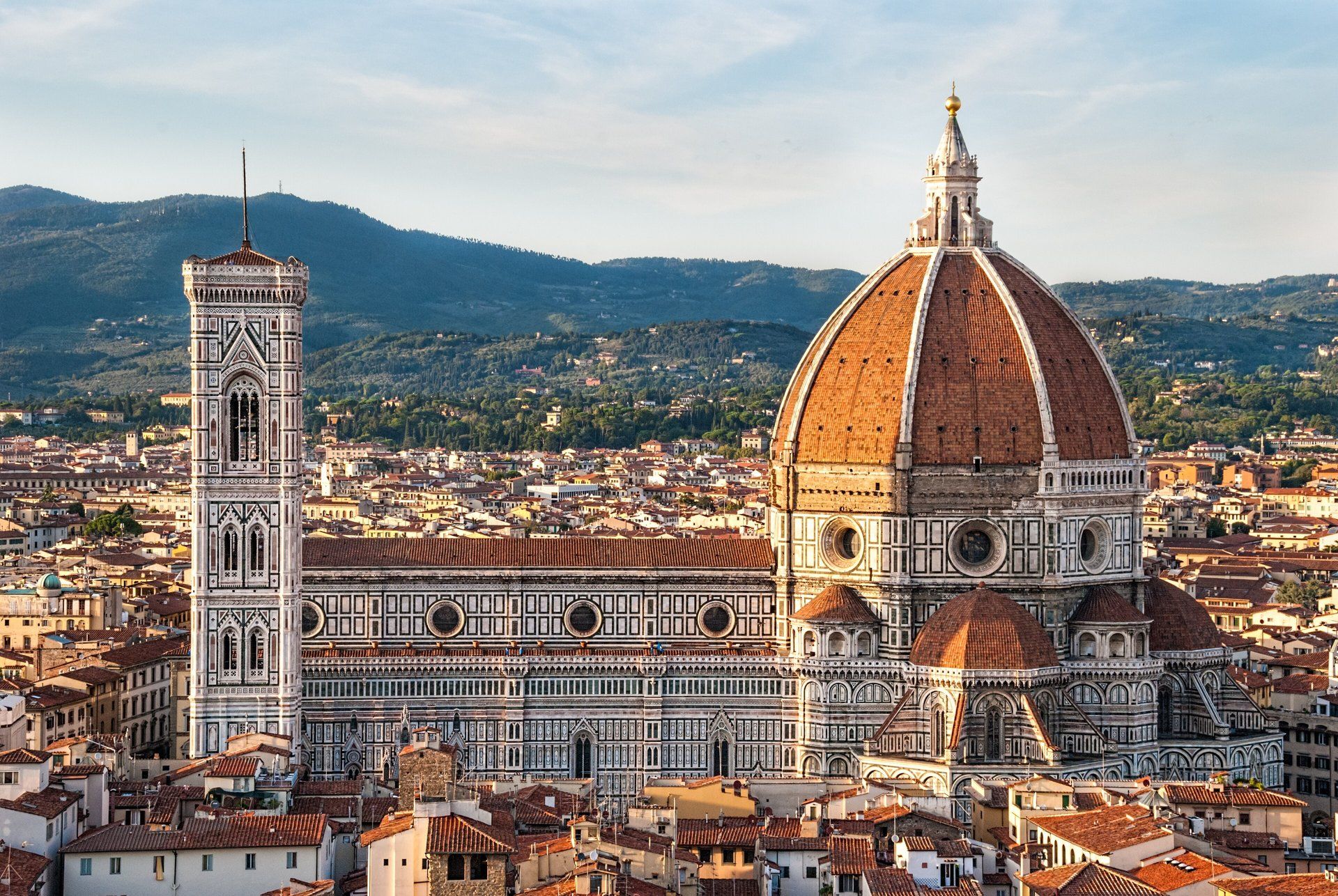
Swiss Alps to Venice, Florence & Rome
10 Nights · Switzerland · Italy · Couple
The showpiece Swiss rail journeys — Glacier Express, Bernina Express and Jungfraujoch — flow straight into Venice, Florence and Rome. An all-rail arc pairing Alpine scenery and Matterhorn views with Italy's greatest art cities and ancient monuments.
Highlights: Jungfraujoch, the Top of Europe, from Interlaken · Glacier Express from Zermatt to Chur · Bernina Express from Chur to Tirano · Mt Pilatus and Gornergrat for Matterhorn views · Doge's Palace on Venice island and the Uffizi in Florence · Vatican Museums and the Colosseum in Rome
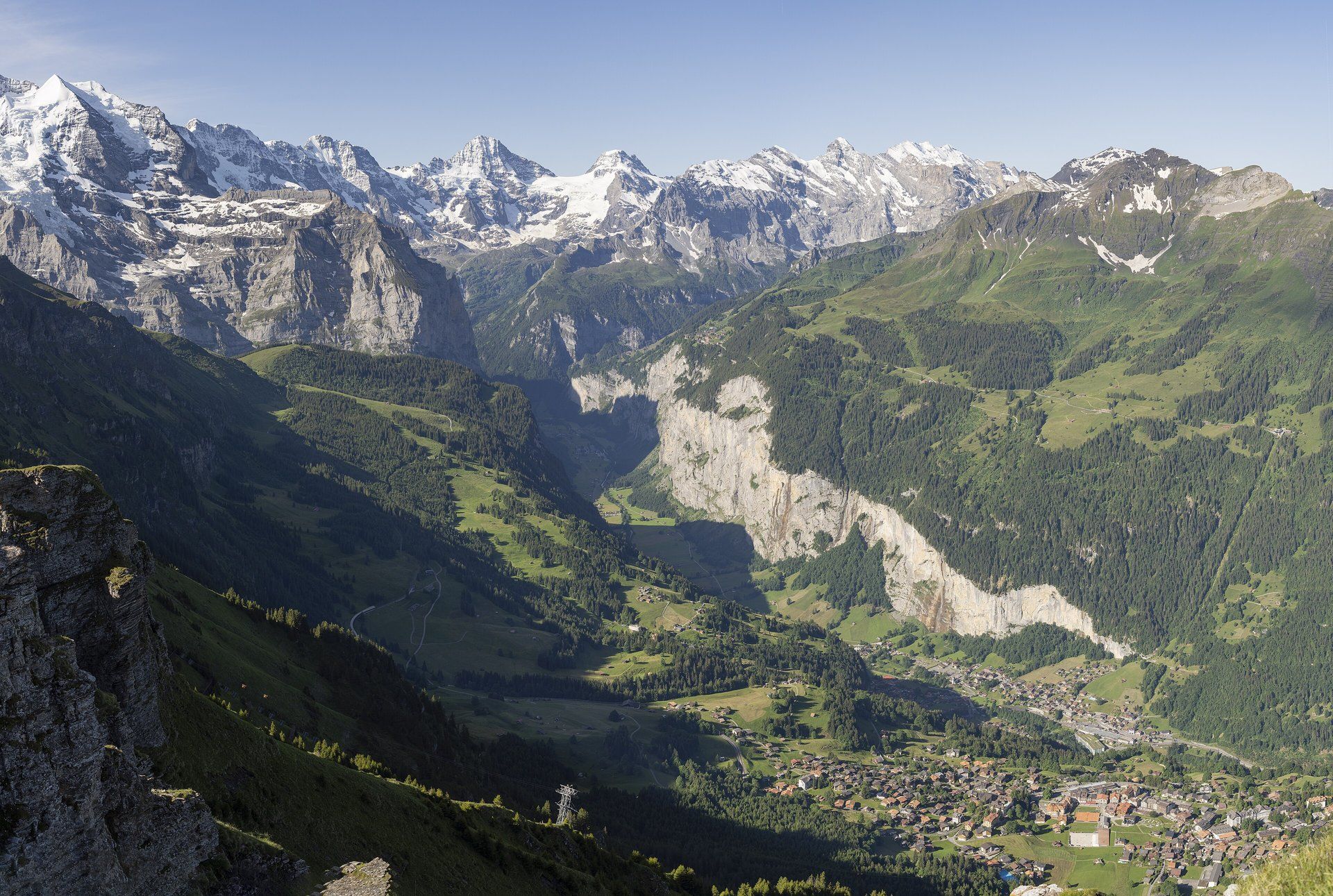
Swiss Alps, Paris & Amsterdam by Rail
10 Nights · Switzerland · France · Netherlands · Couple
Switzerland's Alpine highlights — Mt Pilatus, Jungfraujoch and Grindelwald-First — connect by scenic rail to Paris and Amsterdam. A Swiss Travel Pass covers the mountain trains and boats before TGV Lyria and Eurostar carry you north to two more capitals.
Highlights: Mt Pilatus golden round trip from Lucerne · Jungfraujoch, the Top of Europe, at 3,454 m · Grindelwald-First cliff walk and Bachalpsee hike · Lake Lucerne cruise on the Swiss Travel Pass · TGV Lyria to Paris for the Eiffel Tower and the Louvre · Eurostar to Amsterdam for the Rijksmuseum and Van Gogh Museum
Pair the highlights of Berne into one easy trip — we'll plan the route.
WhatsApp
Contact Us
Get in touch with us.
Get in touch
Contact Us
Tell us where you'd like to go and how you like to travel. A real Tripcuro planner — not a bot — will craft an itinerary around you.
- Personalised, hassle-free planning end-to-end
- Transparent pricing, no hidden costs
- 24/7 support for complete peace of mind