
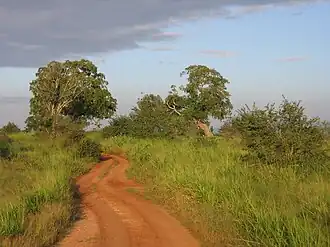
Ratnapura
Sabaragamuwa Province, Sri Lanka
Why visit Ratnapura?
Ratnapura — literally "City of Gems" in Sinhala — is the capital of Sabaragamuwa Province, set on the banks of the Kalu Ganga (Black River) some 101 km southeast of Colombo. For centuries the alluvial gravels beneath this corner of south-central Sri Lanka have yielded sapphires, rubies, cat's-eyes, alexandrites and star stones, and gem mining still shapes the town's economy, character and rhythm. The work is overwhelmingly artisanal: pit mines sunk by hand, gravel washed in woven baskets, rough stones traded on the street and in cramped upstairs offices. A walk through the centre means passing dealers murmuring over folded paper packets of stones.
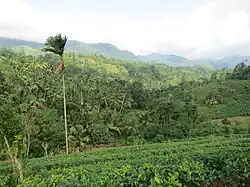
Beyond gems, Ratnapura is a working agricultural and commercial hub ringed by tea and rubber estates, paddy and a dramatically green, hilly hinterland. It is also a natural gateway: Adam's Peak (Sri Pada) rises to the east, the Sinharaja rainforest lies to the south, and waterfalls tumble through the surrounding ridges. Travellers tend to use it as a base or a stopover rather than a sightseeing destination in its own right, but the gem culture rewards anyone who lingers.
The climate is wet-zone tropical — humid and warm year-round, with heavy rain possible in almost any month and the heaviest falls during the southwest monsoon (roughly May to September) and the second inter-monsoon (October–November). The driest, most comfortable window is broadly January to April. Flash flooding is a real local hazard after sustained rain, both in the rivers and at waterfalls.
Planning Ratnapura? Tell us your dates and we’ll tailor the trip.
Ask on WhatsAppHow do you get there?
By Plane
The nearest international gateway is Bandaranaike International Airport (CMB) at Katunayake, north of Colombo, roughly 130–140 km from Ratnapura by road — generally a 3.5–4.5 hour drive depending on traffic and route. There is no airport bus direct to Ratnapura; the usual options are a pre-booked car/transfer, or the airport expressway shuttle into Colombo followed by an onward bus. Ratmalana Airport (RML), south of Colombo, handles limited domestic flights but is not a practical gateway for most visitors.
By Car / Road
Ratnapura is well connected by road. From Colombo it is about 101 km via the A4 (Colombo–Batticaloa road) through Avissawella, typically 3–4 hours by car. From Galle and the south coast, it is reachable via the A8/A17 corridor. Roads are paved but winding through the hills, and slow behind buses and lorries.
Public SLTB and private buses run frequently from Colombo, taking around 4 hours. Routes 67 and 98 depart from Colombo Fort; routes 99 and 122 leave from Pettah, with route 122 running 3–4 times per hour between roughly 04:00 and 19:00. These are basic public buses. For more comfort, Superline operates overnight luxury coaches from Pettah at around 22:00 and 23:00 for about Rs 2,260, reaching Ratnapura near 02:00.
The town centre is compact and walkable — the gem dealing streets, market and main shops are within easy strolling distance. For anything further, tuk-tuks (three-wheelers) are the everyday transport; short hops in town run a few hundred rupees, and you should agree the fare before setting off or insist on the meter where fitted. Metered ride-hailing through PickMe is available and avoids haggling. Local buses fan out to surrounding villages, waterfalls and Sinharaja-bound towns from the main bus stand. If you plan to visit gem mines, waterfalls or estates, hiring a tuk-tuk or car with driver for a half- or full-day is the simplest option. Be wary of overly insistent "gem agents" who attach themselves to visitors and steer you to commission-paying showrooms.
What are the things to do?
Waterfalls
- Bopath Ella — A graceful, fig-leaf-shaped fall near Kuruwita; turn off the Colombo–Ratnapura road at Higgashena and continue about 2 km. Bathing is permitted, but flash floods can rise within minutes after rain — heed warnings.
- Katugas Ella — At Mahawalawatta, about 3 km from town; a popular local swimming and picnic spot.
- Kirindi Ella — Off the Pelmadulla main road, around 4 km from Ratnapura; one of the tallest waterfalls on the island.
- Rajanawa (Rajanawela) Falls — Near the Ratnapura–Kalawana road at Marapana village; a scenic cascade that has featured in Sinhala films.
Other sights
Maha Saman Devalaya — A historic shrine dedicated to the deity Saman, guardian of Adam's Peak, on the edge of town; its annual perahera (festival procession) is a major local event.
National Museum, Ratnapura — A modest provincial museum with displays on gems, geology, prehistory and the region's natural history.
Gem mining areas — The pit mines in the river valleys around town are best seen on an arranged visit (see the Do section).
Tour the gem trade. Visit gem showrooms in the centre to see cut and polished stones, then arrange — usually through a guesthouse — a visit to a working pit mine to watch miners sink shafts, haul gravel and wash for rough stones.
Watch the morning gem market. An informal street market where dealers trade rough and cut stones operates most mornings (except poya days) in Nivitigala, about a 40-minute drive away, generally winding down by mid-afternoon. Come to observe; buying requires real expertise.
Climb Adam's Peak (Sri Pada). The 2,243 m sacred mountain lies about 28 km away; though the classic pilgrim trail from Nallathanniya/Dalhousie (eastern side) is the easier route, Ratnapura is the historic starting point for the longer, steeper Gilimale–Carney trail.
Day-trip to Sinharaja. The UNESCO-listed rainforest is reachable via Kalawana and Kudawa for birdwatching and guided walks.
Visit waterfalls and bathe. Bopath Ella and Katugas Ella double as swimming spots in fair weather.
Planning Ratnapura? Want these on a customised itinerary?
Ask on WhatsAppWhere to eat?
Ratnapura's food is everyday Sri Lankan wet-zone cooking — rice and curry, hoppers, kottu rotty, string hoppers and short eats — served in unpretentious local eateries and a handful of hotel dining rooms. A regional specialty is kithul (jaggery), the dark palm sugar and treacle made from the kitul palm, sold as candy and used in sweets; tipping treacle over buffalo-milk curd is a classic local dessert.
- Budget: Local "hotels" and rice-and-curry shops around the bus stand and main street serve generous lunch packets and short eats for very little; veg options are always available.
- Mid-range: The restaurants of town hotels such as Ratna Gems Halt and Rest House Ratnapura offer reliable rice and curry, fried rice and Western dishes in a calmer setting.
- Treat: Dining rooms at hillside hotels and eco-lodges on the outskirts provide more polished multi-dish Sri Lankan meals, often with valley views.
Vegetarian food is easy and abundant; halal options exist among the town's Muslim-run eateries. Ask ahead for anything strictly gluten-free.
Where to drink?
The non-alcoholic staple is strong, sweet Ceylon tea, alongside fresh king-coconut water (thambili) sold from roadside stacks, lime sodas and fruit juices. Locally, kitul toddy and the spirit arrack are the traditional alcoholic drinks; licensed bars are limited and concentrated in hotels and rest houses, and alcohol is not sold on poya (full-moon) days. Tap water is not reliably safe to drink — stick to bottled or properly filtered water, which is widely available and cheap.
Planning Ratnapura? We’ll book the stays and dining for you.
Ask on WhatsAppWhere to stay?
- Budget: Ratna Gems Halt — a long-running, family-run guesthouse on a hill above town, known for home cooking and arranging gem-mine visits; rooms roughly US$15–30. Simple guesthouses near the centre offer rooms from around Rs 3,000–6,000.
- Mid-range: Rest House Ratnapura — the colonial-era rest house with a central location and valley outlook; mid-range rates. Several mid-tier hotels on the town's edge offer comfortable rooms in the US$30–60 range.
- Upscale / heritage: Boutique eco-lodges and tea-estate-style retreats in the hills around Ratnapura — set among greenery on the approaches to Sinharaja and Adam's Peak — provide the most characterful stays, typically from around US$60 upward; book ahead, as quality options are limited.
What should you buy?
Ratnapura is, unsurprisingly, all about gemstones — blue and other sapphires, star sapphires, rubies, cat's-eye chrysoberyl, garnets, moonstones, topaz and spinel. The town has many showrooms and street dealers, and prices can be attractive, but the market is also a minefield for the inexperienced: synthetic, treated and misrepresented stones are common. Buy only from reputable, established dealers, ask for documentation, and ideally have valuable stones independently certified before purchase. Treat unsolicited "bargain" offers from street agents with suspicion. Bargaining is normal in showrooms and on the street, less so for certified stones at fixed-price establishments. Beyond gems, look for local agricultural produce and palm-based sweets in the town market.
Where to go next?
- Sinharaja Forest Reserve (~50–60 km via Kalawana) — UNESCO World Heritage rainforest and birdwatching mecca.
- Adam's Peak / Sri Pada (~28 km) — Sacred summit with a famous pilgrim climb, busiest December–May.
- Kitulgala (~50 km north) — White-water rafting town on the Kelani River, where The Bridge on the River Kwai was filmed.
- Udawalawe National Park (~75 km) — Open grassland park renowned for large herds of wild elephants.
- Nivitigala (~40-minute drive) — Worth the trip for its morning gem market.
- Colombo (~101 km) — The commercial capital, for onward travel and city sights.
Nearby in Sabaragamuwa Province
More places to explore around Ratnapura.
Guide content as of May 2026. Portions adapted from Wikivoyage, CC BY-SA 4.0.

Contact Us
Get in touch with us.
Get in touch
Contact Us
Tell us where you'd like to go and how you like to travel. A real Tripcuro planner — not a bot — will craft an itinerary around you.
- Personalised, hassle-free planning end-to-end
- Transparent pricing, no hidden costs
- 24/7 support for complete peace of mind