

Gorkhi-Terelj National Park
Töv, Mongolia
Why visit Gorkhi-Terelj National Park?
Gorkhi-Terelj National Park (Горхи-Тэрэлж) is the most accessible slice of classic Mongolian wilderness, lying roughly 55 km northeast of Ulaanbaatar in Töv province. A protected area since 1993, it forms part of the larger Khan Khentii Strictly Protected Area and is named for the Gorkhi River and the rhododendron ("terelj") shrubs that bloom across its slopes. Granite tors weathered into surreal shapes, larch and birch forest, alpine meadow and a winding river give the park a scenery that feels remote despite being a short drive from the capital — which is precisely why it has become one of Mongolia's signature attractions.
For most of the year Terelj is a weekend escape for Ulaanbaatar's residents, who come to picnic by the river, ride horses and stay in the dozens of ger camps strung along the valley road. The flip side of that popularity is that the lower park can feel busy in July and August; for solitude, hike or ride further up the valley past Terelj village. The park's living culture is as much a draw as its rocks: nomadic herder families still graze livestock here, and a night in a heated ger remains the quintessential Terelj experience.
The climate is sharply continental. Summer (June–August) is the prime season, with warm days, wildflowers and the rivers running full; May and September are cooler but pleasant and quieter. Winters are severe — temperatures regularly fall to −28°C (−18°F) and below — but the snow-clad granite and frozen rivers are starkly beautiful if you come prepared. Bring layers in any season, as evenings turn cold even in midsummer.
Planning Gorkhi-Terelj National Park? Tell us your dates and we’ll tailor the trip.
Ask on WhatsAppHow do you get there?
By Plane
The park has no airport. The gateway is Ulaanbaatar, served by Chinggis Khaan International Airport (UBN), located near Khöshig Valley about 50 km south of the capital. From the airport it is roughly 100–110 km to the park; the simplest option is to arrange a transfer or car onward to Terelj directly, or travel into Ulaanbaatar first (taxi to the city centre runs around ₮80,000–120,000) and continue from there.
By Car / Road
The drive from Ulaanbaatar is about 55–70 km depending on your destination within the park, and the road is paved the whole way — fine for an ordinary car. Allow around 1.5–2 hours. A hired car with driver or an organised day tour is the most convenient option for short visits. Public buses (Route XO4, signed "Тэрэлж") run from a city bus stop on the south side of Peace Avenue, about 300 m east of the junction with Ondor Gegeen Zanabazaryn and roughly opposite the Narantuul Hotel; departures are around 12:00 and 16:00, the fare is about ₮2,500 one way, and the journey takes 2 hours to the south end of the park, 2.5 hours to Turtle Rock and 3 hours to Terelj village. Return buses leave Terelj village around 08:00 and 16:00. An alternative way back is a microbus from Terelj village to Nalaikh town (roughly every two hours, ₮2,000), where buses run to Ulaanbaatar every 10 minutes (about ₮900). A park entry fee of around ₮3,000 is payable at the gate, about 6 km from the turnoff for the park road — though staff are not always present to collect it.
There is no public transport inside the park; getting around is on foot, on horseback or by vehicle. The valley road links the cluster of ger camps and the main sights, and many camps are within walking distance of one another. Distances between attractions can be deceptive — Turtle Rock to Aryabal Temple is a comfortable walk, but reaching Terelj village or the upper valley is best done by car. Almost every ger camp can arrange horse rental (a horse with a guide is the traditional way to explore side valleys) and many will also organise a driver. There are no ride-hailing apps operating in the park, so settle transport with your camp on arrival and agree prices in advance.
What are the things to do?
Turtle Rock (Melkhii Khad) — The park's emblem: a huge granite outcrop weathered into the unmistakable shape of a turtle, around 24 m high. It sits beside the valley road, is free to visit and is a favourite photo stop; you can scramble partway up.
Aryabal Meditation Temple — A working Buddhist temple completed in 2004, reached by a path of 108 stone steps and surrounded by 108 small stupas. The approach is lined with plaques bearing the Buddha's teachings, and the temple shrine houses a silver prayer wheel; the setting on a forested hillside is as much the attraction as the building. Often confused with the so-called "Princess Temple."
Cave of 100 Monks — A cave site associated with monks said to have sheltered here during the 1930s religious purges; a modest but atmospheric stop for those interested in Mongolia's Buddhist history.
Dino Park — A small open-air display of dinosaur models near the valley road, popular with families travelling with children.
Hiking and trekking — Trails wind through forest and granite outcrops; the walk up to Aryabal Temple and rambles around Turtle Rock suit casual visitors, while longer routes head up the valley toward the Khentii mountains.
Horse riding — The classic Terelj activity. Ger camps rent horses by the hour or day, with guides who can take you to remote side valleys and, on multi-day rides, toward sights such as Gunjiin Süm temple.
River activities — In summer the Tuul and Gorkhi rivers allow rafting and gentle paddling.
Golf — The Chinggis Khaan Golf Club offers a round in an unlikely steppe-and-forest setting.
Adventure sports — Operators such as Extreme Mongolia (☏ +976 99053277) run bridge crossings, a flying fox zipline and rock climbing.
Winter activities — When snow falls, cross-country skiing and snow walks replace the summer programme.
Planning Gorkhi-Terelj National Park? Want these on a customised itinerary?
Ask on WhatsAppWhere to eat?
Eating in Terelj revolves around the ger camps, most of which include meals or run a dining hall serving hearty Mongolian fare: mutton soups, buuz (steamed dumplings), khuushuur (fried meat pasties) and rice or noodle dishes, often with homemade dairy such as fresh cheese and yoghurt. Independent restaurants are few, so it is wise to arrange meals through your accommodation. Vegetarians should flag dietary needs well in advance — meat is central to the local diet and substitutes are limited.
- Ecotourism Ger Camp dining (budget) — Bert's family camp is known for its home-cooked food, including homemade cheese; meals are included in the per-person rate.
- Terelj Lodge Ger Camp restaurant (mid-range) — A traditional tourist camp with on-site restaurant facilities serving Mongolian and Western-style dishes.
- Resort World Terelj Hotel restaurant (upscale) — Hotel dining for those staying at or visiting the larger resorts near Km 44.
Where to drink?
The drink to know is airag — fermented mare's milk, mildly alcoholic and a summer staple of herder families, sometimes offered to guests at camps. Mongolian vodka is widely available, and salty milk tea (süütei tsai) is the everyday hot drink served in gers. Bottled water is sold in Terelj village shops and at camps; do not drink untreated water from the rivers — boil, filter or stick to bottled water. There is no real bar or café scene in the park itself; the larger resorts have bars for their guests, and Terelj village shops sell beer and spirits to take away.
Planning Gorkhi-Terelj National Park? We’ll book the stays and dining for you.
Ask on WhatsAppWhere to stay?
- Budget — Ecotourism Ger Camp, a friendly family-run camp away from the main tourist strip (reachable on foot from the bus or by pick-up); around €20 per person per night including all meals. Generic tourist ger camps line the road approaching Terelj village and can often be had for around ₮25,000 for a two-person ger without meals; rates are negotiable as the camps are numerous and similar.
- Mid-range — Terelj Lodge Ger Camp (☏ +976 11 34 4488) offers authentic gers with twin beds, wood stoves, Western-style showers and a restaurant. Terelj Mountain Lodge and Terelj Star Resort are comparable options along the valley.
- Upscale — Resort World Terelj Hotel (Km area; ☏ +976 77777775) and Glory Resort Mongolia (Km 44; ☏ +976 70702222, check-in 15:00 / check-out 11:00) provide hotel-standard rooms and amenities. Red Rock Resort (☏ +976 77000111) is another full-service property.
What should you buy?
Shopping is minimal — this is a nature destination, not a retail one. Terelj village has a couple of basic shops selling bottled water, biscuits, snacks and vodka, useful for stocking up before heading into the park. Ger camps also sell drinks and supplies, but with less choice and higher prices. For souvenirs — felt crafts, cashmere, traditional artwork — wait until you return to Ulaanbaatar, where the markets and shops have far more to offer.
Where to go next?
- Ulaanbaatar (~55–70 km, 1.5–2 hours) — Mongolia's capital, with the Gandan Monastery, the National Museum and Sükhbaatar Square.
- Genghis Khan Equestrian Statue (~30–40 km southwest, under an hour) — The colossal 40 m stainless-steel statue at Tsonjin Boldog, easily combined with Terelj.
- Nalaikh (~30 km) — A former mining town on the route back to the capital, useful as a transport hub.
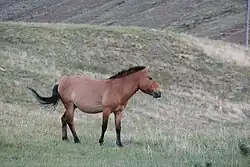
- Khustain Nuruu (Hustai) National Park (~200 km, around 3 hours via Ulaanbaatar) — Steppe reserve home to the wild Przewalski's horse.
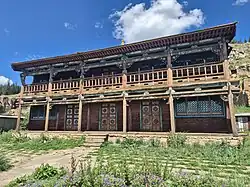
- Gunjiin Süm (multi-day ride/trek north into the park) — A remote 18th-century temple ruin for adventurous riders.
Nearby in Töv
More places to explore around Gorkhi-Terelj National Park.
Guide content as of May 2026. Portions adapted from Wikivoyage, CC BY-SA 4.0.

Contact Us
Get in touch with us.
Get in touch
Contact Us
Tell us where you'd like to go and how you like to travel. A real Tripcuro planner — not a bot — will craft an itinerary around you.
- Personalised, hassle-free planning end-to-end
- Transparent pricing, no hidden costs
- 24/7 support for complete peace of mind