
Harajuku
Tokyo, Japan
Why visit Harajuku?
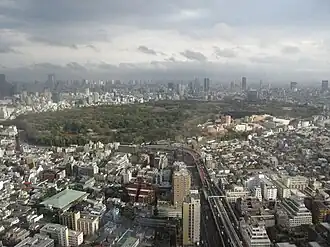
Harajuku (原宿) is a district of Tokyo's Shibuya ward and the spiritual home of Japanese youth fashion — for fashionable teenagers, spending a weekend here is practically a rite of passage. But it appeals across generations: older visitors come for the grandeur of Meiji Shrine and the green expanse of Yoyogi Park, making Harajuku a rare district that balances raucous street style with serene tradition.
Two contrasting streets define the area. The broad, tree-lined Omote-sandō (表参道) leads downhill from the southern end of JR Harajuku Station toward upscale Aoyama, lined with high-fashion stores and cafés and sometimes called the Champs-Élysées of Tokyo. A few blocks north, Takeshita-dōri is a narrow, frantic street aimed at teens and preteens, crammed with crêpe stands and trend-driven boutiques. Beside the station, Yoyogi Park — once an army parade ground and the site of the 1964 Olympics — is a popular hangout, especially on Sundays, when musicians, dancers and martial artists gather.
Harajuku shares Tokyo's humid subtropical climate: mild winters, hot and humid summers, a June–early July rainy season, and a September typhoon risk. Spring and autumn are most comfortable, and spring brings cherry blossom to Yoyogi Park. The district's youth-culture spectacle is overwhelmingly a Sunday phenomenon.
Planning Harajuku? Tell us your dates and we’ll tailor the trip.
Ask on WhatsAppHow do you get there?
By Plane
There is no direct airport link, but Harajuku is easily reached. From Narita Airport (NRT), take an airport train (Skyliner or Narita Express) into central Tokyo and connect to the JR Yamanote Line or the Chiyoda/Fukutoshin subway lines. From Haneda Airport (HND), take the Keikyu line or Tokyo Monorail toward central Tokyo and transfer to the Yamanote Line.
By Train
JR Harajuku Station on the Yamanote Line is the obvious arrival point, next to the entrance to Meiji Shrine and the start of Omote-sandō. Meiji-jingu-mae Station (Chiyoda and Fukutoshin subway lines) sits right beside it and is better than JR for reaching Harajuku from central Tokyo. Nearby Omotesandō Station (Ginza and Hanzomon lines) lies further down Omote-sandō toward Aoyama, with the Echika Omotesandō shopping complex in the station.
By Car / Road
Harajuku is reached via Tokyo's expressway network, but driving in is impractical given congestion and parking constraints. The rail network is overwhelmingly the better choice.
Harajuku is compact and made entirely for walking — Takeshita-dōri, Omote-sandō, Meiji Shrine and Yoyogi Park are all within a comfortable stroll, and Harajuku is only about 15 minutes on foot from Shibuya along the train tracks. The Yamanote and subway lines handle longer trips, with fares from about ¥150–180; IC cards (Suica, PASMO) are simplest. Yoyogi Park has a bike path with rentals available. There are no tuk-tuks and no significant tourist scams.
What are the things to do?
Shrines and parks
- Meiji Shrine (明治神宮, Meiji Jingū) — Tokyo's grandest Shinto shrine, built in 1920 to honour Emperor Meiji, entered via a winding forest path through a giant torii gate. An oasis of calm beside the bustle; on summer weekends you may catch a traditional wedding, and it is packed on New Year's Eve. Free.
- Yoyogi Park (代々木公園, Yoyogi Kōen) — A large city park, full of cherry blossom and picnickers in spring and a Sunday gathering place for musicians and performers.
- Tōgō Jinja (東郷神社) — 1-5-3 Jingumae, five minutes from Harajuku station. A shrine established for Admiral Tōgō Heihachirō after his 1905 naval victory at Tsushima.
Youth culture
On Sundays, groups stake out territory around Yoyogi Park — rockabilly dancers in vintage jeans near the park entrance, street performers along the tree-lined path toward Shibuya, and occasionally teenagers in Gothic Lolita and other extreme fashions on the bridge over the tracks (though police crackdowns on loitering have made these rarer). Come early to beat the tour-group crowds.
Walk Harajuku to Shibuya via Omote-sandō — A recommended two-hour route: from the Takeshita exit of JR Harajuku Station, walk down Takeshita-dōri, turn right onto Meiji-dōri, then left onto Omote-sandō past the high-fashion stores; at Aoyama-dōri you can either return or continue down to Shibuya's famous crossing.
Cycle in Yoyogi Park — The park has a dedicated bike path with rentals available.
People-watch on Sunday — The street fashion, performers and crowds are the district's signature free spectacle.
Visit a beauty salon — Harajuku and Omote-sandō hold many upscale salons, some used by actresses and models.
Planning Harajuku? Want these on a customised itinerary?
Ask on WhatsAppWhere to eat?
The must-eat item of Takeshita-dōri is the Harajuku crêpe — a fresh crêpe rolled into a cone and stuffed with whipped cream, fruit, chocolate or even whole slices of cheesecake; four or five shops compete along the street, most flavours around ¥500. Most sit-down restaurants in Harajuku serve Western or Indian food rather than Japanese.
- Budget — Tenya on Meiji-dōri is a fast-food tempura chain (around ¥500 a bowl); Kyushu Jangara (1-13-21 Jingumae) is a well-known tonkotsu ramen shop; Sakuratei off Takeshita-dōri is an okonomiyaki restaurant with an all-you-can-eat course around ¥1,300 for two hours.
- Mid-range — JS Burgers Cafe (6-6-2 Jingumae) is an upmarket burger chain with a set around ¥1,200; Eggs N' Things (Jingumae 4-chome) is a Hawaiian-style all-day breakfast joint famous for whipped-cream pancakes.
- Splurge — Omote-sandō's trendy cafés and restaurants run to higher price levels; the top floors of Omotesando Hills hold upscale dining worth a splurge for lunch.
Vegetarian and international options are relatively easy to find around Omote-sandō; check menus for specific dietary needs.
Where to drink?
Omote-sandō and its side streets are full of stylish cafés — coffee culture is strong here — and the area has fashionable cocktail bars and lounges, particularly toward Aoyama. The Tokyu Plaza Harajuku "Harakado" complex even includes a bathhouse underground. Crêpe stands and juice bars line Takeshita-dōri. Tap water across Tokyo is safe to drink.
Planning Harajuku? We’ll book the stays and dining for you.
Ask on WhatsAppWhere to stay?
- Budget — Hostels and guesthouses in and around Harajuku and nearby Yoyogi offer beds from roughly ¥3,000–6,000.
- Mid-range — Business and boutique hotels around the area, typically ¥12,000–25,000 per night.
- Upscale — Higher-end hotels cluster toward Omotesandō and Aoyama; expect rates from ¥40,000 upward.
What should you buy?
Harajuku's two shopping streets could not be more different. Takeshita-dōri (竹下通り) targets teens and preteens, packed with affordable, trend-driven boutiques, Gothic Lolita clothing and cute-character goods. Omote-sandō (表参道) is the tree-lined upscale counterpart, lined with international luxury brands clustered toward the Aoyama end. Notable stops include Laforet Harajuku (a youth-oriented mall), Omotesando Hills (a super-chic Tadao Ando–designed mall), Kiddy Land (a huge toy store), Harajuku-SoLaDo (a clothes-shop complex), and the Oriental Bazaar (5-9-8 Jingumae), a kitschy four-floor souvenir institution housed in a faux-Chinese-temple building — one of the easiest places in Tokyo to do souvenir shopping. YM Square is known for its big used-clothes shops. Prices are fixed; bargaining is not customary.
Where to go next?
- Shibuya — A 15-minute walk or one Yamanote stop south, the youthful shopping and crossing district.
- Shinjuku — A couple of Yamanote stops north, Tokyo's vast secondary centre.
- Aoyama — Just east along Omote-sandō, an elegant district of designer boutiques.
- Ebisu — A short ride south, a refined dining and nightlife area.
- Roppongi — A short ride east, known for museums and nightlife.
- Yoyogi — Adjacent to the park's north, a quieter residential neighbourhood.
Nearby in Tokyo
More places to explore around Harajuku.
Guide content as of May 2026. Portions adapted from Wikivoyage, CC BY-SA 4.0.

Contact Us
Get in touch with us.
Get in touch
Contact Us
Tell us where you'd like to go and how you like to travel. A real Tripcuro planner — not a bot — will craft an itinerary around you.
- Personalised, hassle-free planning end-to-end
- Transparent pricing, no hidden costs
- 24/7 support for complete peace of mind