
Naruto Whirlpools
Tokushima, Japan
Why visit Naruto Whirlpools?
The Naruto Whirlpools (鳴門の渦潮, Naruto no Uzushio) are one of Japan's most dramatic natural spectacles — a churning expanse of tidal whirlpools that forms in the Naruto Strait, the narrow channel between Shikoku and Awaji Island at the northeastern tip of Tokushima Prefecture. They are counted among the largest tidal whirlpools in the world, drawing visitors to watch the sea itself twist into great spinning vortices.
The whirlpools are created by the geography of the strait. The Naruto Strait connects the Seto Inland Sea with the open Pacific (the Kii Channel), and because the tides on the two sides rise and fall out of step, a large difference in water level builds up across the narrow, shallow channel. As the tide turns, enormous volumes of water rush through at high speed, and where the fast central current meets slower water at the edges, powerful whirlpools form. They are at their most impressive around the spring tides, when the difference between high and low water is greatest, and during the strongest part of each tidal cycle — timing a visit to the tidal schedule is essential.
The site lies within the city of Naruto and is part of the scenic landscape spanned by the great Onaruto Bridge. There is no settlement at the whirlpools themselves; visitors come for the spectacle, viewing it from the bridge walkway above or from boats below, then move on. Spring and autumn offer the most comfortable weather, but the whirlpools follow the tides, not the seasons.
Planning Naruto Whirlpools? Tell us your dates and we’ll tailor the trip.
Ask on WhatsAppHow do you get there?
By Plane
The nearest airport is Tokushima Airport, with domestic flights to Tokyo, Nagoya, Fukuoka and Sapporo; Kansai International Airport in Osaka is the larger international gateway. From either, continue toward Naruto by road or train.
By Car / Road
The whirlpools are reached via the Naruto strait area, beneath and beside the Onaruto Bridge, which carries the expressway between Shikoku and Awaji Island toward Kobe — making the site very accessible by road from the Kansai region. Parking is available at the strait-side facilities. Local buses connect Naruto Station with the area.
The whirlpool viewing facilities are reached on foot once you arrive at the strait. The two main vantage points — the bridge walkway and the boat piers — are a short distance apart and are linked by road; a car or local bus is needed to move between them and to reach the area from Naruto Station. Tipping is not customary in Japan.
What are the things to do?
- The whirlpools themselves — Best seen around peak tide, when the strongest currents send great vortices spinning across the strait; consult the daily tidal timetable before visiting.
- Uzu no Michi (渦の道) — A walkway built into the underside of the Onaruto Bridge, with glass floor panels that let visitors look straight down onto the whirlpools far below.
- Onaruto Bridge — The towering suspension bridge over the strait, an impressive sight in its own right and the structure that houses the walkway.
- Strait-side observation points and parks — Viewpoints on the Naruto shore that take in the bridge, the strait and the swirling water.
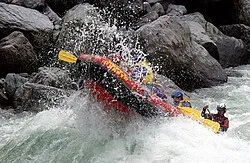
The two classic ways to experience the whirlpools are from above and from below. Walking the Uzu no Michi beneath the Onaruto Bridge gives a vertigo-inducing view straight down onto the vortices through the glass-floored sections. Sightseeing cruise boats take visitors out into the strait for a close, sometimes spray-flecked encounter with the whirlpools — some operators run both larger vessels and smaller boats for a more immersive ride. Either way, the experience depends entirely on timing the visit to the tidal schedule, when the whirlpools are at their largest and most active.
Planning Naruto Whirlpools? Want these on a customised itinerary?
Ask on WhatsAppWhere to eat?
The visitor facilities at the strait offer restaurants and cafés serving local fare — notably sea bream (tai) from the Naruto Strait, whose strong currents are said to produce especially firm fish, along with wakame seaweed dishes and Naruto kintoki sweet potato. Options at the site itself are limited; the city of Naruto has a fuller range of restaurants. Vegetarian and halal choices are limited; travellers with dietary needs should plan ahead.
Where to drink?
Cafés at the strait-side facilities serve coffee, tea and soft drinks. Tokushima sake and shochu, flavoured with the local sudachi citrus, are available in the wider Naruto area. Tap water is safe to drink throughout Japan.
Planning Naruto Whirlpools? We’ll book the stays and dining for you.
Ask on WhatsAppWhere to stay?
- Budget: Simple guesthouses and minshuku in the city of Naruto offer inexpensive rooms.
- Mid-range: Business hotels in Naruto provide a practical base.
- Upscale / heritage: Hot-spring resort hotels near the strait offer onsen baths and views over the whirlpool area.
What should you buy?
The strait-side visitor facilities include souvenir shops selling local Tokushima specialities — Naruto kintoki sweet-potato products, wakame seaweed, seafood items and whirlpool-themed souvenirs. For a wider selection, the city of Naruto is the nearest substantial shopping option. Prices are fixed; bargaining is not customary in Japan.
Where to go next?
- Naruto city (a short trip from the strait) — The city centre and Ryozenji, temple number 1 of the Shikoku Pilgrimage.
- Tokushima (about 1 hour) — The prefectural capital and transport hub of eastern Shikoku.
- Awaji Island (across the Onaruto Bridge) — The large island stepping-stone toward Kobe and Kansai.
- Kobe (about 1.5 hours via Awaji Island) — A major Kansai port city.
- Anan and the Anan coast — Wild coastal scenery in southern Tokushima Prefecture.
Nearby in Tokushima
More places to explore around Naruto Whirlpools.



Guide content as of May 2026. Portions adapted from Wikivoyage, CC BY-SA 4.0.

Contact Us
Get in touch with us.
Get in touch
Contact Us
Tell us where you'd like to go and how you like to travel. A real Tripcuro planner — not a bot — will craft an itinerary around you.
- Personalised, hassle-free planning end-to-end
- Transparent pricing, no hidden costs
- 24/7 support for complete peace of mind