
Shizuoka
Japan · Prefecture · 16 destinations with guides
Photography coming soonWhy visit?
Shizuoka Prefecture (静岡県) occupies a sweeping arc along the Pacific coast of Japan's Chūbu region, stretching roughly 160 km from the Izu Peninsula in the east to the Enshū coast near Hamamatsu in the west. It is one of Japan's most geographically varied prefectures: the southern boundary is the warm Pacific shoreline, while the northern edge rises to the summit of Mount Fuji (3,776 m), the country's highest peak and most iconic landmark. Between them lie rolling tea plantations, the dramatic Southern Alps, volcanic hot-spring valleys, and the fertile Tōkaidō corridor that has connected Tokyo and Kyoto for centuries.
Shizuoka's identity is shaped by its position along the historic Tōkaidō road and rail corridor. The prefecture is easily accessible — the Shinkansen stops at Shizuoka, Hamamatsu, and Mishima — yet it retains a distinct regional character. Green tea production, wasabi cultivation, and a major fishing industry (Yaizu and Shimizu are among Japan's busiest tuna ports) give the local economy and cuisine a flavour unlike any neighbouring prefecture.
The Izu Peninsula, with its hot-spring resorts, surfing beaches, and dramatic coastline, is a year-round weekend escape for Tokyoites. Fuji's northern foothills draw hikers and pilgrims in summer, while the southern slopes offer views that inspired Hokusai's Thirty-six Views of Mount Fuji. Western Shizuoka, around Hamamatsu and Kakegawa, is flatter and more industrial, but still boasts excellent lake, castle, and garden sites.
When is the best time to visit?
Spring (April–May) is ideal for cherry blossoms around Sunpu Castle and the tea fields of Makinohara Plateau. Autumn (October–November) brings clear skies and vivid foliage, especially in the Southern Alps and around Fuji's foothills — and is the best time for unobstructed Mount Fuji views. Summer (July–August) is hot and humid at sea level, but mountain trails and the Izu coast's breezes offer relief; Fuji's climbing season runs from early July to mid-September. Winter (December–February) is mild on the coast, with average highs around 12–14°C; the interior mountains receive snow, supporting small ski resorts.
Key festivals: Hamamatsu Kite Festival (May 3–5), Shizuoka's Abekawa Fireworks (late July), the Atami Marine Fireworks (multiple dates, year-round), and Fujinomiya's Fujisan Hongū Sengen Taisha Grand Festival (May 3–5).
Tell us your dates and we'll shape a Shizuoka route around them.
WhatsAppHow do you get around?
By Shinkansen: The Tōkaidō Shinkansen stops at Mishima, Shin-Fuji, Shizuoka, and Hamamatsu. One Hikari per hour stops at Shizuoka; Kodama trains serve all four. Tokyo–Shizuoka: 1 hr (¥6,350 by Hikari); Shizuoka–Hamamatsu: 30 min. The Puratto Kodama discount ticket (advance purchase) reduces fares significantly.
By local rail: JR Tōkaidō Main Line connects every coastal city. The JR Tōkaidō Line from Shizuoka to Atami takes ~1 hr; Shizuoka to Hamamatsu takes ~1 hr 30 min. Limited express Wide View Fujikawa runs several times daily between Shizuoka and Kōfu via the Chūō Line (2 hr 15 min, ¥4,620). The Izuhakone Railway and Izu Kyūkō Line serve the Izu Peninsula.
By bus: Highway buses run from Busta Shinjuku (Tokyo) to Shizuoka in 3 hrs (¥2,930) and from Nagoya/Osaka overnight. Local Shizutetsu buses cover the city area; Izu Tokai Bus covers the Izu Peninsula.
By car: The Tōmei Expressway (E1) and Shin-Tōmei Expressway (E1A) run east–west. National Routes 1 and 150 follow the coast. A car is strongly recommended for exploring the Izu interior, the Southern Alps, and rural tea-growing areas.
Where should you go?
- Shizuoka — Prefectural capital; Sunpu Castle ruins, Kunōzan Tōshō-gū (Tokugawa Ieyasu's burial site), Nihondaira viewpoint, and the Tōkaidō Hiroshige Museum.
- Hamamatsu — Industrial city famous for the Kite Festival, musical instruments, and Lake Hamana eel cuisine; major Shinkansen stop.
- Atami — Historic hot-spring resort on the Izu Peninsula's northeastern tip, with ocean views and art museums.
- Ito — Laid-back onsen town with coastal trails, hot-spring foot baths, and proximity to Ōshima Island ferries.
- Shimoda — Southern Izu town where Commodore Perry's "Black Ships" landed in 1854; beautiful beaches and the Gyokusen-ji temple.
- Izu — The peninsula as a whole: rugged Pacific coastline, surf beaches (Iritahama), hot-spring villages, and the Jogasaki Coast cliff walk.
- Numazu — Gateway to Fuji and the Izu Peninsula; excellent fish market and views of Suruga Bay.
- Fujinomiya — City at Fuji's southwestern base; home to Fujisan Hongū Sengen Taisha Shrine and the starting point for the most popular Fuji climbing route.
- Fuji — Industrial and residential city in eastern Shizuoka, with views of Mount Fuji and the Shiraito Falls.
- Mishima — Clean, compact city at the foot of Mount Hakone, with the striking Mishima Taisha shrine and a celebrated skywalk suspension bridge.
- Kakegawa — Castle town with one of Japan's best-reconstructed castles and the Kakegawa Kachoen bird park.
- Shuzenji — Hot-spring village in central Izu with a bamboo grove, historic temple, and literary associations.
- Fuji-Hakone-Izu National Park — Encompasses Mount Fuji, Hakone, and the Izu Islands; volcanic landscapes, hot springs, and outdoor activities.
- Minami Alps National Park — Japan's Southern Alps; dramatic peaks over 3,000 m, alpine flora, and multi-day hiking routes.
Want the scenic legs and stays booked for you? Just ask.
WhatsAppWhat should you eat?
Shizuoka is one of Japan's great food prefectures. Green tea (especially from the Makinohara and Kawane plantations) is the defining product; matcha, sencha, and tea-infused sweets are ubiquitous. Wasabi is cultivated in Izu and Utogi (Aoi-ku); fresh wasabi from Tamaruya and other shops is a prized souvenir. Unagi (eel) from Lake Hamana is considered among Japan's best; try it grilled kabayaki style in Hamamatsu (¥2,000–4,000). Tuna from Yaizu and Shimizu ports is outstanding — Yaizu's restaurants serve it as sashimi, maguro-don, and even as a maguro burger. Tororo-jiru (mountain yam soup) is a Shizuoka city specialty; Taigetsuro in the historic Mariko area has served it since the Taishō era. Shizuoka oden, a dark soy-simmered stew unique to the prefecture, uses beef sinew and rich tamari soy sauce — look for it at oden-ya in the Gofuku-chō district. For sweets, Wasabi no Ha Chocoritto (wasabi-leaf chocolate) and Mikan (mandarin) products from the coast are popular.
Vegetarian travellers will find temple shōjin-ryōri at some Izu and Fuji-area inns; otherwise, dashi (fish stock) is pervasive.
What is the culture like?
Hamamatsu Kite Festival (May 3–5) — Centuries-old event where rival neighbourhoods fly enormous decorated kites in the daytime sky, followed by lantern-lit dashi (float) processions through the streets at night. One of Japan's most spectacular festivals.
Fujisan Hongū Sengen Taisha Grand Festival (May 3–5) — A major Shinto rite at the base of Mount Fuji, featuring processions and prayers for safe climbing.
Atami Marine Fireworks — One of Japan's longest-running fireworks series, held multiple times throughout the year over Atami Bay. Summer and winter editions are particularly popular.
Abekawa Fireworks (late July, Shizuoka) — A massive display along the Abe River, drawing over 300,000 spectators.
Tea culture — Shizuoka produces roughly 40% of Japan's green tea. The Ocha no Hi (Tea Day, November 1) celebrations and tea-picking experiences (spring–early summer) on Makinohara Plateau are open to visitors.
Tōkaidō heritage — The old highway's 53 stations passed through Shizuoka; the Hiroshige Museum of Art and preserved post-towns (Mariko-juku, Kanaya-juku) keep this history alive.
Travelling during a festival? We'll plan around the crowds.
WhatsAppWhat are the standout experiences?
Climbing Mount Fuji — The Yoshida Trail from Fujinomiya (or the Subaru Line 5th Station) is the most popular route; open early July to mid-September. Huts line the ascent; many climbers start at night to reach the summit for sunrise (goraiko).
Izu Peninsula hot-spring circuit — Drive or take the train through Atami, Ito, Shuzenji, and Shimoda, stopping at ryokan with open-air rotenburo baths overlooking the Pacific. Fujiyoshi Onsen near Shizuoka offers a coastal communal outdoor bath.
Tōkaidō Shinkansen window seat — Sit on the right-hand side (Tokyo direction) between Mishima and Shizuoka for spectacular Mount Fuji views, especially in clear autumn and winter mornings.
Shizuoka tea and wasabi tours — Visit Makinohara Plateau tea fields for picking experiences, or the Utogi wasabi terraces (the highest-altitude wasabi farm in Japan) near Aoi-ku.
Jogasaki Coast cliff walk — Dramatic volcanic sea cliffs on Izu's east coast, with a 48-metre suspension bridge over the turquoise waters below; the trail runs 9 km from Izu-Kōgen to Futo.
Top Destinations
Every destination in Shizuoka with a guide — tap a place for the full guide.
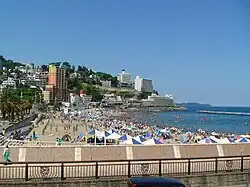
Atami
Atami (熱海) is a coastal hot-spring resort city in Shizuoka…
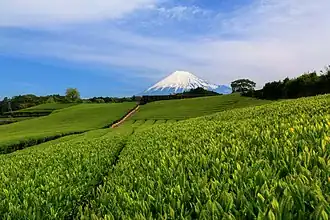
Fuji
Fuji (富士市) is a mid-sized industrial city in eastern Shizuoka…
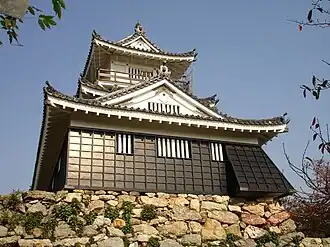
Hamamatsu
Hamamatsu (浜松市) is the largest city in Shizuoka Prefecture, a…
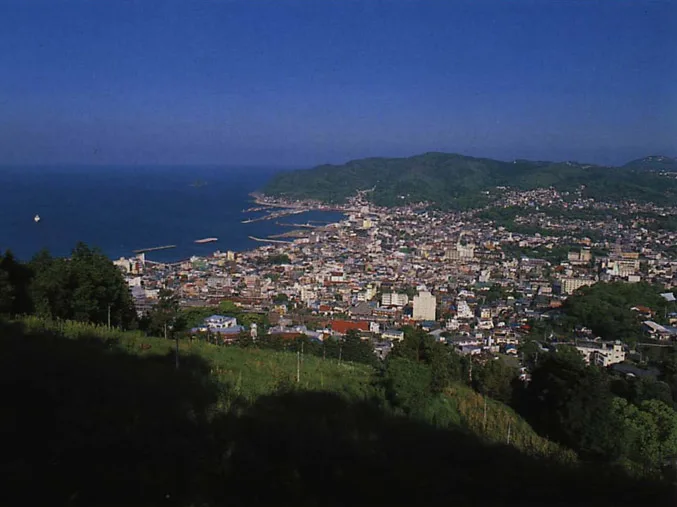
Ito
Ito (伊東) is a hot-spring resort city on the eastern shore of the Izu…
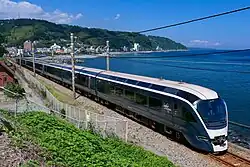
Izu Peninsula
The Izu Peninsula (伊豆半島, Izu-hantō) is a mountainous, scenic region…
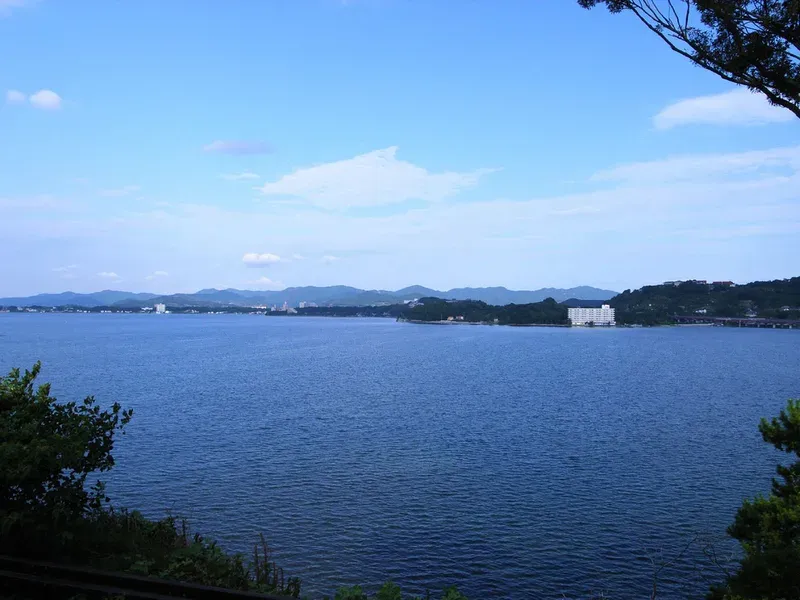
Lake Hamana
Lake Hamana (浜名湖, Hamana-ko) is a large brackish lake in western…
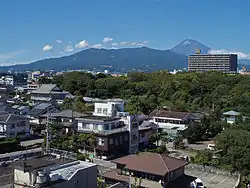
Mishima
Mishima (三島) is a city in eastern Shizuoka Prefecture, sitting at the…
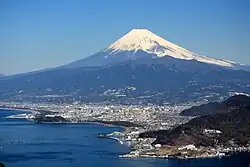
Numazu
Numazu (沼津) is a port city in eastern Shizuoka Prefecture, set on…
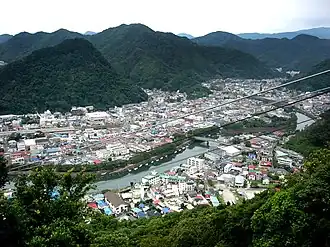
Shimoda
Shimoda (下田) is a small city at the southern tip of the Izu Peninsula…
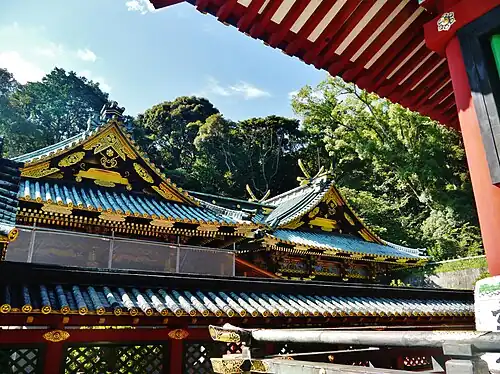
Shizuoka
Shizuoka (静岡) is the capital of Shizuoka Prefecture, in Japan's Chubu…
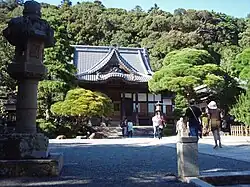
Shuzenji
Shuzenji (修善寺) is a major hot-spring town in the interior of the Izu…
Fuji-Hakone-Izu National Park
Fuji-Hakone-Izu National Park (富士箱根伊豆国立公園), see Yamanashi listing for…
Fujinomiya
Fujinomiya (富士宮) is a city in eastern Shizuoka Prefecture at the…
Izu
Izu (伊豆) is a city on the eastern coast of the Izu Peninsula in…
Kakegawa
Kakegawa (掛川) is a city in western Shizuoka Prefecture, renowned as a…
Minami Alps National Park
Minami Alps National Park (南アルプス国立公園), see Nagano listing for full…
Pair the highlights of Shizuoka into one easy trip — we'll plan the route.
WhatsApp
Contact Us
Get in touch with us.
Get in touch
Contact Us
Tell us where you'd like to go and how you like to travel. A real Tripcuro planner — not a bot — will craft an itinerary around you.
- Personalised, hassle-free planning end-to-end
- Transparent pricing, no hidden costs
- 24/7 support for complete peace of mind