
Takahashi
Okayama, Japan
Why visit Takahashi?
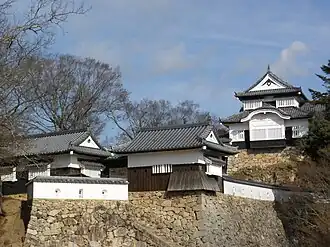
Takahashi (高梁市) is a city in Okayama Prefecture, set in the mountains of the western Chugoku region of Honshu. Its centrepiece is Bitchu Matsuyama Castle, one of only a dozen original Japanese castles to survive into the modern era, and the only original mountain castle in the country — perched atop Mount Gagyu, the highest castle in Japan. Far below, the old town spreads along the river valley, with samurai residences, a Zen temple garden, the oldest church in Okayama and a quiet, time-worn atmosphere that comes from being one of the country's less-visited castle towns.
Takahashi's reach also includes the remote Fukiya area, far from the castle and station. Fukiya was once a bustling copper-mining town — the leading producer in western Honshu through the Edo and Meiji periods — and is famous for the distinctive burnt-orange colour of its buildings. The colour comes from bengara, an iron-oxide-and-vermilion pigment whose name is a corruption of "Bengal", where it was originally produced. After the mines closed the area fell quiet, but its Edo-period streetscape, mine shafts and pigment works remain.
The mountain setting brings cooler temperatures than the Inland Sea coast. Spring (cherry blossom) and autumn are most pleasant; winter can be cold. Late autumn and early winter mornings are prized for the "sea of clouds" that wreathes the castle. The town centre around Bitchu-Takahashi Station is compact and walkable; Fukiya is a separate, more demanding excursion.
Planning Takahashi? Tell us your dates and we’ll tailor the trip.
Ask on WhatsAppHow do you get there?
By Train
Takahashi is on the JR Hakubi Line. Get off at Bitchu-Takahashi Station (備中高梁駅). Fares run roughly ¥840 from Okayama (about 36 minutes by express, 55 by regular train), ¥580 from Kurashiki, ¥410 from Soja and ¥580 from Niimi to the north. The faster, pricier Yakumo Limited Express also stops here, useful when travelling from Okayama or Matsue.
By Car / Road
Route 180 runs straight through Takahashi: travel north on it from Okayama and Soja. From Yonago, join Route 180 at the Yonago West Interchange and head south via Niimi; from Hokuei and Kurayoshi, take Route 313 south, or come north from Ibara. From the west, use Route 484. For the Fukiya area, Route 85 leads to the Bengara Village. Buses also serve the town and Fukiya (see Get Around).
The area around Bitchu-Takahashi Station is easy to navigate on foot — energetic visitors can even walk up to Bitchu Matsuyama Castle (about 1½ hours), though many take a taxi most of the way up and walk down. Taxis wait outside the station; a ride part-way up the castle mountain costs around ¥1,300, and sharing the fare makes it affordable. Local buses serve sites around the station but none go to the castle — the nearest stop is at the foot of the mountain. For the Fukiya area, take the Bihoku Bus from outside the station (about 1 hour); only 3–4 buses run daily, and their timing makes it hard to visit both central Takahashi and Fukiya the same day (first departure from Takahashi around 10:50, last return around 15:45). A taxi to Fukiya is quick but the 40-minute drive is costly. Ride-hailing coverage is minimal.
What are the things to do?
Central Takahashi
- Bitchu Matsuyama Castle (備中松山城) — a rare original 17th-century castle and the only original mountain castle in Japan, atop Mount Gagyu. The walk up passes well-preserved, dramatically impressive castle walls; the interior holds few artefacts, but the structure and setting more than compensate. Famed as a "Castle in the Sky" when seen wreathed in cloud. ¥300.
- Raikyu-ji (頼久寺, Raikyuji-cho) — a Rinzai Zen temple dating to 1504, with a beautiful garden designed by Kobori Enshu, a founding figure of the Japanese tea ceremony. About 15 minutes from the station. 09:00–17:00; ¥300 adults, ¥200 children.
- Orii House and Haibara House — former samurai residences; visitors can walk through the buildings, and Orii House has a small museum of samurai armour. ¥400 (a single ticket covers both).
- Takahashi Church (26 Kakinochi-machi) — built in 1889 by a Western architect, the oldest church in Okayama, still holding Sunday services. 08:30–17:30; free.
- Takahashi Museum of History (1203-1 Haradakita-cho) — covers the city's long history from the ancient Kibi Kingdom through the feudal era. W–M 09:00–17:00; ¥300.
Fukiya area
Fukiya Bengara Village — an Edo-period village famous for its burnt-orange bengara-tinted buildings, some of them shops to visit.
Fukiya Elementary School (1290-1 Fukiya, Nariwa-cho) — built in 1909, long the oldest wooden school still in use in Japan until it closed in 2012, now a preserved landmark (viewed from outside).
Sasaune Historic Mine Shaft — one of the old copper mines, open to walk through. ¥300.
Bengara Factory Museum (Bengara-kan) — buildings explaining how the bengara pigment and dyes were made. Apr–Nov 09:00–17:00, Dec–Mar 10:00–16:00; ¥200.
Hirokane Residence and Nishie Residence — grand merchant houses built on copper-and-bengara fortunes. ¥300 and ¥500 respectively.
Photograph the "Castle in the Sky": from the Castle Viewpoint about 8.5 km from Bitchu-Takahashi Station, early mornings from November to March offer the best chance of seeing the castle floating above a sea of clouds (unkai). An early-morning peak-season bus serves the viewpoint — reserve with the Tourist Information Center at least a day ahead, and plan to spend the night in Takahashi.
Try bengara dyeing at the Nishie Residence in Fukiya (1604 Sakamoto, Nariwa-cho); dye a small scarf for ¥1,500 or a long stole for ¥3,000. Reserve at least two days in advance.
Time a visit to a local festival: the Nariwa Atago Firework Festival (last Saturday in July), the Matsuyama Odori dance festival (14–16 August), or the Fukiya Bengara Lantern Festival (third weekend in September, 17:00–20:00).
Hike or explore Hayama Gorge, a scenic ravine popular with rock climbers.
Planning Takahashi? Want these on a customised itinerary?
Ask on WhatsAppWhere to eat?
Takahashi's eateries are mostly casual, family-run places around the station and old town, with the local pork cutlet a recurring theme.
- Cafe Rest Chateau (13-11 Raikyujicho) — set lunches and dinners around ¥800, plus pasta, omurice and curry, and famous for elaborate parfaits, including "bucket parfaits" and a giant tub parfait by advance reservation. Daily 08:00–20:30.
- Kawakamiya (1308-9 Asahimachi) — a convenient katsu-don (pork cutlet) restaurant.
- Kappo Uno (1967-1 Masamune-cho) — serves yuzu miso katsudon, a pork cutlet with yuzu-miso sauce over rice; from 17:00.
Where to drink?
Try local Okayama-area sake and the prefecture's fruit juices. Cafés such as Cafe Rest Chateau serve coffee and parfaits; evening drinks are found at small izakaya near the station. Tap water throughout Japan is safe to drink.
Planning Takahashi? We’ll book the stays and dining for you.
Ask on WhatsAppWhere to stay?
- Budget: guesthouses and small inns near Bitchu-Takahashi Station; staying overnight is worthwhile for the early-morning "sea of clouds" view.
- Mid-range: business hotels in central Takahashi, typically several thousand yen per night for a single room.
What should you buy?
The most popular souvenir is bengara cloth — scarves, bags, shirts and other items dyed in Fukiya's centuries-old rusty-red pigment. Asada Hyakka-ten in Fukiya sells bengara products, paper and powder; the Koyagawa Tourism Center (44-1 Honmachi, daily 09:00–17:00) is a good place for Takahashi's local products and handicrafts in town. Prices are fixed; bargaining is not customary.
Where to go next?
- Bitchu-Matsuyama Castle — the city's own headline sight, atop Mount Gagyu above the town.
- Soja — about 10 minutes by train south on the Hakubi Line; Kibitsu shrine country and the Kibi Plain.
- Kurashiki — roughly 30–40 minutes by train; the canal-side Bikan merchant quarter.
- Okayama — about 35–55 minutes by train; Korakuen garden and Okayama Castle.
- Niimi — north on the Hakubi Line; limestone caves and the Bichu highlands.
- Ibara — south of Takahashi; gateway via the Ibara Railway.
Nearby in Okayama
More places to explore around Takahashi.


Guide content as of May 2026. Portions adapted from Wikivoyage, CC BY-SA 4.0.

Contact Us
Get in touch with us.
Get in touch
Contact Us
Tell us where you'd like to go and how you like to travel. A real Tripcuro planner — not a bot — will craft an itinerary around you.
- Personalised, hassle-free planning end-to-end
- Transparent pricing, no hidden costs
- 24/7 support for complete peace of mind