
Iwate
Japan · Prefecture · 20 destinations with guides
Photography coming soonOverview
Iwate Prefecture sprawls across the northeast of Honshu, the second-largest prefecture in Japan and one of its emptiest — only Hokkaido has a lower population density. The Ōu and Kitakami mountain ranges run north-south like parallel spines, hemming in a fertile central valley where most towns and rice fields cluster. East of the Kitakami range, the land plunges to a rocky Pacific coastline of sheer cliffs and fishing harbours; westward, forests, hot springs and ski slopes climb toward the Akita border.
The prefecture's character is rural, weather-shaped, and quietly proud. In the 11th and 12th centuries the Northern Fujiwara clan ruled an independent realm from Hiraizumi, briefly rivalling Kyoto for cultural splendour before being crushed by the Minamoto in 1189. That golden-age memory still lingers in temple gold leaf and in the writings of poet Matsuo Bashō, who passed through 400 years later. Modern Iwate produced the beloved children's author Kenji Miyazawa, whose Hanamaki birthplace anchors much of the prefecture's literary tourism.
For travellers, Iwate rewards those willing to slow down. The 2011 Tōhoku earthquake and tsunami killed or left missing more than 3,000 people along this coast; rebuilt seawalls, memorial parks and the reopened Sanriku Railway are now part of the visitor experience, alongside limestone caves, gorges, onsen towns and three of Japan's most distinctive noodle dishes.
When to Visit
Late April to early May brings cherry blossoms to Morioka's Iwate Park and Kitakami Tenshochi, where roughly 10,000 trees line the river. June is hydrangea and early-summer green; August hosts the prefecture's biggest festivals (see below) and is the easiest time to ride coastal ferries. Late September through early November is arguably the best window — Geibikei Gorge, Hachimantai's plateaus and Genbikei turn red and gold, days are crisp, and crowds are thinner than in Kyoto or Tokyo.
Winter (December–March) is long, snowy and serious. Appi Kogen and Shizukuishi run reliable ski seasons from mid-December into early April, and onsen like Tsunagi and Hanamaki Namari are at their atmospheric best buried in snow. Mountain roads close, however, and coastal services thin out. Spring shoulders can still see snow into April at altitude. The Pacific coast is a few degrees cooler than inland Morioka year-round, and the yamase — a cold easterly summer wind — can drop coastal temperatures unexpectedly even in July.
Tell us your dates and we'll shape a Iwate route around them.
WhatsAppGetting Around
The Tōhoku Shinkansen is the spine: from Tokyo it reaches Ichinoseki in about 2 hr 10 min and Morioka in 2 hr 10–2 hr 40 min depending on service, continuing north to Shin-Aomori. The Akita Shinkansen branches west from Morioka, useful for Tazawako and Kakunodate side trips. Both are covered by the JR East and full Japan Rail Pass.
Local rail is sparse. The former JR trunk line north of Morioka is now the Iwate Galaxy Railway (IGR), a private line not covered by JR passes — budget around ¥1,000–¥2,000 for typical hops. The Sanriku Railway runs the Pacific coast between Sakari (Ofunato) and Kuji via Kamaishi and Miyako; the full ride is one of Japan's great scenic rail experiences. JR's Kamaishi, Yamada and Ōfunato lines connect inland hubs to the coast but services are infrequent — often only a handful of trains per day.
Buses fill the gaps and are sometimes faster than trains: Morioka–Miyako takes about 2 hr 15 min by highway bus (around ¥2,000), Morioka–Hiraizumi about 1 hr 30 min. Driving is genuinely the best option for Tono, the Sanriku coast or Hachimantai; rentals from Morioka or Hanamaki Airport start around ¥6,000–¥8,000/day. Taxis exist in every town but rural distances make them expensive — expect ¥3,000+ for short cross-town trips outside Morioka.
Iwate Hanamaki Airport (HNA), 1 hour south of Morioka, has domestic flights to Osaka, Nagoya, Sapporo, Fukuoka and Kobe (but not Tokyo) and limited international services to Shanghai and Taipei. Most travellers fly into Tokyo and continue by Shinkansen.
Top Destinations
- Morioka — prefectural capital and noodle headquarters; castle ruins, the Kitakami river, and a walkable old quarter of kura warehouses.
- Hiraizumi — UNESCO-listed temples Chūson-ji and Mōtsū-ji, remnants of the 12th-century "Kyoto of the North".
- Hanamaki — onsen heartland and birthplace of Kenji Miyazawa; the literary core of the prefecture.
- Hachimantai — high-altitude skiing, sulphurous hot springs and alpine hiking on the Akita border.
- Tono — small valley town steeped in folk tales of kappa, zashiki-warashi and rural spirits.
- Iwaizumi — gateway to Ryūsendō, one of Japan's three great limestone caves.
- Ichinoseki — base for Geibikei and Genbikei gorges.
- Miyako — northern Sanriku coast hub; Jōdogahama Beach is the prefecture's most photographed seascape.
- Kamaishi — rebuilt steel town with rugby heritage and tsunami memorial sites.
- Tanohata — dramatic Kitayamazaki sea cliffs, seaweed culture, and one of the quieter Sanriku villages.
- Otsuchi, Ninohe — smaller communities for travellers wanting an unfiltered look at modern rural Tōhoku.
Want the scenic legs and stays booked for you? Just ask.
WhatsAppCuisine
Iwate's headline trio is the Morioka sandaimen — three noodle dishes you'll find within a few blocks of Morioka Station:
- Morioka reimen (盛岡冷麺) — chewy cold noodles in a beef-and-kimchi broth, brought to Morioka by a Korean immigrant in the 1950s. Topped with half a boiled egg, kimchi and a slice of apple or watermelon. Try Pyonpyon-sha near Morioka Station; bowls run around ¥1,200–¥1,500.
- Morioka jajamen (盛岡じゃじゃ麺) — flat udon-like noodles with miso-meat paste and cucumber. Halfway through, ask for chītantan (チータンタン): the staff crack a raw egg into the bowl and add hot noodle water to make a soup. Pairon in central Morioka is the original.
- Wanko soba (わんこそば) — all-you-can-eat soba in tiny portions; servers refill until you slam the lid down. Fifty to sixty bowls is normal; over 100 earns a certificate. Azumaya and Chokurian in Morioka are the institutions, around ¥3,500–¥4,000 per person.
Beyond noodles: Maesawa beef from southern Iwate is one of Japan's premier wagyu brands; Sanriku seafood means uni, abalone, scallops and hoya sea pineapple from the cold Oyashio current; wakame and konbu from Tanohata and Ōfunato are nationally prized. Hanamaki and Morioka brew strong sake (look for Asabiraki and Nanbu Bijin), and Bashō Beer out of Ichinoseki is a respected craft producer.
Vegetarians and vegans should plan ahead — most regional specialties are meat- or dashi-based. Morioka has a few dedicated plant-based cafés; rural towns generally do not.
Culture & Festivals
- Morioka Sansa Odori (1–4 August) — claims the world's largest taiko drum parade, with thousands of dancers and drummers filling Chūōdōri.
- Chagu Chagu Umakko (second Saturday of June) — about 100 horses in elaborate harnesses walk 13 km from Takizawa to Morioka's Hachimangū shrine; the bells give the festival its name.
- Hiraizumi Fujiwara Spring & Autumn Festivals (1–5 May, 1–3 November) — costumed processions through Chūson-ji recreating the 12th-century court.
- Morioka Hachimangū Festival (14–16 September) — ornate floats and yabusame horseback archery.
- Tono Matsuri (mid-September) — folkloric performances of shishi-odori (deer dance) and yabusame in the town that gave Japan its definitive folktale collection.
Iwate's craft traditions are unusually intact. Nanbu tekki ironware — heavy cast-iron kettles, teapots and trivets from Morioka and Mizusawa — has been made for 400 years and is the prefecture's signature export; workshops in Morioka offer demonstrations and seconds at fair prices. Iwayado tansu chests from Ōshū, Hidehira-nuri lacquerware from Hiraizumi, and the shishi-odori deer dances of the Kitakami valley round out the cultural map. Kenji Miyazawa's literary legacy — the surreal cosmology of Night on the Galactic Railroad, the gentle moralism of The Restaurant of Many Orders — is everywhere, especially in Hanamaki.
Travelling during a festival? We'll plan around the crowds.
WhatsAppNotable Experiences
- Ride the Sanriku Railway end-to-end. The 163 km coastal line between Sakari and Kuji passes tunnels, fishing villages and tsunami-rebuilt seawalls; do it in roughly 4½ hours one-way, or break it at Miyako for Jōdogahama Beach. The "Kotatsu train" runs heated low tables in winter weekends.
- Boat through Geibikei Gorge. A flat-bottomed punt drifts you between 100-metre cliffs while the boatman sings the Geibi Oiwake folk song from memory. Ninety minutes round-trip from Geibikei Station near Ichinoseki, around ¥1,800.
- Walk Chūson-ji's Konjikidō. The Golden Hall, entirely sheathed in gold leaf and mother-of-pearl, is the surviving heart of the Northern Fujiwara capital and one of the oldest intact buildings of the Heian period.
- Descend into Ryūsendō Cave. One of Japan's three great limestone caves, with cobalt-blue underground lakes lit from below — the third lake plunges 98 metres. About 700 m of the cave is open to visitors; entry around ¥1,100.
- Soak in a remote onsen. Matsukawa Onsen in Hachimantai sits among sulphur-yellow rocks and steaming creeks; Namari Onsen Fujisan-Ryokan in Hanamaki has a 125-cm-deep standing bath fed by century-old wooden pipes — Kenji Miyazawa wrote here.
- Search for kappa in Tono. Rent a bike from Tono Station and ride the Kappa-buchi pool behind Jōkenji temple, the Denshōen folk-village complex, and the rural shrines that inspired Yanagita Kunio's Tōno Monogatari, the foundational text of Japanese folklore studies.
Top Destinations
Every destination in Iwate with a guide — tap a place for the full guide.

Hachimantai
Hachimantai (八幡平市) is a city in northwestern Iwate Prefecture, but th…
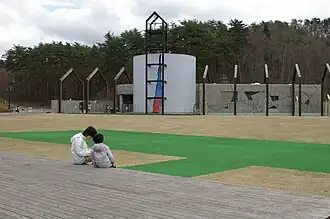
Hanamaki
Hanamaki (花巻) is a city in Iwate Prefecture, in the Tōhoku region of…
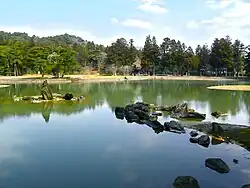
Hiraizumi
Hiraizumi (平泉) is a small town of around 7,400 people in southern Iwa…
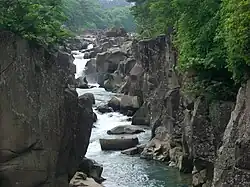
Ichinoseki
Ichinoseki (一関) is a city in the far southern part of Iwate Prefectur…
Kitakami
Kitakami (北上) is a city in southern Iwate Prefecture, set where the W…
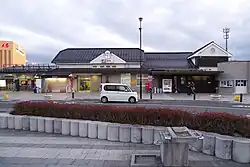
Miyako
Miyako (宮古市) is a port city on the Pacific coast of Iwate Prefecture,…
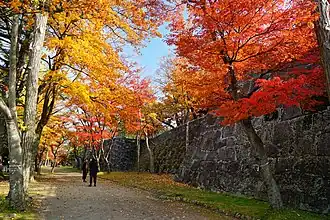
Morioka
Morioka (盛岡) is the capital of Iwate Prefecture and the largest city…
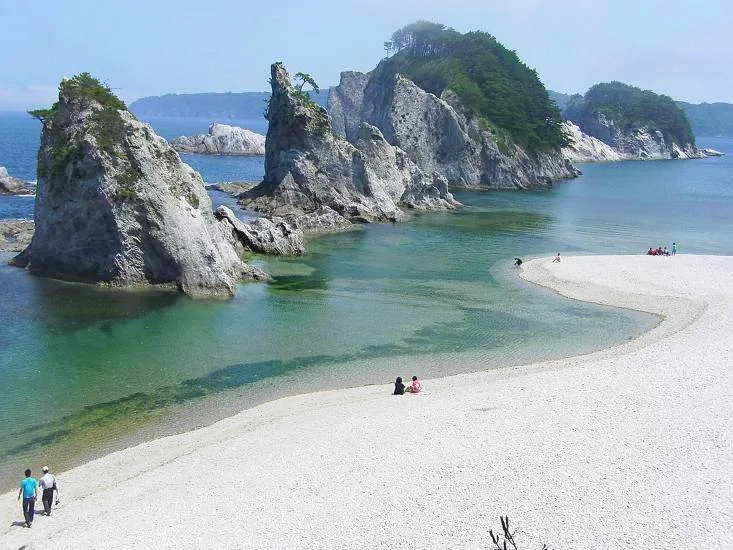
Sanriku Coast
The Sanriku Coast (三陸海岸, Sanriku-kaigan) is the long, dramatic Pacifi…
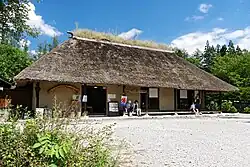
Tono
Tōno (遠野) is a small city set in a fertile mountain basin in central…
Geibikei Gorge
Geibikei Gorge (猊鼻渓, Geibikei) is one of the scenic highlights of sou…
Iwaizumi
Iwaizumi (岩泉) is a town in eastern Iwate Prefecture that holds the di…
Kamaishi
Kamaishi (釜石) is a coastal city in eastern Iwate Prefecture on the Sa…
Kuji
Kuji (久慈) is a coastal city in northern Iwate Prefecture on the Pacif…
Ninohe
Ninohe (二戸) is a city in northern Iwate Prefecture, located near the…
Ofunato
Ofunato (大船渡) is a coastal city on the Sanriku Coast of southeastern…
Oshu
Oshu (奥州) is a city in western Iwate Prefecture, formed in 2006 throu…
Otsuchi
Otsuchi (大槌, officially Ōtsuchi) is a coastal town in central Iwate P…
Shizukuishi
Shizukuishi (雫石) is a town in central Iwate Prefecture, located at th…
Tanohata
Tanohata (田野畑村) is a small coastal village on the Sanriku Coast in no…
Towada-Hachimantai National Park
Towada-Hachimantai National Park (十和田八幡平国立公園) is one of Japan's most…
Pair the highlights of Iwate into one easy trip — we'll plan the route.
WhatsApp
Contact Us
Get in touch with us.
Get in touch
Contact Us
Tell us where you'd like to go and how you like to travel. A real Tripcuro planner — not a bot — will craft an itinerary around you.
- Personalised, hassle-free planning end-to-end
- Transparent pricing, no hidden costs
- 24/7 support for complete peace of mind