
Hiroshima
Japan · Prefecture · 15 destinations with guides
Photography coming soonOverview
Hiroshima Prefecture stretches across the western edge of Honshu, where the calm Seto Inland Sea meets the steep, forested ridges of the Chugoku Mountains. The coastline is a ribbon of port cities, oyster rafts, and pine-clad islands; inland, the prefecture climbs to plateaus and gorges that hold winter snow long after the coast has thawed. Hiroshima City — the prefectural capital, built on the delta of the Ota River — is the main entry point, a walkable, tram-served city of 1.1 million whose post-war reconstruction made it a global symbol of peace.
What sets Hiroshima apart as a destination is the unusually rich layering of histories and landscapes within a small footprint. Within an hour of the capital you can stand under the great vermilion torii of Itsukushima Shrine on Miyajima, walk the temple lanes of hillside Onomichi, tour the shipbuilding port of Kure, or sample sake in the brewery district of Saijo. The prefecture is also the heart of Japan's oyster industry and the home of Mazda, giving its food and industrial culture a distinctive character that locals are quietly proud of.
For travellers, Hiroshima rewards a slower pace. It is compact enough to be done in a long weekend, but its twin UNESCO World Heritage sites — the Atomic Bomb Dome and Itsukushima Shrine — and its growing reputation for cycling, island-hopping, and food-led travel make it a region worth a full week.
When to Visit
October and November are the prefecture's golden months: dry, cool days in the high teens (°C), clear views across the Inland Sea, and momiji (autumn leaves) along the temple slopes of Onomichi and on Miyajima's Mt. Misen. Late March to early May is the other prime window, with plum blossom in March, cherry blossom around Hiroshima Castle and along the Motoyasu River in early April, and the major Flower Festival over Golden Week (3–5 May).
Avoid July and early August if you can — Hiroshima's coastal humidity is punishing, with daily highs above 31°C and frequent heavy rain (the prefecture sits in the path of the East Asian rainy front). Late September brings typhoons strong enough to disrupt ferries to Miyajima; one in 2004 nearly destroyed Itsukushima Shrine. Winter is underrated: rainfall is low, the coast rarely freezes, oysters are at their peak (December–February), and the inland ski areas around Geihoku open from late December.
Two festival dates anchor the calendar regardless of season: the Peace Memorial Ceremony on 6 August, and the Saijo Sake Matsuri on the second weekend of October, when nearly all the prefecture's breweries open at once.
Tell us your dates and we'll shape a Hiroshima route around them.
WhatsAppGetting Around
The Sanyo Shinkansen is the spine of the prefecture, running east–west along the coast and stopping at Fukuyama, Mihara, Higashi-Hiroshima, Hiroshima, and Shin-Iwakuni (just across the border). Hiroshima to Fukuyama is roughly 25 minutes by Nozomi (~¥3,800) or about an hour by JR Sanyo Line local. Hiroshima to Onomichi is best done on the Kodama Shinkansen to Shin-Onomichi (~30 min) or local line to Onomichi station (~1 hr 30 min, ~¥1,520).
For Miyajima, take the JR Sanyo Line or Hiroden tram from central Hiroshima to Miyajimaguchi (about 30 min by JR), then the JR or Matsudai ferry across (10 min, ~¥200 one way; note the additional Miyajima Visitor Tax of ¥100). Within Hiroshima City, the Hiroden tram network is the most useful option — flat ¥240 per ride in the city, ¥280 to Miyajimaguchi.
Inland destinations like Sandankyo Gorge and the kagura towns of Akitakata are reached by infrequent JR Geibi Line trains and Chugoku JR buses; renting a car in Hiroshima or Hiroshima Airport (around ¥7,000–9,000 per day) is far easier for the mountains. Taxis start at ¥620 in the city; a Hiroshima–Kure taxi will run roughly ¥6,000–7,000 but the JR Kure Line via Kaitaichi (~40 min, ¥510) is the obvious choice.
Top Destinations
- Hiroshima City — the prefectural capital, home to the Peace Memorial Park, Hiroshima Castle, and the country's most famous okonomiyaki scene.
- Miyajima (Itsukushima) — the iconic floating torii, Mt. Misen hiking, and free-roaming sika deer; Japan's classic island day trip.
- Onomichi — a hillside port of temples, cats, and literary cafes, and the eastern trailhead of the Shimanami Kaido cycling route.
- Kure — the historic naval shipyard, with the Yamato Museum and the still-active Maritime Self-Defense Force base.
- Fukuyama & Tomonoura — castle town plus the time-capsule fishing port that inspired Studio Ghibli's Ponyo.
- Saijo (Higashi-Hiroshima) — a walkable district of seven sake breweries clustered around the Sanyo Line station.
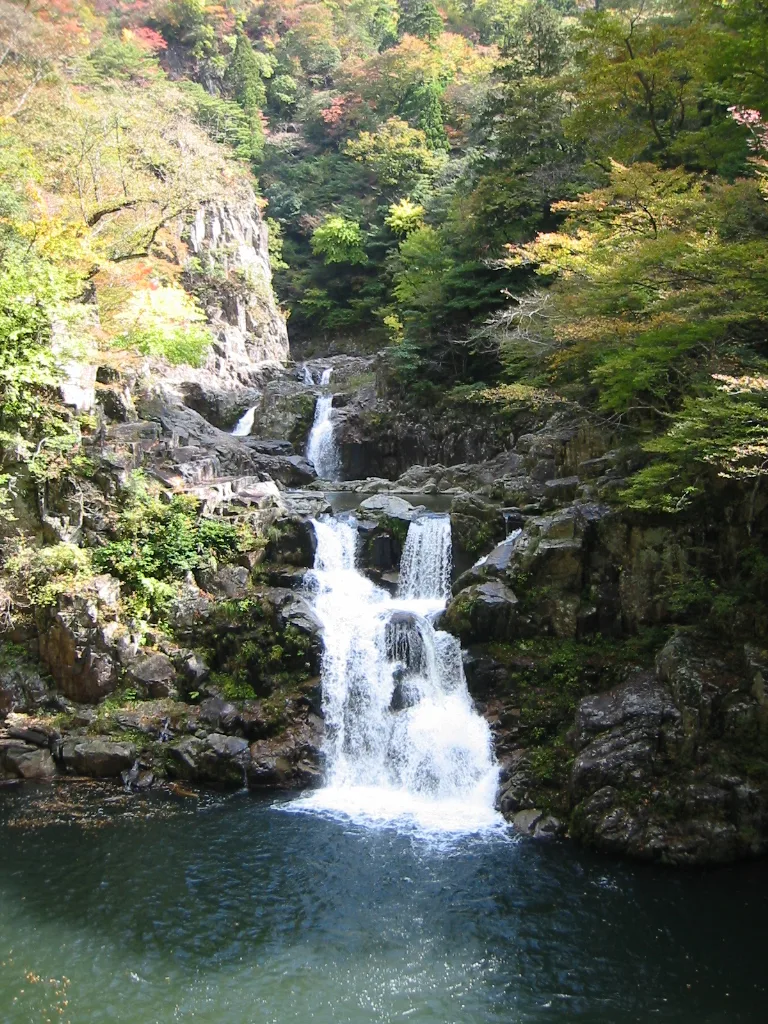
- Sandankyo Gorge — a 16 km river canyon in the northwest mountains, spectacular in late October.
- Setouchi Islands (Osaki Shimojima, Osaki Kamijima, Ikuchijima) — slow-paced Inland Sea islands of citrus groves, retro port towns, and the Hirayama Ikuo art museum.
Want the scenic legs and stays booked for you? Just ask.
WhatsAppCuisine
Hiroshima's signature dish is okonomiyaki, but emphatically not the Osaka version: here the batter is spread thin like a crepe, then layered with cabbage, bean sprouts, pork belly, a nest of yakisoba or udon noodles, and a fried egg, all slathered in Otafuku sauce. Okonomi-mura, a four-storey building of stalls in Naka-ku, is the tourist-friendly introduction; locals tend to swear by neighbourhood favourites like Hassei or Reichan. Expect to pay ¥900–1,400 for a standard "soba-niku-tama".
The prefecture produces around 60% of Japan's farmed oysters, and from November to March they appear everywhere — grilled in the shell, fried as kaki-fry, simmered in miso "doteyaki" hotpots, or eaten raw at counter shops along Hondori. On Miyajima, the speciality is anago-meshi (conger eel over rice) — Ueno is the famous original near Miyajimaguchi station — and momiji manju, maple-leaf-shaped cakes filled with red bean, custard, or chocolate.
Other regional staples worth seeking out: Onomichi ramen (soy-based broth with small pork-back fat cubes), tsukemen Hiroshima-style (cold noodles with a fiery dipping sauce — Bakudanya is the chain to know), Setouchi lemons in everything from soft drinks to cake, and Saijo nihonshu sake. Vegetarians can manage but should expect bonito-based dashi as a default; ask for "katsuo nashi" or seek out shojin-ryori temple cuisine on Miyajima.
Culture & Festivals
The cultural calendar is anchored by the Hiroshima Flower Festival (3–5 May), a Golden Week parade and concert series along Heiwa-Odori with crowds approaching a million. Toukasan Yukata Matsuri (first weekend of June) is the unofficial start of yukata-wearing season, when central Chuo-dori fills with stalls and shrine visitors. The solemn Peace Memorial Ceremony on 6 August draws international press; in the evening, paper lanterns are floated down the Motoyasu River.
On Miyajima, the Kangensai boat-music festival in mid-summer sees Heian-era court music performed on lantern-lit barges around the floating torii, and the Miyajima Fireworks Festival (October, recently moved from August) launches some 5,000 shells from a barge directly in front of the shrine. Saijo Sake Matsuri (second weekend of October) opens nearly every brewery in the Saijo district for tastings.
Inland, the prefecture is the historic stronghold of Geihoku kagura, masked Shinto dance-drama with eye-watering costumes and demon-slaying sword fights — performances run weekly in autumn at the Kagura Monzen Toji-Mura village in Akitakata. Hiroshima is also the home of Carp Toys (paper carp dolls), Kumano calligraphy brushes (made in Kumano, where roughly 80% of Japan's traditional brushes are produced), and the Bizen-style pottery towns spilling over from neighbouring Okayama.
Travelling during a festival? We'll plan around the crowds.
WhatsAppNotable Experiences
- Cross the Peace Memorial Park at dusk — start at the Atomic Bomb Dome, walk through the Cenotaph and Children's Peace Monument, and finish at the Peace Memorial Museum just before the 18:00 closing; the sequence is more affecting in this order than the reverse.
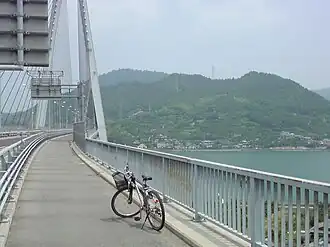
- Cycle the Shimanami Kaido — 70 km of dedicated bike lanes across six islands of the Inland Sea between Onomichi and Imabari (Ehime). Rent at the Onomichi U2 terminal (~¥2,000/day plus ¥500 helmet); allow a full day, or split it with an overnight on Ikuchijima.
- Climb Mt. Misen at sunrise on Miyajima — overnight at one of the island's ryokan after the day-trippers leave, then take the first ropeway up (or the 2-hour Daisho-in trail) for views across the Seto Inland Sea archipelago.
- Tour the sake breweries of Saijo on foot — seven brick-chimneyed kura sit within a 10-minute walk of JR Saijo station; Kamotsuru, Hakubotan, and Kamoizumi all offer tastings, and the whole circuit is doable in an afternoon.
- Hike Sandankyo Gorge in autumn — a 16 km river trail of waterfalls and emerald pools 90 minutes northwest of Hiroshima; the short boat ride at Kurobuchi through the canyon's narrowest section is the highlight, and momiji peaks in late October to early November.
Top Destinations
Every destination in Hiroshima with a guide — tap a place for the full guide.

Fukuyama
Fukuyama (福山) is a mid-sized castle city on the coast of Hiroshima Pr…
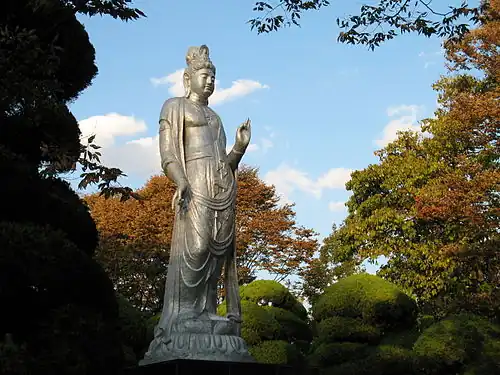
Hiroshima
Hiroshima (広島) is an industrial city of wide boulevards and criss-cro…
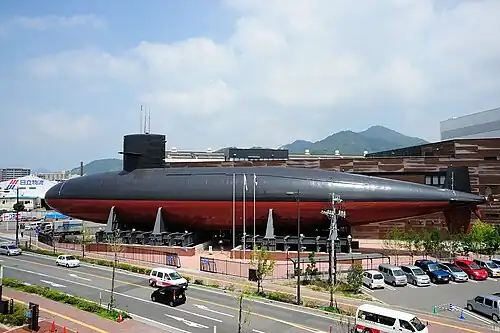
Kure
Kure (呉) is a historic port city on the Seto Inland Sea in Hiroshima…
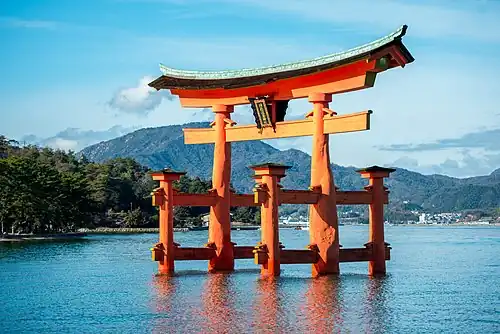
Miyajima
Miyajima (宮島) is one of the crown jewels of Japan, an island off the…
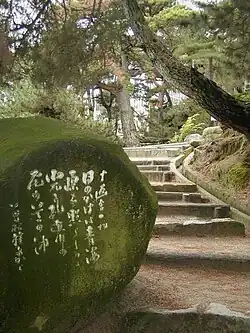
Onomichi
Onomichi (尾道) is a quiet, hilly port city strung along the Seto Inlan…
Sandankyo
Sandankyo (三段峡, literally "Three-Step Gorge") is a dramatic river gor…
Shimanami Kaido
The Shimanami Kaido (しまなみ海道) is a 70 km island-hopping route that lin…
Hatsukaichi
Hatsukaichi is a city in western Hiroshima Prefecture, best known as…
Higashihiroshima
Higashihiroshima is a city in south-central Hiroshima Prefecture, loc…
Mihara
Mihara is a city in southeastern Hiroshima Prefecture, located on the…
Miyoshi
Miyoshi is a city in northern Hiroshima Prefecture, located in the Ch…
Peace Memorial Park
Hiroshima Peace Memorial Park (平和記念公園) is the broad, green civic park…
Setonaikai National Park
Setonaikai National Park is Japan's first national park, established…
Takehara
Takehara is a city in southeastern Hiroshima Prefecture, located on t…
Tomonoura
Tomonoura (鞆の浦) is a small, atmospheric harbour town on the Seto Inla…
Pair the highlights of Hiroshima into one easy trip — we'll plan the route.
WhatsApp
Contact Us
Get in touch with us.
Get in touch
Contact Us
Tell us where you'd like to go and how you like to travel. A real Tripcuro planner — not a bot — will craft an itinerary around you.
- Personalised, hassle-free planning end-to-end
- Transparent pricing, no hidden costs
- 24/7 support for complete peace of mind