
Fukui
Japan · Prefecture · 13 destinations with guides
Photography coming soonWhy visit?
Fukui Prefecture sits on the Sea of Japan coast in the Hokuriku region of central Honshu, sandwiched between Ishikawa to the north and Shiga and Kyoto to the south. It's a long, narrow prefecture defined by a dramatic split personality: the rugged Echizen coastline with its sea-cliffs and crab harbours to the north, and the forested Reihoku and Reinan mountain valleys inland, where samurai ruins, Zen temples and dinosaur fossil beds hide among rice paddies. The capital, Fukui City (population ~264,000), is a quiet castle town built around the moats of Fukui Castle and the Ichijōdani Asakura Family Historic Ruins on its outskirts — one of Japan's most important archaeological sites.
For travellers, Fukui is one of those prefectures the Shinkansen used to skip and now showcases. The 2024 extension of the Hokuriku Shinkansen from Kanazawa down to Tsuruga put Fukui, Awara-Onsen and Echizen-Takefu on the bullet train map for the first time, slashing the Tokyo–Fukui run to under three hours. Despite that, visitor numbers remain a fraction of Kyoto's or Kanazawa's, and the prefecture still feels uncrowded — a place where you eat sauce katsudon at a counter beside salarymen, soak in a coastal onsen, and drive to a working Zen monastery without queueing.
What ties it all together is craft and continuity: 1,500 years of Echizen washi papermaking in Echizen, lacquerware in Sabae (which also makes 90% of Japan's eyeglass frames), Eiheiji's Soto Zen training tradition unbroken since 1244, and Japan's richest dinosaur fossil beds in Katsuyama. It rewards travellers who want depth over checklist sights.
When is the best time to visit?
Spring (April–May) is the headline season: cherry blossoms ring Fukui Castle's moat and line the Asuwa River in early April, followed by fresh-green mountains and ideal temperatures (15–22°C) through Golden Week. Book Eiheiji and Awara Onsen ryokan well ahead for late April.
Autumn (mid-October to late November) is arguably even better — Eiheiji's cedar groves, the Ichijōdani valley, and the Kuzuryū gorge turn red and gold, and the weather is dry and crisp. Mid-November is peak foliage in the lowlands.
Winter (December–February) is when Fukui shows its Sea of Japan side. Snow can be heavy inland (Ono and Katsuyama regularly see 1m+), and this is Echizen crab season (Echizen-gani, November 6 – March 20), with the prized male snow crab fetching ¥30,000–80,000 per crab at coastal ryokan — the prefecture's signature winter pilgrimage. Coastal areas get less snow but grey, blustery weather.
Summer (June–August) is hot and humid (30–34°C) with a wet rainy season through mid-July. It's the best window for the coast — Mikatagoko's five lakes, Tojinbo's cliffs and the beaches around Wakasa Bay — and for the major festivals.
Festival peaks: Mikuni Matsuri (May 19–21, Sakai), Echizen Lacquerware Festival (early June, Sabae), Fukui Phoenix Festival (first weekend of August, with fireworks over the Asuwa River), and the Mikuni Fireworks (mid-August).
Tell us your dates and we'll shape a Fukui route around them.
WhatsAppHow do you get around?
The prefecture's spine is the Hokuriku main line and Hokuriku Shinkansen, running roughly north–south through Awara-Onsen → Fukui → Sabae → Echizen-Takefu → Tsuruga. Shinkansen hops between these stations take 8–20 minutes; local Hapi-Line Fukui trains (the third-sector successor to JR's parallel local service) cost ¥330–680 between adjacent towns and run roughly every 30 minutes.
From Fukui Station, two private branch lines fan out: the Echizen Railway Katsuyama-Eiheiji line runs east to Eiheiji-guchi (transfer to bus for the temple, ~25 min) and on to Katsuyama for the Dinosaur Museum (~55 min, ¥770). The Mikuni-Awara line heads northwest to Mikuni and Tojinbo (~50 min, ¥770). Both accept the Echizen Railway 1-day pass (¥1,000), which pays for itself with one round trip.
The Fukutetsu tram connects JR Fukui Station with central city sights and runs south all the way to Echizen-Takefu — useful for the art museum, history museum and Yokokan Garden via Tawaramachi Station, and for budget hops to Sabae. Fares are ¥200 flat in the city.
For Eiheiji, Tojinbo and the Tsuruga/Mikata coast you'll save real time with a rental car (¥6,000–9,000/day from Fukui or Tsuruga stations) — distances Fukui→Eiheiji 18km, Fukui→Tojinbo 30km, Fukui→Katsuyama 35km, Fukui→Tsuruga 60km. Highway buses run from Fukui to Eiheiji (¥750, 30 min) and to Tojinbo (¥770, ~50 min) for those without cars. Taxis are plentiful at Fukui Station; budget ¥5,000–7,000 one-way to Eiheiji.
Where should you go?
- Fukui City — the prefectural capital, castle ruins, Ichijōdani samurai-town archaeological site, and the gateway to everything else
- Eiheiji — Dōgen's 13th-century Sōtō Zen training monastery, set in towering cedar groves; you can stay overnight as a lay practitioner
- Sakai (Mikuni / Tojinbo) — the sea-cliffs of Tojinbo, Mikuni's port-town streetscape, and Awara Onsen's ryokan district
- Katsuyama — home of the Fukui Prefectural Dinosaur Museum, Japan's best, and the mountain temple-castle of Heisenji
- Ono — the "Little Kyoto of Hokuriku," a grid-plan castle town with a morning market that has run for 400+ years
- Sabae — eyeglass-frame and Echizen lacquerware capital; factory tours and craft workshops
- Echizen (Takefu) — washi paper villages, Echizen knife forges, and the Echizen coast crab ports
- Awara — onsen town with 70+ inns, the prefecture's top hot-spring resort
- Tsuruga — historic Sea of Japan port, the "Port of Humanity" (Sugihara visa transit point), gateway south to Mikatagoko's five lakes
- Ikeda — mountain village with the Tree Picnic Adventure forest park (zip-lining, treehouse stays)
Want the scenic legs and stays booked for you? Just ask.
WhatsAppWhat should you eat?
Fukui's signature dish is sauce katsudon — unlike the egg-bound katsudon eaten elsewhere in Japan, here breaded pork cutlets are dunked in a sweet-savoury Worcestershire-style sauce and served straight on rice. Yōroppaken (ヨーロッパ軒) near Fukui Station claims to have invented it in 1913 and the queues are real; Ogawaya and Fukushin (the latter known for absurdly generous portions) are the other pilgrimage spots. Expect to pay ¥1,100–1,500.
The other prefecture-defining dish is oroshi soba — chilled buckwheat noodles topped with grated daikon radish, bonito flakes and a dashi-based sauce, eaten year-round but at its best with the new harvest in October–November. Maruhachi (まる八), a 10-minute walk east of Fukui Station, is a reliable counter spot serving both soba and katsudon (closed Thursdays).
In winter, Echizen crab (Echizen-gani) is the splurge: the male snow crab, tagged with a yellow band at Mikuni and Echizen ports, is the only crab in Japan offered to the Imperial Household. A full crab kaiseki dinner at a coastal ryokan runs ¥30,000–60,000 per person. Cheaper but still exceptional are wakasa-guji (red tilefish), heshiko (fermented mackerel), and kuzu-manju sweets in Ono.
For drinking, Fukui produces serious sake — look for Kokuryu (黒龍, from Eiheiji-cho) and Born (梵, from Sabae), both widely available at Fukui Station's basement food hall. Local izakaya cluster around Katamachi (片町), 10 minutes' walk from Fukui Station; Akiyoshi (秋吉) is a homegrown yakitori chain with picture menus and a usually-English-speaking staff if you ask.
Vegetarian and vegan travellers will find Eiheiji's shōjin-ryōri (Buddhist temple cuisine) the highlight — multi-course vegetable kaiseki served at the temple lodgings or at restaurants like Zenmibo near the main gate. Outside that, dedicated vegetarian options are limited; convenience-store onigiri and the soba shops (request dashi nashi for vegan broth) are the practical fallback.
What is the culture like?
Fukui's cultural identity is shaped by three things: Eiheiji Sōtō Zen, the Asakura clan's 16th-century court culture at Ichijōdani, and a deep craft tradition spanning Echizen washi paper (one of Japan's three great papers, made for 1,500 years), Echizen lacquerware (1,500-year tradition), Echizen knives (700-year forging tradition with Traditional Craft designation), and Wakasa lacquer chopsticks. Most of these crafts let visitors visit working ateliers — the Echizen Washi Village in Echizen-shi and the Urushi-no-Sato lacquer village in Sabae both have hands-on workshops from ¥1,000.
Major festivals:
- Mikuni Matsuri (三国祭, May 19–21, Sakai) — one of Hokuriku's three great festivals, with six 6-metre-tall warrior float dolls (
yamaguruma) hauled through Mikuni's old port streets. - Echizen Lacquerware Festival (越前漆器まつり, early June, Sabae's Kawada district) — direct sales from craftsmen at workshop prices.
- Fukui Phoenix Festival (福井フェニックス祭り, first weekend of August) — the city's biggest summer matsuri, with parades on Saturday and ~10,000 fireworks over the Asuwa River on Sunday.
- Mikuni Fireworks (三国花火大会, mid-August, Sakai) — one of the Sea of Japan coast's best fireworks displays, with shells launched from boats offshore.
- Katsuyama Sagicho Matsuri (勝山左義長まつり, late February) — a 300-year-old fire festival where 12 neighbourhood groups drum on raised platforms before bonfires consume New Year decorations.
- Echizen Crab Opening Day (越前がに解禁, November 6) — not a festival per se, but the entire coast comes alive as the season opens; Mikuni and Echizen ports run special markets.
- Eiheiji Tōrō Nagashi (永平寺大燈籠ながし, late August) — 10,000 lit lanterns float down the Kuzuryū River for the dead, set against fireworks.
Travelling during a festival? We'll plan around the crowds.
WhatsAppWhat are the standout experiences?
Stay overnight at Eiheiji — the working Sōtō Zen training temple founded in 1244 by Dōgen offers
sanrōlay-stay programmes (around ¥13,000/night) where you join 4am zazen meditation, eat shōjin-ryōri in silence, and sleep in tatami rooms inside the monastery itself. Even a day visit (¥700, ~2 hours) walking through the cedar-lined cloisters is one of the most atmospheric temple experiences in Japan.The Fukui Prefectural Dinosaur Museum (Katsuyama) — Japan's largest dinosaur museum and one of the world's top three, sited where 80% of Japan's dinosaur fossils have been excavated. The 50+ full skeletons under a giant silver dome shouldn't be missed even by adults; reservations required (¥1,000), and pair it with a fossil-dig experience at the nearby Kambara Quarry (¥1,300, March–November).
Tojinbo cliffs and the Echizen coast drive — 1km of basalt columnar cliffs plunging 25m straight into the Sea of Japan, formed by Miocene volcanic activity; one of only three such formations on earth. Time it for sunset, eat grilled squid from the cliff-top stalls, and continue south on Route 305 (the Echizen Coast Drive) past dramatic sea caves to the Echizen Crab Museum at Echizen town.
Soak the night through at Awara Onsen — Fukui's premier hot-spring resort since 1883, with 74 inns drawing on 74 separate sources (a rarity). Splurge on Beniya or Tsuruya for kaiseki with Echizen crab in winter; budget travellers can do the yumeguri stamp-tour, soaking in three different inn baths for ¥1,500 total.
Walk the Ichijōdani samurai town ruins — the entire valley capital of the Asakura clan, destroyed by Oda Nobunaga in 1573 and excavated in the 1960s, is preserved as a Special Historic Site with one full block of samurai residences reconstructed at 1:1 scale on its original foundations. The ¥330 entry includes the new (2022) Asakura Museum on the valley floor; allow half a day, and arrive on the Asakura Yume-Bus (¥600 day pass) from Fukui Station.
Top Destinations
Every destination in Fukui with a guide — tap a place for the full guide.

Awara Onsen
Awara Onsen (あわら温泉) is the leading hot-spring resort of Fukui…
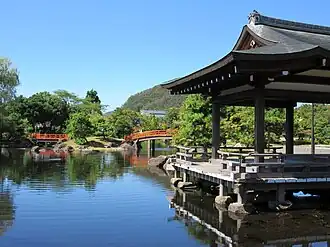
Echizen
Echizen (越前) is a city in central Fukui Prefecture whose name reaches…
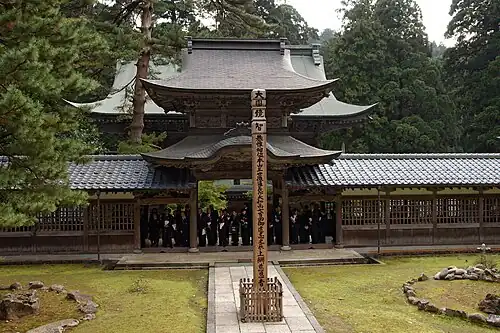
Eiheiji
Eiheiji (永平寺) is a mountain temple town in central Fukui Prefecture…
Fukui
Fukui (福井市, Fukui-shi) is the capital city of Fukui Prefecture, on…

Katsuyama
Katsuyama (勝山市 Katsuyama-shi) is a city in the mountains of eastern…
Obama
Obama (小浜市 Obama-shi) is a small city on the Wakasa coast of southern…
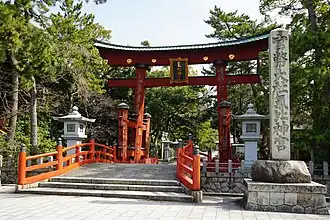
Tsuruga
Tsuruga (敦賀市 Tsuruga-shi) is a port city on the southern coast of…
Awara
Awara (あわら) is a city in northern Fukui Prefecture, best known for…
Mihama
Mihama (美浜) is a town in southwestern Fukui Prefecture, situated on…
Ono
Ono (大野) is a city in eastern Fukui Prefecture, set in a mountain…
Sabae
Sabae (鯖江) is a city in central Fukui Prefecture, renowned as Japan's…
Sakai
Sakai (坂井) is a city in northern Fukui Prefecture, located on the…
Tojinbo
Tojinbo (東尋坊) is one of the most dramatic stretches of coastline in…
Pair the highlights of Fukui into one easy trip — we'll plan the route.
WhatsApp
Contact Us
Get in touch with us.
Get in touch
Contact Us
Tell us where you'd like to go and how you like to travel. A real Tripcuro planner — not a bot — will craft an itinerary around you.
- Personalised, hassle-free planning end-to-end
- Transparent pricing, no hidden costs
- 24/7 support for complete peace of mind