
Ehime
Japan · Prefecture · 15 destinations with guides
Photography coming soonOverview
Ehime Prefecture (愛媛県) occupies the northwestern quadrant of Shikoku, the smallest of Japan's four main islands. It's a prefecture defined by water and stone — the Seto Inland Sea fringes its northern shore with hundreds of small islands, while the inland south rises sharply into the rugged peaks of the Ishizuchi range, home to Shikoku's highest summit. The Sadamisaki Peninsula, slicing westward toward Kyushu, is the narrowest peninsula in Japan, and roughly seven percent of the prefecture's land is protected as natural parkland.
Known as Iyo until the 1868 Meiji reforms, Ehime trades on a deep, lived-in sense of history. Matsuyama, the capital, holds two of the country's most photographed landmarks: a hilltop original castle keep and Dōgo Onsen, the oldest documented hot spring in Japan with more than two thousand years of bathing tradition. Beyond the capital, the prefecture rewards slow travel — castle towns like Uwajima and Ozu, the saffron-yellow merchant streets of Uchiko, and the cycling paradise of the Shimanami Kaidō linking Imabari to Hiroshima across six bridge-strung islands.
For travellers, Ehime sits in the sweet spot between accessible and uncrowded. It has the infrastructure of a major prefectural capital and an international airport, but outside Matsuyama you can spend days in coastal villages, citrus orchards, and pilgrimage temples (Ehime hosts 26 of the 88 temples on the Shikoku Henro circuit) without seeing another foreign visitor.
When to Visit
Late March to early May is the most popular window: cherry blossoms peak around Matsuyama Castle in late March to early April, followed by mild, dry weather through Golden Week. Late October to November is the other prime season, when the Ishizuchi range turns russet and gold and the citrus harvest begins — Ehime is Japan's leading mikan (mandarin) producer, and roadside stands appear along the coast.
Summer (June–August) is hot and humid with a wet rainy season in mid-June to mid-July; typhoons can affect the Seto Inland Sea coast in late August and September. Winter is mild on the coast but the inland peaks see significant snow — Mount Ishizuchi typically requires winter mountaineering equipment from December through March.
Festival-wise, time a visit around Matsuyama Spring Festival in early April or the Niihama Taiko Matsuri in mid-October, when 50-plus float teams clash through the streets in one of Shikoku's most thunderous festivals.
Tell us your dates and we'll shape a Ehime route around them.
WhatsAppGetting Around
The prefecture's spine is the JR Yosan Line, which runs along the Seto Inland Sea coast from Kawanoe in the east through Niihama, Saijo, Imabari and Matsuyama, before turning south to Uwajima. Limited express Shiokaze and Ishizuchi trains connect Matsuyama to Imabari in about 40 minutes (¥1,800 reserved) and Matsuyama to Uwajima in roughly 1 hour 20 minutes (¥3,500). Local trains run the same route at half the price but take twice as long.
Within Matsuyama, the Iyotetsu tram network is the easiest way to reach Dōgo Onsen, the castle ropeway, and Ōkaidō shopping arcade — a flat ¥200 per ride, or ¥800 for a day pass. Iyotetsu also operates suburban rail and an extensive bus network reaching Tobe, Matsuyama Airport, and the ferry terminals.
For the inland south and the Shikoku Karst, you'll want a rental car — base rates from around ¥6,000/day at Matsuyama Station or the airport. The Shimanami Kaidō can be cycled (rentals from ¥2,000/day at Imabari's Sunrise Itoyama terminal, one-way drop-off in Onomichi possible) or driven on the parallel expressway. Long-distance highway buses connect Matsuyama to Osaka, Hiroshima (via the Shimanami expressway), and Fukuoka overnight.
Top Destinations
- Matsuyama — prefectural capital, home to an original-keep castle and the 2,000-year-old Dōgo Onsen
- Imabari — shipbuilding port and the Shikoku gateway to the Shimanami Kaidō cycling route
- Uwajima — castle town famous for bull sumo (tōgyū) and the eccentric Taga-jinja shrine
- Saijo — base camp for climbing Mount Ishizuchi and known for exceptional spring water
- Uchiko — preserved Edo-era merchant district with distinctive yellow ochre-walled buildings
- Ozu — riverside castle town nicknamed "Little Kyoto" with the Garyū Sansō villa and gardens
- Ikata — scenic ridge-and-cove drives along the narrow Sadamisaki Peninsula
- Niihama — industrial city built on the Besshi Copper Mines, now a museum complex (Minetopia Besshi)
- Shikokuchuō — paper-making centre on the eastern border with Kagawa
- Mount Ishizuchi — at 1,982 m, Shikoku's highest peak, with chain-climb sections near the summit
Want the scenic legs and stays booked for you? Just ask.
WhatsAppCuisine
Ehime's signature dish is taimeshi (sea bream rice), which exists in two distinct regional styles. The Matsuyama version layers a whole grilled sea bream over rice and steams them together, the fish then flaked through the rice tableside. The Uwajima version — older and arguably more striking — serves raw sea bream sashimi marinated in raw egg, soy and sesame, poured over hot rice. Both are widely available; Kadoya in Uwajima is the most-cited specialist, with set meals from around ¥2,200.
Beyond the bream, look for jakoten (deep-fried fish-paste cakes from Uwajima), imabari yakibuta tamago-meshi (a pork-and-egg rice bowl unique to Imabari), and satsuma-jiru (a chilled miso-and-fish soup poured over rice — Ehime's version differs from the Kyushu dish of the same name). The prefecture's citrus dominance means mikan appears in everything from soft-serve ice cream to ponzu sauce, and Pon Juice, the iconic 100% Ehime orange juice in its red-and-green carton, is sold everywhere.
For drinkers, Ehime brews respected sake — Ishizuchi (Saijō) and Umenishiki (Matsuyama) are the prefecture's flagship breweries — and a growing number of mikan-based shochu and craft beers. Vegetarian and vegan options are limited outside Matsuyama; pilgrim-route shōjin ryōri (Buddhist temple cuisine) at lodgings near the henro temples is the most reliable plant-based option.
Culture & Festivals
Ehime's cultural calendar is anchored by Dōgo Onsen Matsuri (mid-March), a three-day spring festival around the historic bathhouse with parades, taiko, and free-bathing days. Matsuyama Spring Festival (early April) coincides with cherry blossom season and centres on the castle grounds.
The prefecture's most spectacular event is the Niihama Taiko Matsuri (16–18 October), when more than 50 ornate, gold-embroidered taikodai floats — each weighing roughly 2.5 tonnes and carried by 150 men — process and clash through the city in a centuries-old display of competitive flair. Saijō Matsuri (mid-October) sees similarly elaborate danjiri and mikoshi floats descend on the Isono-jinja shrine, with a famous river crossing where shrines are carried into the Kamo River at dawn.
In the south, Uwajima's Warei Taisai (22–24 July) features the Ushi-oni (sea-monster) parade and demon-headed floats, plus bouts of bull sumo at Tōgyū-jō, a tradition unique to Uwajima in Japan. Crafts to watch for include Imabari towels (Japan's premium towel industry, with the Towel Museum showcasing the trade), Tobe-yaki porcelain (chunky white-and-cobalt ware from the Tobe area south of Matsuyama), and Ehime bamboo craft, prized for its durability.
Travelling during a festival? We'll plan around the crowds.
WhatsAppNotable Experiences
- Cycle the Shimanami Kaidō — a 70 km dedicated cycle path crossing six islands of the Seto Inland Sea between Imabari and Onomichi, with rental drop-off at either end and ferry shortcuts if you want a half-day version.
- Bathe at Dōgo Onsen Honkan — Japan's oldest hot spring, in the 1894 wooden bathhouse said to have inspired the bathhouse in Spirited Away. The basic Kami-no-Yu bath is around ¥460; the upper Tama-no-Yu floors include tea and a yukata.
- Climb Mount Ishizuchi via the chain route — a sacred peak with three sets of heavy iron chains (the longest 65 m) bolted to near-vertical rock, used by pilgrims since the 8th century. The ropeway from Saijō shortcuts the lower approach; the chain sections are optional and have stair bypasses.
- Drive the Sadamisaki Peninsula — a winding ridge road along Japan's narrowest peninsula from Yawatahama to Sadamisaki Lighthouse, with terraced citrus groves dropping to the sea on both sides and ferry connections to Kyushu at the tip.
- Wander Uchiko's Yōkaichi district at dusk — a 600 m stretch of preserved Edo and Meiji-era merchant houses lit by lanterns, including the restored Kami-Haga residence (a wax merchant's mansion) and the Uchiko-za, a working 1916 kabuki theatre still hosting performances.
Top Destinations
Every destination in Ehime with a guide — tap a place for the full guide.

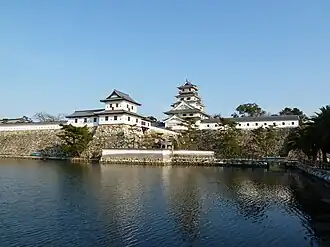
Dogo Onsen
Dogo Onsen (道後温泉) is a venerable hot-spring district in the eastern p…
Imabari
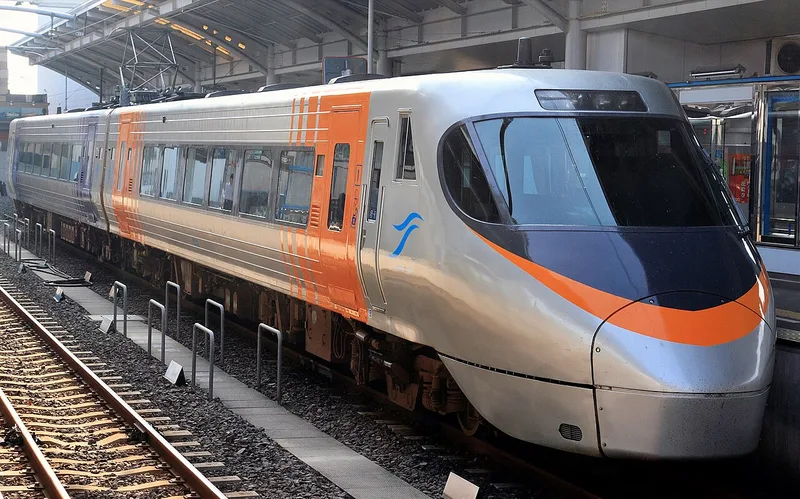
Imabari (今治) is a port city in northern Ehime Prefecture, on the isla…
Ishizuchi
Ishizuchi (石鎚) — Mount Ishizuchi — is the highest mountain in western…
Ozu
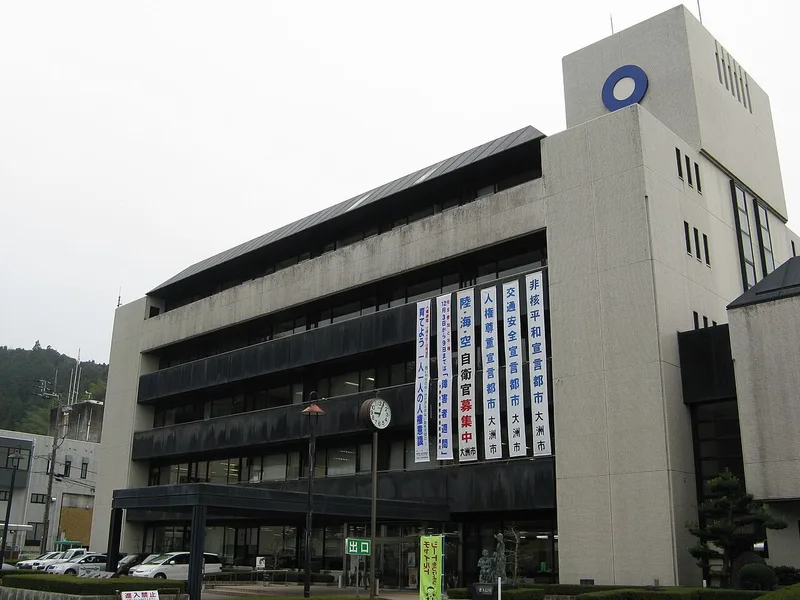
Ozu (大洲) is a small castle town in Ehime Prefecture, on the island of…
Uchiko
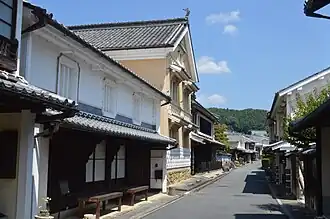
Uchiko (内子町, Uchiko-cho) is a small town in Ehime Prefecture, on the…
Uwajima
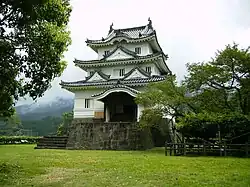
Uwajima (宇和島) is an easy-going small city on the west coast of Shikok…
Ainan
Ainan (愛南) is a town in southwestern Ehime Prefecture, located on the…
Ikata
Ikata (伊方) is a town on the Sadamisaki Peninsula, the narrow westernm…
Iyo
Iyo (伊予) is a city in central Ehime Prefecture, located between Matsu…
Matsuyama
Matsuyama (松山) is the capital of Ehime Prefecture and the largest cit…
Matsuyama Castle
Matsuyama Castle (松山城, Matsuyama-jō) is the dramatic hilltop fortress…
Niihama
Niihama (新居浜) is a city in eastern Ehime Prefecture with a strong ind…
Saijo
Saijo (西条) is a city in eastern Ehime Prefecture, situated between th…
Shikokuchuo
Shikokuchuo (四国中央) is a city in eastern Ehime Prefecture, formed in 2…
Yawatahama
Yawatahama (八幡浜) is a port city in western Ehime Prefecture, facing t…
Pair the highlights of Ehime into one easy trip — we'll plan the route.
WhatsApp
Contact Us
Get in touch with us.
Get in touch
Contact Us
Tell us where you'd like to go and how you like to travel. A real Tripcuro planner — not a bot — will craft an itinerary around you.
- Personalised, hassle-free planning end-to-end
- Transparent pricing, no hidden costs
- 24/7 support for complete peace of mind