
Aichi
Japan · Prefecture · 16 destinations with guides
Photography coming soonOverview
Aichi Prefecture (愛知県) sits at the heart of Japan's Chubu region, anchored by Nagoya — the country's fourth-largest city and a powerhouse of manufacturing, commerce, and culinary tradition. The prefecture stretches from the mountainous north, where castles and craft villages cling to forested valleys, down through the industrial belt of the Nobi Plain to the surf-washed Pacific coastline of the Atsumi and Chita peninsulas. It was the homeland of the three great unifiers of feudal Japan — Oda Nobunaga, Toyotomi Hideyoshi, and Tokugawa Ieyasu — and that legacy is etched into its castles, shrines, and samurai-era streetscapes.
Where Tokyo dazzles and Kyoto enchants, Aichi rewards travellers who like substance: the world headquarters of Toyota, the oldest surviving castle keep in the country at Inuyama, the kilns of Seto and Tokoname (two of Japan's storied "Six Ancient Kilns"), and a distinctive food culture built around dark, robust aka-miso. It hosted Expo 2005, and the legacy site at Nagakute is now home to Ghibli Park — making the prefecture an unexpectedly strong draw for families and design pilgrims alike.
The character is unpretentious, industrious, and quietly proud. Aichi rarely tops first-time itineraries, but it makes for an excellent two-to-four-day add-on between Tokyo and Kyoto on the Tokaido corridor, or as a standalone base for exploring central Japan.
When to Visit
Spring (late March to early April) brings cherry blossoms to Nagoya Castle, Okazaki Park (one of the country's top 100 hanami spots), and the Yamazaki River. Autumn (mid-November to early December) is arguably the prefecture's finest season — Asuke's Korankei Gorge erupts in maple colour and is illuminated nightly through the foliage peak.
Summer is hot, humid, and notoriously sticky on the Nobi Plain — Nagoya regularly records some of Japan's highest urban temperatures, often exceeding 35°C in July and August. It is, however, festival season: the Owari Tsushima Tenno Festival (late July) and Nagoya Port fireworks fall in this window. Winter is cold but generally dry and snow-free in the lowlands, making it a comfortable time for castle and museum visits without the crowds.
Avoid Golden Week (late April to early May) and Obon (mid-August) for shinkansen travel unless seats are reserved well in advance.
Tell us your dates and we'll shape a Aichi route around them.
WhatsAppGetting Around
Aichi is one of the easiest prefectures in Japan to navigate. JR Central runs the Tokaido and Chuo lines connecting the major cities; the Meitetsu (Nagoya Railroad) network is generally faster and cheaper for destinations like Inuyama, Tokoname, and Centrair Airport; and the Aichi Loop Railway (Aikan) links Okazaki, Toyota, and Seto.
Indicative travel times from Nagoya Station:
- Inuyama — 25–30 min by Meitetsu (¥570)
- Tokoname — 30 min by Meitetsu Airport Line (¥680)
- Toyota City — 45 min via Meitetsu/Aikan (¥680)
- Okazaki — 30 min by JR Tokaido (¥680)
- Toyohashi — 50 min by JR (¥1,340), or 20 min by Shinkansen Kodama (¥3,070)
- Asuke (Korankei) — ~80 min via Meitetsu Bus from Nagoya's Meitetsu Bus Center
Within Nagoya, the municipal subway (six lines) plus the Manaca IC card (interoperable with Suica/Pasmo) cover daily needs. A Shoryudo Bus Pass (¥8,500–¥14,000) is worth considering if you're combining Aichi with Gifu, Toyama, and Ishikawa.
Top Destinations
- Nagoya — the prefecture's capital and main base; castle, Atsuta Shrine, SCMaglev museum, and the gateway to everything else.
- Inuyama — home to Japan's oldest original castle keep and a walkable old-town riverfront.
- Nagakute — site of Expo 2005 Memorial Park and Ghibli Park; an essential family stop.
- Asuke — the prefecture's autumn-foliage capital, centred on Korankei Gorge.
- Seto — one of the Six Ancient Kilns and a working ceramics town.
- Tokoname — pottery trail, climbing kiln, and the "Maneki-neko Street" of cat sculptures.
- Okazaki — Tokugawa Ieyasu's birthplace; reconstructed castle and 8 Chō Miso warehouses.
- Toyota — the Toyota Commemorative Museum and Toyota Kaikan plant tours.
- Toyohashi — eastern transport hub and gateway to the Atsumi Peninsula.
- Tahara — surf beaches on the Pacific-facing Atsumi Peninsula.
- Ichinomiya — textile heritage town; hosts one of Japan's three great Tanabata festivals.
Want the scenic legs and stays booked for you? Just ask.
WhatsAppCuisine
Aichi's food identity is unusually distinct from the rest of Japan, organised loosely under the banner of Nagoya-meshi (Nagoya cuisine) and built on rich, dark aka-miso (red miso) made from soybeans rather than rice or barley.
Must-try dishes:
- Misokatsu — tonkatsu pork cutlet drowned in sweet-savoury miso sauce; the institutional spot is Yabaton (in business since 1947).
- Hitsumabushi — grilled eel over rice, eaten three ways: plain, with condiments, then with dashi poured over as ochazuke. Atsuta Horaiken near Atsuta Shrine is the originator (expect queues; reckon ¥4,500–¥6,000).
- Tebasaki — sweet-glazed chicken wings dusted with pepper and sesame; Sekai no Yamachan and Furaibo are the rival chains.
- Kishimen — flat ribbon wheat noodles, served hot in dashi or cold with dipping sauce; the platform stalls at Nagoya Station are a classic quick lunch.
- Tenmusu — bite-sized onigiri stuffed with prawn tempura.
- Ankake spaghetti — a peppery, gravy-like Nagoya original.
- Ogura toast — thick-cut buttered toast topped with sweet azuki paste, the regional kissaten breakfast.
Vegetarian and vegan options are limited in traditional Nagoya-meshi (most miso and dashi bases use bonito or pork), but Nagoya's Sakae and Osu districts have a growing number of plant-based and international restaurants.
Culture & Festivals
- Owari Tsushima Tenno Festival (late July, Tsushima) — UNESCO-listed float festival on the Tennō River, with illuminated makiwara boats.
- Ichinomiya Tanabata Festival (late July) — one of Japan's three great Tanabata celebrations.
- Nagoya Festival (mid-October) — the city's headline parade, with processions of the three feudal unifiers in full regalia.
- Inuyama Festival (first weekend of April) — UNESCO-listed; 13 three-tiered floats with mechanical karakuri puppets, lantern-lit at night.
- Atsuta Festival / Shobusai (5 June, Nagoya) — Atsuta Shrine's most important annual rite, with makiwara lanterns and fireworks.
- Toyokawa Inari Grand Festival (early May, Toyokawa) — at the fox-statue-laden Buddhist Inari temple.
Aichi is also a major centre of traditional crafts: Seto-yaki and Tokoname-yaki ceramics (both among the Six Ancient Kilns), Arimatsu-Narumi shibori tie-dye textiles in southern Nagoya, and Nagoya yuzen silk dyeing. The prefecture's karakuri ningyō (mechanical puppet) tradition feeds directly into its modern reputation as a robotics and automation hub.
Travelling during a festival? We'll plan around the crowds.
WhatsAppNotable Experiences
- Ghibli Park, Nagakute — five themed areas (Grand Warehouse, Hill of Youth, Dondoko Forest, Mononoke Village, Valley of Witches) within Expo 2005 Memorial Park. Tickets must be booked in advance via Boo-Woo Ticket; expect to plan 6+ weeks ahead for weekends.
- Inuyama Castle and the Kiso River cormorant fishing (ukai) — climb the 16th-century keep in the afternoon, then board an evening boat (June–mid-October) to watch fishermen working with trained cormorants under torchlight.
- The SCMaglev and Railway Park, Nagoya — JR Central's flagship museum, with the world-record-holding 581 km/h maglev test car alongside generations of shinkansen rolling stock.
- Korankei Gorge autumn illumination, Asuke — roughly 4,000 maples lit nightly through November; a long-standing pilgrimage for Japanese leaf-peepers.
- Tokoname Pottery Footpath (Yakimono Sanpomichi) — a 1.5 km loop through hillside lanes lined with shōchū-bottle walls, working kilns, and the preserved Noborigama climbing kiln.
- Toyota Kaikan and Commemorative Museum, Toyota City — book ahead for the free assembly-plant tour, then trace the company's textile-loom origins at the Commemorative Museum in Nagoya's Noritake district.
Top Destinations
Every destination in Aichi with a guide — tap a place for the full guide.

Inuyama
Inuyama (犬山) is a city in northern Aichi Prefecture, close to Nagoya…
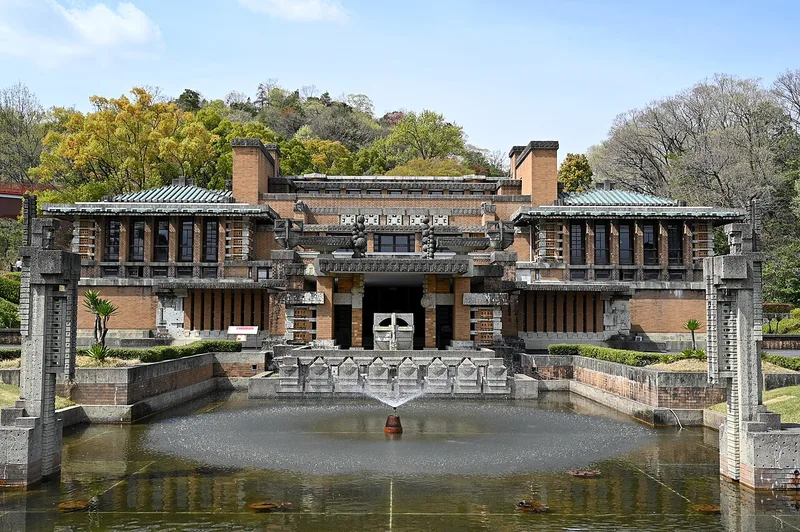
Meiji-mura
Meiji-mura (博物館明治村, "Meiji Village") is an open-air architectural mus…
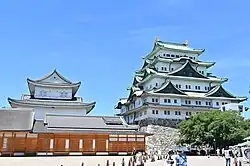
Nagoya
Nagoya (名古屋) is the capital and largest city of Aichi Prefecture, in…
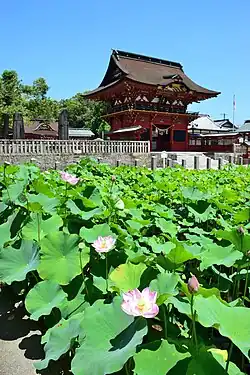
Okazaki
Okazaki (岡崎) is a city in the centre of Aichi Prefecture, lying midwa…

Tokoname
Tokoname (常滑市) sits on the western coast of the Chita Peninsula in so…
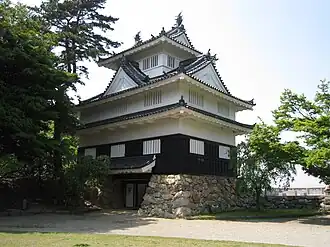
Toyohashi
Toyohashi (豊橋) is a city in the south-east of Aichi Prefecture, on Ho…
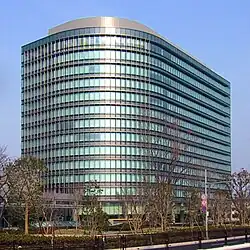
Toyota
Toyota (豊田) is the largest city by area in Aichi Prefecture and the s…
Gamagori
Gamagori (蒲郡) is a coastal city in south-eastern Aichi Prefecture, se…
Handa
Handa (半田) is a city on the Chita Peninsula in southern Aichi Prefect…
Ichinomiya
Ichinomiya (一宮) is a city in western Aichi Prefecture, located betwee…
Korankei
Korankei (香嵐渓) is a forested river gorge in the town of Asuke, within…
Nagakute
Nagakute (長久手) is a city in central Aichi Prefecture, located east of…
Nishio
Nishio (西尾) is a city in southern Aichi Prefecture, located on the ea…
Seto
Seto (瀬戸) is a city in northern Aichi Prefecture, renowned for its ce…
Shinshiro
Shinshiro (新城市) is a city in eastern Aichi Prefecture, located in a m…
Tahara
Tahara (田原) is a city at the southern tip of the Atsumi Peninsula in…
Pair the highlights of Aichi into one easy trip — we'll plan the route.
WhatsApp
Contact Us
Get in touch with us.
Get in touch
Contact Us
Tell us where you'd like to go and how you like to travel. A real Tripcuro planner — not a bot — will craft an itinerary around you.
- Personalised, hassle-free planning end-to-end
- Transparent pricing, no hidden costs
- 24/7 support for complete peace of mind