
Zuluk
Sikkim, India
Why visit Zuluk?
Zuluk (also spelt Dzuluk or Jhuluk) is a small high-altitude hamlet in eastern Sikkim, sitting at around 3,000 m (about 10,000 ft) on the historic Old Silk Route that once linked Tibet's Chumbi Valley with the plains of Bengal. Once a transit halt for mule caravans, the village is now famous for the spectacular hairpin road that climbs above it — a series of more than 30 zig-zag loops snaking up the mountainside, best seen from the Thambi View Point at dawn. An Indian Army presence remains strong here, reflecting the proximity of the international border.
There is very little to the village itself: a scatter of homes, army installations and a growing cluster of homestays that have turned Zuluk into an offbeat base for the Silk Route circuit through Nathang (Gnathang) Valley, Kupup, Tukla and the Old Baba Mandir. Visitors come for raw high-Himalayan scenery, the loops, sunrise over Kanchenjunga and a taste of frontier life rather than for sights in the conventional sense.
The weather is cold year-round and harsh in winter, when heavy snow can block the route. The best seasons are spring (March–May), when rhododendrons bloom along the route, and autumn (October–November) for clear skies; winter offers snow but uncertain access, and the monsoon brings fog and landslides.
Planning Zuluk? Tell us your dates and we’ll tailor the trip.
Ask on WhatsAppHow do you get there?
By Plane
The nearest airport is Pakyong Airport (PYG), roughly 60–70 km away, with limited flights; the main gateway is Bagdogra Airport (IXB) near Siliguri, about 150 km away. From either, you travel by road via Rongli, the permit point for the Silk Route, in a chartered 4x4.
By Train
The nearest railhead is New Jalpaiguri (NJP) in Siliguri, well connected to Kolkata, Delhi and Guwahati. From NJP, continue by road via Rangpo and Rongli (around 6–7 hours); there is no railway within Sikkim.
By Car / Road
Zuluk is reached by mountain road from Rongli (about 33 km), the town where the Protected Area Permit for the Old Silk Route is processed. It is roughly 90 km from Gangtok (4–5 hours) via Rangpo, Rongli and Lingtam. Because this is a sensitive border zone, entry is permitted only on a guided tour with a Protected Area Permit arranged through a registered operator, and foreign nationals face additional restrictions. Travel is by 4-wheel-drive; there is no public bus into the village.
Zuluk is a tiny hamlet best covered on foot, but the experience of the place is the drive — the Silk Route loops, viewpoints and high valleys are explored by the same chartered 4x4 and driver that brought you, since the permit and the rough, high-altitude roads make independent travel impractical. There is no public transport, autorickshaw or ride-hailing service. Your homestay or operator arranges the day's sightseeing run to Thambi View Point, Nathang, Kupup and back; carry warm layers, as open-air viewpoints are bitterly cold.
What are the things to do?
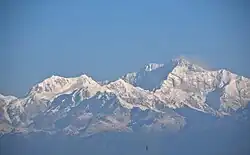
Thambi View Point (about 3,500 m) — the classic vantage above Zuluk overlooking the full sweep of the zig-zag loops, with sunrise views of Kanchenjunga on clear days.
Lungthung and Nathang (Gnathang) Valley — a high, treeless valley (around 4,100 m) of grassland and, in winter, snow, with an old war memorial and grazing yaks.
Kupup (Elephant) Lake and Old Baba Mandir — a sacred shrine and a high lake shaped like an elephant near the Kupup pass.
Tukla Valley — a windswept high valley with a memorial to British-era casualties.
Drive the Old Silk Route loops — the headline experience: the more than 30 hairpin bends climbing from Zuluk toward Thambi and Lungthung.
Sunrise at Thambi View Point — set out before dawn for the loops and the first light on Kanchenjunga.
Birdwatching and high-altitude wildlife — the route is known for monal pheasants, blood pheasants and, with luck, Himalayan wildlife along the forested stretches.
Photography and stargazing — clear high-altitude nights make for excellent star fields away from town lights.
Planning Zuluk? Want these on a customised itinerary?
Ask on WhatsAppWhere to eat?
Eating in Zuluk means home-cooked meals at your homestay, as there are no standalone restaurants. The food is simple, warming Himalayan fare suited to the cold and altitude: dal-bhat with seasonal vegetables, momos, thukpa and other noodle soups, eggs and Tibetan-style breads, with chicken or pork sometimes available on request. Portions are hearty and meals are usually included in the homestay tariff. Because supplies are carried up from below, menus are limited but fresh; let hosts know dietary preferences in advance.
Where to drink?
Warming drinks are the order of the day: tongba (warm millet beer through a bamboo straw), butter tea, and plenty of sweet milk and ginger tea offered against the cold and altitude. There are no bars or cafés; any drinks come from your homestay. Drink only bottled or boiled water — never untreated tap or stream water — and hydrate well, as the elevation around Zuluk and the higher viewpoints can bring altitude sickness.
Planning Zuluk? We’ll book the stays and dining for you.
Ask on WhatsAppWhere to stay?
- Budget: Family-run homestays are the standard and almost only option in Zuluk, offering simple heated rooms with home-cooked meals, broadly ₹1,200–2,000 per person per night including food; insist on warm bedding and confirm heating, as nights are freezing.
- Mid-range: A few larger, better-appointed homestays and lodges in and around Zuluk and nearby Nathang offer more comfortable rooms, typically ₹2,500–4,000 per night; book through your Silk Route operator.
- Upscale / heritage: There are no upscale hotels in this remote border zone; the well-run homestays are the highest comfort available. Travellers wanting hotel-grade stays base in Gangtok and visit the route on a multi-day tour.
What should you buy?
Zuluk has no market or shopping district to speak of — it is a remote frontier hamlet. A couple of tiny shops and the homestays sell basic snacks, bottled water and warm caps or gloves, but nothing approaching a bazaar. Buy any specific supplies, warm clothing and provisions in Gangtok or Rongli before heading up, and carry enough cash, as there are no ATMs in the village. There are no local crafts sold here; this is a place for scenery, not shopping.
Where to go next?
- Nathang (Gnathang) Valley (about 20 km) — a high snow valley further along the Silk Route.
- Kupup / Old Baba Mandir (about 30 km) — a sacred shrine and elephant-shaped lake near the pass.
- Rongli (about 33 km) — the permit town and gateway back toward the plains.
- Gangtok (about 90 km, 4–5 hours) — the state capital and main hub for onward travel.
- Aritar / Lampokhari (about 40 km) — a lake and lower-altitude village in East Sikkim, often paired with the Silk Route circuit.
Nearby in Sikkim
More places to explore around Zuluk.
Guide content as of June 2026.

Contact Us
Get in touch with us.
Get in touch
Contact Us
Tell us where you'd like to go and how you like to travel. A real Tripcuro planner — not a bot — will craft an itinerary around you.
- Personalised, hassle-free planning end-to-end
- Transparent pricing, no hidden costs
- 24/7 support for complete peace of mind