
Sikkim
India · State · 18 destinations with guides
Photography coming soonOverview
Sikkim is a small, mountainous state wedged into the eastern Himalayas, bordered by Tibet (China) to the north, Nepal to the west, Bhutan to the east, and West Bengal to the south. In just 7,300 km² — much of it forested — the land climbs from subtropical river valleys to the icefields of Kangchenjunga, at 8,586 m the third-highest mountain on earth, venerated locally as a guardian deity. Deep valleys, switchbacking ghat roads, and waterfalls at nearly every bend make this one of India's most scenic states.
For a long time Sikkim was an isolated Buddhist kingdom ruled by the Namgyal dynasty, populated by the Lepcha and Bhotia peoples, with later Nepali immigration shaping today's population. It became a British protectorate, then an Indian protectorate, and finally India's 22nd state in 1975. That layered history shows in the monasteries, prayer flags, and a culture that blends Tibetan Buddhist and Nepali traditions.
Travellers come for high-altitude lakes, monastery circuits, rhododendron and orchid forests, and serious Himalayan trekking. Sikkim is also India's first fully organic state, having phased out chemical farming statewide. Access takes some planning: there is no working airport in the state, and permits are required — Indians need none for general entry, while foreigners receive a free Inner Line Permit on arrival, with additional Protected Area Permits needed for the north and for high-altitude treks.
When to Visit
Sikkim has two clear travel windows. March to May brings warm days, clear mountain views, and the famous bloom — rhododendron woods and some 450 species of orchid flower from roughly March to May, peaking in April. October to early December offers crisp post-monsoon skies, the best long-range views of Kangchenjunga, and reliable mountain roads.
Avoid the June to September monsoon, when heavy rain triggers landslides and frequently blocks the winding ghat roads, especially in North and West Sikkim. Winter (December to February) is cold and quiet; high passes and lakes such as Tsomgo may freeze or close after snowfall, though clear-sky views can be spectacular.
Altitude is the recurring quirk: even Gangtok sits high, and destinations like Nathu La, Gurudongmar, and Yumthang are far higher. Build in a day or two to acclimatise before heading north.
Tell us your dates and we'll shape a Sikkim route around them.
WhatsAppGetting Around
There is no rail or working airport inside Sikkim, so road travel is the only option. Shared and private jeeps (Sumos) and SNT government buses are the backbone of getting around.
Gangtok is the main transport hub. Shared jeeps run from Gangtok to Pelling, Namchi, Ravangla, Geyzing and Mangan; for Yuksom you usually change at Geyzing or Jorethang. North Sikkim destinations (Lachung, Lachen, Yumthang, Gurudongmar) are typically done as 2–3 day organised tours from Gangtok because of the Protected Area Permit and group requirements.
Rough distances and times from Gangtok: Pelling about 115 km (4–5 hr), Namchi about 78 km (3 hr), Ravangla about 65 km (2.5 hr), Mangan about 65 km (2.5 hr), Yuksom about 130 km (5–6 hr).
Roads are slow and prone to monsoon landslides — pad your itinerary, and start drives early.
Top Destinations
- Gangtok — the bustling, friendly state capital and main hub for treks, tours and permits.
- Geyzing — district town near Yuksom; a base for Himalayan trekking and Kangchenjunga expeditions.
- Mangan — gateway town to North Sikkim, on the route toward the Tibetan Plateau.
- Namchi — quieter and more local than Gangtok, known for its hilltop religious monuments.
- Pelling — sustainable-tourism town with superb close-up views of snow-covered Kangchenjunga.
- Ravangla — small, picturesque town with rare unobstructed views of the Greater Himalayas.
- Yuksom — calm historic village and starting point of the Dzongri–Goechala trek.
- Khangchendzonga National Park — UNESCO World Heritage Site of glaciers, musk deer and snow leopard.
- Dzongu — protected region in North Sikkim reserved for the indigenous Lepcha people.
- Silk Route — high-altitude road trip in East Sikkim past alpine lakes and passes.
Want the scenic legs and stays booked for you? Just ask.
WhatsAppCuisine
Sikkimese food blends Tibetan and Nepali influences with local Himalayan ingredients. The classic comfort dish is momos — steamed or fried dumplings filled with vegetables, chicken or pork — served almost everywhere. Thukpa, a hearty noodle soup, is the standard cold-weather meal.
Look for gundruk and sinki (fermented leafy greens and radish), often turned into a tangy soup, and phagshapa, a Sikkimese dish of pork strips stewed with radish and dried chillies. Sel roti, a ring-shaped sweet rice bread, appears at festivals. Local fermented drinks include chhang (millet beer, sometimes called tongba when sipped warm through a bamboo straw).
As India's first organic state, Sikkim is a good place for fresh produce, and vegetarians will find plenty of options alongside meat-heavy Tibetan fare. M.G. Marg in Gangtok is the easiest place to graze across momo joints, cafés and Nepali-Tibetan restaurants.
Culture & Festivals
Sikkim's calendar follows the Tibetan Buddhist tradition, and monasteries are the centre of festival life. Losar, the Tibetan New Year, falls in February and is among the most important celebrations. Saga Dawa, marking the Buddha's birth, enlightenment and death, is observed around May/June with processions and prayers.
Monastery chaam dances — masked ritual dances performed by monks — are a highlight, notably the Pang Lhabsol festival (around August/September) honouring Kangchenjunga as the state's guardian deity, and the Kagyed dance in December. The Nepali-origin majority also celebrates Dashain and Tihar in autumn. The state government's Gangtok / Sikkim tourism festivals in winter showcase food, crafts and culture.
Local crafts include Lepcha weaving, Tibetan-style carpets, thangka paintings and handmade paper; the Government Institute of Cottage Industries in Gangtok is a good place to see them.
Travelling during a festival? We'll plan around the crowds.
WhatsAppNotable Experiences
- Monastery circuit — visit Rumtek (the large seat of the Karmapa near Gangtok) and the older Pemayangtse near Pelling, two of Sikkim's most significant Buddhist monasteries.
- Nathu La pass — a dramatic drive to roughly 4,300 m on the old India–Tibet trade route in East Sikkim; open to Indian nationals with a permit (closed to foreigners).
- Alpine lakes — Tsomgo (Changu) Lake near Gangtok, and, for Indian travellers, the high sacred lake of Gurudongmar in North Sikkim.
- Yumthang Valley — the "Valley of Flowers" in North Sikkim, ablaze with rhododendrons in spring, reached via Lachung.
- Dzongri–Goechala trek — a multi-day Himalayan trek from Yuksom through Khangchendzonga National Park to a viewpoint beneath Kangchenjunga.
Top Destinations
Every destination in Sikkim with a guide — tap a place for the full guide.
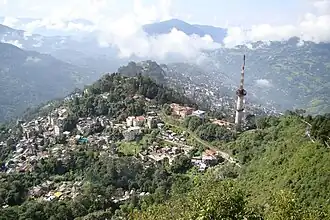
Gangtok
Gangtok is the capital of Sikkim and the busiest town in this small H…
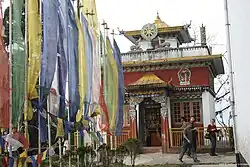
Geyzing
Geyzing — also spelled Gyalshing — is the small administrative capita…
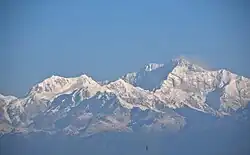
Khangchendzonga National Park
Khangchendzonga National Park is a vast high-mountain protected area…
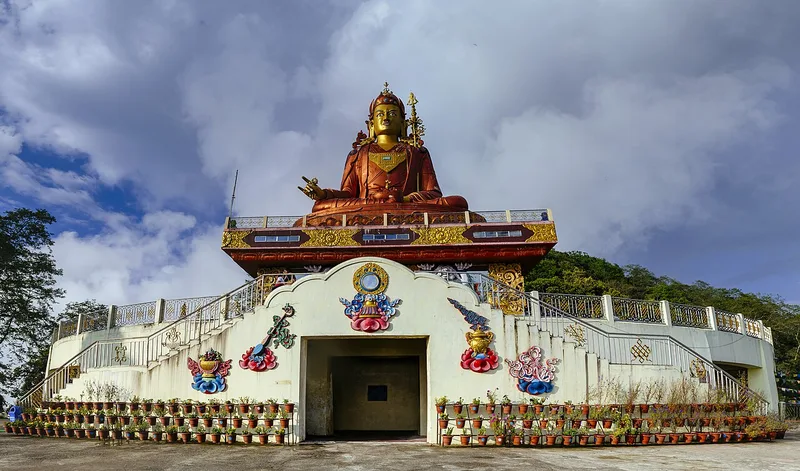
Namchi
Namchi is the capital of South Sikkim, a tidy hill town that resemble…
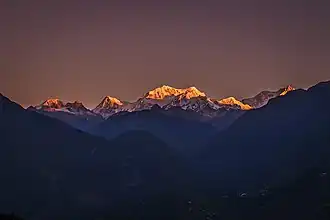
Pelling
Pelling is a small town in West Sikkim famed above all for its magnif…
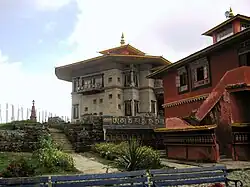
Ravangla
Ravangla (also spelled Rabongla or Ravongla) is a small, picturesque…
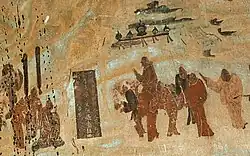
Silk Route
The Silk Route of Sikkim is a scenic stretch of the ancient Tibet–Ind…
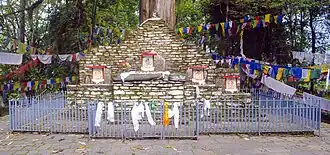
Yuksom
Yuksom is a small, tranquil village in West Sikkim, widely regarded a…
Dzongu
Dzongu is a triangular, rural region in North Sikkim, India — an offi…
Gyalshing
Gyalshing — also spelt Geyzing or Gyalzing — is the administrative he…
Jorethang
Jorethang is a small town of around 10,000 people in southern Sikkim,…
Lachen
Lachen is a high Himalayan village in North Sikkim, sitting at about…
Lachung
Lachung is a high-altitude village in North Sikkim, set at around 2,7…
Mangan
Mangan is the quiet capital and district headquarters of North Sikkim…
Rangpo
Rangpo is a border town in south-eastern Sikkim, sitting at the confl…
Rinchenpong
Rinchenpong is a quiet hill village in western Sikkim, perched at aro…
Singtam
Singtam is a commercial town in eastern Sikkim, set on the banks of t…
Zuluk
Zuluk (also spelt Dzuluk or Jhuluk) is a small high-altitude hamlet i…
Pair the highlights of Sikkim into one easy trip — we'll plan the route.
WhatsApp
Contact Us
Get in touch with us.
Get in touch
Contact Us
Tell us where you'd like to go and how you like to travel. A real Tripcuro planner — not a bot — will craft an itinerary around you.
- Personalised, hassle-free planning end-to-end
- Transparent pricing, no hidden costs
- 24/7 support for complete peace of mind