
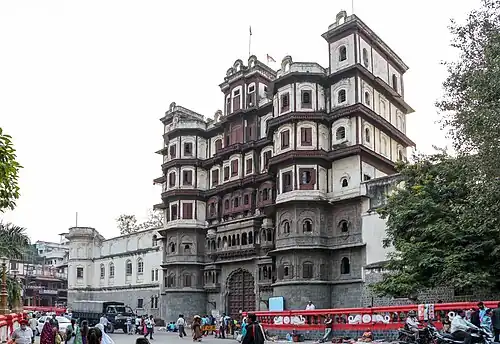
Indore
Madhya Pradesh, India
Why visit Indore?
Indore, the commercial capital of Madhya Pradesh, sits at about 553 m on the southern edge of the Malwa Plateau, straddling two small rivulets, the Saraswati and the Khan, which meet at a small 18th-century shrine of Indreshwar that gave the city its name. It is the largest city in the state and its busiest commercial hub, yet it manages to blend a fast-growing modern economy with a strongly traditional character. Indoris are known across India for their warmth and friendliness, and the city has earned national fame as the cleanest in the country, a title held year after year through determined civic effort.
The city's modern shape owes much to the Holkar dynasty, and especially to Rani Ahilyabai Holkar, one of the most revered women rulers in Indian history, who planned and built much of Indore after being widowed young. Fourteen generations of Holkars ruled for 220 years until the state joined the Indian republic in 1948. That heritage survives in palaces, cenotaphs and temples scattered through the old core around Rajwada, while newer Indore spreads out in malls, broad roads and tech-driven neighbourhoods.
Indore makes an excellent base for travellers: it is famous for its food, has a clutch of striking monuments, and the cool evening breezes of the plateau, celebrated by poets as Shab-e-Malwa, make for pleasant nights. Visit between October and March for comfortable weather; April to June are hot and dry, and July to September bring monsoon rains.
Planning Indore? Tell us your dates and we’ll tailor the trip.
Ask on WhatsAppHow do you get there?
By Plane
Devi Ahilyabai Holkar Airport (IATA: IDR), about 8 km from the city centre, is one of India's better regional airports, with free Wi-Fi and a hotel-booking service desk, and good connections to Delhi, Mumbai, Hyderabad, Bengaluru, Ahmedabad and other cities. Prepaid private taxis and app cabs run into town; the trip takes 20-30 minutes.
By Train
Indore is well connected by rail to Mumbai, Delhi, Jaipur, Agra, Ahmedabad, Bhopal, Ujjain, Gwalior, Jabalpur and many other cities. The main stations are Indore Junction, Rajendra Nagar, Laxmibai Nagar and Rau, with Indore Junction the busiest. Book reserved tickets ahead, particularly on popular long-distance routes.
By Car / Road
National highways link Indore to the rest of the country, including the Agra-Mumbai route and the Indore-Ahmedabad road. Mumbai is about 590 km and Delhi about 800 km away. Daily private buses run to Mumbai, Jaipur, Gwalior and Bhopal via operators such as Royal Travels, Hans and City Link; private coaches are more comfortable than the state service. Bhopal is roughly 190 km (3-4 hours) by good road.
Indore has an expanding transport network. AICTSL city buses and the iBus BRTS shuttle cover major corridors, and the Indore Metro began service in 2025 across the north-western part of the city. Autorickshaws are everywhere, and shared Maruti vans run cheap fixed routes. Ride-hailing apps such as Ola, Uber and Jugnoo are reliable and fairly priced for both cabs and autos; book ahead if catching a flight or train, since the city sees frequent traffic jams. For autorickshaws, agree the fare in advance. Rental cars are available on per-km or fixed-rate packages, with A/C charged extra.
What are the things to do?
Temples
- Khajrana Ganesh Temple — Indore's most-visited temple, built under Ahilyabai Holkar; believed to fulfil wishes, with the dargah of Nahar Sayed nearby.
- Annapurna Temple — a much-loved temple to the goddess of food, with a colourful ornamented entrance gateway.
- Bada Ganpati — home to one of the world's largest Ganesh idols, about 25 feet from crown to foot, built in 1875.
- Kanch Mandir — a Jain temple inlaid entirely in glass on walls, ceilings, floors and pillars; a glittering architectural marvel.
- Gomatgiri — a hilltop Jain complex 10-12 km out, with a 21-foot statue of Gomateshwar, 24 marble temples and night views over the city.
- Geeta Bhawan — a peaceful, popular temple near Palasia with idols of many deities.
Palaces & heritage
- Rajwada — the seven-storey, 200-year-old Holkar palace at the heart of the old city, blending Maratha, Mughal and French styles; its restored facade still anchors the historic core.
- Lal Bagh Palace — a grand Holkar palace begun in 1886, set in 28 hectares of grounds once famed for rose gardens.
- Chhatris — the elegant Maratha-style cenotaphs of Holkar rulers, picturesquely set on the Khan riverbank near Rajwada at Chhatri Bagh.
- Town Hall (Mahatma Gandhi Hall) — an Indo-Gothic 1904 building in Seoni stone with a four-faced clock tower, locally called Ghanta Ghar; hosts fairs and exhibitions.
Museums & nature
Central Museum — known for its fine collection of Parmar sculptures from Hinglajgarh, plus coins, arms and armour.
Sirpur Lake — a lake on the city's edge that hosts migratory birds, with scenic surroundings.
Take an evening food crawl through Sarafa Bazaar, which transforms into a legendary night street-food market after the jewellers close.
Graze the daytime food court at Chhappan Dukan ("56 Shops"), Indore's most famous snack street.
Wander the old city around Rajwada and Chhatri Bagh on foot to soak up Holkar-era architecture and bustling bazaars.
Make a day trip to Mandu (Mandav), a romantic hilltop city of palaces and lakes about 2 hours away.
Visit Maheshwar and Omkareshwar for riverside temples and ghats on the Narmada.
Climb to Gomatgiri at dusk for panoramic views of the city lights.
Planning Indore? Want these on a customised itinerary?
Ask on WhatsAppWhere to eat?
Indore is widely regarded as one of India's great food cities, with a culture that revolves around snacking from morning to midnight. The signature experience is street food: poha-jalebi for breakfast, garadu (fried yam) in winter, bhutte ka kees (spiced grated corn), sabudana khichdi, kachori, samosa and an endless parade of chaat and sweets. Most of it is vegetarian, and Indore is famously friendly to vegetarian travellers.
- Sarafa Bazaar (old city) — the iconic night food market, open late into the night with dozens of stalls; budget.
- Chhappan Dukan / 56 Dukan (New Palasia) — a curated street of 56 famous snack and sweet shops; budget to mid-range.
- Vijay Chaat House — a long-running name for Indori chaat and kachori; budget.
- Apna Sweets — a reliable chain for poha, namkeen and sweets; budget to mid-range.
- Hotel restaurants along AB Road and in the major hotels offer mid-range to upscale multi-cuisine dining for those wanting a sit-down meal.
Vegetarian options dominate; non-vegetarian and other cuisines are available mainly in hotels and brand restaurants.
Where to drink?
Indore's drinking culture is built on its snack streets: fresh sugarcane juice, kulhad milk, falooda, shikanji (spiced lemonade), lassi and the local hot specialty of saffron-spiked milk and shrikhand. Cafés have multiplied along New Palasia, Vijay Nagar and AB Road, serving coffee and dessert to a young crowd. Licensed bars and lounges in malls and hotels serve beer and spirits, though Indore is more of an eating town than a drinking one. Tap water is not safe to drink; use bottled or filtered water.
Planning Indore? We’ll book the stays and dining for you.
Ask on WhatsAppWhere to stay?
Budget
- Numerous budget hotels and guesthouses cluster around the railway station and the old city, with rooms from roughly ₹700-1,500 a night.
Mid-range
- Hotel Shreemaya (RNT Marg) — a well-regarded central business hotel; rates roughly ₹3,000-5,000.
- Hotel Surya — a reliable mid-range option close to the city centre.
Upscale / heritage
- Sayaji Hotel Indore (Vijay Nagar) — a large upscale hotel with multiple restaurants; rates roughly ₹6,000 and up.
- Radisson Blu Indore — a comfortable upmarket option on the city's outskirts; rates roughly ₹6,000 and up.
What should you buy?
Indore is a serious shopping city. The old-city bazaars around Rajwada and Sitlamata Bazaar are best for traditional textiles, bangles and the city's famous cotton cloth, while Sarafa Bazaar is the jewellery hub by day. Sapna-Sangeeta Road and MG Road are lined with national and international brand stores, and modern malls such as Treasure Island, Central Mall and C21 Mall offer air-conditioned shopping with multiplexes and food courts. Look for Maheshwari and Chanderi sarees, leather goods and the local namkeen (savoury snacks) to take home. Bargaining is normal in bazaars but fixed prices apply in malls and branded stores.
Where to go next?
- Mandu / Mandav (about 95 km, 2-2.5 hours) — a hilltop city of Afghan-era palaces, gateways and lakes.
- Maheshwar (about 90 km, 2 hours) — riverside ghats, a Holkar fort and the home of Maheshwari weaving.
- Omkareshwar (about 75 km, 2 hours) — an island Jyotirlinga temple on the Narmada River.
- Ujjain (about 55 km, 1.5 hours) — an ancient holy city with the Mahakaleshwar temple.
- Dewas (about 35 km, 1 hour) — the hilltop Devi temples of Tekri.
- Bhopal (about 190 km, 3-4 hours) — the state capital, with lakes, mosques and museums.
Nearby in Madhya Pradesh
More places to explore around Indore.
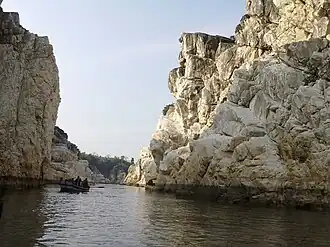
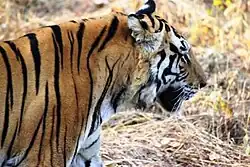
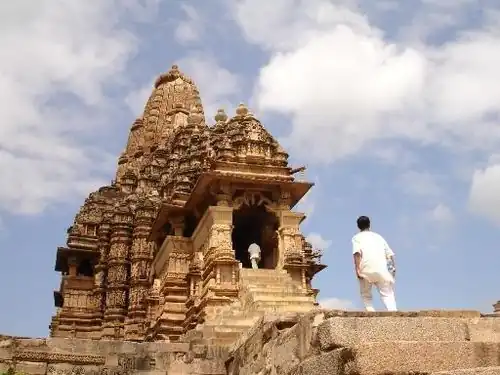
Guide content as of May 2026. Portions adapted from Wikivoyage, CC BY-SA 4.0.

Contact Us
Get in touch with us.
Get in touch
Contact Us
Tell us where you'd like to go and how you like to travel. A real Tripcuro planner — not a bot — will craft an itinerary around you.
- Personalised, hassle-free planning end-to-end
- Transparent pricing, no hidden costs
- 24/7 support for complete peace of mind