
Bandipur National Park
Karnātaka, India
Why visit Bandipur National Park?
Bandipur National Park, in the Chamarajanagar district of southern Karnataka, is one of India's premier tiger reserves and a flagship of Project Tiger. Once the private hunting reserve of the Maharajas of Mysore, it now protects nearly 900 sq km of deciduous forest, scrub and grassland in the foothills of the Western Ghats. Together with the adjoining Nagarhole, Mudumalai (Tamil Nadu) and Wayanad (Kerala) reserves, it forms part of the Nilgiri Biosphere — one of the largest protected wildlife landscapes in southern India and a stronghold for tigers and Asian elephants.
The park is home to tigers, leopards, elephants, gaur (Indian bison), dhole (wild dog), sloth bears, spotted deer, sambar and a rich birdlife. The best time to visit is roughly October to May; the dry months (February to May) bring animals to waterholes and improve sightings, while the monsoon (June to September) turns the forest lush but limits visibility and may restrict safaris. Note that the Bandipur road observes a night-traffic ban to protect wildlife.
Planning Bandipur National Park? Tell us your dates and we’ll tailor the trip.
Ask on WhatsAppHow do you get there?
By Plane
The nearest airports are Mysore (MYQ, about 80 km, limited flights) and Bangalore (BLR, about 220 km) with the widest service. Continue to Bandipur by road.
By Train
There is no railway at the park. The nearest major railhead is Mysuru Junction (about 80 km); from Mysore, continue by road via Gundlupet. Some visitors use the Nanjangud or Chamarajanagar stations.
By Car / Road
Bandipur lies on the Mysore–Ooty highway (NH766), about 80 km from Mysore (about 2 hours) and 220 km from Bangalore (about 5–6 hours). KSRTC buses on the Mysore–Ooty/Wayanad routes pass through; most visitors come by car or as part of a resort transfer. Remember the night-traffic ban (roughly 9PM–6AM) on the highway through the reserve.
Within the reserve, private vehicles are not allowed off the highway; wildlife viewing is done on official Forest Department jeep and bus safaris booked at the park, or on safaris arranged by resorts and the government Jungle Lodges. Outside the core, a car or resort transport is needed, as the area is rural and spread out. There is no public local transport for sightseeing inside the park.
What are the things to do?
- Tiger and leopard — Bandipur is a key tiger reserve, though sightings of big cats require patience and luck.
- Asian elephants — frequently seen, especially near waterholes and grasslands in the dry season.
- Gaur, dhole and deer — herds of gaur, packs of wild dogs, spotted and sambar deer are commonly spotted.
- Birdlife — peafowl, hornbills, eagles and many forest species.
- The forest landscape itself — teak and rosewood woodland, bamboo and open grassland in the Nilgiri foothills.
The main activity is the wildlife safari — morning and afternoon jeep or canter safaris run by the Forest Department, the best chance to see tigers, elephants and other wildlife. Guided nature walks, birdwatching and stays at eco-lodges round out the experience. The surrounding area offers scenic drives toward Ooty and Wayanad and visits to nearby Himavad Gopalaswamy Betta hill and temple, which gives fine views over the reserve.
Planning Bandipur National Park? Want these on a customised itinerary?
Ask on WhatsAppWhere to eat?
Dining is mostly at the lodges and resorts, which serve set meals; options inside the reserve are limited.
- Resort and Jungle Lodges dining — buffet-style Indian meals included with most stays (mid–upscale).
- Gundlupet town eateries — simple South Indian "meals" and tiffin on the highway (budget).
Carry snacks and water for long safari and travel stretches; most lodges cater to vegetarians and can arrange non-veg with notice.
Where to drink?
Bottled water, tea, coffee and soft drinks are available at lodges and town eateries. Tender-coconut and juice vendors operate along the highway. Alcohol service is limited to some resorts; the reserve area is otherwise low-key. Carry bottled water for safaris.
Planning Bandipur National Park? We’ll book the stays and dining for you.
Ask on WhatsAppWhere to stay?
- Budget: simple guesthouses and lodges in Gundlupet and along the highway offer rooms from around ₹1,200–2,500.
- Mid-range: the government Jungle Lodges & Resorts (Bandipur Safari Lodge) and similar eco-resorts run roughly ₹4,000–8,000, often including meals and safaris.
- Upscale: premium wildlife resorts on the park's fringes (such as the Serai and other luxury lodges) offer high-end stays typically from around ₹12,000 upward.
What should you buy?
There is no shopping to speak of inside the reserve. The nearest towns of Gundlupet and Chamarajanagar have basic markets and local produce; resorts may sell a few craft souvenirs. Stock up on essentials in Mysore before arriving.
Where to go next?
- Nagarhole National Park (adjoining, about 90 km by road) — another tiger-and-elephant reserve.
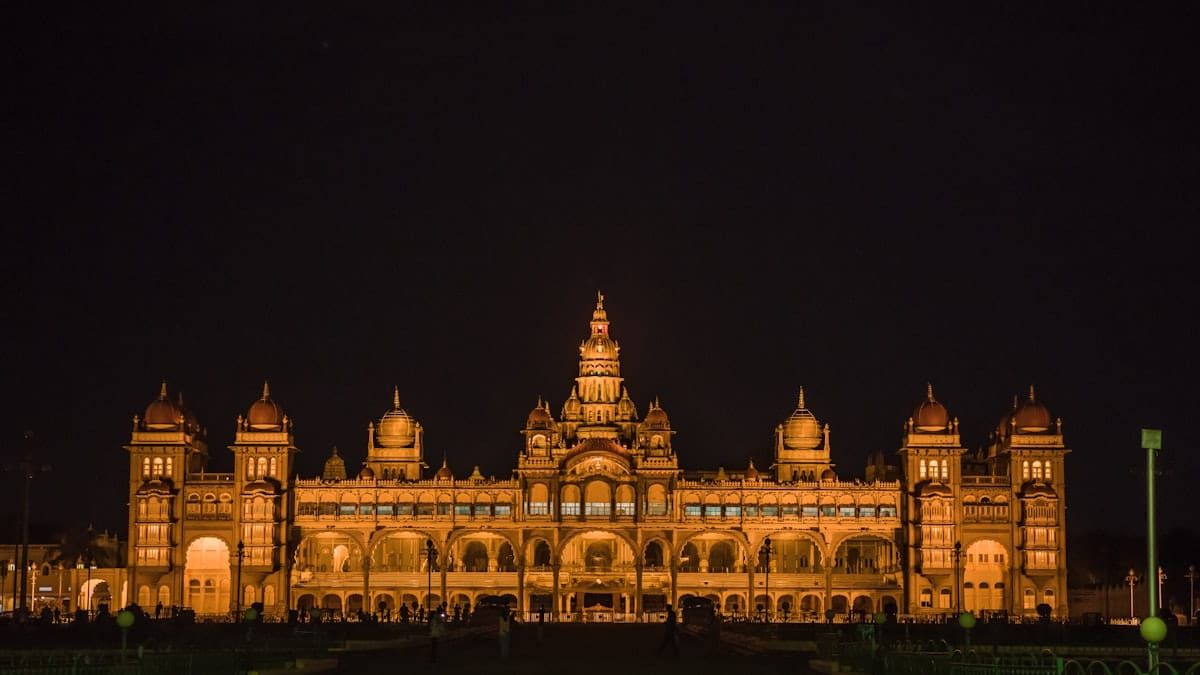
- Mysore (about 80 km) — palaces and markets.
- Ooty (about 80 km, in Tamil Nadu) — a Nilgiri hill station.
- Wayanad (about 100 km, in Kerala) — adjoining forest and hill country.
- Himavad Gopalaswamy Betta (about 30 km) — a hilltop temple with views over the reserve.
Sample itinerary
Bandipur National Park features in a real Tripcuro trip — see the full day-by-day plan.
Nearby in Karnātaka
More places to explore around Bandipur National Park.
Guide content as of June 2026. Portions adapted from Wikivoyage, CC BY-SA 4.0.

Contact Us
Get in touch with us.
Get in touch
Contact Us
Tell us where you'd like to go and how you like to travel. A real Tripcuro planner — not a bot — will craft an itinerary around you.
- Personalised, hassle-free planning end-to-end
- Transparent pricing, no hidden costs
- 24/7 support for complete peace of mind