
Goa
India · State · 22 destinations with guides
Photography coming soonOverview
Goa is India's smallest state, a 3,700 km² sliver of the Konkan coast that punches far above its size in cultural distinctiveness. Ruled by Portugal from 1510 to 1961 — far longer than the rest of India spent under any single European power — Goa absorbed 451 years of Lusitanian influence into a deeply Indian setting. The result is a place that looks, sounds and tastes different from anywhere else in the country: whitewashed baroque churches share skylines with Hindu temples, Konkani mingles with surviving Portuguese, and a population that is roughly two-thirds Hindu and a quarter Catholic coexists with a reputation as one of India's most peaceful states.
For travellers, Goa divides less by its two administrative districts (North and South) than by geography. The central coastal belt holds the beaches — and within that, the north is the loud half (Baga, Calangute, Anjuna: markets, water sports, nightlife) while the south is the quiet half (Palolem, Agonda: white sand, slower days). Inland lies the "hinterland," a greener, more Hindu landscape of spice plantations, mining country, protected forest and the rising Western Ghats, where waterfalls like Dudhsagar tumble through the trees.
What truly defines Goa, locals will tell you, is its villages — nearly 350 of them, each with its own character, neat and walkable in a way the crowded "cities" rarely are. Even Panaji, the scenic capital, is really a small town. Goa draws an estimated 2.5 million visitors a year, including some 400,000 from abroad, yet its charm still lives in the aimless evening ride through a village no guidebook names.
When to Visit
The clear best window is mid-November to mid-February, when the weather is dry, comfortable and pleasant — warm sunny days, cooler evenings, and the sea at its calmest. This is also peak season: prices climb sharply around Christmas and New Year, and beach-shack and hotel bookings should be made well ahead.
March to May is hot and increasingly humid, with the coast still usable but the hinterland uncomfortable. The southwest monsoon arrives around June and runs through September, bringing heavy rain that turns Goa intensely green, swells the waterfalls and shutters many beach shacks and water-sports operators — a quieter, cheaper, atmospheric time if you don't mind the wet.
Festival timing matters. The Goa Carnival, a Portuguese-rooted street festival of parades and floats, is held just before Lent (February). Ganesh Chaturthi (the Hindu festival known locally as Chavath, around August/September) and the December Feast of St Francis Xavier in Old Goa both draw large crowds. During Carnival and Ganesh Chaturthi especially, book transport and rooms well in advance.
Tell us your dates and we'll shape a Goa route around them.
WhatsAppGetting Around
Goa is compact — you can drive from the northern tip to the southern border in roughly three hours — which makes self-guided travel easy.
Buses run frequently between the main hubs. Panaji to Mapusa is about 13 km; Panaji to Margao roughly 30 km; Margao to the southern beaches of Palolem/Canacona around 35–40 km. State and private buses connect these towns cheaply, though they can be crowded and stop often.
For door-to-door travel, hired cars and taxis are the norm; airport prepaid taxi counters and app-based services operate, and tourist taxis can be booked by the day. Many visitors rent a scooter or motorcycle, by far the most flexible way to explore the village lanes and reach quieter beaches — carry your licence and wear a helmet.
Rail is useful for longer hops: the Konkan Railway runs the length of the state, with Madgaon (Margao) the principal station and Thivim and Karmali also handy for the north and centre. The same line serves the spectacular ride past Dudhsagar Falls. Vasco da Gama has its own station near Mormugao port and the airport.
Top Destinations
- Panaji (Panjim) — the riverside state capital; visit the Latin quarter of Fontainhas and the Goa State Museum.
- Mapusa — busy North Goa market town, best known for its lively Friday bazaar.
- Margao — Goa's second city and its commercial and cultural capital in the south.
- Old Goa — the former colonial capital, now a UNESCO-listed ensemble of 16th-century churches, convents and monuments.
- Vasco da Gama — port town near the airport; home of the Naval Aviation Museum and its vintage aircraft.
- The Garça Branca Ayurvedic Botanical Garden, Loutolim — a tranquil garden retreat in the South Goa interior. > TODO: confirm current visitor access and hours.
- Karai Garden, Shiroda — a quiet garden in the eastern interior near the village of Shiroda. > TODO: confirm visitor details.
- Mollem National Park — Goa's largest protected area; rich forest wildlife plus the Tambdi Surla temple and Tambdi (Dudhsagar-area) falls.
Want the scenic legs and stays booked for you? Just ask.
WhatsAppCuisine
Goa's staple is fish, curry and rice — fresh seafood is the heart of nearly every menu. The signature everyday dish is "fish curry rice": a tangy, coconut-based curry sharpened with tamarind or kokum, served over rice. Coastal kitchens turn out prawn and kingfish preparations, crab xec xec, clams (tisreo), and the fiery, vinegar-spiked pork vindaloo and sausage-like chouriço that survive from the Portuguese kitchen.
Distinctively Goan dishes worth seeking out include xacuti (a complex roasted-spice curry, often chicken or lamb), sorpotel, cafreal (a green-marinated chicken), and the layered sweet bebinca. Local breads such as the soft poee accompany meals. Kokum sherbet and the cashew-based spirit feni are the regional drinks.
The classic place to eat is a beachside shack in season — informal, fresh-off-the-boat seafood with your feet near the sand. Inland, family-run taverns and village eateries serve more traditional home-style Goan food. Vegetarians are reasonably well served thanks to Goa's large Hindu population, with Konkani vegetable and lentil dishes widely available, though seafood dominates the tourist belt.
Culture & Festivals
Goan culture is a genuine blend of its Hindu and Catholic populations, easygoing in temperament — the Portuguese word sossegado (laid-back) is still used to describe the local rhythm. Better air and rail links have brought settlers from neighbouring states, adding further layers.
The standout event is the Goa Carnival (February, just before Lent) — three or four days of costumed parades, floats and street music, a direct inheritance of Portuguese tradition and found nowhere else in India on this scale. Ganesh Chaturthi / Chavath (around August–September) is the major Hindu festival, celebrated intensely in homes and villages. The Feast of St Francis Xavier at Old Goa (early December) is a significant Catholic pilgrimage. Christmas and New Year transform the coast into a festive, crowded high point, while Hindu festivals such as Shigmo (a spring festival with folk processions), Diwali, Holi and Mahashivratri are widely observed.
Goa also has an outsized arts scene for its size: government museums in Panaji (Goa State Museum, Kala Academy), Christian religious art at Old Goa, the Goa Chitra ethnographic museum at Benaulim, and Gerard da Cunha's "Houses of Goa" architecture museum. Artists and designers have long made Goa a creative base, and contemporary galleries dot villages like Candolim and Assagao. Crafts include traditional pottery, terracotta and azulejo-style hand-painted tiles.
Travelling during a festival? We'll plan around the crowds.
WhatsAppNotable Experiences
- Dudhsagar Falls — ride the Konkan Railway past, or trek/jeep to, one of India's tallest waterfalls, thunderous and milky-white in the post-monsoon months.
- The Old Goa church circuit — walk between the Basilica of Bom Jesus, the Se Cathedral and the surrounding convents, a UNESCO-listed concentration of colonial baroque.
- Fontainhas heritage walk — wander the narrow, ochre-and-blue Latin quarter of Panaji, the best-preserved Portuguese-era streetscape in India.
- Wildlife in the hinterland — explore Mollem National Park and the Bhagwan Mahaveer Sanctuary, Goa's largest protected forest, home to mammals, birds, butterflies and the ancient Tambdi Surla temple.
- A spice plantation visit — tour a working plantation in the Ponda interior to see cardamom, pepper, vanilla and cashew, usually paired with a traditional Goan lunch.
Top Destinations
Every destination in Goa with a guide — tap a place for the full guide.
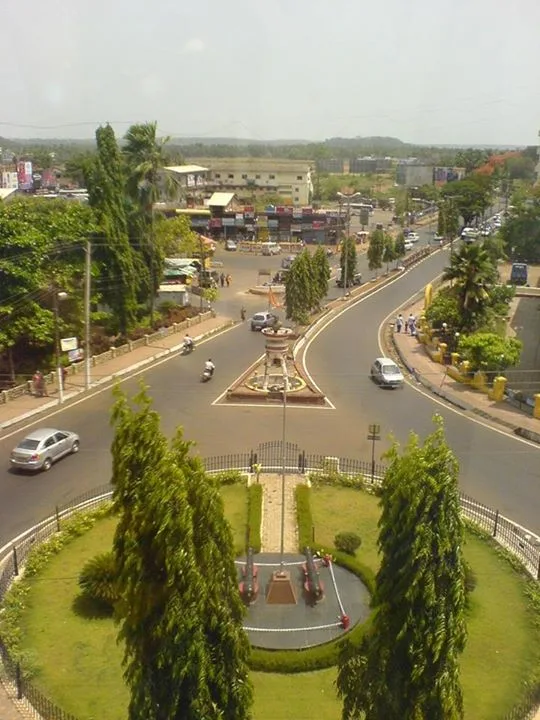
Mapusa
Mapusa is a busy market town in the Bardez taluka of North Goa, and t…
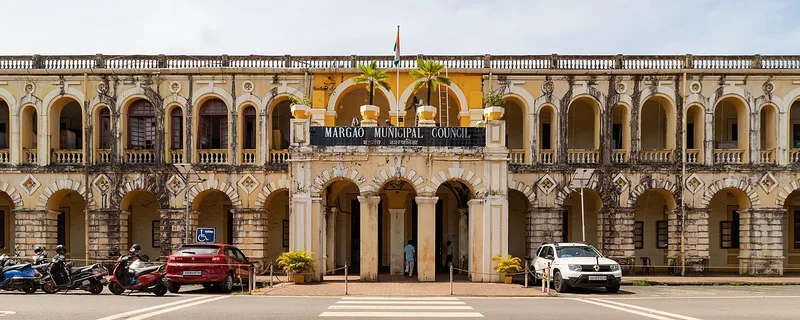
Margao
Margao (Madgaon to the Indian Railways, Madgao or Modgannv in Konkani…
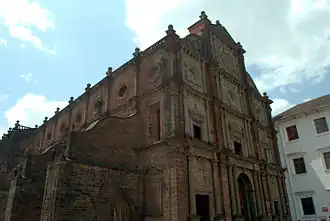
Old Goa
Old Goa lies about 9 km east of Panaji, on the south bank of the Mand…
Panaji
Panaji (also spelt Panjim) is the capital of Goa, India's smallest st…
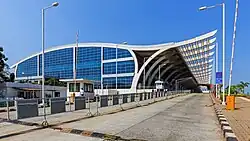
Vasco da Gama
Vasco da Gama — known locally simply as "Vasco" — is South Goa's larg…
Agonda
Agonda is a beach village in the southernmost Canacona taluka of Goa…
Anjuna
Anjuna is a beach village on the coast of North Goa, in Bardez taluka…
Arambol
Arambol is a village near the northern tip of North Goa, in Pernem ta…
Baga
Baga is a beach town on the west coast of North Goa, blending almost…
Benaulim
Benaulim is a coastal village of around 13,000 people in South Goa's…
Bicholim
Bicholim (Konkani: Dicholi) is a town and taluka headquarters in Nort…
Calangute
Calangute is the busiest and most famous beach town on Goa's northern…
Canacona
Canacona is a taluka and town in the extreme south of Goa, in the Sou…
Candolim
Candolim is a coastal village in North Goa, lying just south of the f…
Colva
Colva is a beach town in South Goa's Salcete taluka, about 8 km west…
Karai Garden
Karai Garden is a small landscaped garden in Goa, one of the many mod…
Mollem National Park
Mollem National Park is the green heart of Goa's interior — a swathe…
Mormugao
Mormugao (also spelt Marmagoa or Murmugao) is a taluka and peninsula…
Palolem
Palolem is a village near the southern end of Goa, in Canacona taluka…
Ponda
Ponda (called Phonda in Konkani) sits at the green geographic heart o…
Shiroda
Shiroda sits in the paddy-rich heartland of South Goa, roughly 25–30…
Vagator
Vagator is a beach village in North Goa, adjoining the famous Anjuna…
Pair the highlights of Goa into one easy trip — we'll plan the route.
WhatsApp
Contact Us
Get in touch with us.
Get in touch
Contact Us
Tell us where you'd like to go and how you like to travel. A real Tripcuro planner — not a bot — will craft an itinerary around you.
- Personalised, hassle-free planning end-to-end
- Transparent pricing, no hidden costs
- 24/7 support for complete peace of mind