
Bayern
Germany · Land · 25 destinations with guides
Photography coming soonWhy visit?
Bayern (Bavaria) is Germany's largest federal state, spanning 70,540 km² with 13.2 million inhabitants in the southeast of the country. It stretches from the rolling middle-German hills in the north to the dramatic peaks of the Alps along the Austrian border, encompassing an extraordinary range of landscapes — from the dense forests of the Bavarian Wald to the shores of the Bodensee (Lake Constance), from the vineyards of Franconia to the glacier-carved valleys around Garmisch-Partenkirchen. Bavaria is consistently one of Germany's most visited states, drawing travellers with its fairy-tale castles, world-class beer culture, and deeply rooted folk traditions.
The state is culturally divided into three distinct regions: Old Bavaria (Altbayern) in the south and east, Franconia (Franken) in the north, and Bavarian Swabia (Schwaben) in the west. Old Bavaria is the land of Lederhosen, Oktoberfest, and the BMW headquarters in Munich — a region where Catholic traditions and Alpine culture remain strong. Franconia, only absorbed by Bavaria during the Napoleonic era, has its own identity, dialect, and culinary traditions, centred on historic cities like Nuremberg, Bamberg, and Würzburg. Swabia blends Renaissance heritage with Alpine foothills, anchored by Augsburg, one of Germany's oldest cities.
Contemporary Bavaria is a powerhouse of innovation and industry. Munich is a global centre for technology, automotive engineering, and finance, home to BMW, Siemens, and Allianz. Yet the state's rural heart endures — village festivals, family-run breweries, and Alpine farming traditions coexist with cosmopolitan city life, creating the distinctive blend locals call the "Münchner Mischung."
When is the best time to visit?
The best time to visit Bavaria depends on your interests. Summer (June through September) is ideal for Alpine hiking, lakeside activities, and exploring cities, with temperatures ranging from 20–28°C in the lowlands and cooler conditions at altitude. This is peak tourist season, and popular destinations like Neuschwanstein, Munich, and Rothenburg ob der Tauber are crowded, especially in July and August.
Spring (April–May) and autumn (September–October) offer fewer crowds and pleasant weather. Spring brings wildflower meadows to the Alpine foothills, while autumn is spectacular for foliage along the Danube and in Franconia's vineyards — and it's the season of Oktoberfest and harvest festivals. Winter (December–March) transforms Bavaria into a Christmas market wonderland and a skiing paradise, with world-class resorts in Garmisch-Partenkirchen and Berchtesgaden.
Key festivals include Oktoberfest in Munich (late September–early October), the Bayreuth Wagner Festival (July–August), the Landshuter Hochzeit (Landshut Wedding, held every four years in June–July), and Nuremberg's Christkindlesmarkt (late November–December), one of the oldest and most famous Christmas markets in the world.
Tell us your dates and we'll shape a Bayern route around them.
WhatsAppHow do you get around?
Munich Airport (MUC) is the main international gateway, the sixth busiest in Europe, with connections worldwide via Lufthansa, Star Alliance partners, and budget carriers. Nuremberg Airport offers some European routes, and Frankfurt Airport (FRA) is well connected to Bavaria by ICE high-speed train — about 2 hours from Frankfurt to Munich.
Bavaria's rail network, operated by Deutsche Bahn, is extensive and efficient. The ICE connects Munich to Nuremberg (about 1 hour), Augsburg (30 minutes), and Würzburg (about 2 hours). Regional trains reach smaller towns, and the Bayern-Ticket offers unlimited regional travel for about €29 for the first person and small supplements for additional passengers — valid weekdays from 9AM to 3AM the following day, and all day on weekends and holidays.
For the Alps, rural Franconia, and the Bavarian Forest, a rental car provides the most flexibility. The Autobahn network is excellent, though traffic around Munich can be heavy. Local bus networks serve mountain villages, and some areas have scenic narrow-gauge railways. The Deutsche Alpenstraße (German Alpine Road) is one of Germany's most scenic driving routes, running along the Austrian border from Lindau to Berchtesgaden.
Where should you go?
- München (Munich) — the Bavarian capital, famous for Oktoberfest, the Englischer Garten, world-class museums like the Alte Pinakothek, and the vibrant "Münchner Mischung" of traditional beer halls and cutting-edge tech culture
- Nürnberg (Nuremberg) — a city of profound historical significance, with a massive medieval castle, the Nazi Party Rally Grounds, the Nuremberg Trials courtroom, and Germany's most famous Christmas market
- Regensburg — a beautifully preserved medieval city on the Danube, its old town a UNESCO World Heritage site with a 12th-century stone bridge and Gothic cathedral
- Würzburg — a Franconian wine capital with the UNESCO-listed Residenz palace, its magnificent Baroque fresco by Tiepolo, and terraced vineyards climbing above the Main river
- Bamberg — a UNESCO World Heritage old town built on seven hills, famous for its smoked beer (Rauchbier), half-timbered houses, and the Altes Rathaus perched over the river
- Augsburg — one of Germany's oldest cities, a former banking powerhouse with a UNESCO-listed water management system and the Fuggerei, the world's oldest social housing complex
- Bayreuth — the spiritual home of Wagnerian opera, hosting the annual Bayreuth Festspielhaus festival, and surrounded by the highest concentration of breweries in the world
- Berchtesgaden — a stunning Alpine town near the Austrian border, gateway to the Berchtesgaden National Park, the Königssee (Germany's deepest lake), and the Eagle's Nest
- Garmisch-Partenkirchen — Bavaria's premier mountain resort, sitting at the foot of the Zugspitze (Germany's highest peak), offering skiing, hiking, and spectacular Alpine scenery
- Rothenburg ob der Tauber — a perfectly preserved medieval walled town on the Romantic Road, famous for its half-timbered houses, the Käthe Wohlfahrt Christmas shop, and the medieval Crime Museum
- Füssen — a small town rich in culture and art, the gateway to Neuschwanstein Castle and Hohenschwangau, set among Alpine lakes and mountains
- Lindau — a picturesque island town on Lake Constance, with a medieval old town, harbour entrance, and views across the lake to the Swiss and Austrian Alps
- Landshut — a striking medieval city known for the Landshuter Hochzeit, a quadrennial historical re-enactment of a 1476 wedding, featuring thousands of costumed participants
- Passau — the "City of Three Rivers" at the confluence of the Danube, Inn, and Ilz, with a magnificent Baroque old town and Europe's largest pipe organ in St. Stephen's Cathedral
- Ingolstadt — a historic city on the Danube, home to the Audi Forum and the old town where the Illuminati were founded in 1776
- Kempten — one of the oldest cities in Germany, the gateway to the Allgäu region, with Roman ruins and a Baroque basilica
- Erlangen — a university city known for its Huguenot heritage, annual Bergkirchweih beer festival, and the Siemens technology campus
- Fürth — a beautifully preserved Art Nouveau town adjacent to Nuremberg, with the largest number of protected historical buildings in Bavaria per capita
- Aschaffenburg — a Main river city with a Renaissance castle (Schloss Johannisburg) and access to the Spessart forest region
- Oberammergau — a Bavarian village famous for its Passion Play, performed every ten years since 1634, and for its traditional Lüftlmalerei (painted house facades)
- Nördlingen — a perfectly circular medieval town built inside the Ries crater, a 15-million-year-old meteorite impact site, with a unique view from its church tower over the crater rim
- Dinkelsbühl — another gem of the Romantic Road, a well-preserved medieval town with colourful gabled houses and an annual Kinderzeche festival
- Bavarian Forest National Park — Germany's first national park (established 1970), protecting ancient forests along the Czech border, with hiking trails, wildlife enclosures, and the Baumwipfelpfad treetop walk
- Berchtesgaden National Park — a UNESCO Biosphere Reserve with dramatic Alpine scenery, pristine forests, and the crystal-clear Königssee accessible only by electric boat
Want the scenic legs and stays booked for you? Just ask.
WhatsAppWhat should you eat?
Bavarian cuisine is hearty, meat-centric, and deeply tied to its brewing tradition. The quintessential Bavarian meal is a Schweinshaxe (roasted pork knuckle) or Schweinebraten (roast pork) with Knödel (bread dumplings) and a Maß (litre) of beer in a traditional beer hall like Munich's Hofbräuhaus. Weißwurst (white veal sausage), eaten only before noon with sweet mustard and a Breze (pretzel), is a Munich institution with strict consumption rules.
Franconian cuisine differs from Altbavarian food, with specialities including Nürnberger Bratwurst (tiny grilled sausages), Schäufele (roasted pork shoulder), and Bamberg's distinctive Rauchbier (smoked beer), which tastes like liquid bacon. Franconia is also a significant wine region, producing excellent Silvaner and Müller-Thurgau whites along the Main river valley.
Beyond beer halls, Munich's Viktualienmarkt is an outstanding daily food market with regional produce, cheese, and prepared foods. Bavarian sweet specialities include Dampfnudeln (steamed dumplings with vanilla sauce), Auszogene (a fried pastry), and Kaiserschmarrn (shredded pancake). Vegetarian options are surprisingly good — Obatzda (a spiced cheese spread), various Knödel preparations, and mushroom dishes from the Bavarian Forest are widely available.
What is the culture like?
Oktoberfest in Munich (late September to early October) is the world's largest folk festival, attracting over six million visitors to its enormous beer tents, fairground rides, and the ceremonial tapping of the first keg. The festival is inseparable from Bavarian identity — traditional Tracht (Lederhosen for men, Dirndl for women) is widely worn, and the atmosphere blends old-world tradition with contemporary celebration.
The Bayreuth Festival (July–August) is the world's most prestigious Wagner opera event, held in the purpose-built Festspielhaus. Tickets are allocated through a lottery system with waitlists stretching years. The Nuremberg Christkindlesmarkt (late November–December) is one of Germany's oldest and most atmospheric Christmas markets, centred on the Hauptmarkt square with the famous Schöner Brunnen fountain.
Franconian cultural traditions include the Bamberker Sandkerwa (August), a riverside festival with beer and music, and the Landshuter Hochzeit (every four years), where the entire city re-enacts a medieval wedding with 2,000 costumed participants. The Oberammergau Passion Play (every ten years, next in 2030) has been performed continuously since 1634, when villagers vowed to stage it in gratitude for surviving the plague.
Travelling during a festival? We'll plan around the crowds.
WhatsAppWhat are the standout experiences?
Visiting Neuschwanstein Castle — explore Ludwig II's fairy-tale masterpiece near Füssen, perched on a rugged hilltop above the Pöllat gorge, and learn about the reclusive king whose romantic vision inspired Disney's Sleeping Beauty castle. Pair the visit with nearby Hohenschwangau Castle and the Alpine lakes.
Oktoberfest in Munich — experience the world's largest folk festival in the Theresienwiese, sharing long tables in the massive beer tents with locals and visitors from around the world, accompanied by brass bands, traditional food, and the ceremonial O'zapft is! (the keg is tapped).
Cruising the Königssee — take the electric boat across one of Germany's most pristine Alpine lakes in Berchtesgaden National Park, stopping at St. Bartholomä's pilgrimage church, where the famous echo is demonstrated with a trumpet — surrounded by sheer mountain walls rising 2,000 metres.
Driving the Deutsche Alpenstraße — follow Germany's most scenic road along the Austrian border from Lindau to Berchtesgaden, passing through Alpine meadows, past mountain lakes, and through charming villages, with detours to Garmisch-Partenkirchen and the Zugspitze summit cable car.
Exploring Nuremberg's layered history — walk from the medieval Kaiserburg castle above the old town through the Hauptmarkt (home to the Christkindlesmarkt), then visit the Nazi Party Rally Grounds and the Nuremberg Trials Memorial, tracing 800 years of German history in a single city.
Top Destinations
Every destination in Bayern with a guide — tap a place for the full guide.
Aschaffenburg
Aschaffenburg is a destination in Bayern, Germany.
Augsburg
Augsburg is one of Germany's oldest cities, founded by the Romans as…
Bamberg
Bamberg is an episcopal and imperial city in the Upper Franconia…
Bavarian Forest National Park
The Bavarian Forest National Park (Nationalpark Bayerischer Wald)…
Bayreuth
Bayreuth is a destination in Bayern, Germany.
Berchtesgaden
Berchtesgaden is an alpine market town in a mountain-ringed valley in…
Berchtesgaden National Park
Berchtesgaden National Park (Nationalpark Berchtesgaden) is one of…
Dinkelsbuhl
Dinkelsbühl is a former Imperial free city on the Bavarian stretch of…
Erlangen
Erlangen is a Franconian city just north of Nuremberg, known today as…
Furth
Fürth is a Franconian city directly adjoining Nuremberg, with which…
Fussen
Füssen is an Alpine town at the southern end of the Romantic Road…
Garmisch-Partenkirchen
Garmisch-Partenkirchen is a destination in Bayern, Germany.
Ingolstadt
Ingolstadt is a destination in Bayern, Germany.
Kempten
Kempten is the largest town in the Allgäu region of Swabian Bavaria…
Landshut
Landshut is the capital of Lower Bavaria, founded in 1204 by Duke…
Lindau
Lindau is a Bavarian town on Lake Constance (Bodensee), whose…
Munchen
Munich (München) is the capital of Bavaria and Germany's…
Nordlingen
Nördlingen is a walled Bavarian town on the Romantic Road, unique for…
Nurnberg
Nuremberg (Nürnberg) is Franconia's largest city and was once one of…
Oberammergau
Oberammergau is an Alpine village in Upper Bavaria famous worldwide…
Passau
Passau is a destination in Bayern, Germany.
Regensburg
Regensburg is one of the few German cities that survived World War II…
Rosenheim
Rosenheim is a market town in Upper Bavaria at the confluence of the…
Rothenburg ob der Tauber
Rothenburg ob der Tauber is a small medieval walled town in Middle…
Wurzburg
Würzburg is a Franconian city on the river Main, at the heart of a…
Sample itinerary
See how a trip to Bayern comes together — a real Tripcuro plan, day by day.
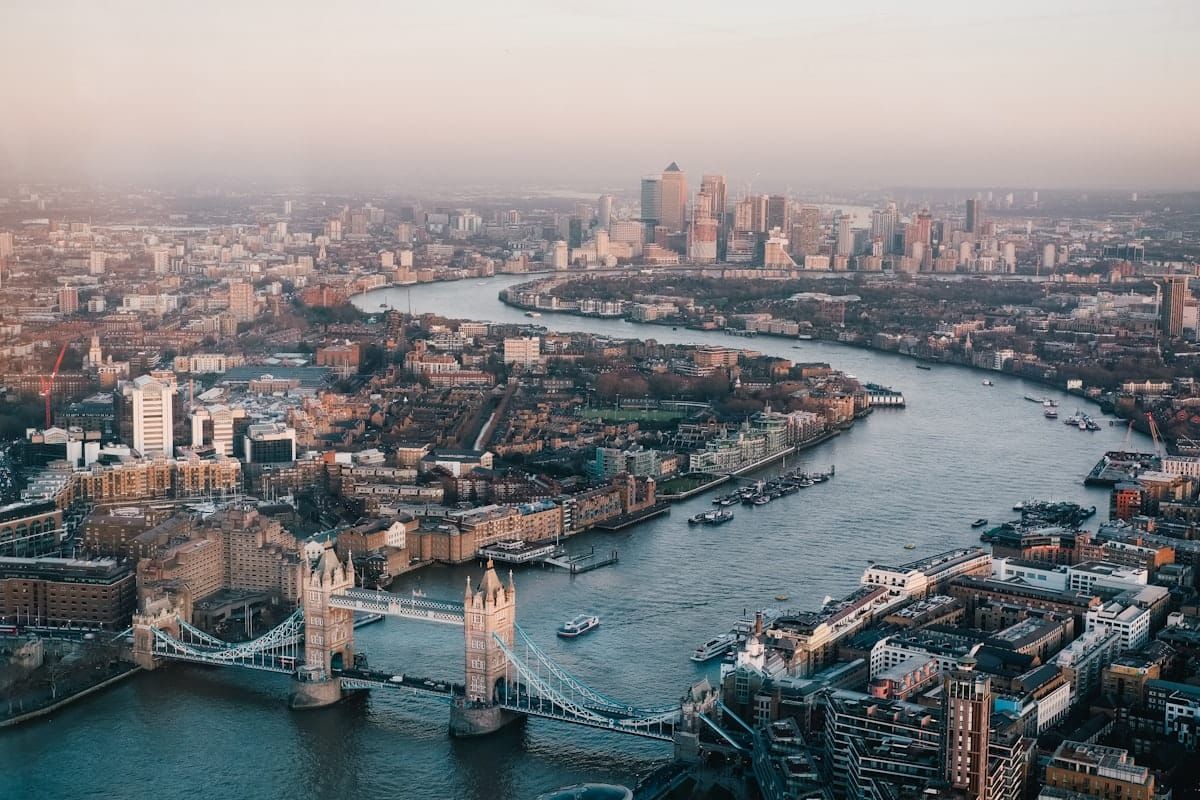
London to Rome: The Grand European Rail Tour
16 Nights · United Kingdom · France · Switzerland · Germany · Italy · Couple
A classic 16-night European grand tour by train: royal London, romantic Paris, the snow-capped Swiss Alps, Rhineland Cologne, Bavarian Munich and ancient Rome — linked seamlessly by Eurostar and rail passes.
Highlights: Eurostar under the Channel from London to Paris · Jungfraujoch — Europe's highest railway station at 3,454 m · Golden Round Trip up Mount Pilatus above Lake Lucerne · Neuschwanstein Castle day trip from Munich · Skip-the-line Colosseum, Roman Forum and Vatican · Seine cruise and Eiffel Tower summit by night
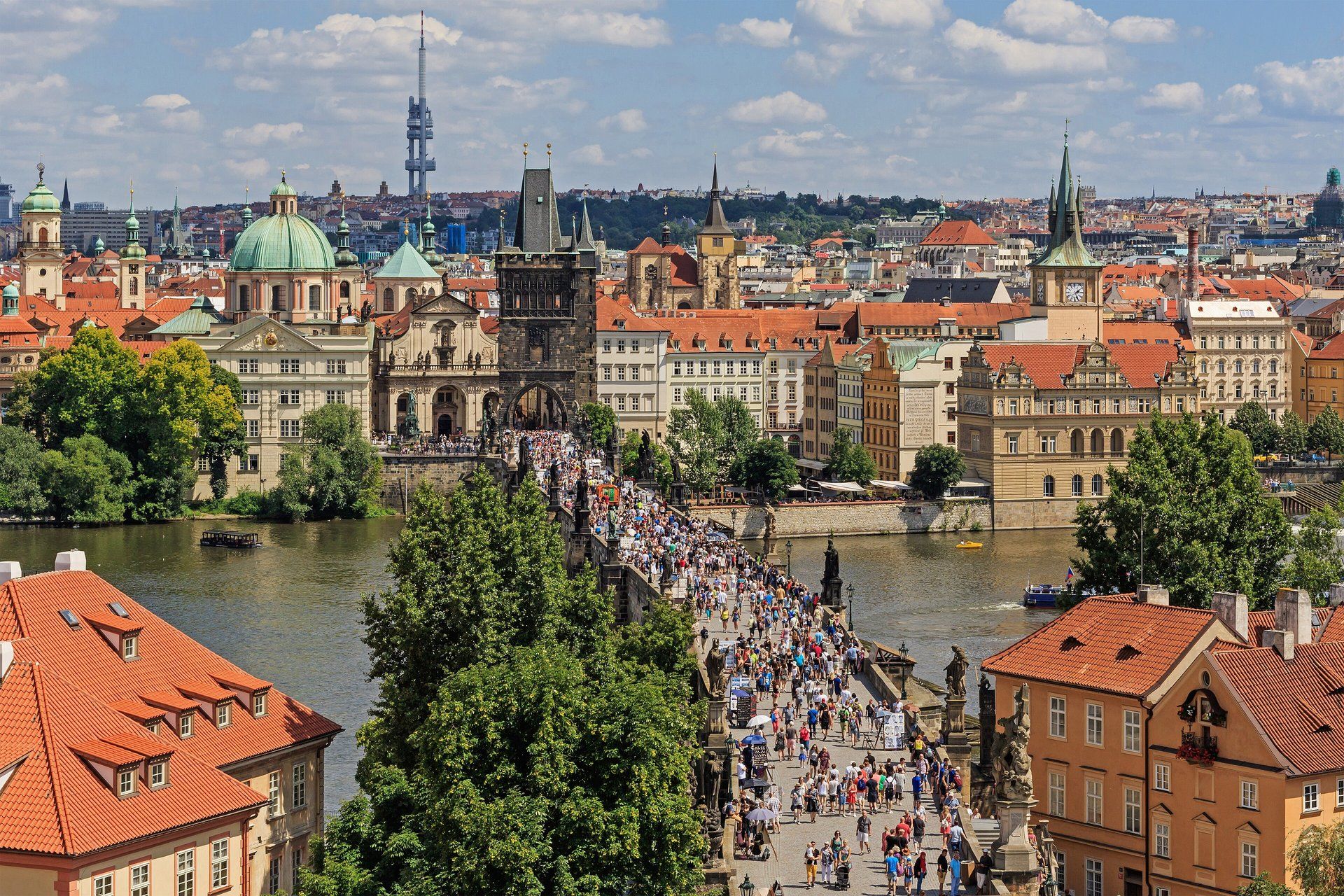
Austria, Czechia & Bavaria Family Rail Circuit
10 Nights · Austria · Czechia · Germany · Family · 2 adults + 1 child (7)
A clean, backtrack-free rail line across Central Europe from Vienna to Munich, packed with theme parks and zoos for a seven-year-old. Vienna's Prater and world-oldest zoo, Salzburg's trick fountains, Prague's castle and the Playmobil FunPark near Nuremberg lead to a Bavarian finale in Munich.
Highlights: Schönbrunn Palace and Tiergarten, the world's oldest zoo, plus the Prater in Vienna · Hellbrunn Trick Fountains and Hohensalzburg Fortress in Salzburg · Prague Old Town, the Astronomical Clock and Prague Castle · Playmobil FunPark at Zirndorf near Nuremberg — a category-killer for age seven · Nuremberg's Imperial Castle and Toy Museum · Munich's Deutsches Museum, Marienplatz Glockenspiel and Englischer Garten
Pair the highlights of Bayern into one easy trip — we'll plan the route.
WhatsApp
Contact Us
Get in touch with us.
Get in touch
Contact Us
Tell us where you'd like to go and how you like to travel. A real Tripcuro planner — not a bot — will craft an itinerary around you.
- Personalised, hassle-free planning end-to-end
- Transparent pricing, no hidden costs
- 24/7 support for complete peace of mind