
Kaoh Kong
Cambodia · Province · 9 destinations with guides
Photography coming soonWhy visit?
Kaoh Kong (also written Koh Kong) is Cambodia's southwestern frontier province, stretching from the Gulf of Thailand coast to the densely forested Cardamom Mountains. It is one of the country's largest and least developed provinces, a rugged landscape of mangrove-lined estuaries, pristine beaches, and some of the last significant tracts of lowland and montane rainforest in mainland Southeast Asia. The provincial capital, Koh Kong town, sits on the Kah Bpow River just across the water from the Thai border at Cham Yeam.
The province is a magnet for ecotourism. Botum Sakor National Park protects vast coastal forests and mangroves teeming with wildlife, while the Central Cardamom Mountains National Park shelters elephants, tigers, gibbons, and clouded leopards in one of the region's most biodiverse areas. Offshore, the Koh Sdach archipelago and other islands offer coral reefs, secluded beaches, and world-class diving. For travellers seeking Cambodia's wild side away from the temples and tourist trail, Kaoh Kong delivers an unmatched wilderness experience.
When is the best time to visit?
The dry season from November to April is the best time to explore: roads are passable, seas are calm for island trips, and wildlife viewing in the national parks is at its peak. December through February offers the most comfortable temperatures. The wet season (May–October) brings heavy monsoon rains that can close mountain tracks and rough seas that limit boat access to islands, but the Cardamom waterfalls are spectacular and the forests are at their lushest. The Sea Festival (when hosted on the southwest coast, typically December) draws visitors to Koh Kong's beaches.
Tell us your dates and we'll shape a Kaoh Kong route around them.
WhatsAppHow do you get around?
National Route 48 connects Koh Kong town to Sihanoukville (about 220 km, 4–5 hours by bus) via a scenic route through the Cardamom foothills. The Cham Yeam border crossing with Thailand is just 10 km from Koh Kong town. Minivans and shared taxis run daily between the provincial capital and Phnom Penh (roughly 290 km via Route 48 and Route 4, 6–7 hours). Within the province, roads are limited and often unpaved; a 4x4 or motorbike is essential for reaching remote areas of Botum Sakor and the Cardamom Mountains. Boat transport is necessary for island destinations and coastal communities in Botum Sakor district.
Where should you go?
- Koh Kong — the provincial capital on the Kah Bpow River, gateway to the Thai border and Cardamom Mountains
- Botum Sakor — coastal district with mangrove forests, fishing villages, and access to offshore islands
- Kiri Sakor — coastal area with beaches and ecotourism projects near the national park
- Mondol Seima — district bordering the Cardamom Mountains with community forestry projects
- Srae Ambel — inland town on the route between the coast and the mountains
- Thma Bang — remote district in the heart of the Cardamom Mountains
- Botum Sakor National Park — Cambodia's largest coastal national park, protecting mangroves, forests, and endangered wildlife
- Central Cardamom Mountains National Park — vast wilderness of montane rainforest sheltering elephants, tigers, and gibbons
Want the scenic legs and stays booked for you? Just ask.
WhatsAppWhat should you eat?
Seafood dominates Koh Kong's tables, reflecting its coastal position. Fresh crab, prawns, squid, and reef fish are grilled or prepared in Khmer curries at riverside stalls and beachside restaurants. Kampot pepper, sourced from the neighbouring province, seasons most dishes. Prahok (fermented fish paste) and tuk trey (fish sauce) are fundamental condiments. The riverside market in Koh Kong town serves inexpensive noodle soups and rice dishes. At more remote coastal settlements, meals are simple but fresh — grilled fish with rice, morning glory stir-fried with garlic, and coconut-based soups. Specialties include charcoal-grilled crab and steamed clams with lemongrass.
What is the culture like?
Kaoh Kong's population includes Khmer, Cham, Thai, and indigenous communities such as the Chong and Por, each with distinct traditions. The Chong people of the Cardamom Mountains maintain animist beliefs alongside Buddhism and are known for their basket-weaving and forest knowledge. Theravada Buddhism is central to provincial life; the annual Bon Om Touk (Water Festival, November) is celebrated with boat races on the Kah Bpow River. Khmer New Year (April) and Pchum Ben (September–October) bring temple ceremonies and family gatherings. The Sea Festival, when hosted locally, showcases coastal culture, fishing traditions, and seafood feasts.
Travelling during a festival? We'll plan around the crowds.
WhatsAppWhat are the standout experiences?
- Botum Sakor National Park safari — explore coastal mangrove forests and lowland rainforest by boat and 4x4, spotting monkeys, hornbills, and rare wildlife.
- Cardamom Mountains trek — hike through dense montane forest with indigenous guides to remote waterfalls and wildlife-rich valleys.
- Island hopping off Kiri Sakor — take a boat trip to the Koh Sdach archipelago for snorkelling, diving, and secluded beach camping.
- Kah Bpow River sunset cruise — float down the river from Koh Kong town through mangrove channels as the sun sets over the Gulf of Thailand.
- Cham Yeam border crossing and Thai markets — walk across to the Thai side at Hat Lek for border market shopping and a different cultural perspective on the same coastline.
Top Destinations
Every destination in Kaoh Kong with a guide — tap a place for the full guide.
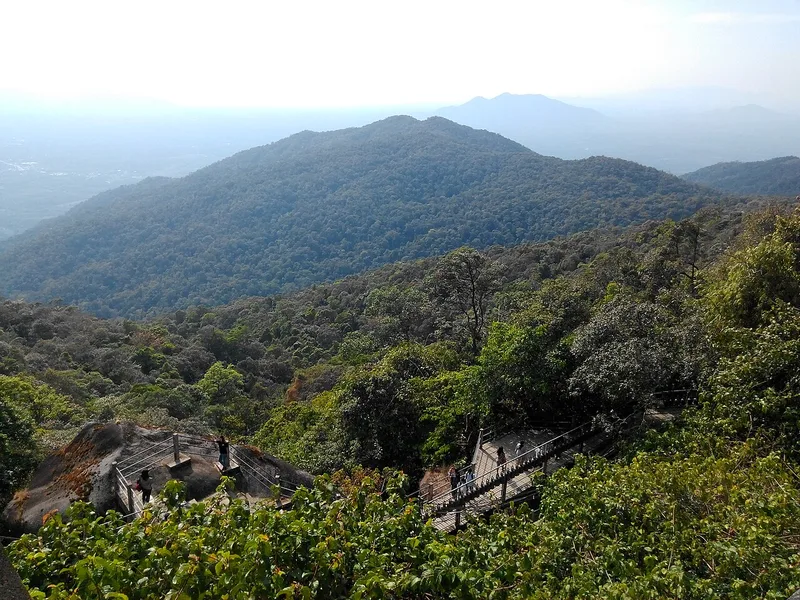
Cardamom Mountains
The Cardamom Mountains (Phnom Krâvanh) sweep across southwest…
Koh Kong
Koh Kong, officially Krong Khemarak Phoumin, is the small provincial…
Botum Sakor
Botum Sakor is a town and district in Kaoh Kong, Cambodia.
Botum Sakor National Park
Botum Sakor National Park is a protected area in Kaoh Kong, Cambodia.
Central Cardamom Mountains National Park
Central Cardamom Mountains National Park is a protected area in Kaoh…
Kiri Sakor
Kiri Sakor is a town and district in Kaoh Kong, Cambodia.
Mondol Seima
Mondol Seima is a town and district in Kaoh Kong, Cambodia.
Srae Ambel
Srae Ambel is a town and district in Kaoh Kong, Cambodia.
Thma Bang
Thma Bang is a town and district in Kaoh Kong, Cambodia.
Pair the highlights of Kaoh Kong into one easy trip — we'll plan the route.
WhatsApp
Contact Us
Get in touch with us.
Get in touch
Contact Us
Tell us where you'd like to go and how you like to travel. A real Tripcuro planner — not a bot — will craft an itinerary around you.
- Personalised, hassle-free planning end-to-end
- Transparent pricing, no hidden costs
- 24/7 support for complete peace of mind