
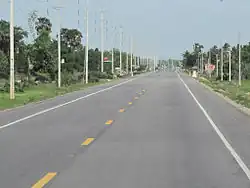
Poipet
Banteay Mean Choăy, Cambodia
Why visit Poipet?
Poipet is Cambodia's busiest land gateway to Thailand, a frontier town where the dust, heat and chaos of a 24-hour border crossing have shaped almost everything about the place. It sits directly across from the Thai town of Aranyaprathet, about 6 km away, and has grown faster than its own provincial capital, Sisophon, on the back of cross-border trade, casino tourism aimed at day-tripping Thais, and the constant churn of overland travellers heading to or from Siem Reap and Bangkok. Most visitors pass straight through, and Poipet has a reputation among backpackers as "a dump" — a swirl of touts, beggars, money-changers, dodgy casinos and pushy "officials" all working to separate the unwary from their cash. For travellers who pause, however, the town offers an unfiltered look at one of Cambodia's grittier corners.
The layout is straightforward. One main street runs roughly southeast from the border roundabout at the immigration offices. North of this artery lies a relatively ordinary Cambodian town with a clean, airy market; south of it spreads a poorer slum quarter centred on a more dishevelled, atmospheric market. Adjacent to the Thai-side immigration post is Rongkleu Market, the practical hub for arriving and departing travellers — banks, money exchangers, cafés, a convenience store and cross-border buses are all clustered here. Poipet is also the western railhead of Cambodia's slowly regenerating rail network, which historically connected onward to the Thai system.
Climate is classically Cambodian: hot year-round, with a dry, cooler season from roughly November to February (the most comfortable time to travel), a punishingly hot stretch from March to May, and a wet monsoon from June to October when afternoon downpours are routine but rarely shut the border. Avoid mid-afternoon border crossings if you can, as queues peak with the lunchtime arrival of long-distance buses.
Border safety warning: As of late 2025, skirmishes have resumed along the Cambodian–Thai border with reports of artillery shelling on civilian facilities. Several governments advise against travel within 50 km of the border. Check current advisories from your home country (Australia, Canada, UK, US) before planning a crossing.
Planning Poipet? Tell us your dates and we’ll tailor the trip.
Ask on WhatsAppHow do you get there?
By Train
Poipet is the western terminus of Cambodia's revived passenger rail line, which in principle links the town with Sisophon, Pursat, Battambang and Phnom Penh. Service has been intermittent and schedules change frequently, so verify with Royal Railway (the Cambodian operator) on the day of travel rather than relying on older timetables. There is currently no through-running passenger service across the border into Thailand, although the tracks meet at the frontier; travellers continuing to Bangkok must cross on foot and rejoin Thai trains at Aranyaprathet station, about 6 km away.
By Car / Road
Poipet sits on National Highway 5, fully paved, which runs east to Sisophon (about 50 km, ~1 hr) and continues along the south side of the Tonle Sap to Battambang (~170 km, 3 hr) and onward to Phnom Penh (~400 km, 7–8 hr). At Sisophon, National Highway 6 branches off along the northern side of the Tonle Sap to Siem Reap (~150 km from Poipet, 2½–3 hr).
Buses from elsewhere in Cambodia. Poipet is well connected and reasonably priced. Indicative services from Phnom Penh:
| From | Company | Departures | Hours | Fare |
|---|---|---|---|---|
| Phnom Penh | Virak Buntham (a/c) | 20:00, 21:00, 24:00 | 7 | US$10 |
| Phnom Penh | Phnom Penh Sorya (a/c) | 06:15, 06:30, 07:30, 07:45 | 8 | US$10 |
| Phnom Penh | Capitol (a/c) | 06:30, 08:00, 10:00 | 8 | US$10 |
Direct buses also run from Siem Reap and Battambang (around US$3.75–5). Buses from Cambodia generally stop at the company's Poipet office first; if you are continuing across the border, stay on board — most services run all the way to immigration, saving you a walk or motorbike-taxi fare.
Taxis to Poipet are usually cheaper than taxis from Poipet, provided you can deal directly with the driver. From Siem Reap, expect roughly US$30 for a private car, around 2½ hours.
From Thailand. Cross-border buses from Rongkleu Market (immediately on the Thai side) run to Bangkok's Victory Monument, Mo Chit bus station and Suvarnabhumi airport, plus other Thai towns including Nakhon Ratchasima and Chachoengsao. From Aranyaprathet, songthaews shuttle between the 7-Eleven at Rongkleu Market and the Tesco Lotus on the edge of town for 15 baht; a tuk-tuk should be around 60 baht after haggling, a motorbike taxi around 40 baht.
Border hours: 07:00–20:00 daily. There is no time difference between Cambodia and Thailand.
Cambodian visa. A 30-day tourist visa (T class) costs US$30 on arrival; an e-Visa in advance is US$36 and often saves time at the counter. As of May 2023, visa issuance and immigration are handled in the same room — follow the "Foreigners" signs and pick up an arrival card inside. Officials frequently demand an extra 100 baht "fee" (whether or not you have a photo); polite, patient refusal usually works, though it may add a short wait. Pay only US$30, be courteous (a "sue-saw-day" hello and "awkunh" thank you go a long way), and arrive earlier in the day to dodge the midday bus rush.
Common scams to ignore:
- Fake visa officials in Aranyaprathet and on the Thai approach road steering you to the Cambodian Consulate for an inflated 1,000–1,400 baht visa. Walk past them; the genuine visa-on-arrival counter is inside the Cambodian immigration building, after you have been stamped out of Thailand.
- "Free government buses" at the Poipet Tourist Passenger International Terminal, an inconvenient out-of-town depot where police-backed cartels sell expensive onward bus and taxi tickets. The official taxi fare to Siem Reap is a marked-up 2,400 baht; an independent taxi should be closer to US$30. You are not obliged to use the depot — declining politely and arranging your own transport in town is legal, if persistent touts make it feel otherwise.
- Luggage porters swarming arriving buses charge about US$1 to carry bags across — generally honest, useful in heat, but keep valuables on you.
Central Poipet is small and walkable — the entire commercial strip and both markets sit within roughly a kilometre of the immigration roundabout. For longer hops to bus offices, the train station or out-of-town hotels and casinos, motorbike taxis (motodops) and tuk-tuks are everywhere; short hops within town should be US$1 or 1,000–4,000 riel. Always agree the fare before getting on, and pay in dollars where possible — baht-denominated quotes tend to be inflated for tourists.
There is no metro and no formal city bus network. Ride-hailing apps such as Grab and PassApp have limited coverage compared with Phnom Penh or Siem Reap; you may find a few drivers in Poipet but should be prepared to flag down a tuk-tuk in the traditional way. Cycling is feasible in the cooler morning hours but the main road is dusty and traffic is mixed.
Scams to watch: drivers steering you to commission-paying guesthouses you didn't ask for; "the place is closed/full, I'll take you somewhere better" patter; and inflated baht fares at the border. Confirm your destination by name and address, and don't pay until you arrive where you actually wanted to go.
What are the things to do?
Poipet is not a sightseeing town in any conventional sense, and most travellers who linger come for atmosphere rather than monuments.
Rongkleu Market (Thai side, at the border) — Bustling cross-border bazaar of cheap clothing, electronics, snacks and money-changers. Worth a wander even if you're not shopping; it's the most concentrated slice of border-economy life on either side. Daytime hours; most stalls wind down by late afternoon.
North-side market (central Poipet) — Clean, airy and relatively orderly, this is where local residents shop for produce, household goods and prepared food. A useful, low-key introduction to a working Cambodian market.
South-side market (slum quarter) — Dishevelled and pungent, but far more interesting for the curious observer: a window into the poorer, less-photographed side of the border economy. Visit in daylight, dress modestly, and be conscious of your belongings.
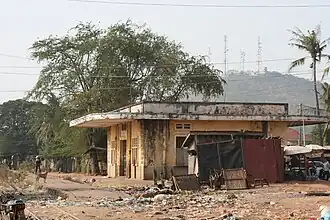
Old Poipet railway station — The western railhead of Cambodia's regenerating rail network. The station itself is unremarkable, but rail enthusiasts will appreciate its position at the historic missing link between the Cambodian and Thai networks.
Walk the main strip from the border roundabout — A short, sensory introduction to a Cambodian frontier town: money-changers, casino touts, food carts, moto drivers, and the constant cross-border foot traffic. An hour is plenty.
Casino-watching (not necessarily playing). A cluster of large casinos straddles the no-man's-land between the two immigration posts, catering chiefly to Thai day-trippers (gambling is illegal in Thailand). They are gaudy, surreal and very much part of Poipet's character. House rules favour the house everywhere, but doubly so here; treat any visit as anthropology, not investment.
Day trip to Sisophon — About 50 km east on Highway 5 (~1 hr by shared taxi or bus), the provincial capital is calmer, greener and a useful base for the Banteay Chhmar temples further north. A good half-day escape from Poipet's intensity.
Border-crossing logistics as a half-day project — If you have time before a bus, walking the entire crossing on foot (Cambodian exit, no-man's-land, Thai entry, Rongkleu Market and back) is genuinely instructive about how this kind of land border works.
Planning Poipet? Want these on a customised itinerary?
Ask on WhatsAppWhere to eat?
Poipet's food scene is functional rather than celebrated — most visitors eat cheap Khmer staples at market stalls and bus-company canteens, with a smattering of Thai influence reflecting the border. Signature Cambodian dishes worth seeking out include kuy teav (rice-noodle soup, the classic breakfast), bai sach chrouk (grilled pork over rice), lok lak (stir-fried beef with a peppery lime-pepper dip) and amok trei (coconut-curry steamed fish, more reliably found at sit-down restaurants).
- North-side market food stalls (budget) — Bowls of kuy teav and plates of bai sach chrouk for roughly 6,000–12,000 riel (US$1.50–3). Best at breakfast, when turnover is highest.
- Rongkleu Market cafés (Thai side) (budget) — Quick noodle soups, fried-rice dishes and iced coffees, useful while waiting for a bus. Pay in baht here.
- Casino-hotel buffets and coffee shops (mid-range) — The larger casino complexes operate Western/Asian buffets and 24-hour coffee shops, generally US$10–20 per head. Consistent air-conditioning, English menus and standard hygiene; uninspiring but reliable.
- Hotel restaurants on the main road (mid-range) — A handful of mid-tier hotels run open-fronted restaurants serving a Khmer–Thai–Chinese menu, typically US$4–8 per main.
Dietary notes. Vegetarian options are limited but possible — ask for "awt sait" (no meat) and watch for fish sauce and shrimp paste, which are nearly universal. Halal food is easier to find on the Thai side at Rongkleu Market than in Poipet itself. Gluten-free travellers will manage with rice-based dishes but should be cautious of soy sauce and wheat-noodle soups.
Where to drink?
Tap water is not safe to drink in Poipet; stick to sealed bottled water (around 1,000–2,000 riel for 500 ml from a shop, more in hotels) or boiled/filtered water. Ice in established restaurants and hotels is generally made from purified water and is safe; be more cautious with ice from street stalls.
Cambodia's mainstream beers — Angkor, Cambodia and Anchor — are widely available on draft and in cans for around US$1–2. Local rice spirits and palm wine appear in cheaper local bars but are an acquired taste. Iced Khmer coffee (kafe tukko tukdah), strong and condensed-milk-sweet, is the morning drink of choice and costs around 4,000–6,000 riel from a street cart.
Nightlife in Poipet proper is thin and mostly revolves around the casino complexes straddling the border zone, which run 24-hour bars catering to Thai gamblers; drinks are pricier than in town but the air-conditioning is welcome. Lone travellers, and women especially, may find these venues uncomfortable late at night — a quiet beer at your guesthouse is often the better call.
Planning Poipet? We’ll book the stays and dining for you.
Ask on WhatsAppWhere to stay?
Poipet is primarily a transit town, and accommodation is functional rather than memorable. Most travellers stay only because they arrived too late to cross the border or move on the same day. Rates below are indicative for a standard double room; expect higher prices around Thai public holidays when casino traffic peaks.
Budget
- Backpacker-oriented guesthouses cluster on and just off the main road between the border roundabout and the bus offices, with fan rooms from around US$8–12 and basic air-conditioned doubles from US$15. Quality varies sharply; ask to see the room first and check the lock.
Mid-range
- Several mid-tier business hotels along the main road and near the border offer reliable air-conditioned doubles with hot water and Wi-Fi for roughly US$25–45 a night. Look for properties affiliated with the larger bus companies, which tend to be better maintained.
Upscale
- Upscale lodging in Poipet is almost entirely tied to the casino-hotel complexes in the border zone, where rooms run roughly US$60–120 and amenities (pool, multiple restaurants, gym) are well above what the rest of the town offers. They are convenient if you want comfort right at the crossing, but isolated from local life.
What should you buy?
Poipet's commercial life revolves around its markets and the cross-border bazaar at Rongkleu, rather than craft shopping in the Siem Reap or Phnom Penh sense. Expect:
- Rongkleu Market — Cheap Thai and Chinese-import clothing, snacks, household goods, electronics, SIM cards and currency exchange. The best rates for converting baht/dollars/riel are usually found among the licensed money-changers here; compare two or three windows before changing larger sums.
- North-side town market — Fresh produce, dried fish, prepared food and everyday goods at local prices. Better for a sense of place than for souvenirs.
- South-side market — Cheap goods aimed squarely at locals; not a souvenir destination, but worth a browse if you're already exploring the area.
Bargaining is expected at markets and with tuk-tuks but not in shops with marked prices or convenience stores. A polite first counter-offer of around 60–70% of the opening price is normal; settle around 75–85%. Cambodian riel and US dollars are both accepted everywhere; Thai baht is widely accepted in Poipet specifically because of the border, but you'll often get a poorer effective rate than paying in dollars.
Where to go next?
- Sisophon — ~50 km east on Highway 5; ~1 hr by bus or shared taxi. The provincial capital of Banteay Meanchey, calmer than Poipet and a useful base for the remote Banteay Chhmar temple complex further north.
- Siem Reap — ~150 km east via Sisophon on Highway 6; 2½–3 hr by car, ~3 hr by bus (US$9 from the Tourist Passenger Terminal). Gateway to Angkor Wat and the single most popular reason to cross at Poipet.
- Battambang — ~170 km southeast on Highway 5; ~3 hr by bus. Cambodia's elegant second city, famed for French-colonial architecture, the bamboo train and a genuinely good arts scene.
- Aranyaprathet (Thailand) — ~6 km west across the border; 15–30 min by songthaew or tuk-tuk. The Thai counterpart town, with onward trains and buses to Bangkok.
- Bangkok (Thailand) — ~260 km west via Aranyaprathet; 4–5 hr by direct bus from Rongkleu Market. The easiest onward leg if you're heading out of Cambodia.
- Phnom Penh — ~400 km southeast; 7–8 hr by overnight or day bus (~US$10). Cambodia's capital, for travellers continuing deeper into the country rather than to Angkor.
Nearby in Banteay Mean Choăy
More places to explore around Poipet.
Guide content as of May 2026. Portions adapted from Wikivoyage, CC BY-SA 4.0.

Contact Us
Get in touch with us.
Get in touch
Contact Us
Tell us where you'd like to go and how you like to travel. A real Tripcuro planner — not a bot — will craft an itinerary around you.
- Personalised, hassle-free planning end-to-end
- Transparent pricing, no hidden costs
- 24/7 support for complete peace of mind