

Ben Lomond National Park
Tasmania, Australia
Why visit Ben Lomond National Park?
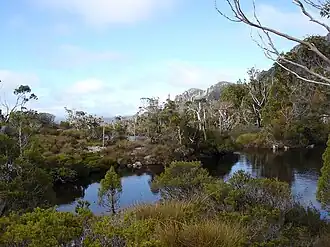
Ben Lomond National Park, located in Eastern Tasmania about 50 km southeast of Launceston, is one of Tasmania's oldest national parks, declared in July 1947. The park centres on a dramatic dolerite plateau rising to 1,572 metres at Legges Tor, Tasmania's second-highest peak, and is the state's only developed downhill skiing area. The plateau is characterised by alpine moorland, dolerite scree slopes and spectacular cliff faces — particularly the imposing north-facing cliffs known as the "Stacks Bluff" that dominate the view from the surrounding Midlands.
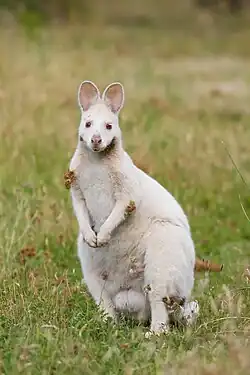
The park is compact but striking, covering roughly 40,000 acres (16,000 hectares). It is invaluable for the conservation of Tasmania's alpine flora and species diversity, including cushion plants, alpine herbs and endemic grasses. The fauna includes Bennett's wallabies, wombats, echidnas and platypus in the lower elevations, while wedge-tailed eagles soar above the plateau. In summer, the park is a haven for bushwalkers and rock climbers; in winter (roughly July to September), it transforms into Tasmania's busiest snow destination.
The park is not a place with neighbourhoods — it is accessed by a single road up the mountain to the Alpine Village at the top of the plateau, where the ski facilities and lodge accommodation are located. The surrounding countryside is pastoral farmland, with the nearest towns being Blessington, Upper Blessington and, further afield, Launceston.
Planning Ben Lomond National Park? Tell us your dates and we’ll tailor the trip.
Ask on WhatsAppHow do you get there?
By Plane
Launceston Airport (LST) is the nearest airport, located about 15 km south of Launceston city centre. It receives flights from Melbourne, Sydney and Hobart (Virgin Australia, Jetstar, Qantas). From the airport, hire a car for the roughly 50 km drive to the park — there is no public transport direct to Ben Lomond.
By Car / Road
Ben Lomond National Park is about 50 km from Launceston, approximately one hour's drive. Take the Blessington Road (C401) south from Launceston through Upper Blessington to reach the park entrance. The road is sealed to the village of Blessington, then becomes a winding unsealed road up the mountain. Wheel chains must be carried between June and September — they are not available on the mountain but can be rented or purchased in Launceston. The road is steep and narrow in places; drive cautiously and watch for wildlife if travelling at dusk or at night.
During the ski season, McDermott's Coaches (http://www.mcdermotts.com.au/) operate a daily shuttle from Launceston to the mountain. A separate shuttle bus runs from the snowline to the top car park daily during the season, starting around 9 AM (adults $12, child/concession $8) — a useful option if you prefer not to carry chains.
The park has a single access road from the valley to the Alpine Village at the top of the plateau. Once at the top, everything is within walking distance — the ski facilities, lodge, and trailheads are all concentrated in a small area. In winter, the shuttle from the snowline to the top car park (adults $12) is the main way to get around if you haven't driven up. In summer, the plateau is explored on foot via marked walking tracks and cross-country ski routes (doubling as walking trails in warmer months), marked by snow poles.
There is no public transport within the park itself. The only vehicles are private cars and the seasonal shuttle.
What are the things to do?
The Plateau and Legges Tor — the flat-topped dolerite plateau is the park's defining landscape feature, with Legges Tor (1,572 m) offering panoramic views across northeastern Tasmania on clear days. The walk from the Alpine Village to the summit is about 1.5 hours one way.
Stacks Bluff — dramatic dolerite cliffs on the southern edge of the plateau, visible from the Midlands below and one of Tasmania's most recognisable geological features. The Storys Creek to Stacks Bluff walk approaches from the southern end near Rossarden.
Alpine Flora — in summer (December–February), the plateau is carpeted with cushion plants, alpine herbs and colourful wildflowers unique to Tasmania's high country. The park is a critical conservation area for these communities.
Rock Climbing — the dolerite cliff faces around the plateau offer rock-climbing opportunities for experienced climbers, with routes varying in difficulty.
Wildlife — Bennett's wallabies, wombats and echidnas are commonly seen on the drive up and around the plateau. Platypus inhabit the creeks in the lower elevations. Wedge-tailed eagles are regularly spotted soaring above the cliffs.
- Downhill skiing and snowboarding — Ben Lomond is Tasmania's only developed downhill ski area, with Ben Lomond Snow Sports offering skis, snowboards, boots, helmets, clothing and toboggans for hire during the snow season (roughly July to September; check the snow report before heading up). The terrain suits beginners to intermediate skiers.
- Cross-country skiing — two marked cross-country routes traverse the plateau, following snow-poled tracks. These routes double as summer walking tracks.
- Carr Villa to Alpine Village walk — a steep 1.5-hour walk (one way) from Carr Villa up the side of the plateau to the village, then along the plateau to the highest point. Rewarding views.
- Alpine Village to Little Hell walk — a shorter return walk of about 1.5 hours, with views across the southern part of the plateau to Stacks Bluff.
- Storys Creek to Stacks Bluff walk — a more challenging full-day walk entering the park from the southern end near Rossarden, climbing to the spectacular cliff edge.
- Rock climbing — the dolerite cliffs offer routes for experienced climbers; bring your own gear as there are no hire facilities for climbing equipment.
Planning Ben Lomond National Park? Want these on a customised itinerary?
Ask on WhatsAppWhere to eat?
Dining options on the mountain are extremely limited. The only places to eat are at the lodges in the Alpine Village, which serve basic meals during the ski season. Outside the ski season, there is no food service in the park — bring all provisions with you from Launceston. The drive up passes through pastoral farmland with no shops or restaurants.
Where to drink?
There are no dedicated bars or cafés in Ben Lomond National Park. The lodges at the Alpine Village may serve basic beverages (tea, coffee, hot chocolate) during the ski season. For anything more substantial, you will need to return to Launceston. Tap water is not reliably available on the mountain — carry your own drinking water.
Planning Ben Lomond National Park? We’ll book the stays and dining for you.
Ask on WhatsAppWhere to stay?
- Budget: Camping is not formally provided within the park's developed area, but bush camping is possible in the lower elevations (Leave No Trace principles apply). The nearest formal camping is in the Launceston area.
- Mid-range: Creek Inn, at the Alpine Village on the plateau (phone +61 3 6390 6199). Six rooms; approximately $170 per double, $40 extra adult, $20 extra child. Open primarily during the ski season.
- Upscale / heritage: Ben Lomond Alpine Village offers cabin and lodge-style accommodation at the top of the plateau.
What should you buy?
There are no shops in Ben Lomond National Park. All supplies — food, fuel, ski gear, chains — should be purchased in Launceston before heading up. Ben Lomond Snow Sports (at the top of the mountain) rents ski and snowboard equipment during the winter season but does not sell general goods.
Where to go next?
- Launceston (50 km northwest, about 1 hour drive) — Tasmania's second city, with the Cataract Gorge, Boag's Brewery, Seaport dining precinct and excellent regional food and wine trails.
- Mathinna (about 40 km east via C432) — a tiny former gold-mining village on the eastern side of the park, gateway to the Blue Tier forest reserve and the St Columba Falls walking track.
- St Columba Falls (about 70 km from the park via Mathinna and Pyengana) — one of Tasmania's tallest waterfalls (90 m drop), accessible via a short walking track through temperate rainforest.
- Pyengana (about 80 km from the park) — a farming valley famous for its cheddar cheese at the Pyengana Cheese Farm, with tastings and a farm café.
- Bay of Fires (about 150 km northeast, 2 hours drive) — a spectacular stretch of white-sand beaches and orange-lichen-covered granite boulders along Tasmania's northeast coast, popular for swimming, snorkelling and bushwalking.
Nearby in Tasmania
More places to explore around Ben Lomond National Park.

Guide content as of June 2026. Portions adapted from Wikivoyage, CC BY-SA 4.0.

Contact Us
Get in touch with us.
Get in touch
Contact Us
Tell us where you'd like to go and how you like to travel. A real Tripcuro planner — not a bot — will craft an itinerary around you.
- Personalised, hassle-free planning end-to-end
- Transparent pricing, no hidden costs
- 24/7 support for complete peace of mind