
This is Part 9 of our 13-part Angkor series. Read Part 8: The Hydraulic City
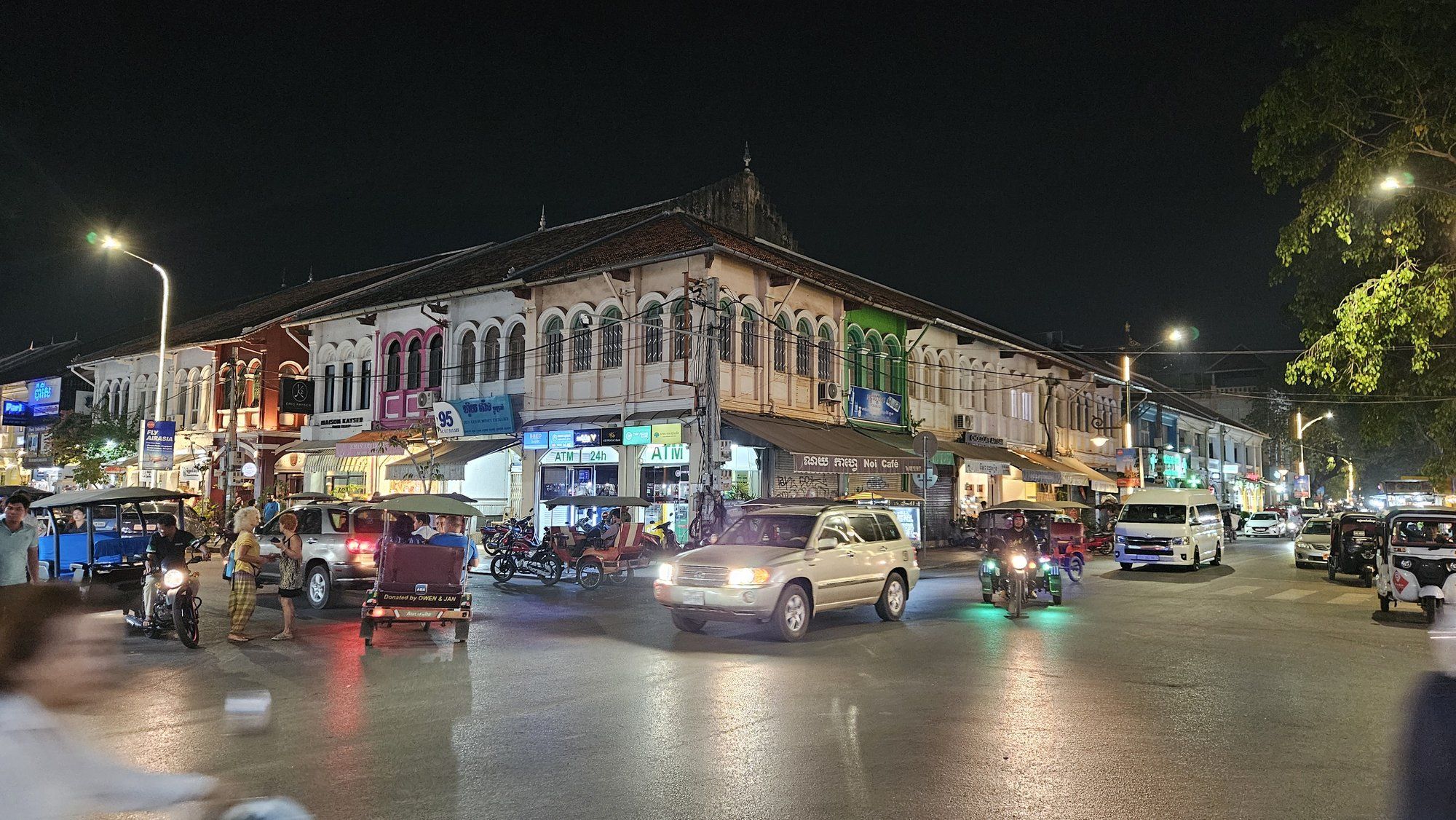
Siem Reap wears two hats. By day it is the base camp for Angkor, the town where you sleep, eat, and recharge between temple days. By night it is something else entirely: a vibrant, walkable city of night markets, food stalls, massage parlours, and bars that spill onto the streets. Aditya stayed for four nights and walked the town every evening. “Very vibrant city, with a great feel,” he said.
The town
Siem Reap was a small village before the French rediscovered Angkor in the 19th century. The temples brought travellers, and the travellers brought hotels, and the hotels turned a village into a town. The transformation accelerated dramatically after Angkor was declared a UNESCO World Heritage site in 1992 and the civil war ended.
Today the town runs along the Siem Reap River, with most tourist activity concentrated between the river and Pub Street. The whole walkable core is about two kilometres by one kilometre, small enough to cover on foot, big enough to find something new every night.
“What surprised me about Cambodia — excellent quality of fruits, vegetables, juices, food,” Aditya said. “All organic. People are extremely hospitable.”
Where to stay
The riverfront area and the streets around Pub Street are where most first-time visitors stay. Aditya stayed at Apsara Centrepole Hotel, a reliable 3-star in the $25–$50 range.
Budget–mid ($25–$50): Apsara Centrepole, Ta Prohm Hotel, Ibis Styles. Comfortable, clean, close to everything. Mid–upper ($50–$100): Borei Angkor. A step up in quality without the luxury price tag. Luxury (with perks): Raffles Grand Hotel d’Angkor and Sofitel Angkor Phokeethra — both available with advisor perks through Fora (daily breakfast, upgrade, $100 credit, early/late check). Also: Anantara Angkor Resort and Zannier Phum Baitang for boutique luxury.
Aditya’s tip: book a hotel near Pub Street or the river. You will walk out every evening and find something to do.
What to eat
Amok is the dish to try, a coconut fish curry steamed in a banana leaf, fragrant with lemongrass and kaffir lime. It is Cambodia’s unofficial national dish, and it is excellent everywhere.
Cambodian iced coffee is the afternoon fuel. “Similar to Vietnamese but has a more fruity taste,” Aditya said. The beans are grown in the Mondulkiri highlands, roasted with butter, and served over ice with condensed milk. It is sweet, strong, and addictive.
Mangoes. The mangoes in Cambodia are a revelation. “One mango was for about $1 and was almost 900 grams in weight and extremely juicy,” Aditya said. At those prices and quality, mangoes are a daily essential.
For Indian vegetarian, Modiji’s Indian Restaurant is the go-to. Aditya recommended it specifically. The restaurant serves North Indian food in a setting that caters to the Indian traveller: vegetarian clearly marked, staff who understand dietary restrictions.
Vegetarian food in general is easily available across Siem Reap. The Khmer diet is fish-based, but tofu amok, fresh spring rolls, green mango salad, and noodle dishes are easy to find. Just flag no fish sauce (it hides in many “vegetable” dishes) and you will eat well.
What to do beyond the temples
Phare, The Cambodian Circus. Aditya did not go but plans to next time. It is a contemporary circus run by a social enterprise that trains disadvantaged young Cambodians. Acrobatics, theatre, live music. It is the best evening show in town.
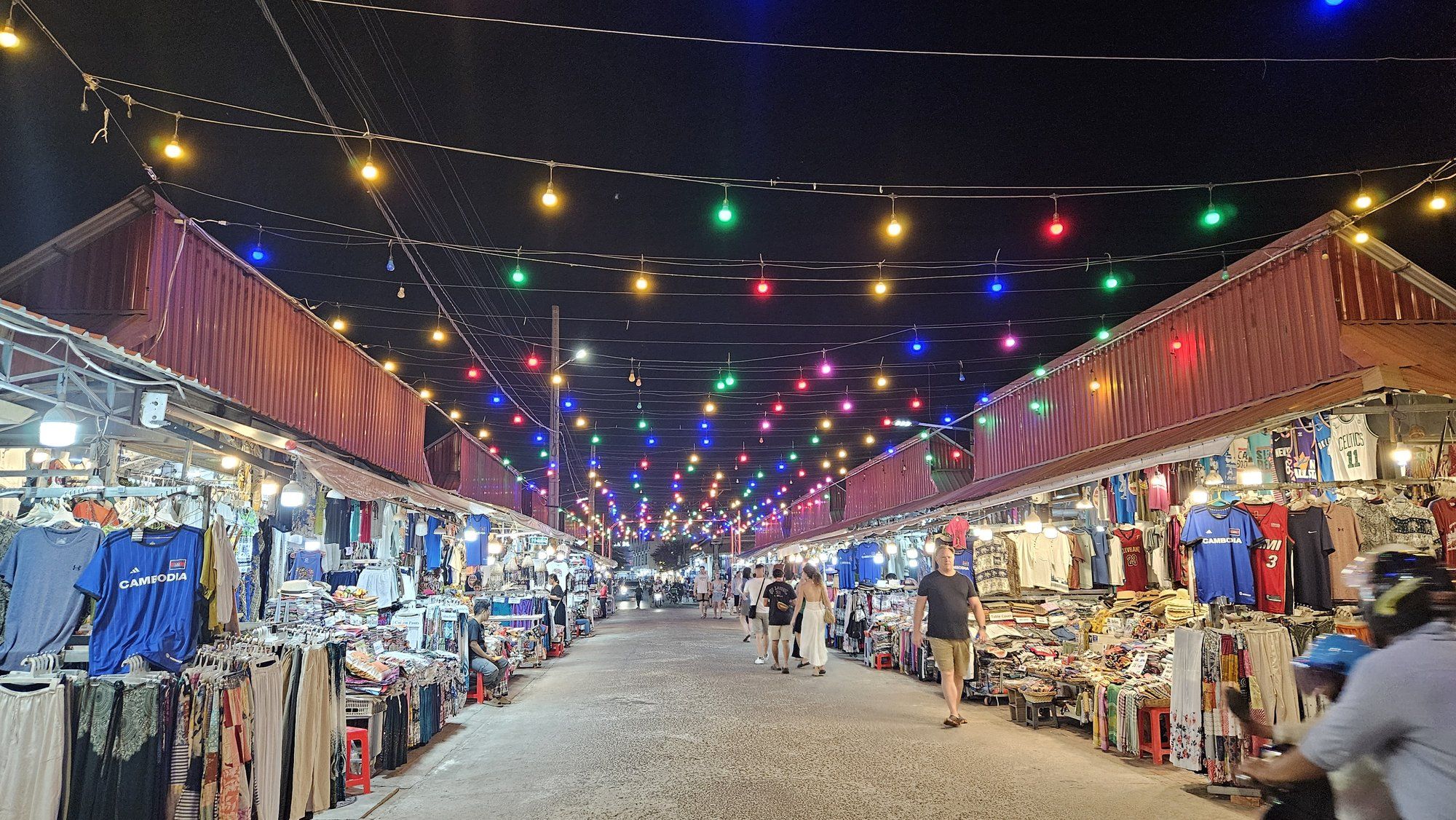
The Night Market and Old Market (Psar Chas). Every evening, stalls fill the streets near Pub Street selling scarves, carvings, silver, and the usual souvenir range, mixed with food stalls and bars. The Old Market during the day is a covered market selling fresh produce, meat, fish, spices, and textiles. This is where the real Cambodia shop.
The Angkor National Museum. Air-conditioned, well-curated, and genuinely useful as a way to put everything you saw at the temples in context. Statues, inscriptions, timelines, and detailed exhibits on the Hindu-to-Buddhist transition. Aditya visited on his final afternoon and called it a good end to a temple-heavy trip.
The floating villages on Tonlé Sap. Aditya did not visit. “It is floating only when it rains, else it is made on stilts. Not great for me.” The judgement is honest: Kampong Phluk is a stilt village on the lake edge, genuinely floating only in the wet season (June–November). In the dry season it sits on stilts above dry land. Worth knowing before you book.
Getting around town
Siem Reap is walkable. The riverfront, Pub Street, and the Old Market are all within a ten-minute walk of each other.
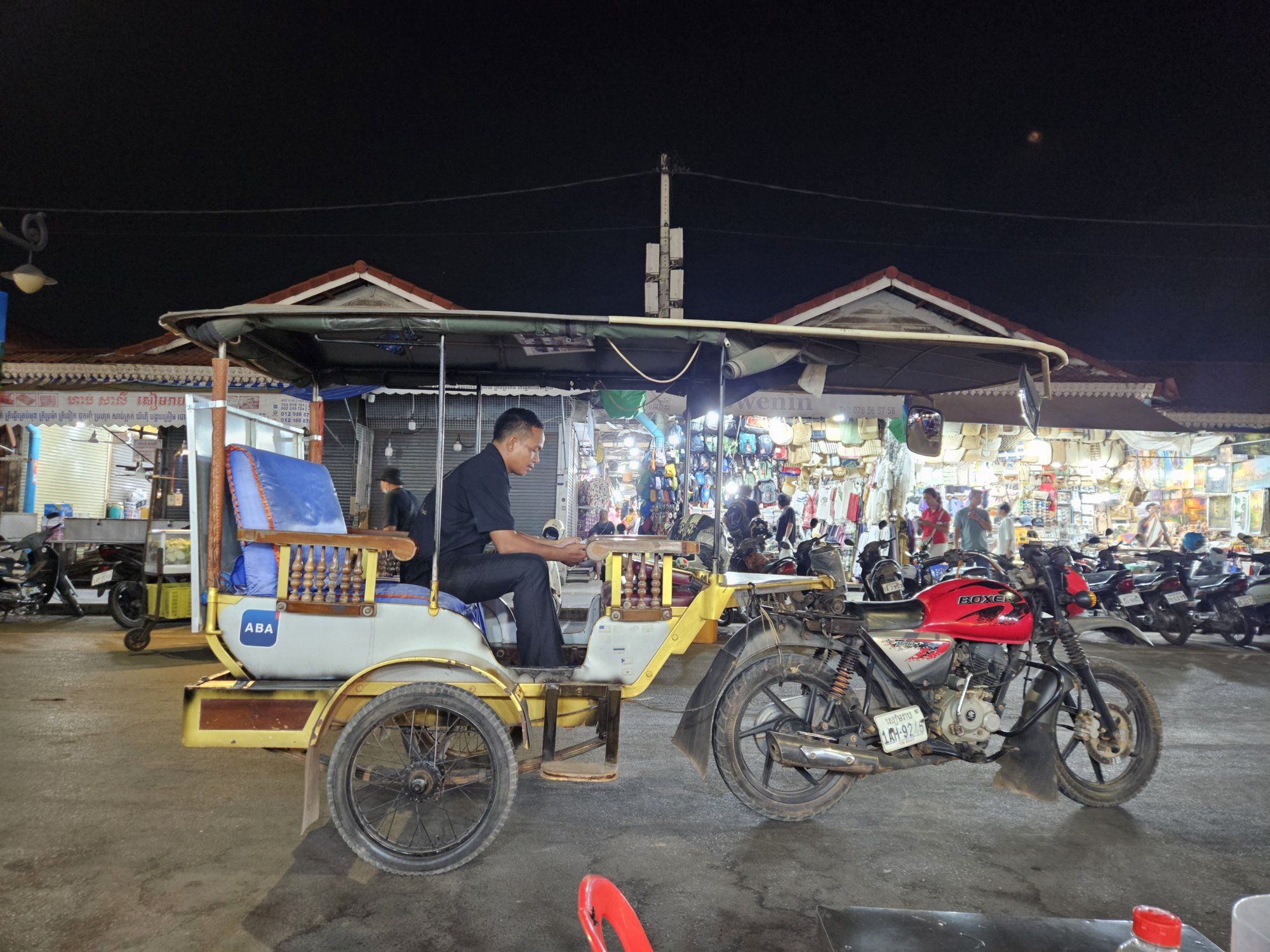
For getting to the temples, Aditya rented a scooter for $7/day. For the airport: tuk-tuks and taxis are on Grab and PassApp (Cambodia’s ride-hailing apps). “The taxis and tuk tuks booked via app arrive on time and function well,” he said. The new Siem Reap-Angkor International Airport is about 40–50 minutes from town.
One more thing about the people
The hospitality is not an act. Every vendor Aditya dealt with was sweet, every tuk-tuk on time, every interaction left a good feeling. “All vendors were sweet,” he said simply. That is not an exaggeration. Cambodian hospitality is one of the country’s natural resources.
Next: Angkor for Indian travellers, the practical guide.
Let Tripcuro Plan Your Siem Reap Stay
Tripcuro designs your Cambodia journey end to end, from flights out of your city to your Siem Reap hotel with exclusive perks. We know the restaurants that work for Indian travellers, the hotels that deliver value, and the little corners of Siem Reap most visitors miss. Tell us your dates and we will build a bespoke itinerary around them.