
September is one of the best-kept secrets in American travel. The summer crowds thin out, prices soften, and two very different kinds of trip come into their own: the crisp, mountain-clear air of Denver, and the warm, unhurried coast of Florida. If you have a week and you’re torn between them, here is the honest case for each: what is genuinely worth your time, what is an overpriced tourist trap, what a ticket actually costs, and where to sleep at every budget.
Mountains or Coast? The Quick Version
The two trips could hardly be more different. Denver is active, outdoorsy and cool: think ~70°F (21°C) days and genuinely cold nights, the first gold appearing in the aspens, and elk beginning to bugle in the high country. Florida is warm and slow: hot and humid at around 90°F (32°C), with short afternoon thunderstorms and the year’s quietest, cheapest window, since September is low season and rates fall by roughly 40 percent.
Getting there tips the scales too. Denver is a flight for almost everyone (about 3.5 hours from the US Southeast, into a big, cheap hub airport). Florida is a shorter hop, and from the Southeast you can even reach Orlando by bus if budget matters more than time.
- Choose Denver if you want to be outside and moving: hiking, big scenery, cool air, and the Rocky Mountains an hour from downtown.
- Choose Florida if you want to slow down, swim, and be warm: beaches, theme parks, and long low light on the Gulf.
One honest caveat for Florida: September is peak hurricane season. It rarely ruins a trip, but book refundable rates, buy travel insurance, and keep an eye on the forecast.
Denver: A Week in the Mile-High City
Denver is a compact, walkable downtown sitting at exactly one mile above sea level, with the Front Range close enough to reach on a whim. Start in the city before you head for the hills.
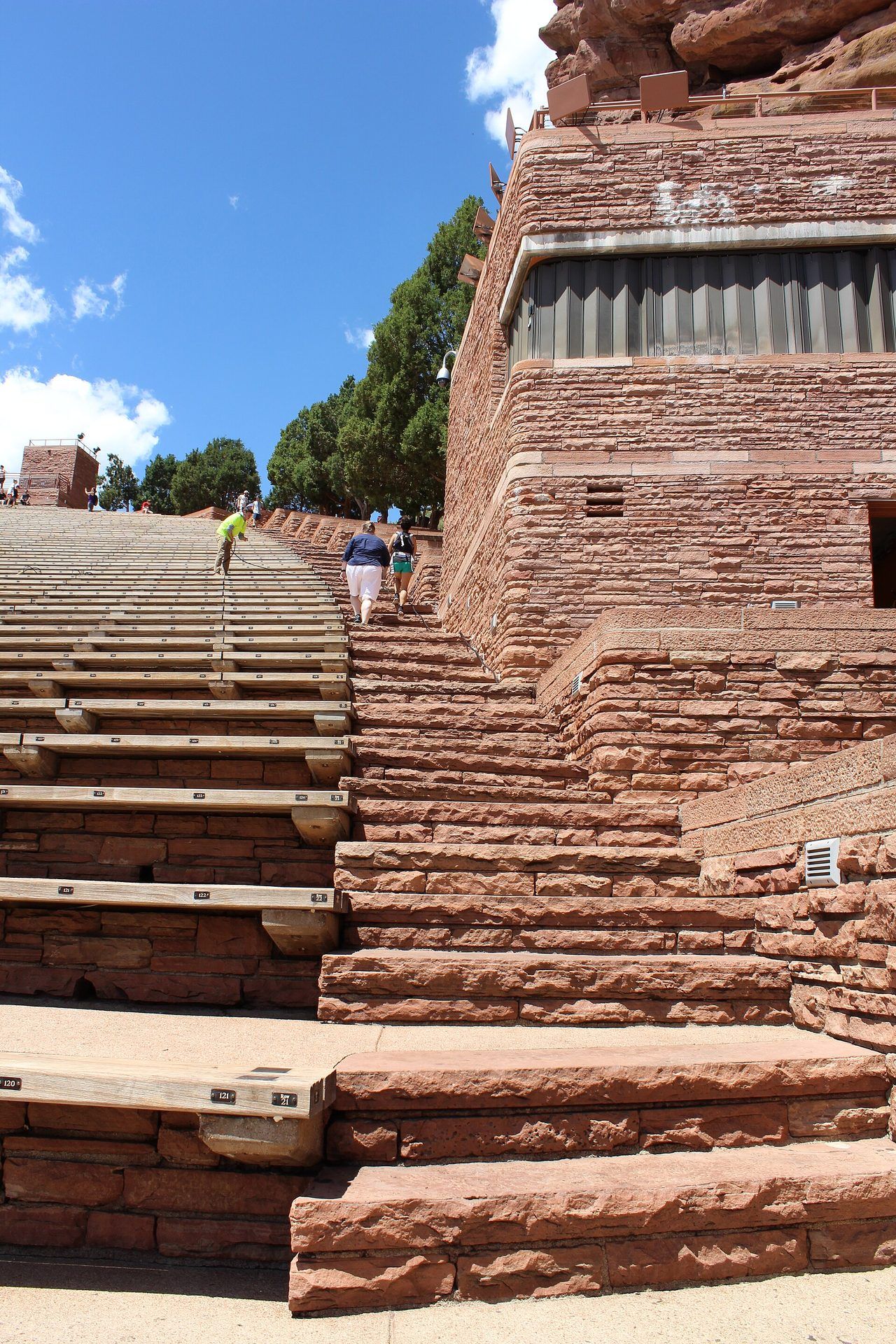
The one unmissable thing is Red Rocks Park & Amphitheatre, a natural amphitheatre wedged between two 300-foot sandstone monoliths about half an hour west. It’s free to walk the stage and climb the stairs by day, and a bucket-list venue for a concert by night. Back in town, the RiNo (River North) Art District is the city at its most alive: building-sized murals, breweries and food halls, best explored on foot in the late afternoon. The Denver Botanic Gardens and the beautifully restored 1914 Union Station (now the city’s living room, with a grand bar) are both easy, rewarding stops. If you like the strange, Meow Wolf’s Convergence Station is a four-storey immersive art world, genuinely singular if pricey at around $45. The one place to skip is the 16th Street Mall: recently renovated, but still a forgettable strip of chain stores.
Into the Mountains
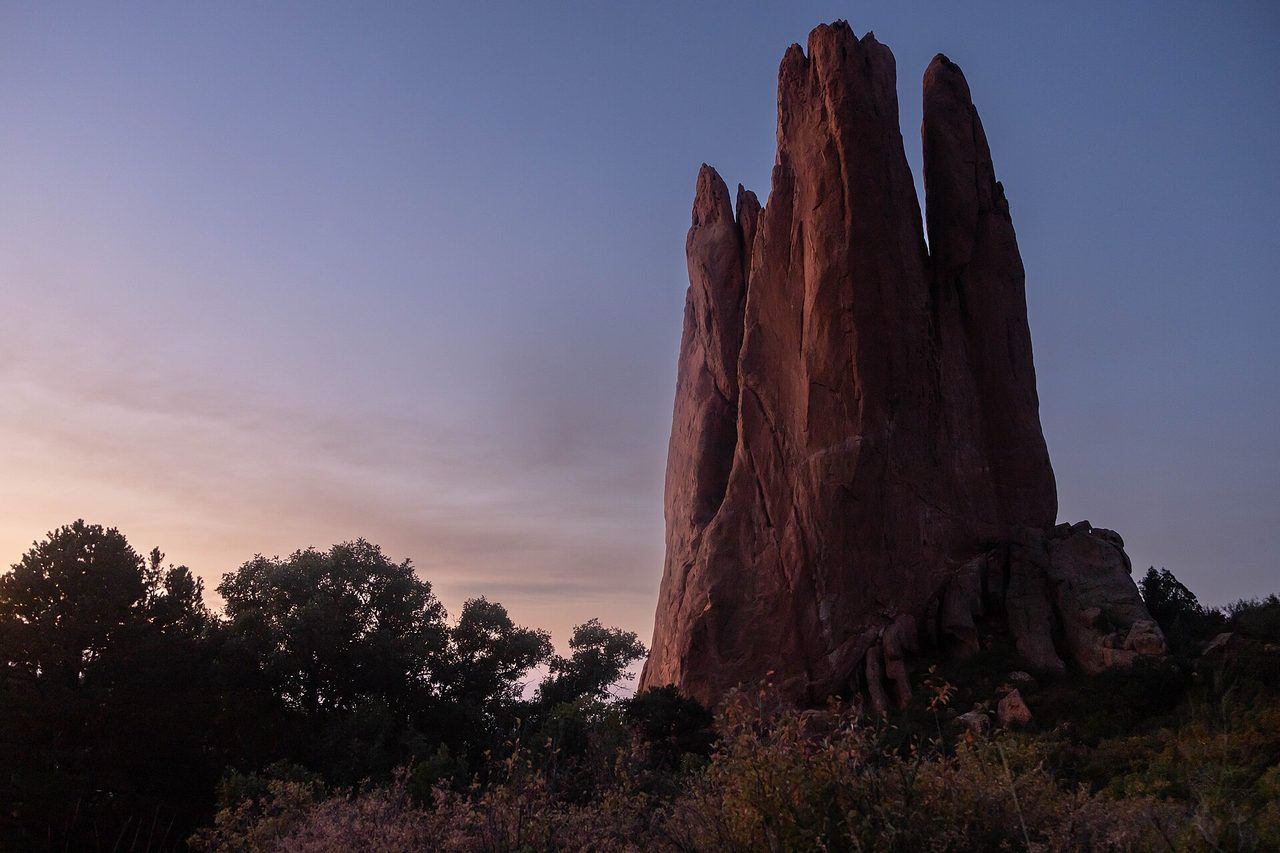
The best of Denver is west of the city. Garden of the Gods, an hour south near Colorado Springs, is a free park of towering red-rock fins framed by Pikes Peak. It’s one of the most photogenic places in the state, and it costs nothing to enter. Boulder, 45 minutes northwest, pairs a great pedestrian street (Pearl Street) with easy hikes up to the tilted slabs of the Flatirons.
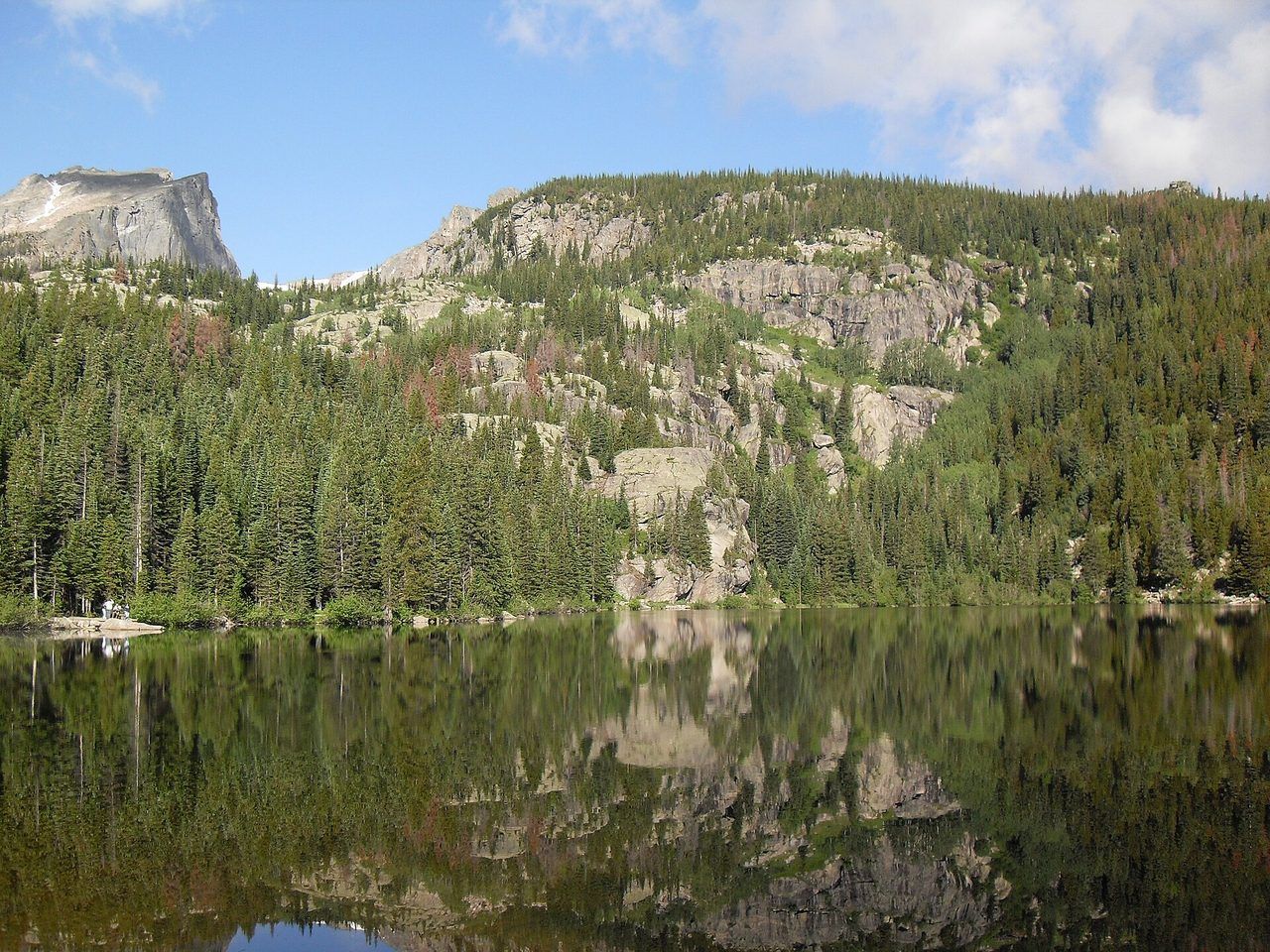
The headline, though, is Rocky Mountain National Park: 415 square miles of alpine peaks, glacier lakes and tundra, with Trail Ridge Road cresting above 12,000 feet. Entry is about $30 per vehicle, plus a roughly $2 timed-entry permit you should book ahead in peak season.
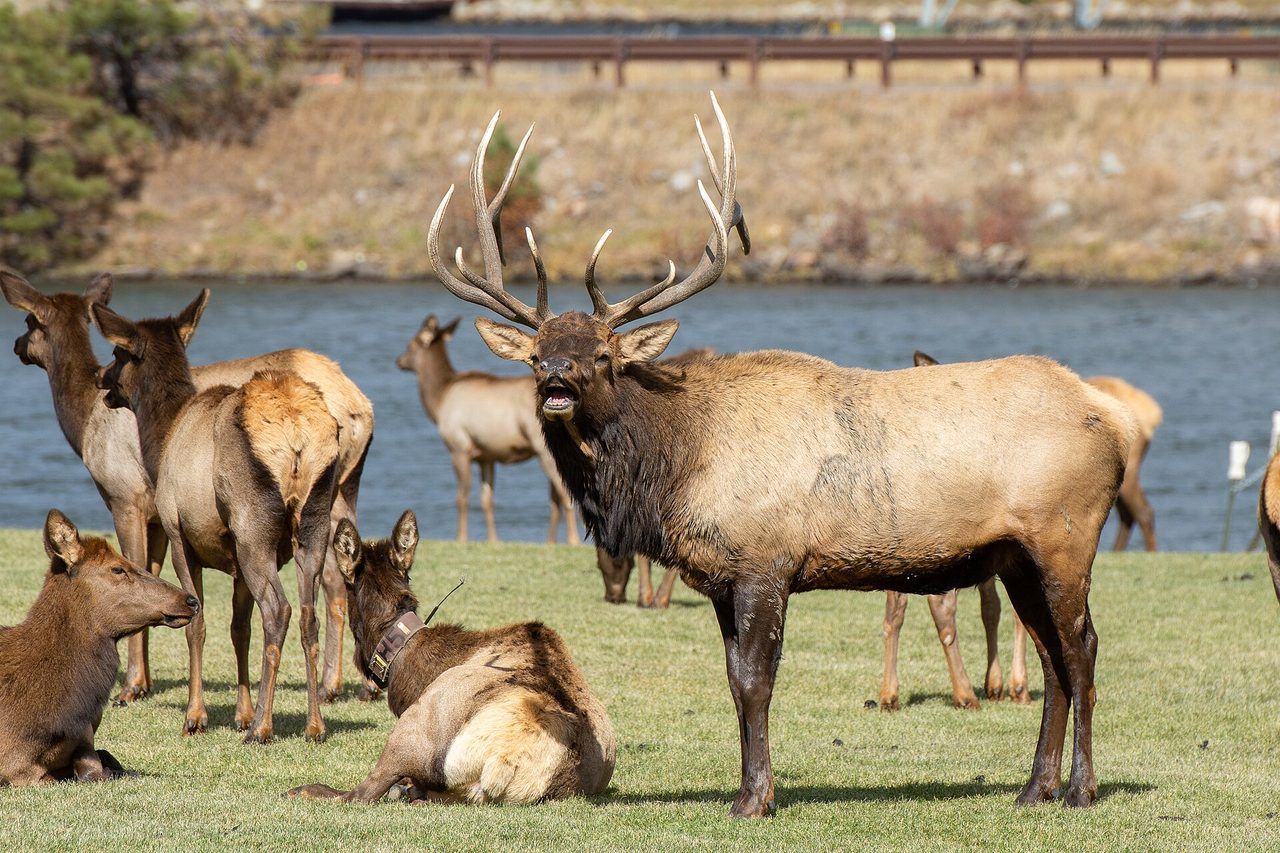
Here’s the tip most day-trippers miss: don’t try to do the park in one long drive. Spend a night in Estes Park, the gateway town at the east entrance, and you trade an hour of highway for dawn light, calmer trails, and, in September, bull elk bugling right in town during the rut. Arrive in the afternoon for golden hour on Trail Ridge Road, then start the next morning early with the classic Bear–Dream–Emerald Lake hike before the crowds and the parking fill up.
Florida: Pick One Base, Not Three
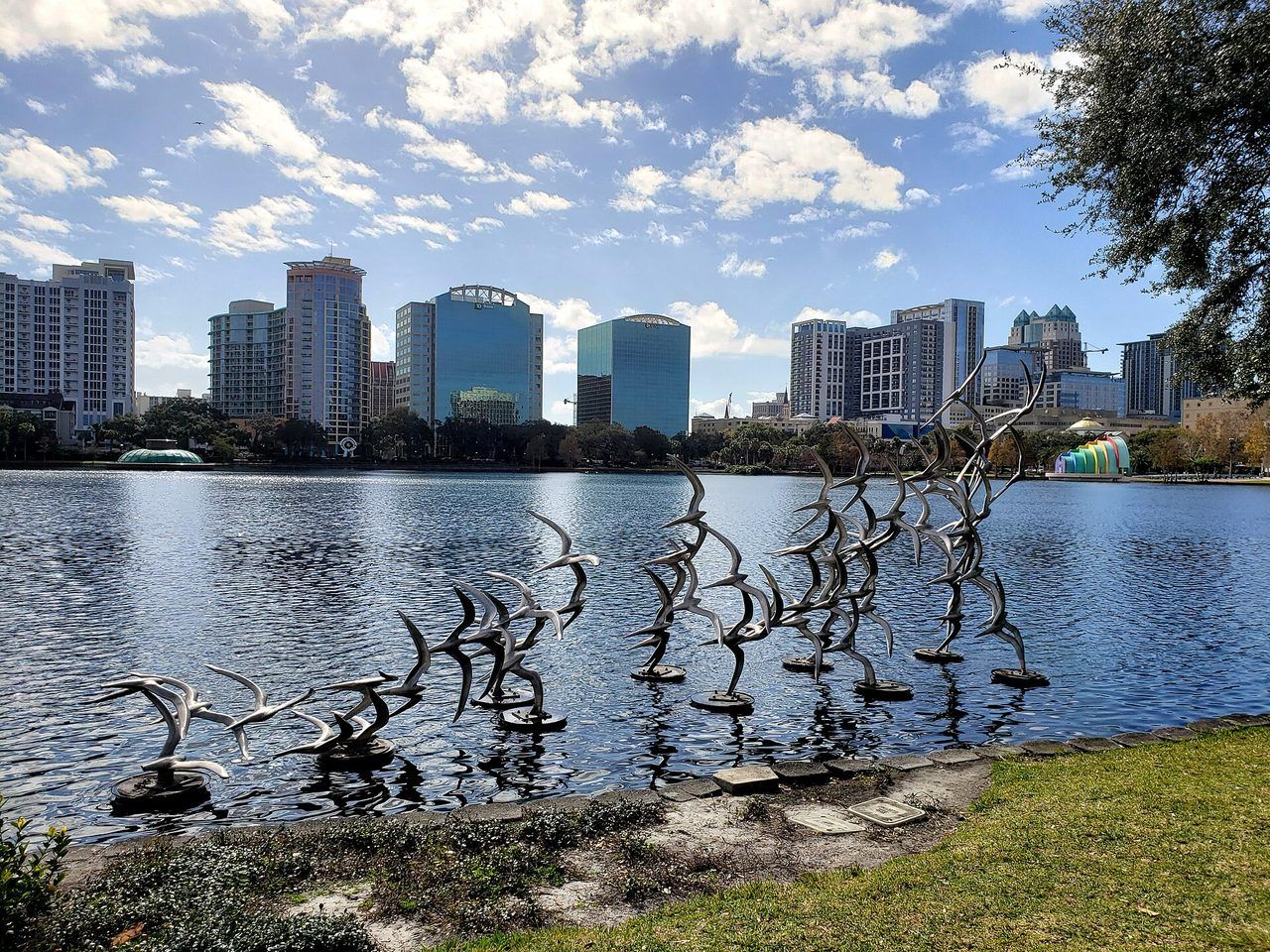
Florida changes completely by region, so the single most important decision is to choose one base and stay put. Don’t try to stitch Orlando, Miami and the Keys into one week. Three honest options:
Orlando is theme-park country, and the easiest, cheapest base to reach. Universal’s Islands of Adventure and its Wizarding World of Harry Potter are often rated the best pure ride experience in the state; Walt Disney World is polished, emotional and expensive (plan one or two parks in the app rather than trying to do it all, at roughly $120–190 a day). The quiet standout nearby is the Kennedy Space Center, about 50 minutes east: stand under a real Saturn V rocket and meet the shuttle Atlantis for around $75, with a fraction of the theme-park crowds.
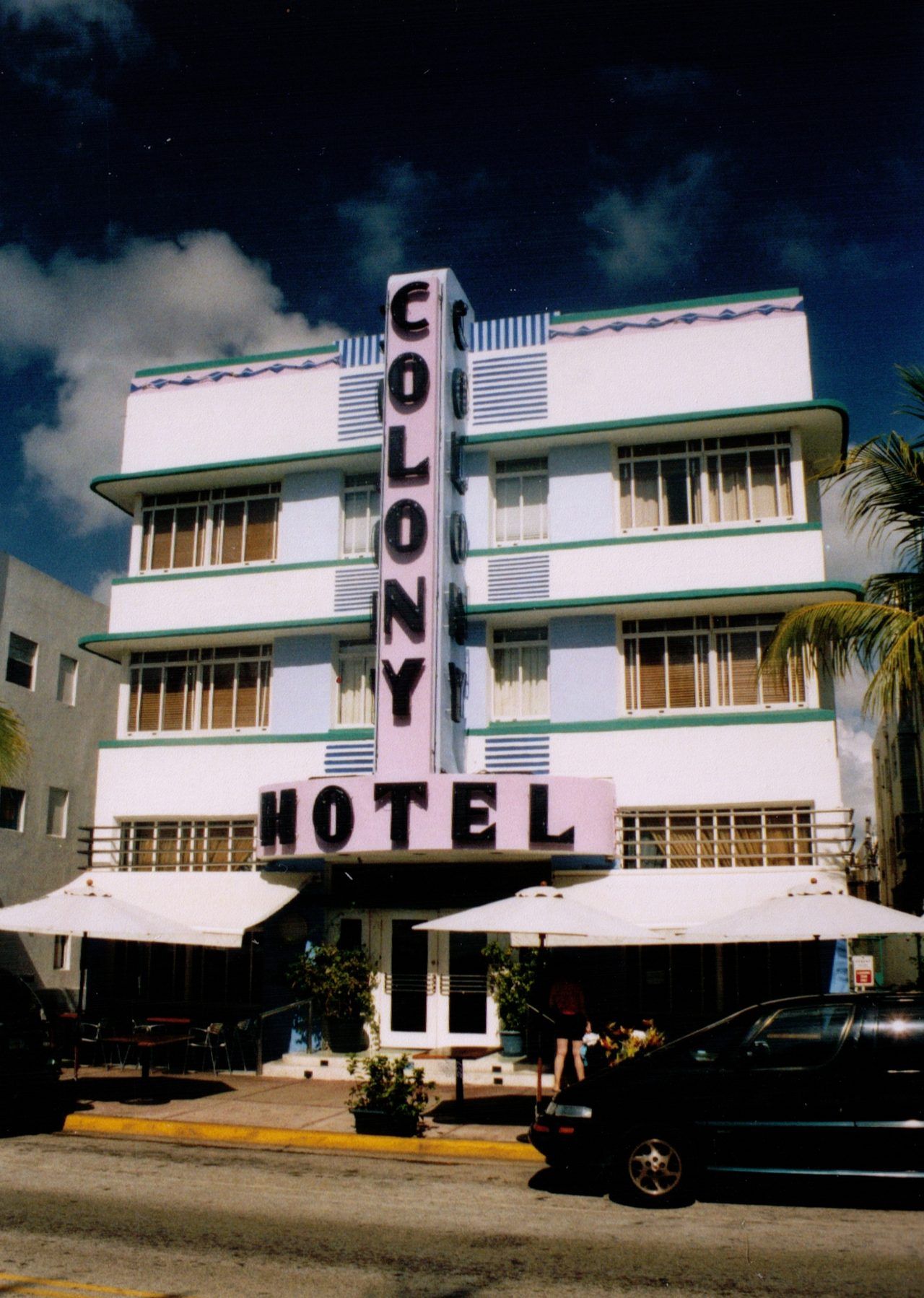
Miami and South Beach is the most cosmopolitan base: turquoise water, pastel 1930s Art Deco, and Latin culture. One warning: the restaurants along Ocean Drive are classic tourist traps, so enjoy the beach and the architecture but eat a block or two inland. The real highlights are elsewhere.

The Wynwood Walls turn a whole district into an open-air museum of monumental street art, ringed by galleries and some of the city’s best casual food. Little Havana is the heart of Cuban Miami (cafecito windows, cigar rollers and dominoes), and the 1916 bayfront villa of Vizcaya is serene and refreshingly uncrowded.
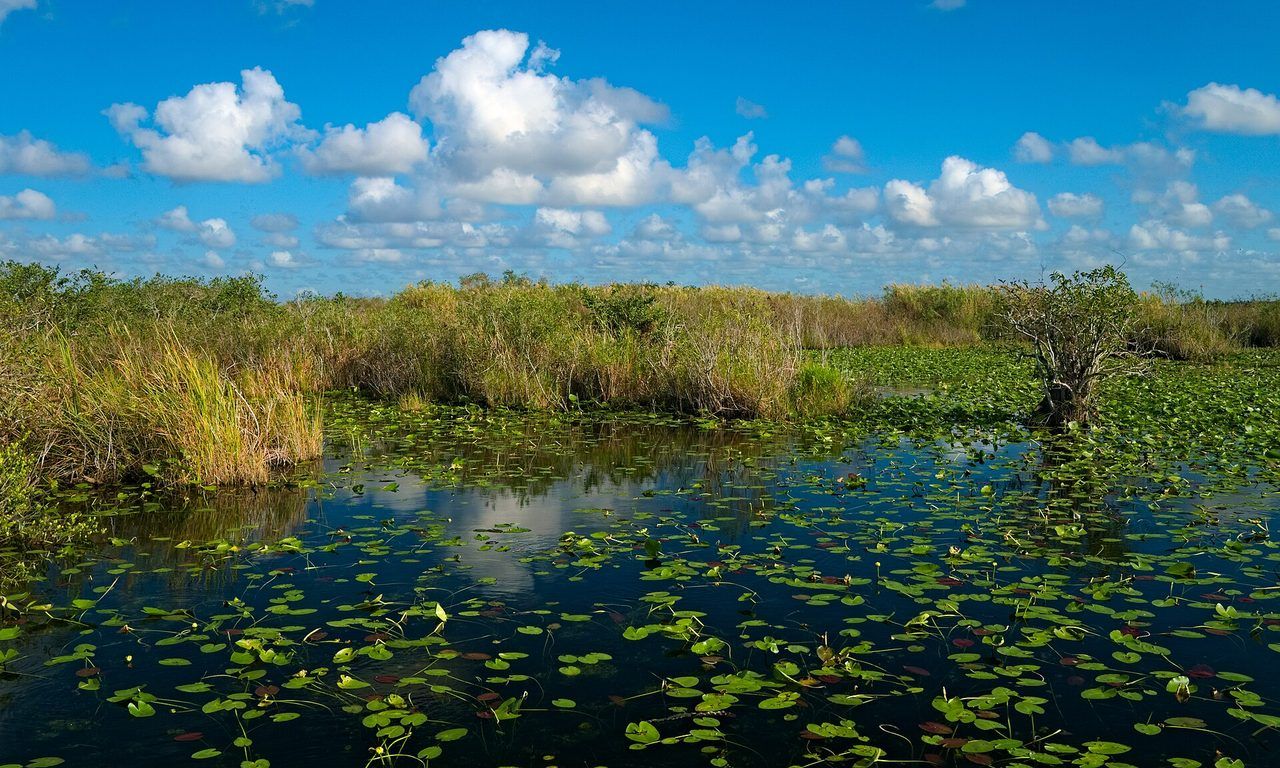
An hour west, Everglades National Park, the vast “River of Grass,” is an easy and worthwhile day trip; the national-park boardwalks are excellent, and if you take an airboat, choose a reputable operator rather than the first roadside sign.
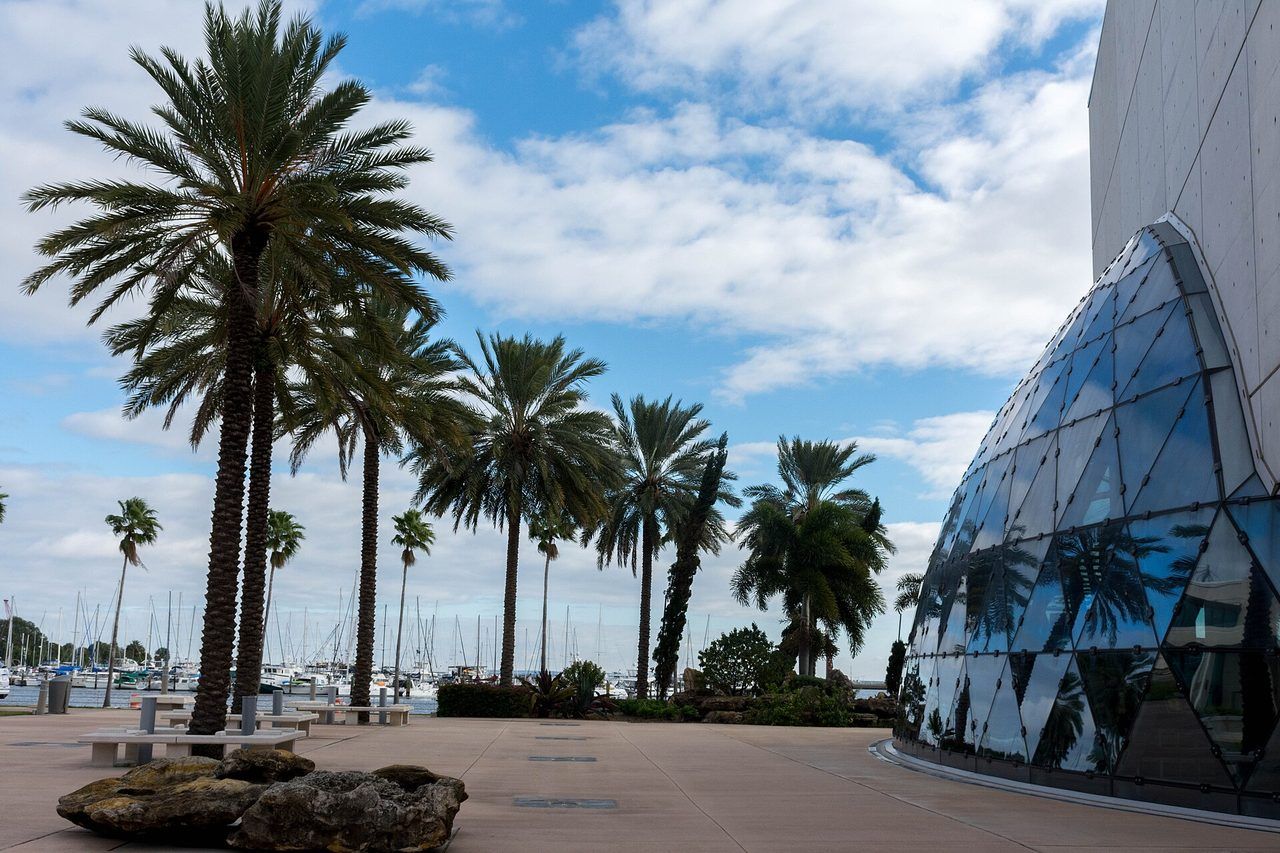
Tampa, St. Petersburg and Clearwater (the Gulf coast) is the quiet, sensible pick: powder-white sand, warm calm water, and a laid-back pace. St. Pete Beach and Clearwater Beach are regularly ranked among the best in the country, and the Dalí Museum in St. Petersburg holds the largest collection of the artist’s work outside Europe. It’s the best value of the three bases, too.
Where to Stay, by Budget
Real, currently-operating hotels grouped by nightly price, each with its Booking.com guest score out of ten. Prices are September low-shoulder estimates and move with demand, so reconfirm for your exact dates.
- Denver. Under $100: Tru by Hilton Downtown (
$95, Booking 8.1). $100–150: Hyatt Place Denver Downtown ($130, 8.5). $150–200: Renaissance Denver Downtown, in a historic bank building (~$180, 9.0). - Estes Park (for the mountain overnight). Nicky’s Resort on the river (
$85, 8.6) at the low end; Woodlands on Fall River ($143, 9.2) if you’d rather splurge a little. - Orlando. Under $100: Pestana Orlando, Lake Buena Vista (
$90, 9.0). $100–150: Drury Inn & Suites near Universal ($117, 9.2). $150–200: Universal’s Stella Nova Resort (~$167, 9.1). - Miami. Under $100: Circa 39 in Mid-Beach (
$95, 8.3). $100–150: Hampton Inn Coconut Grove ($115, 8.4). $150–200: citizenM South Beach (~$170, 8.7). - Gulf Coast. Under $100: Avalon Hotel, downtown St. Pete (
$90, 8.5). $150–200: Sea Captain Resort on Clearwater Beach ($160, 9.1) or the beachfront Plaza Beach in St. Pete Beach (~$175, 8.8). Genuine beachfront under $100 barely exists here, even in low season.
When to Go, and What to Pack
The dates take care of themselves (this is a September trip either way), but the two destinations ask for opposite suitcases. For Denver, pack layers and a light jacket for cool nights, take the altitude seriously (hydrate, go easy on alcohol the first day, and remember the high roads top 12,000 feet), rent a car for the mountains, and book that Rocky Mountain National Park permit early. For Florida, pack light clothing, a rain shell and reef-safe sunscreen, book refundable rates against the hurricane-season forecast, and plan on a car in Orlando and Tampa (Miami and South Beach are easy enough by rideshare).
Whichever way you lean, September rewards you the same way: fewer people, softer prices, and a country at its most comfortable.
Want this planned for you?
Tell us which September you’re after, Denver’s mountains or Florida’s coast, and we’ll turn it into a booked, day-by-day trip, with the flights, stays and timing sorted.
Photography via Wikimedia Commons: Garden of the Gods — mark byzewski (CC BY 2.0); Denver skyline — Quintin Soloviev (CC BY 4.0); Red Rocks Amphitheatre — Sarbjit Bahga (CC BY-SA 4.0); the Flatirons, Boulder — Mangosapiens (CC BY-SA 4.0); Bear Lake, Rocky Mountain NP — Elmschrat (CC BY-SA 3.0); Estes Park elk — Pete Markham from Loretto, USA (CC BY-SA 2.0); Lake Eola, Orlando — OrlandoThings.com (CC BY-SA 4.0); Ocean Drive, Miami Beach — Ad Meskens (CC BY-SA 3.0); Wynwood, Miami — Paul Sableman (CC BY 2.0); the Everglades — Daniel Kraft (CC BY-SA 3.0); the Dalí Museum — bebatut (CC BY-SA 2.0); the Gulf coast — Fred Hsu on en.wikipedia (CC BY-SA 3.0).