
Quảng Nam
Viet Nam · Province · 14 destinations with guides
Photography coming soonWhy visit?
Quảng Nam Province stretches across central Vietnam, sandwiched between the urban sprawl of Đà Nẵng to the north and the rugged highlands of the Trường Sơn mountain range to the west. Its eastern fringe dissolves into a patchwork of lagoons, river deltas, and a fine-sand coastline along the South China Sea. This is a province of extraordinary layering: Cham kingdoms rose and fell here over a thousand years, Vietnamese traders built one of Southeast Asia's most complete merchant towns on its riverbanks, and French colonists and American wartime operations each left their marks on the landscape.
Two UNESCO World Heritage Sites anchor the province's identity as one of Vietnam's most culturally dense destinations. Hội An — the ancient trading port frozen in time along the Thu Bồn River — draws visitors from every corner of the world with its yellow-walled merchant houses, tailor shops, and lantern-lit nights. Forty kilometres inland, the Mỹ Sơn sanctuary preserves the most significant collection of Cham Hindu temples in mainland Southeast Asia, set dramatically against a valley of jungle-covered hills.
Beyond these marquee sights, Quảng Nam rewards slower travel. The Cham Islands offshore, the silk-weaving village of Mã Châu, the pottery village of Thanh Hà, and the undeveloped beaches around Tam Tiến offer depth without the crowds that concentrate almost entirely in Hội An's narrow lanes.
When is the best time to visit?
February to May is the sweet spot for Quảng Nam. Skies are clear, humidity is manageable, and temperatures hover between 22–30°C — comfortable for cycling, temple exploration, and island day trips. March and April are particularly pleasant before the summer heat builds.
June to August brings intense heat (35°C+) and high humidity, but it is peak beach season along the coast and the Cham Islands are at their most accessible for snorkelling. Accommodation prices in Hội An spike considerably.
October and November are the rainy-season danger months. The Thu Bồn River floods regularly, sometimes submerging Hội An's Old Town streets by half a metre — a surreal but logistically challenging experience. Typhoons can affect the coast through November. The annual flooding is part of local life, and many visitors find the atmosphere haunting and atmospheric, but plan accordingly.
The Hội An Full Moon Lantern Festival occurs every month on the 14th day of the lunar calendar, when electric lights in the Old Town are switched off and paper lanterns illuminate the river. The February (Tết) and September editions draw the largest crowds.
Tell us your dates and we'll shape a Quảng Nam route around them.
WhatsAppHow do you get around?
Most visitors arrive via Đà Nẵng International Airport (DAD), just 30 km north of Hội An. Grab taxis and ride-hailing apps (Be, Grab) cover the airport-to-Hội An run in 45–60 minutes; expect to pay around 250,000–350,000 VND by metered taxi or a flat-rate Grab booking.
Within the province, local yellow taxis (Mai Linh, Tiên Sa) and Grab are the most reliable options between towns. Buses connect Hội An's bus station to Tam Kỳ (the provincial capital), Đà Nẵng, and points south along Highway 1, but schedules and comfort vary.
Bicycles and motorbikes are the default mode within Hội An itself — the Old Town's lanes are too narrow and congested for cars. Bicycle hire runs 30,000–50,000 VND/day; motorbike hire around 120,000–180,000 VND/day from countless guesthouses. Electric bicycles (xe đạp điện) are increasingly available and well suited to the flat river delta.
For Mỹ Sơn, joining a half-day organised tour from Hội An (departing ~6am by boat up the Thu Bồn, or road) is the most efficient approach and costs roughly 200,000–350,000 VND per person plus the 150,000 VND site entry fee.
Boat trips to the Cham Islands depart from Cửa Đại beach; high-speed ferries take about 20 minutes and run from roughly March to September (sea conditions permitting).
Where should you go?
- Hội An Ancient Town — the province's centrepiece; a UNESCO-listed merchant town of covered bridges, assembly halls, and lantern-strung streets
- Mỹ Sơn Sanctuary — the finest Cham temple complex in Vietnam, set in a jungle valley 40 km west of Hội An
- Cù Lao Chàm (Cham Islands) — a UNESCO-listed marine reserve; best for snorkelling, diving, and escaping mainland crowds
- Mã Châu Silk Village — a working silk-weaving village 3 km from Hội An where mulberry cultivation and hand-loom weaving continue
- Thanh Hà Pottery Village — riverside artisan village producing terracotta ceramics; try wheel-throwing on the spot
- Tam Tiến / Bình Minh coast — long, uncrowded beaches south of Hội An popular with domestic visitors
Want the scenic legs and stays booked for you? Just ask.
WhatsAppWhat should you eat?
Quảng Nam's culinary identity is among the most distinctive in Vietnam, shaped by centuries of trade, Cham influence, and the particular ingredients of the Thu Bồn delta.
Cao lầu is the dish most closely identified with Hội An. Thick, chewy noodles (made, by tradition, only with water from Bá Lễ Well and ash lye from Cham Island wood) are served in a small amount of rich pork broth, topped with sliced char-siu pork, crispy wonton crackers, and fresh herbs. It is not a soup — the broth is more of a sauce. Phượng Restaurant on Phan Châu Trinh street is frequently cited as the benchmark.
Bánh vạc (White Rose dumplings) — delicate, translucent steamed rice-flour dumplings filled with shrimp and shallots, garnished with crispy shallots and a light dipping sauce. The dish is produced almost exclusively by one family (Bà Buội) and sold to restaurants around the Old Town.
Mì Quảng — wide, flat rice-noodle dish served with minimal broth, topped with pork, shrimp, peanuts, quail eggs, and sesame rice crackers. More soulful and filling than Hội An's refined street food; common at local markets.
Bánh mì Phượng — Hội An's bánh mì has become famous enough to draw day-trippers from Đà Nẵng. The bakery on Phan Châu Trinh fills baguettes with a deeply seasoned combination of pork terrine, pâté, pickled vegetables, and chilli; arrive before 10am to avoid a long wait.
Hến xào (stir-fried river clams) — a local favourite using small clams from the Thu Bồn, stir-fried with lemongrass, chilli, and shrimp paste. Found at local restaurants around the market area.
For vegetarians and vegans: Hội An has unusually strong plant-based options, partly because the Buddhist community historically kept many meat-free restaurants (quán chay). The first and fifteenth of the lunar month see a surge in vegetarian food at street stalls.
What is the culture like?
Hội An Full Moon Lantern Festival (Đêm Hội An) — held monthly on the 14th lunar day (roughly monthly), the Old Town cuts electric lighting and switches to paper and silk lanterns hung across every building and floated down the Thu Bồn. Entry to the Old Town requires a ticket (120,000 VND, covering several heritage sites). February (coinciding with Tết) and mid-autumn editions are the most spectacular.
Tết Nguyên Đán (Lunar New Year, January/February) — Hội An's streets are decorated for weeks; flower markets appear along the riverside; lion dances and drum performances fill the streets in the days before and after the new year.
Lễ hội Bà Thu Bồn — an annual river goddess festival on the Thu Bồn, observed by riverine communities in the province (typically 12th day of the 2nd lunar month). Includes boat processions and offerings at riverside shrines.
Crafts and performing arts: Hội An maintains active traditions of lantern-making (particularly in the Cẩm Phô ward), wood-block printing, and the production of traditional áo dài. The Hội An Traditional Art Performance Centre stages tuồng (classical Vietnamese opera) and đờn ca tài tử music most evenings in the Old Town. Cham cultural motifs — geometric textile patterns, tower architecture, Hindu iconography — continue to filter through the visual culture of the province's inland communities.
Travelling during a festival? We'll plan around the crowds.
WhatsAppWhat are the standout experiences?
Cycling the Thu Bồn rice paddies at dawn — Rent a bicycle before 6am and ride south from Hội An along the Thu Bồn riverbank through fields and fishing villages as mist lifts off the water. The light before 8am is extraordinary, and the road is nearly empty. Return via the ferry crossing at Cẩm Kim village.
A boat journey to Mỹ Sơn via the Thu Bồn River — Rather than arriving by road, take the slow morning boat from Hội An west through the river delta to the Mỹ Sơn landing. The journey past fishing traps, water buffalo, and riverside shrines contextualises the sanctuary far better than arriving by tourist van.
Snorkelling in the Cham Islands marine reserve — Cù Lao Chàm hosts some of the healthiest coral reefs accessible from central Vietnam. Dive operators and snorkel-tour boats depart from Cửa Đại beach from around March to September. The island itself is small enough to walk around, and the village of Bãi Làng serves excellent fresh seafood.
Lantern-making and tailoring in the Old Town — Hội An's reputation as a made-to-measure tailoring centre is genuine; a custom garment in 24–48 hours is realistic. Equally hands-on: lantern-making workshops run by local families (typically 100,000–150,000 VND for a 90-minute session) where visitors cut, assemble, and take home a traditional silk lantern.
Sunrise at Mỹ Sơn — The sanctuary opens at 6am, and the first 90 minutes before tour buses arrive offer an almost solitary experience among the Cham towers. The site was heavily bombed in 1969, and the scarred towers alongside intact ones make the complex quietly moving as well as architecturally remarkable. Hire a local Cham-speaking guide at the entrance for essential historical context.
Top Destinations
Every destination in Quảng Nam with a guide — tap a place for the full guide.
Dai Loc
Dai Loc is a rural district in central Quảng Nam province, lying west…
Dien Ban
Dien Ban is a district-level town in the northeastern part of Quảng…
Dong Giang
Dong Giang is a mountainous district in northwestern Quảng Nam, lying…
Duy Xuyen
Duy Xuyen is a rural district in Quảng Nam province, situated along…
Hoi An
Hoi An, once known as Faifo, is a beautifully preserved ancient port…
Nam Giang
Nam Giang is a mountainous district in western Quảng Nam, bordering…
Nam Tra My
Nam Tra My is a mountainous district in southwestern Quảng Nam…
Nui Thanh
Nui Thanh is a coastal district in southern Quảng Nam, bordering…
Phuoc Son
Phuoc Son is a remote highland district in western Quảng Nam…
Que Son
Que Son is a district in the north-central part of Quảng Nam, lying…
Tam Ky
Tam Ky is the capital city of Quảng Nam province, lying along the…
Tay Giang
Tay Giang is a highland district in northwestern Quảng Nam, bordering…
Thang Binh
Thang Binh is a coastal district in central Quảng Nam, lying between…
Tien Phuoc
Tien Phuoc is a mountainous district in western Quảng Nam, known for…
Sample itinerary
See how a trip to Quảng Nam comes together — a real Tripcuro plan, day by day.
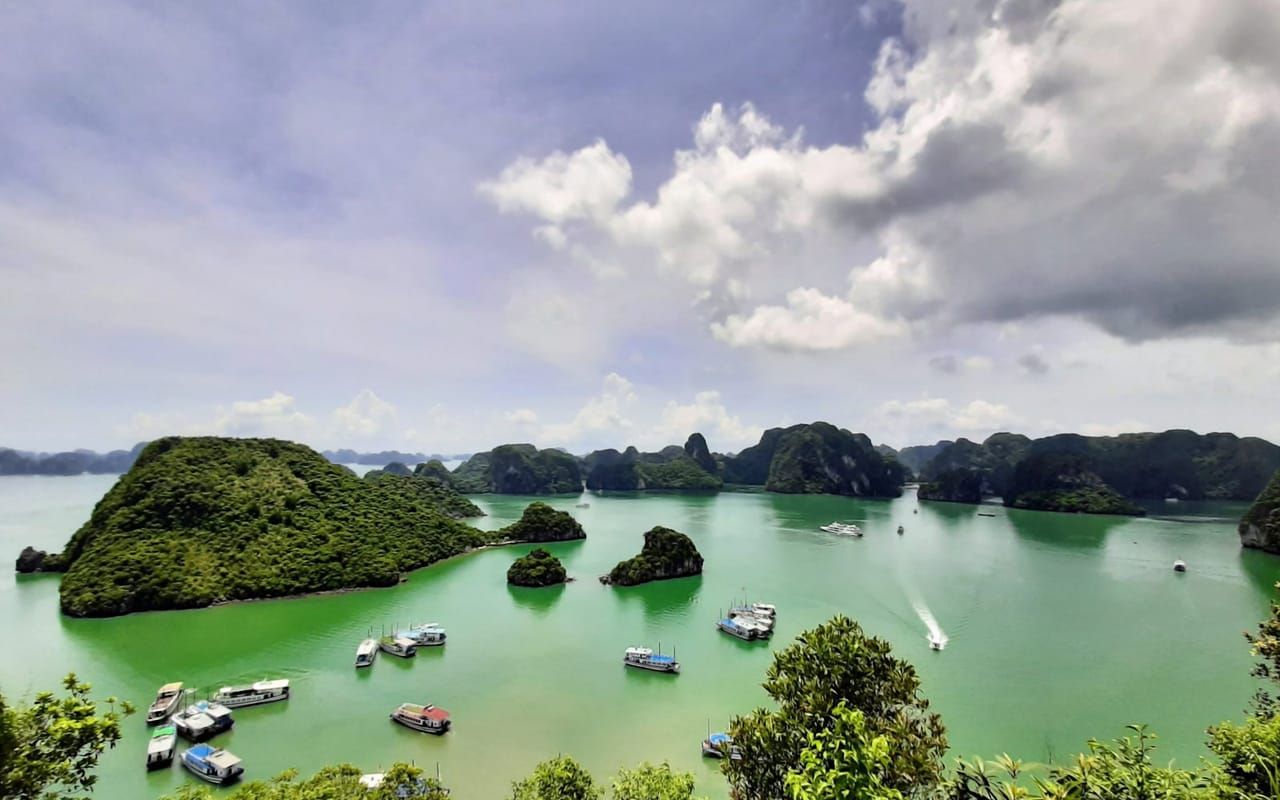
Hoi An & Da Nang Heritage Coast
5 Nights · Vietnam · Couple · 2 adults
Six days across central Vietnam: three lantern-lit nights in UNESCO Hoi An and two beachside nights in Da Nang, taking in Ba Na Hills' Golden Bridge, coconut basket boats and the Hai Van Pass.
Highlights: Ba Na Hills & the Golden Bridge · Hoi An Ancient Town by lantern light · Cam Thanh coconut basket boats · Hai Van Pass coastal drive · Lady Buddha sunset at Son Tra · Hoi An Memories Show
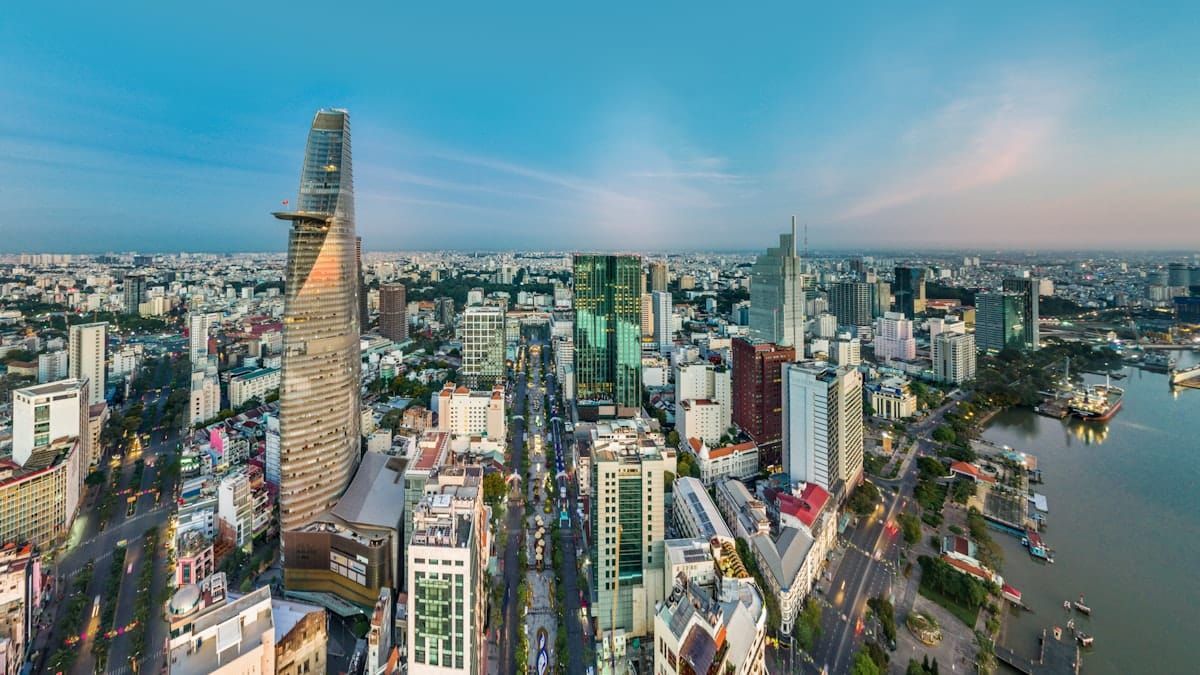
Saigon New Year to Central Coast: A Luxury Vietnam Escape
9 Nights · Vietnam · Couple
Nine nights across southern and central Vietnam: New Year's Eve in Saigon, the coast and caves of Da Nang, lantern-lit Hoi An, and a two-night finale in a private pool villa at Banyan Tree Lang Co.
Highlights: New Year's Eve on Nguyen Hue Walking Street in Saigon · Cu Chi Tunnels and War Remnants Museum · Ba Na Hills and the Golden Bridge day trip · Lantern-lit Hoi An Old Town evenings · Two nights in a private pool villa at Banyan Tree Lang Co · Son Tra Peninsula, Lady Buddha and My Khe Beach
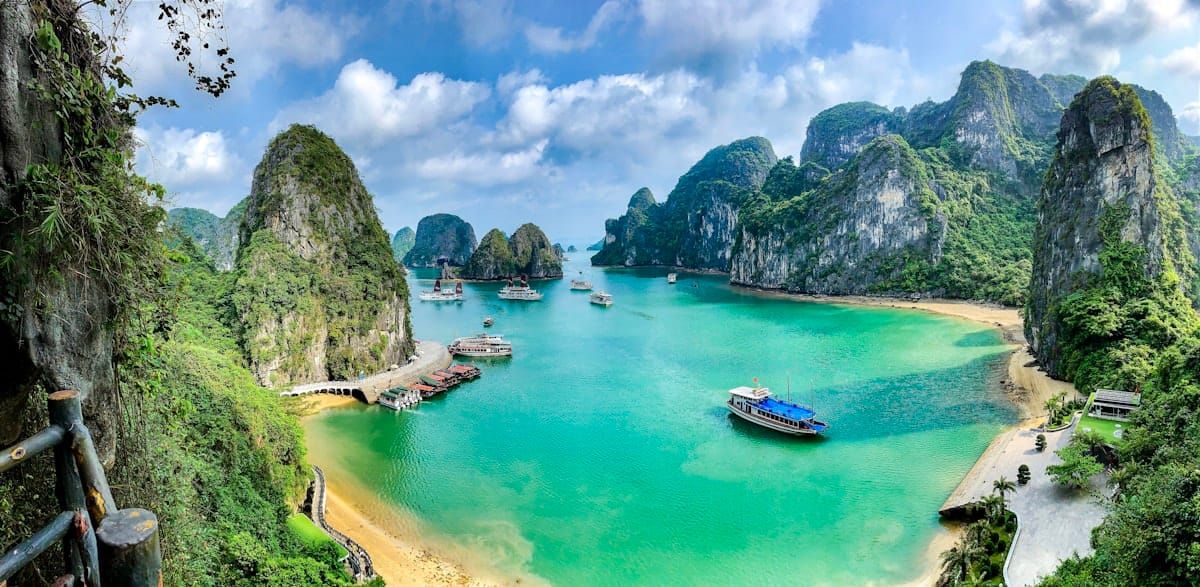
Vietnam North to Central: Hanoi, Ninh Binh Bay Cruise & Heritage Coast
8 Nights · Vietnam · Couple
Eight nights across Vietnam's north and centre: Hanoi's Old Quarter, the karst rivers of Ninh Binh, an overnight Lan Ha Bay cruise, then Da Nang, Ba Na Hills and lantern-lit Hoi An.
Highlights: Overnight luxury cruise through Lan Ha Bay with a private balcony suite · Trang An boat circuit and the panoramic Mua Caves climb in Ninh Binh · Hanoi Old Quarter: Hoan Kiem Lake, Train Street coffee and a water puppet show · Hai Van Pass scenic ride and the Golden Bridge at Ba Na Hills · Lantern-lit Hoi An Ancient Town with riverside dinners and a basket-boat ride
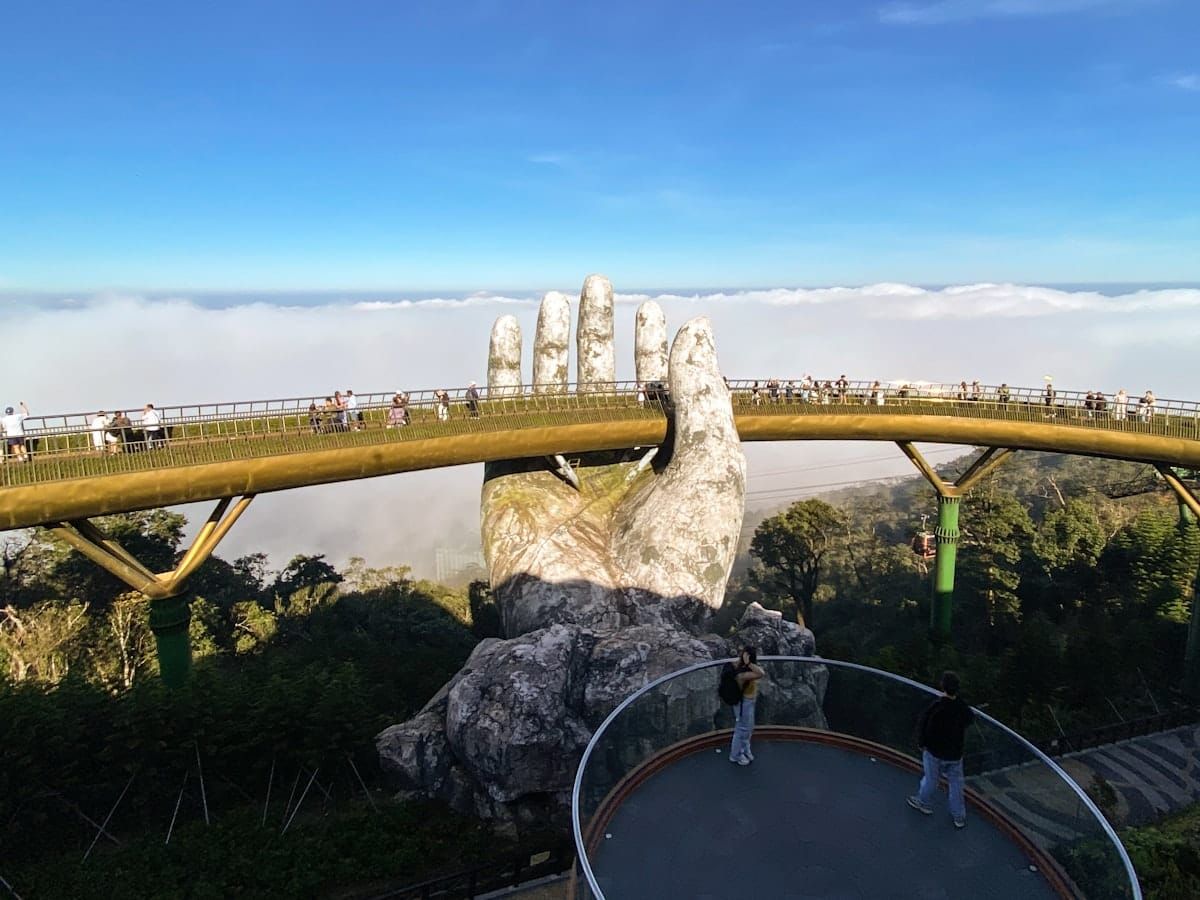
Vietnam Grand Tour: Hanoi to Saigon
18 Nights · Vietnam · Couple
One country, coast to highlands: imperial Hue, an overnight Ha Long cruise, the mountain trails of Sapa, lantern-lit Hoi An and the buzz of Saigon, linked by short flights and scenic drives.
Highlights: Overnight cruise through the karst islands of Ha Long and Lan Ha Bay · Cable car to the summit of Fansipan, Vietnam's highest peak, from Sapa · Ride the Hai Van Pass between Lang Co and Hoi An by scooter · Golden Hand Bridge and sunrise at Ba Na Hills · Imperial Citadel and a Perfume River dragon-boat ride in Hue · Cu Chi Tunnels and Japan Town evenings in Ho Chi Minh City
Pair the highlights of Quảng Nam into one easy trip — we'll plan the route.
WhatsApp
Contact Us
Get in touch with us.
Get in touch
Contact Us
Tell us where you'd like to go and how you like to travel. A real Tripcuro planner — not a bot — will craft an itinerary around you.
- Personalised, hassle-free planning end-to-end
- Transparent pricing, no hidden costs
- 24/7 support for complete peace of mind