
Hồ Chí Minh
Viet Nam · Municipality · 8 destinations with guides
Photography coming soonWhy visit?
Hồ Chí Minh City — still widely known as Sài Gòn among its residents — is Vietnam's commercial engine and most populous municipality, home to over 9 million people spread across 24 districts covering roughly 2,100 sq km. Straddling the Sài Gòn River in the south of the country, the city sits at the northern edge of the Mekong Delta, with flat, low-lying terrain that made it a natural trading hub for centuries. Unlike the capital Hà Nội, Hồ Chí Minh carries the kinetic, unfinished energy of a city permanently mid-sprint — motorbike torrents, glass towers rising above French colonial facades, and street food carts that never close.
The municipality is administratively divided into urban districts (quận) and suburban districts (huyện), each with its own character. The historic core clusters around Quận 1 and Quận 3, where colonial-era landmarks, rooftop bars, and five-star hotels sit a short xe ôm ride from cluttered street markets. Bình Thạnh and Thủ Đức (now absorbed into the mega-district Thành phố Thủ Đức) represent the city's fast-growing eastern frontier, while the outer huyện of Cần Giờ reach all the way to mangrove coast and UNESCO-recognised biosphere reserve.
As a travel destination, the municipality rewards those who move beyond the tourist belt. Neighborhoods like Bình Tây in Quận 6, the Cambodian-Vietnamese enclaves of Quận 5, and the still-residential backstreets of Quận 4 across the Kênh Tẻ canal offer a version of the city that feels genuinely unscripted. The pace is relentless, the food extraordinary, and the historical density — from the Reunification Palace to the Cu Chi tunnels at the city's northwestern fringe — is unmatched anywhere in southern Vietnam.
When is the best time to visit?
The dry season runs from December through April, making these the most comfortable months to visit. January and February offer clear skies, manageable humidity, and temperatures in the mid-to-upper 20s °C. This window also overlaps with Tết Nguyên Đán (Lunar New Year, usually late January or early February), when the city transforms: streets fill with flower markets, fireworks erupt over the Sài Gòn River, and many family-run restaurants close for several days — book accommodation and restaurant tables well in advance.
The wet season (May–November) brings heavy afternoon downpours that typically last an hour before clearing. Heat peaks in April, with humidity rising sharply from May. Flooding in low-lying districts (notably Quận 4, parts of Bình Thạnh, and stretches along Nguyễn Hữu Cảnh) is an increasing urban reality during heavy rain events. Traveling in the wet season is entirely manageable — prices drop, crowds thin, and the city's greenery looks its best — but plan outdoor excursions (especially Cần Giờ boat trips) for mornings.
March is widely considered the sweet spot: still firmly in the dry season, post-Tết normality restored, temperatures warm without the April pre-monsoon sting.
Tell us your dates and we'll shape a Hồ Chí Minh route around them.
WhatsAppHow do you get around?
Within the urban districts, motorbike taxi apps (Grab Bike, Gojek) are the fastest and cheapest option for solo travelers — typically 15,000–40,000 VND for a 3–5 km ride. Four-wheel Grab cars run 50,000–120,000 VND for the same distance and are useful in rain or when carrying luggage. Traditional metered taxis (Vinasun, Mai Linh) remain reliable; insist on the meter or use the app.
The city's first metro line (Bến Thành–Suối Tiên, Line 1) opened in late 2024, running 19.7 km from Quận 1 through Bình Thạnh and out to Thủ Đức. Single fares range from 6,000–20,000 VND depending on distance, with stored-value cards available. It currently serves the eastern corridor only; bus connections cover the rest.
Public buses (Buýt Sài Gòn) cover most of the city for 6,000–7,000 VND a ride but are slow in traffic and signage is Vietnamese-only. The Sài Gòn Waterbus line runs along the river between Bạch Đằng (Quận 1) and Linh Đông (Thủ Đức) — scenic, inexpensive (15,000 VND), and often faster than road traffic at peak hours.
For day trips to Cần Giờ (70 km south), the most practical option is a rented motorbike or private car via the Bình Khánh ferry crossing. Đồng Nai River boat tours to the Củ Chi tunnels (45 km northwest) are bookable from Bến Bạch Đằng pier; overland, the route is straightforward by Grab or rented vehicle.
Where should you go?
- Quận 1 / Bến Nghé — the colonial and commercial core; landmarks, nightlife, and the city's best cafe scene within walking distance of each other
- Chợ Lớn (Quận 5 & Quận 6) — Vietnam's largest Chinatown, centred on Bình Tây Market; temples, medicinal herb traders, and Teochew dim sum
- Củ Chi Tunnels — 250 km of wartime tunnel network on the city's northwestern fringe; a visceral reminder of the American War and one of southern Vietnam's essential historical sites
- Cần Giờ Biosphere Reserve — mangrove forest and estuary at the city's southern edge; monkeys, migratory birds, and a working fishing community largely unchanged by the urban boom
- Thành phố Thủ Đức — the eastern mega-district housing Vietnam's largest technology corridor, a growing arts and café scene, and the terminus of Metro Line 1
Want the scenic legs and stays booked for you? Just ask.
WhatsAppWhat should you eat?
Southern Vietnamese food is richer, sweeter, and more herb-forward than the north, and Hồ Chí Minh is its capital. Hủ tiếu Nam Vang (Phnom Penh-style pork and prawn noodle soup, often served half-dry) is the city's unofficial breakfast, found in Chinese-Vietnamese joints across Chợ Lớn from 40,000–70,000 VND a bowl. Bánh mì Sài Gòn — with pâté, cold cuts, pickled daikon, and jalapeño — is a point of civic pride; Huỳnh Hoa on Lê Thị Riêng (Quận 1) is perpetually queued, and justifiably so (45,000–55,000 VND).
Cơm tấm (broken rice with grilled pork ribs, shredded skin, and egg) is the definitive local lunch — 50,000–80,000 VND — available at specialist shops operating morning through early afternoon only. Look for lines of plastic stools on sidewalks in Quận 3 and Quận Bình Thạnh. Bún thịt nướng (cold vermicelli with grilled pork and nuoc cham) and bánh xèo (sizzling crepe with pork, prawn, and bean sprouts wrapped in lettuce) round out the southern canon.
For seafood, the restaurant clusters along Hoàng Diệu 2 in Thủ Đức and around Bình Quới Tourist Village (Bình Thạnh) specialise in freshwater Mekong fish — elephant ear fish (cá tai tượng) fried whole and eaten wrapped in rice paper is a ritual. In Chợ Lớn, Dimsum Đức Hưng on Triệu Quang Phục serves Teochew-style dim sum from 5 AM. Street desserts — chè (sweet bean soups), bánh tiêu (hollow sesame donuts), and durian anything — are ubiquitous and cheap.
What is the culture like?
Tết Nguyên Đán (January/February) is the city's dominant cultural event. Nguyễn Huệ Boulevard becomes a pedestrianised flower street for several days beforehand; the Sài Gòn River hosts a midnight fireworks display on New Year's Eve of the lunar calendar. Expect the city to be simultaneously at its most festive and most closed.
Tết Nguyên Tiêu (Lantern Festival, 15th day of the first lunar month) is celebrated with particular intensity in Chợ Lớn — temple processions, lion dances, and incense-thick pagoda courtyards make Quận 5 the place to be.
Lễ hội Nghinh Ông (Whale Festival, 16th day of the 8th lunar month — usually October) takes place in Cần Giờ, where fishing communities parade to the communal temple to honour the whale deity believed to protect sailors. One of the city's more atmospheric and tourist-light festivals.
The city has a vibrant contemporary arts scene anchored by spaces like The Factory Contemporary Arts Centre (Quận 2/Thủ Đức) and the shifting roster of independent galleries in the streets behind Bảo tàng Mỹ thuật (Fine Arts Museum, Quận 1). Traditional Cải lương (southern reformed opera) is performed at the Trần Hữu Trang Theatre; performances are infrequent but searchable through the theatre's schedule.
Travelling during a festival? We'll plan around the crowds.
WhatsAppWhat are the standout experiences?
Navigating the Reunification Palace on your own terms — the 1960s time-capsule interior of the former Presidential Palace (now Dinh Thống Nhất) is most affecting if you spend an hour beyond the main reception rooms, descending into the basement war rooms and communications bunkers. Entry is 65,000 VND; early mornings before tour groups arrive.
Dawn at Bình Tây Market — arriving at Chợ Bình Tây before 6 AM puts you among wholesale traders, not tourists. The century-old Chinese-built market building, stacked wholesale goods, and Vietnamese coffee rituals around the perimeter stalls constitute an experience entirely separate from the daytime tourist version.
A boat trip through Cần Giờ's mangrove canals — chartered wooden boats navigate the tidal channels of the Can Gio Biosphere Reserve, passing through dense mangrove corridors inhabited by long-tailed macaques and migratory birds. Half-day tours from the ferry crossing run approximately 300,000–500,000 VND per person; book through guesthouses or directly at the pier.
Crawling the Cu Chi tunnel network — the preserved section at Bến Dược offers access to enlarged (but still genuinely claustrophobic) tunnels used by Viet Cong fighters during the American War. The experience is more confronting than the museum presentation suggests; the 100-metre underground crawl is not for the claustrophobic.
Eating your way through a single Chợ Lớn block — the grid of streets around Châu Văn Liêm and Lương Nhữ Học in Quận 5 is dense with specialist food: Teochew congee at dawn, char siu roast pork by mid-morning, and hand-pulled noodle shops operating through the afternoon. An unhurried morning on foot with no fixed destination is one of the city's great pleasures.
Top Destinations
Every destination in Hồ Chí Minh with a guide — tap a place for the full guide.
Binh Chanh
Bình Chánh is a rural district (huyện) in southwestern Hồ Chí Minh…
Can Gio
Cần Giờ (Xã Cần Giờ) is a coastal commune in Hồ Chí Minh City…
Can Gio Mangrove Biosphere Reserve
The Cần Giờ Mangrove Biosphere Reserve (Vietnamese: Khu dự trữ sinh…
Cu Chi
Củ Chi is a rural district approximately 40 km northwest of Ho Chi…
Ho Chi Minh City
Ho Chi Minh City (Vietnamese: Thành phố Hồ Chí Minh), still commonly…
Hoc Mon
Hóc Môn (Xã Hóc Môn) is a commune in northern Hồ Chí Minh City…
Nha Be
Nhà Bè (Xã Nhà Bè) is a commune in southern Hồ Chí Minh City, created…
Thu Duc
Thủ Đức (Vietnamese: Thành phố Thủ Đức), often called the "Eastern…
Sample itinerary
See how a trip to Hồ Chí Minh comes together — a real Tripcuro plan, day by day.
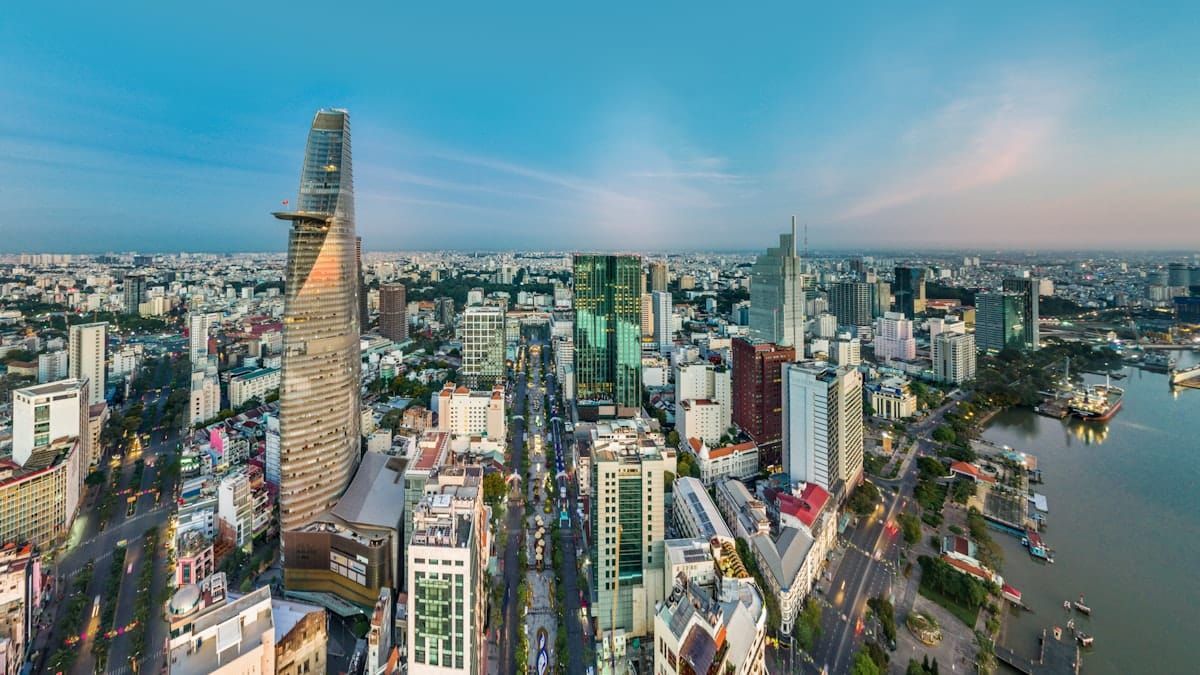
Saigon New Year to Central Coast: A Luxury Vietnam Escape
9 Nights · Vietnam · Couple
Nine nights across southern and central Vietnam: New Year's Eve in Saigon, the coast and caves of Da Nang, lantern-lit Hoi An, and a two-night finale in a private pool villa at Banyan Tree Lang Co.
Highlights: New Year's Eve on Nguyen Hue Walking Street in Saigon · Cu Chi Tunnels and War Remnants Museum · Ba Na Hills and the Golden Bridge day trip · Lantern-lit Hoi An Old Town evenings · Two nights in a private pool villa at Banyan Tree Lang Co · Son Tra Peninsula, Lady Buddha and My Khe Beach
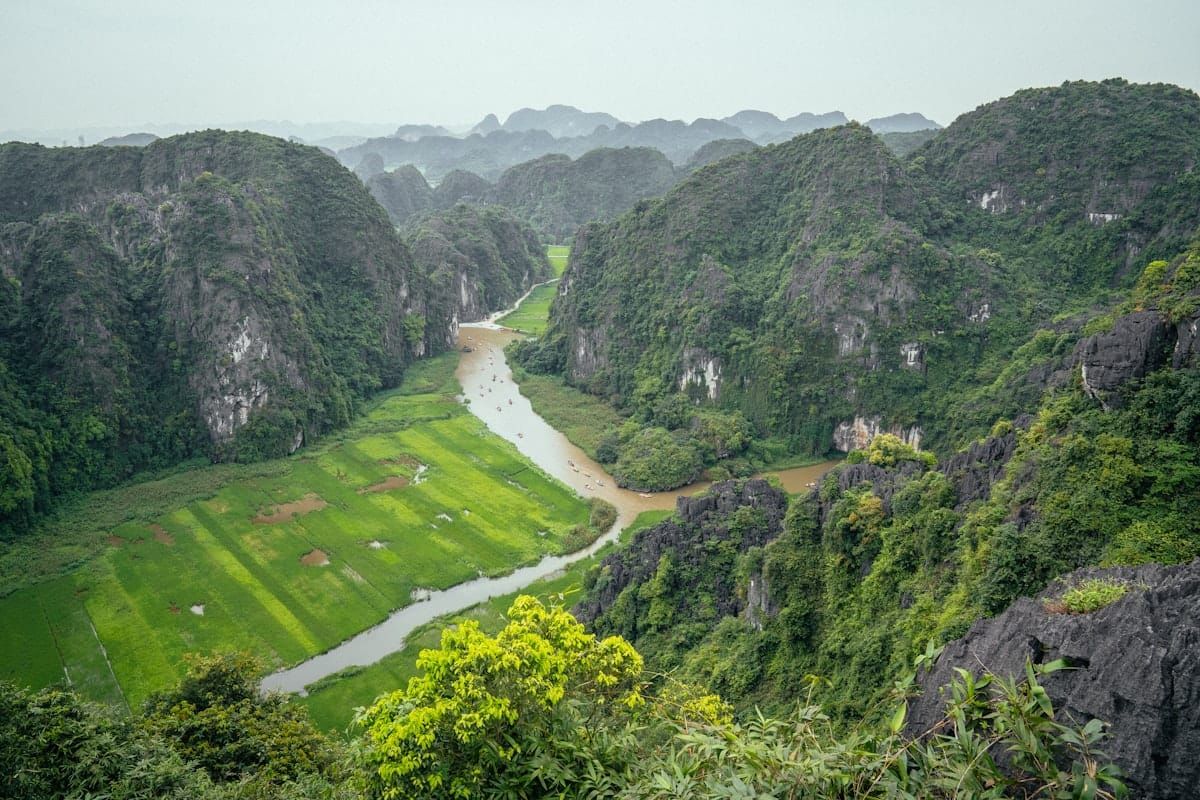
Northern Vietnam & Saigon: A Honeymoon Journey
8 Nights · Vietnam · Couple
A honeymoon that reads north to south: Hanoi's Old Quarter, an overnight cruise through Lan Ha and Ha Long bays, a resort on Cat Ba, Ninh Binh's river valleys, then a Saigon finale.
Highlights: Overnight cruise through the karst islands of Lan Ha and Ha Long Bay · Two resort nights on Cat Ba Island · Trang An boat ride, Mua Caves climb, and Hoa Lu ancient capital in Ninh Binh · Hanoi's Old Quarter, markets, and a water puppet show · Cu Chi Tunnels day trip from Ho Chi Minh City · Easy vegetarian dining, from Hanoi buffets to Saigon's District 1
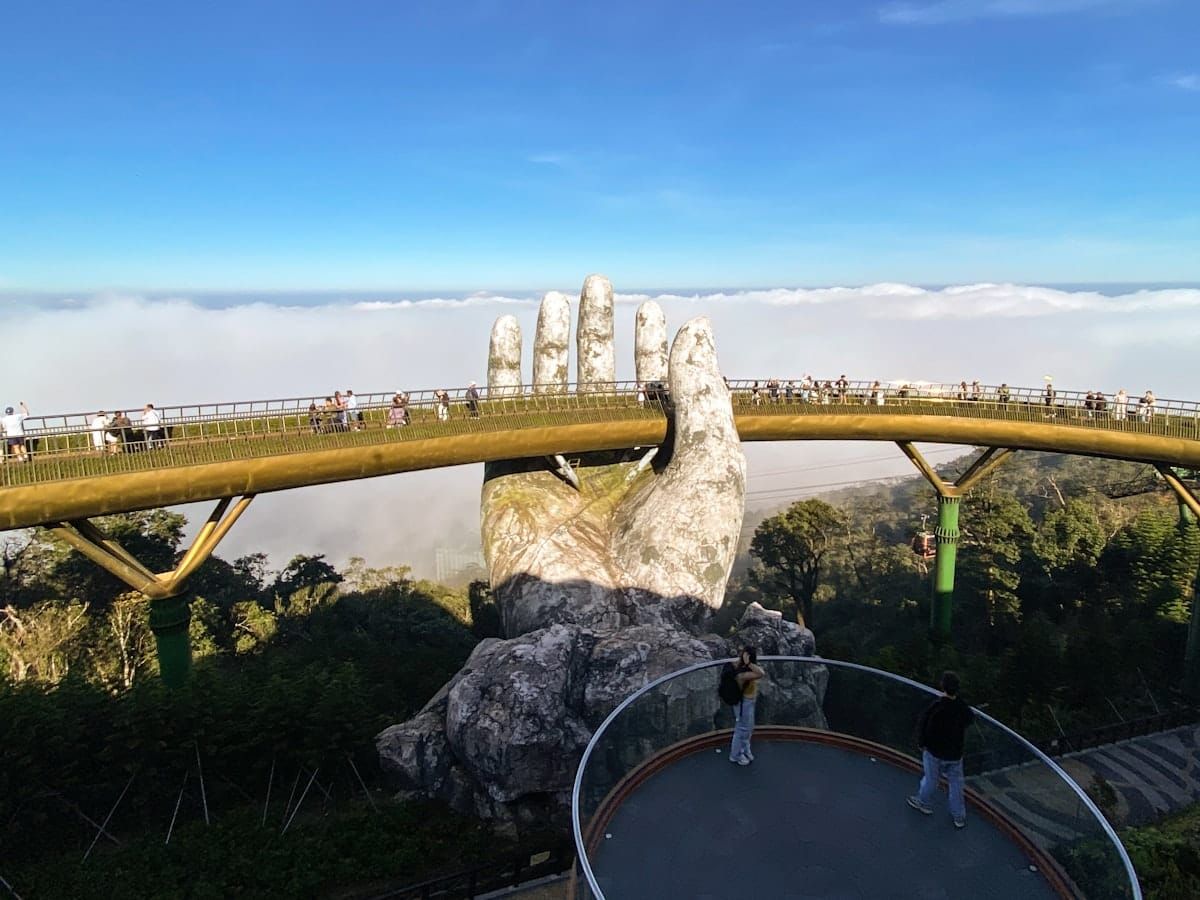
Vietnam Grand Tour: Hanoi to Saigon
18 Nights · Vietnam · Couple
One country, coast to highlands: imperial Hue, an overnight Ha Long cruise, the mountain trails of Sapa, lantern-lit Hoi An and the buzz of Saigon, linked by short flights and scenic drives.
Highlights: Overnight cruise through the karst islands of Ha Long and Lan Ha Bay · Cable car to the summit of Fansipan, Vietnam's highest peak, from Sapa · Ride the Hai Van Pass between Lang Co and Hoi An by scooter · Golden Hand Bridge and sunrise at Ba Na Hills · Imperial Citadel and a Perfume River dragon-boat ride in Hue · Cu Chi Tunnels and Japan Town evenings in Ho Chi Minh City
Pair the highlights of Hồ Chí Minh into one easy trip — we'll plan the route.
WhatsApp
Contact Us
Get in touch with us.
Get in touch
Contact Us
Tell us where you'd like to go and how you like to travel. A real Tripcuro planner — not a bot — will craft an itinerary around you.
- Personalised, hassle-free planning end-to-end
- Transparent pricing, no hidden costs
- 24/7 support for complete peace of mind