
Sri Lanka
Southern Asia · 168 destinations across 9 regions
Photography coming soonOverview
Sri Lanka packs an improbable amount of variety into an island roughly the size of Ireland. Within a few hours' drive you can move from palm-fringed surf beaches to misty tea plantations, from ancient ruined capitals to dense rainforest alive with endemic birds. The "Cultural Triangle" of Anuradhapura, Polonnaruwa and Sigiriya holds more than two millennia of Buddhist civilisation, while the south and east coasts deliver some of Asia's most accessible beach life. Wildlife is a genuine headline act — leopards in Yala, elephants in Udawalawe and Minneriya, blue whales off Mirissa.
Formerly known as Ceylon, the island carries a layered cultural heritage: a Sinhalese Buddhist majority, a substantial Tamil Hindu population concentrated in the north and east, and significant Muslim and Christian communities. That mix shows up in temples, kovils, mosques and colonial-era churches, and on the plate — fiery rice and curry, hoppers, kottu and world-famous tea.
Sri Lanka suits a wide range of travellers: culture seekers, surfers and beach loungers, hikers, wildlife enthusiasts, and families. Distances are short, the rail network is scenic and cheap, and English is widely understood in tourist areas. It rewards both the two-week first-timer and the slow traveller happy to linger in one beach town or hill village.
Geography & Climate
Sri Lanka is a teardrop-shaped island in the Indian Ocean, just south of India, separated by the narrow Palk Strait. The terrain is mostly low, flat to rolling plain, rising to a mountainous south-central interior. The highest point is Pidurutalagala at 2,524 m; nearby Kirigalpoththa (2,388 m) and Thotupola Kanda (2,357 m) sit within the Horton Plains highlands.
The island is administratively divided into nine provinces and broadly splits into a wet zone (the south-west and hill country, where prevailing westerly winds drop their moisture) and a drier zone covering the north and east. This geography produces dramatically different micro-climates: cool, sometimes near-freezing nights in Nuwara Eliya in the hills, versus a steady 30–35°C in dry-zone Hambantota.
Two non-overlapping monsoons govern the weather. The main south-west "Yala" monsoon drenches the west, south-west and hill country roughly from April to July. The less severe north-east "Maha" monsoon affects the east coast from November to March. October–November tends to be unsettled island-wide. The practical upshot: there is almost always good weather somewhere in Sri Lanka — you just plan your route around the season.
Tell us your dates and we'll tailor your Sri Lanka trip around them.
WhatsAppWhen to Visit
The single best stretch for most itineraries is December to March, when the popular south and west coasts (Galle, Mirissa, Bentota) and the Cultural Triangle are dry and sunny, and the hill country is at its clearest from January to March. This is peak season — expect higher prices and busier sites.
For the east coast (Trincomalee, Arugam Bay, Pasikudah), flip the calendar: roughly May to September is the dry, surf-and-beach window. Arugam Bay's surf peaks around April to October. The shoulder months of April and September–November bring lower prices and thinner crowds, with the trade-off of more unpredictable rain.
Festivals worth planning around: the Kandy Esala Perahera (a spectacular procession of caparisoned elephants, dancers and drummers, usually July–August); Sinhala and Tamil New Year in mid-April; Vesak (the Buddha's birth, enlightenment and passing, on the May full moon), when towns are lit with lanterns; Thai Pongal in January; and the Galle Literary Festival, typically January.
Visa & Entry
Most visitors require an Electronic Travel Authorization (ETA) before arrival, applied for online, or a visa on arrival at Bandaranaike International Airport. The ETA covers short tourist stays and is the standard route for travellers from Europe, North America, Australia and most of Asia.
This is general guidance only. Visa rules, fees and eligible nationalities change frequently — confirm with the Sri Lankan embassy or the official immigration website before booking travel. A passport valid for at least six months beyond arrival and proof of onward travel are commonly required.
Want us to time your trip around a festival? We'll handle it.
WhatsAppMoney & Costs
The currency is the Sri Lanka Rupee (LKR), symbol Rs. Following the 2022 economic crisis the rupee saw sharp swings, so always check the live rate before budgeting.
Approximate daily budgets per person:
- Budget: Rs 8,000–15,000 (guesthouses, local rice-and-curry, buses and trains).
- Mid-range: Rs 20,000–45,000 (boutique hotels, mixed dining, occasional private driver).
- Luxury: Rs 80,000 and up (resorts, villas, private guides and safaris).
ATMs are widely available in cities and tourist towns; cards (Visa and Mastercard) are accepted at hotels, larger restaurants and shops, though small guesthouses, markets and tuk-tuks are cash-only. Carry rupees for rural areas. Tipping is appreciated but not obligatory: rounding up restaurant bills or leaving around 10% is normal where no service charge applies, and small tips for drivers, guides and hotel staff are customary.
Getting In
The principal gateway is Bandaranaike International Airport (CMB) at Katunayake, about 35 km north of Colombo and close to Negombo. It handles the vast majority of international flights, with strong connections via the Gulf, India and South-East Asia.
A second international airport, Mattala Rajapaksa International Airport (HRI) near Hambantota in the south, sees limited scheduled service.
There is no regular passenger ferry between Sri Lanka and India at present; historically a service ran between Talaimannar and Rameswaram, and proposals to revive a ferry link surface periodically. Cruise ships call at the ports of Colombo, Galle, Trincomalee and Hambantota.
We handle the bookings and budgeting — you just travel.
WhatsAppGetting Around
Sri Lanka is compact, but mountain roads and traffic mean journeys often take longer than the map suggests. The railway is a highlight in itself — the hill-country line from Kandy through Nanu Oya (Nuwara Eliya) to Ella is one of the world's most scenic train rides, and the coastal line south from Colombo to Galle and Matara hugs the sea. Trains are cheap; reserved first- and second-class seats on popular routes sell out, so book ahead.
Intercity buses are inexpensive and reach almost everywhere, ranging from cramped public buses to faster air-conditioned express coaches. Tuk-tuks (three-wheelers) handle short hops — agree the fare first, or use a metered ride-hailing app. PickMe is the main local app; Uber also operates in Colombo and some larger towns. Many travellers hire a car with a driver for multi-day trips, which is reasonably affordable and removes the stress of driving on the left through chaotic traffic.
Domestic air links are limited, mostly seaplane and small-aircraft charters between Colombo and resort areas. Common scams to watch: tuk-tuk drivers quoting inflated fares or steering you to commission-paying shops and "gem" or spice dealers, and unofficial "guides" at major sites. Use metered apps where possible and buy attraction tickets only at official counters.
Culture & Etiquette
Sri Lankans are generally warm and hospitable. A friendly greeting goes a long way: in Sinhala, "āyubōvan" (with a slight bow and palms together); in Tamil, "vanakkam". "Thank you" is "sthūthiyi" in Sinhala and "nandri" in Tamil.
Temples and religious sites have firm dress codes: cover shoulders and knees, and remove shoes and hats before entering Buddhist and Hindu shrines. Carry socks — sun-baked stone can be scorching underfoot. Never pose with your back to a Buddha statue or image, and avoid touching sacred objects. Buddha tattoos and disrespectful imagery are taken seriously and have caused problems for visitors.
Ask before photographing people, monks or religious ceremonies; photography is restricted or prohibited inside some shrines. Use your right hand (or both hands) when giving or receiving items. Public displays of affection are best kept low-key. Dress modestly away from beach resorts, and remember that alcohol sales are restricted on Poya (full moon) days, when many bars and shops do not serve.
Prefer to talk it through? We're a WhatsApp message away.
WhatsAppSafety
Sri Lanka is generally a safe destination for travellers, and the decades-long civil war ended in 2009. Petty theft, opportunistic scams and overcharging are the most common issues; serious crime against tourists is relatively rare. Solo female travellers should take normal precautions, particularly on crowded public transport and after dark.
Natural hazards deserve respect. Coastal currents and rip tides can be strong — heed local advice and beach flags, as not all beaches are patrolled. The island lies in a region exposed to tsunamis, as the devastating 2004 event showed. During monsoon periods, landslides can affect hill-country roads and flooding can occur in low-lying areas. Wildlife safaris should be done with licensed operators who keep a safe distance from elephants and other animals.
For health, drink only bottled or properly treated water and be cautious with ice and raw produce. Mosquito-borne dengue is present year-round, especially after rain — use repellent and cover up at dawn and dusk.
Emergency numbers: 119 for police, 110 for ambulance and fire.
Top Regions
- Central Province — the "hill country" of Kandy, Nuwara Eliya, Sigiriya and Dambulla, known for tea estates, cool climate and excellent hiking.
- North Central Province — the cultural heartland, home to the ancient capitals of Anuradhapura and Polonnaruwa.
- Southern Province — Galle's colonial fort plus the beach towns of Mirissa, Unawatuna, Weligama and Tangalle, and Yala National Park.
- Western Province — Colombo, the airport gateway near Negombo, and the resort belt of Bentota and Beruwela.
- Uva Province — highland tea country centred on Ella, Haputale, Bandarawela and Badulla.
- Eastern Province — Trincomalee's natural harbour, the surf of Arugam Bay and the calm beaches of Pasikudah.
- Northern Province — Jaffna and the Tamil-majority north, with distinctive cuisine, ancient sites and quiet beaches.
- Sabaragamuwa Province — Sri Lanka's gem-mining region, with Udawalawe National Park for elephants and Sinharaja rainforest nearby.
Tell us your dates and we'll tailor your Sri Lanka trip around them.
WhatsAppTop Destinations
- Colombo — the commercial capital, with markets, colonial architecture, modern shopping, cafés and a lively dining scene.
- Kandy — the spiritual heart of the country and home to the Temple of the Sacred Tooth Relic; a UNESCO World Heritage Site.
- Sigiriya — the dramatic Lion Rock fortress and palace ruins rising from the jungle, a UNESCO World Heritage Site.
- Anuradhapura — vast ruins of Sri Lanka's first ancient capital, with stupas, monasteries and a sacred bodhi tree.
- Polonnaruwa — the well-preserved medieval capital, best explored by bicycle among its temples and rock-carved Buddhas.
- Galle — a charming Dutch-built fort town of cobbled lanes, ramparts, boutiques and cafés on the south coast.
- Ella — a laid-back hill village famed for the Nine Arch Bridge, Little Adam's Peak and the scenic train ride in.
- Nuwara Eliya — "Little England" in the tea highlands, with cool weather, Victorian architecture and estate visits.
- Mirissa — a relaxed south-coast beach village known for whale watching and surf breaks.
- Yala National Park — Sri Lanka's premier safari destination, with one of the world's densest leopard populations.
- Trincomalee — a deep natural harbour on the east coast, with fine beaches at Uppuveli and Nilaveli.
- Arugam Bay — a relaxed surf town on the south-east coast with several renowned breaks.
Regions & States
Sri Lanka has 9 regions with guides — pick one to drill into its destinations.
Not sure where to start in Sri Lanka? Tell us how you like to travel and we'll shape the route.
WhatsAppTop Destinations
The places first-time and returning travellers ask for most.

Anuradhapura
Anuradhapura is Sri Lanka's most ancient city and the cradle of the c…
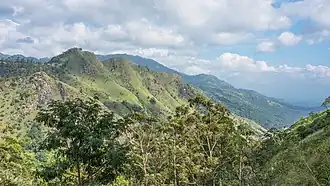
Ella
Ella (sometimes spelt "Elle") is a small town on the southern edge of…
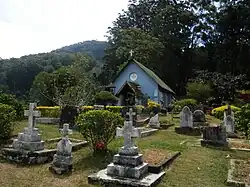
Haputale
Haputale is a small ridge-top town in Uva Province, perched high in t…
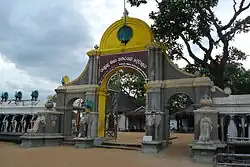
Kataragama
Kataragama is one of South Asia's most extraordinary pilgrimage towns…
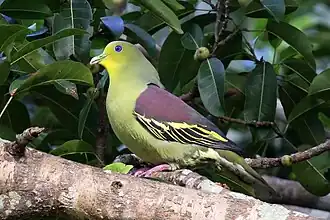
Kaudulla National Park
Kaudulla National Park is a wildlife reserve in the North Central Pro…
Minneriya National Park
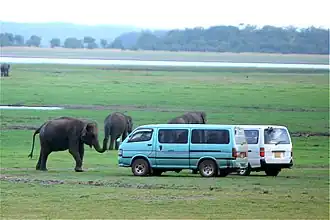
Minneriya National Park is one of Sri Lanka's premier wildlife destin…
Polonnaruwa
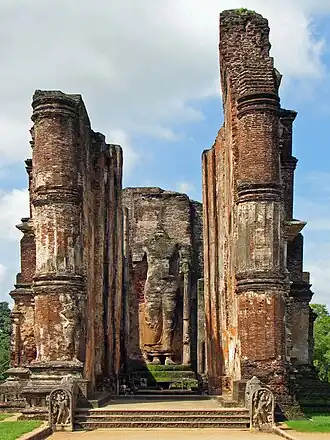
Polonnaruwa is the second of Sri Lanka's great ancient capitals, and…
Ratnapura
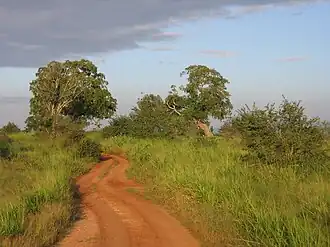
Ratnapura — literally "City of Gems" in Sinhala — is the capital of S…
Sinharaja Forest Reserve
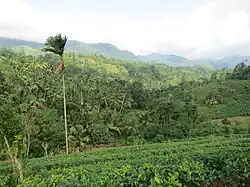
Sinharaja Forest Reserve is Sri Lanka's last substantial stretch of p…
Udawalawe National Park
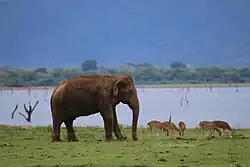
Udawalawe National Park — also spelled Udawalawa — straddles the boun…
Ahangama
Ahangama is a coastal village in the Matara District of Southern Prov…
Akkaraipattu
Akkaraipattu (Tamil: அக்கரைப்பற்று) is a coastal town in the Ampara D…

Contact Us
Get in touch with us.
Get in touch
Contact Us
Tell us where you'd like to go and how you like to travel. A real Tripcuro planner — not a bot — will craft an itinerary around you.
- Personalised, hassle-free planning end-to-end
- Transparent pricing, no hidden costs
- 24/7 support for complete peace of mind