
Solomon Islands
Melanesia · 76 destinations across 10 regions
Photography coming soonOverview
The Solomon Islands are a 900-island Melanesian archipelago strung across the South Pacific east of Papua New Guinea — a country where rainforested volcanic peaks plunge into lagoons so clear that WWII wrecks are visible from the surface. This is one of the least-visited nations in the Pacific, with fewer than 30,000 leisure tourists a year, and that is precisely the appeal: villages that still operate on customary land tenure, dive sites without crowds, and a cultural mosaic of 68 indigenous languages held together by Pijin.
The country suits travellers who treat scarcity of infrastructure as a feature rather than a flaw. Expect dirt airstrips, village homestays, and ferries that run when they run. In return you get the Iron Bottom Sound off Guadalcanal — arguably the world's densest concentration of WWII wrecks — the lagoon systems of Marovo and Vona Vona, and the chance to be the only foreigner on an island for days. It rewards divers, history buffs, surfers chasing remote breaks, and anyone who has already "done" Fiji and Vanuatu.
Honiara, the capital on Guadalcanal, is the gateway and the only place with consistent international connections, but it is not the destination — the Solomons begin once you board a domestic flight or boat to the Western Province, Malaita, or the truly remote Santa Cruz group.
Geography & Climate
The archipelago spans roughly 1,500 km from Choiseul in the northwest to the Santa Cruz Islands in the southeast, sitting on the Pacific Ring of Fire at the collision of several tectonic plates. Six main islands — Guadalcanal, Malaita, Makira, Santa Isabel, Choiseul, and New Georgia — anchor a sea of smaller volcanic islands, raised coral atolls, and barrier-reef lagoons. The highest point is Mount Makarakomburu on Guadalcanal at 2,447 m, and active volcanoes include Tinakula in the Santa Cruz group and the submarine Kavachi off Vangunu. Earthquakes and occasional tsunamis are part of life here.
The climate is ocean-equatorial: hot, humid, and consistent, averaging 27 °C (80 °F) year-round with annual rainfall around 3,050 mm. There are two loose seasons. The drier, cooler period runs from June to August, with southeasterly trade winds and the calmest seas — the practical "high season" for diving and island-hopping. The wetter northwesterly season from November to April brings heavier rain, occasional squalls, and the cyclone risk window (cyclones are infrequent compared to Vanuatu but not unheard of).
Tell us your dates and we'll tailor your Solomon Islands trip around them.
WhatsAppWhen to Visit
Peak season: June to September. Drier weather, calmer seas for inter-island ferries and dive boats, and the best underwater visibility (often 30 m+ in the Western Province). This is when most international visitors come; book Honiara hotels and Western Province dive lodges 2-3 months ahead.
Shoulder: May and October. Conditions are still generally good, prices soften, and crowds are minimal even by Solomon standards.
Off-season: November to April. Hot, very humid, frequent rain, and cyclone risk through March. Diving is still possible but visibility drops and some smaller lodges close. Domestic flights are more often disrupted by weather.
Festivals worth planning around:
- Independence Day (7 July) — parades, traditional dancing, and panpipe performances in Honiara and provincial capitals.
- Festival of Pacific Arts — rotates between Pacific nations; check whether the Solomons is hosting in your travel year.
- Wogasia Spear Festival (May, Santa Catalina Island, Makira Province) — one of the most striking traditional festivals in Melanesia, with ritual spear-throwing.
- Shark Calling and custom dance ceremonies — small, village-organised; arrange through provincial tourism offices, not online.
Visa & Entry
All visitors need a passport valid for at least 6 months, an onward ticket, and proof of funds.
Visa-free / visa on arrival (visitor's visa, typically 3 months): Australia, New Zealand, the United Kingdom, the United States, Canada, Japan, South Korea, Singapore, Malaysia, Brunei, Thailand, Fiji, Papua New Guinea, Vanuatu, Samoa, Tonga, and most other Pacific island nations, plus Norway, Switzerland, Iceland, Liechtenstein, Monaco, Andorra, San Marino, Israel, Argentina, Brazil, Chile, Peru, and several Caribbean states. EU citizens have been visa-free since October 2016.
Mainland Chinese citizens: visa-free for stays up to 30 days (max 90 days in any 180-day period).
Other nationalities: generally must obtain pre-approval before departure, then collect the visa on arrival. A short list of countries (including Belarus, Ethiopia, Ghana, Serbia, Timor-Leste, and a few others) cannot use the on-arrival route at all and must apply through diplomatic channels.
A visitor's permit does not allow work, business, religious vocations, or professional research — those require a business permit arranged in advance.
Verify current requirements with the Solomon Islands Immigration Division or your nearest Solomon Islands / Australian / British high commission before booking, as policies change.
Want us to time your trip around a festival? We'll handle it.
WhatsAppMoney & Costs
The Solomon Islands Dollar (SBD, "SI$") is the only accepted currency; expect roughly SI$8.3 ≈ US$1 (rates fluctuate — confirm on arrival).
Typical daily budgets per person:
- Budget: SI$400–700 (US$50–85) — village guesthouse or basic Honiara lodge, market food, shared transport.
- Mid-range: SI$1,200–2,500 (US$145–300) — mid-tier Honiara hotel or a Western Province eco-lodge with meals, one dive or boat trip, restaurant dinners.
- Luxury: SI$3,500+ (US$420+) — full-board dive resorts (Uepi, Fatboys, Tavanipupu), private boat charters, domestic flights between island groups.
Cards & ATMs: ANZ, BSP, and Pan Oceanic Bank have ATMs in Honiara, Auki, Gizo, Munda, Noro, and a handful of other provincial centres. Visa is more widely accepted than Mastercard. Outside Honiara and the main Western Province towns, assume cash only — bring enough SBD for your entire trip into remote areas, in mixed denominations.
Tipping: not customary and not expected. A small thank-you to dive guides or boat skippers for exceptional service is appreciated but never demanded.
Getting In
By air — the standard route is through Honiara International Airport (HIR), 11 km east of the capital on Guadalcanal. Solomon Airlines, Virgin Australia, and Fiji Airways operate the main international links:
- Brisbane (BNE) — most days, the main gateway.
- Nadi (NAN), Fiji — several times weekly.
- Port Vila (VLI), Vanuatu — connections via Solomon Airlines.
- Port Moresby (POM), Papua New Guinea — limited frequency.
- Sydney (SYD) — seasonal/limited.
Munda Airport (MUA) in the Western Province has gained limited international status and occasionally handles direct flights from Brisbane, useful if you're heading straight to dive country and want to skip Honiara.
By sea: cruise ships occasionally call at Honiara. There is no scheduled international ferry, but small-boat crossings between the Shortland Islands (Western Province) and southern Bougainville (PNG) are routine for locals and possible for travellers with the right paperwork — clear immigration formally at Gizo or Honiara before or after.
We handle the bookings and budgeting — you just travel.
WhatsAppGetting Around
Domestic flights — Solomon Airlines is the dominant operator, flying small turboprops (Twin Otters and Dash 8s) from Honiara to Munda, Gizo, Auki (Malaita), Seghe (Marovo Lagoon), Santa Cruz (Lata), Choiseul, and other airstrips. Schedules are weather-dependent; always build a buffer day before any onward international flight.
Ferries and boats — the MV Pelican Express and similar catamarans run from Honiara Wharf to Auki on Malaita most days (around SI$400 one-way as of recent reporting), and longer-range ships connect Honiara to the Western Province, Makira, and Santa Isabel on multi-day routes. Smaller "banana boats" (open fibreglass dinghies with outboards) are the workhorse of inter-island transport in lagoons — negotiate the price clearly before stepping in, and insist on a life jacket.
Honiara transport — shared minibuses run set routes for SI$5; taxis are metered in theory but agree a fare in advance (typically SI$50–150 around town, SI$80–100 to the airport).
Driving — left-hand side. Rental cars exist in Honiara but roads outside the capital deteriorate quickly; most visitors don't bother.
No rail network. No Uber/rideshare apps.
Common pitfalls (not really scams):
- "Customary fees" at village beaches, lagoons, or dive sites are legitimate — every metre of land and reef is owned by a clan. Pay the small fee (typically SI$20–100) cheerfully; it's how the system works.
- Confirm domestic flight times by phone the day before — schedules are revised quietly.
- Avoid unmarked taxis in Honiara at night.
Culture & Etiquette
Solomon Islander culture is rooted in wantok (one-talk) — extended kin and language-group networks that govern obligation, hospitality, and dispute resolution. Almost all land is held under customary tenure, not freehold, so you are always a guest on someone's clan land.
- Greetings: a soft handshake and a smile; in villages, greet older people first. "Halo" (Pijin for hello) goes a long way.
- Permission, always. Before walking on a beach, swimming in a lagoon, photographing people, or visiting a war wreck, ask the village chief or landowner. A guide handles this for you on organised trips.
- Dress modestly off the beach. Knees and shoulders covered in villages and churches; the Solomons is overwhelmingly Christian and Sundays are quiet. Swimwear is for the water and resort grounds only.
- Photography: ask before pointing a camera at people, especially in villages or at custom ceremonies. Some sites (skull shrines, tambu sites) prohibit photography entirely.
- Tipping is not part of the culture. Don't introduce it.
- Don't: point with your finger (use an open hand or chin), step over someone's legs, or touch anyone's head — particularly children's.
- Do: accept betel nut or food when offered, even just a token bite; bring a small gift (rice, sugar, school supplies) when staying in a village homestay.
Prefer to talk it through? We're a WhatsApp message away.
WhatsAppSafety
The Solomons is generally a low-violent-crime destination for visitors, but it is not without issues — and it is far from quick medical care.
Honiara: petty theft, opportunistic bag-snatching, and occasional muggings occur, especially after dark and around the Chinatown / Point Cruz area. Don't walk alone at night. The 2021 Honiara riots (which burnt down Chinatown amid Malaita-China tensions) showed how quickly civil unrest can flare; monitor your government's travel advisory and avoid demonstrations.
Outside Honiara: villages are extremely safe — far safer than the capital. The risks shift to environmental hazards: strong currents, saltwater crocodiles in mangrove and river systems (especially Western Province and Marovo Lagoon), stonefish and cone shells on reefs, and remote dive sites with no recompression chamber on the islands (the nearest is in Townsville, Australia).
Natural hazards: earthquakes are frequent; tsunamis are a real risk on low-lying coasts (a 2007 quake killed dozens in the Western Province). If you feel a strong or long earthquake on the coast, move to high ground immediately without waiting for an official warning.
Health:
- Malaria is present across most of the country, including Honiara — take prophylaxis (consult a travel doctor) and use repellent and mosquito nets. Dengue also circulates.
- Recommended/required vaccinations typically include hepatitis A and B, typhoid, tetanus, MMR, and yellow fever if arriving from a yellow-fever country. Confirm with a travel clinic.
- Don't drink the tap water. Bottled or properly filtered/boiled only.
- Medical facilities are limited; the National Referral Hospital in Honiara handles emergencies but serious cases are evacuated to Brisbane. Comprehensive travel insurance with medevac cover is non-negotiable.
Emergency numbers: 911 (medical), 999 (police), +677-988 (fire). Response times outside Honiara are slow to non-existent.
Top Regions
- Guadalcanal — the main island, home to Honiara and the most accessible WWII battlefields and wrecks.
- Western Province (New Georgia Islands) — Munda, Gizo, Marovo Lagoon, and the Vona Vona Lagoon; the country's diving and lagoon-cruising heartland.
- Malaita — the most populous island, strong custom culture, traditional shell-money production, and the artificial Lau Lagoon islets.
- Makira (San Cristóbal) — rugged, rarely visited, with intact rainforest, surfing, and the Wogasia spear festival on Santa Catalina.
- Santa Isabel — the longest island in the country, sparsely populated, the site of first European contact, and excellent for deep-cultural village stays.
- Choiseul, Treasury & Shortland Islands — the far northwest, frontier territory bordering Bougainville with WWII history and untouched reefs.
- Rennell & Bellona — raised coral atolls; Rennell's Lake Tegano is a UNESCO World Heritage Site (the largest lake in the insular Pacific).
- Santa Cruz Islands — extremely remote southeastern outpost including Tikopia, more Polynesian in feel than the rest of the country.
Tell us your dates and we'll tailor your Solomon Islands trip around them.
WhatsAppTop Destinations
- Honiara — the capital; WWII museums, the central market, and a base for day trips to Bloody Ridge and the Vilu War Museum.
- Iron Bottom Sound — the strait off Guadalcanal where dozens of WWII warships and aircraft sank; world-class wreck diving from Honiara.
- Munda (New Georgia) — a relaxed Western Province hub with its own international-capable airstrip, Skull Island, and access to reef and wreck dives.
- Gizo — the Western Province capital on Ghizo Island; the Toa Maru wreck, Kennedy Island (where JFK swam ashore after PT-109 sank), and good island-hopping.
- Marovo Lagoon — the world's largest saltwater lagoon, double-barrier reef, carving villages, and lodges like Uepi Island Resort.
- Vona Vona Lagoon — quieter than Marovo, with Skull Island, Lola Island, and Fatboys Resort over the water.
- Auki & Lau Lagoon (Malaita) — provincial capital reached by ferry; the Lau Lagoon's hand-built artificial coral islets are unique in the Pacific.
- Tetepare Island — the largest uninhabited tropical island in the Southern Hemisphere, run as a community conservation area with a basic eco-lodge.
- Rennell — Lake Tegano — UNESCO-listed brackish lake on a raised atoll, with endemic birds and sea snakes.
- Tikopia (Santa Cruz Islands) — a tiny, isolated, Polynesian-speaking volcanic island, one of the most culturally intact places in Oceania.
- Bloody Ridge & Henderson Field area (Guadalcanal) — the core WWII battlefield landscape inland from Honiara.
- Tavanipupu Island (Marau Sound, Guadalcanal) — a private-island resort on the eastern tip of Guadalcanal, popular for honeymooners and remote-luxury travellers.
Regions & States
Solomon Islands has 10 regions with guides — pick one to drill into its destinations.
Not sure where to start in Solomon Islands? Tell us how you like to travel and we'll shape the route.
WhatsAppTop Destinations
The places first-time and returning travellers ask for most.

Gizo
Gizo is the capital of Western Province and the second-largest town i…
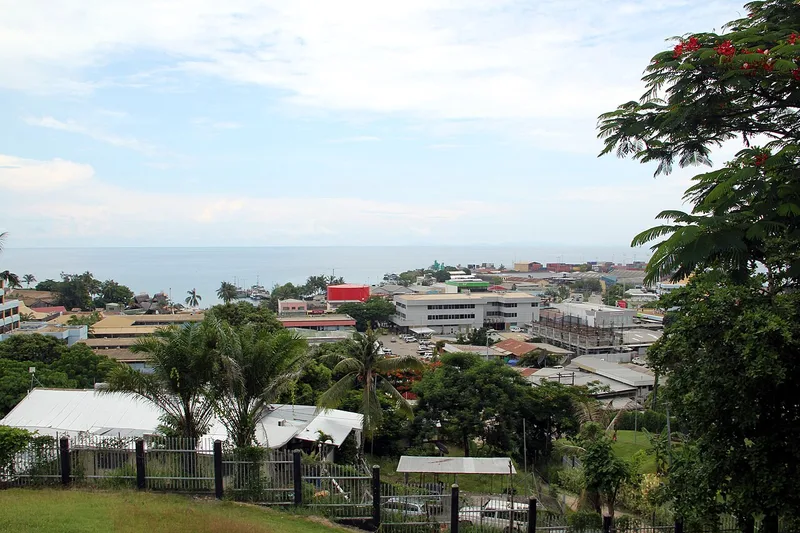
Honiara
Honiara is the capital and largest city of the Solomon Islands, strun…
Kirakira
Kirakira's name comes from the local Arosi word for the small migrato…
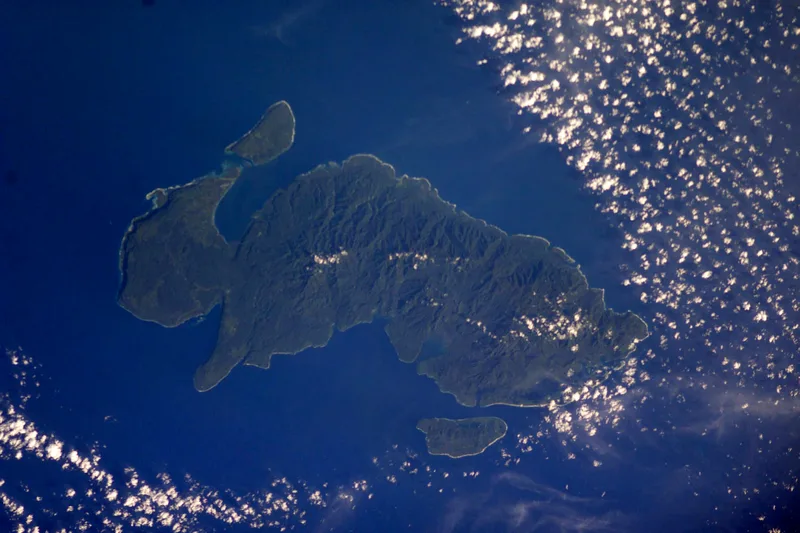
Lata
Lata is the small administrative capital of Temotu Province, the east…
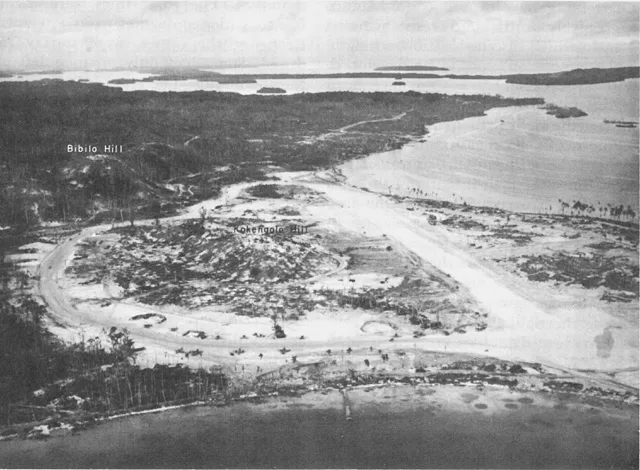
Munda
Munda sits on the southwestern coast of New Georgia Island, the large…
Noro
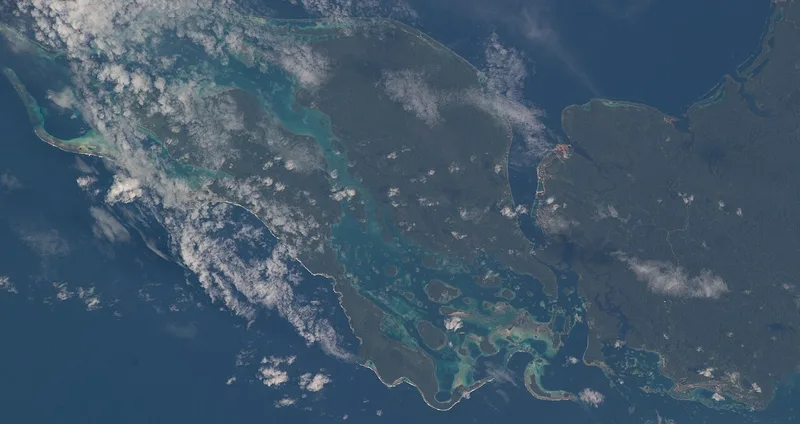
Noro is a small port town on the northwestern coast of New Georgia Is…
Afio
Afio is a coastal village at the southern tip of Small Malaita (Maram…
Anuta
Anuta is a small, remote volcanic island in Temotu Province, Solomon…
Aola
Aola is a small coastal village on the north coast of Guadalcanal, ly…
Auki
Auki is the largest town and the provincial capital of Malaita, the m…
Bellona Island
Bellona, known locally as Mungiki, is a small raised coral island nor…
Buala
Buala is the small, slow-moving capital of Isabel Province, perched o…

Contact Us
Get in touch with us.
Get in touch
Contact Us
Tell us where you'd like to go and how you like to travel. A real Tripcuro planner — not a bot — will craft an itinerary around you.
- Personalised, hassle-free planning end-to-end
- Transparent pricing, no hidden costs
- 24/7 support for complete peace of mind